What causes hyperthyroidism? A Doctor-Reviewed Answer

The most common cause of hyperthyroidism is Graves' disease, an autoimmune condition. Overactive thyroid nodules can produce thyroid hormone without normal body control.
Key Takeaways
- The most common cause of hyperthyroidism is Graves' disease, an autoimmune condition.
- Overactive thyroid nodules can produce thyroid hormone without normal body control.
- Thyroiditis may cause a temporary phase of hyperthyroidism when stored hormone leaks into the bloodstream.
- Tests such as TSH, free T4, T3, antibodies, and thyroid imaging help identify the exact cause.
- Treatment depends on the reason and may include medicines, radioactive iodine, or surgery.
- Fast heartbeat, weight loss, tremor, heat intolerance, or eye changes should be medically assessed.
What causes hyperthyroidism? In most cases, it happens when the thyroid gland makes and releases too much hormone because of Graves' disease, overactive thyroid nodules, or temporary thyroid inflammation. Less often, excess iodine, certain medicines, or too much thyroid hormone replacement can also trigger it.
Overview: what causes hyperthyroidism?
What causes hyperthyroidism? The short answer is that the thyroid gland becomes overactive and releases more thyroid hormone than the body needs. This usually happens because the immune system stimulates the gland abnormally, one or more thyroid nodules start producing hormone on their own, or inflammation causes stored hormone to leak out.
Hyperthyroidism is not a single disease. It is a state of excess thyroid hormone, and identifying the exact cause matters because treatment is different for each one. For example, autoimmune hyperthyroidism is managed differently from thyroiditis, which may be temporary, or from medication-related hormone excess.
The thyroid is a small gland in the front of the neck that helps regulate energy use, heart rate, body temperature, digestion, and many other functions. When hormone levels rise too high, these processes can speed up, sometimes gradually and sometimes quite noticeably.
A doctor-reviewed explanation of hyperthyroidism should go beyond listing causes. It should also clarify how those causes differ, what symptoms they tend to create, and which tests help confirm the reason for the overactive thyroid rather than just the presence of abnormal lab results.
Main causes of an overactive thyroid
The most common cause is Graves’ disease, an autoimmune condition in which antibodies stimulate the thyroid gland to make too much hormone. It can affect the whole gland and may also be associated with eye symptoms such as irritation, swelling, or a prominent appearance. Readers looking for a broader overview may also see Graves' disease.
Another important cause is toxic nodular thyroid disease. In this situation, one overactive nodule or several nodules begin producing thyroid hormone independently, without responding normally to the body’s control signals. This is often called a toxic adenoma or toxic multinodular goiter.
Thyroiditis, or inflammation of the thyroid, can also lead to hyperthyroidism. In these cases, the gland is not necessarily making extra hormone; instead, preformed hormone leaks into the bloodstream. This can happen after a viral illness, after pregnancy, or in autoimmune thyroid inflammation, and it may later be followed by a temporary underactive phase.
Less common causes include taking too much thyroid hormone replacement, exposure to large amounts of iodine, or certain medications such as amiodarone. Rarely, a pituitary problem can overstimulate the thyroid, but this is far less common than Graves’ disease or nodular thyroid disease.
Risk factors and who may be more likely to develop it

Several factors can make hyperthyroidism more likely, depending on the cause. A personal or family history of autoimmune disease increases the chance of Graves’ disease. Women are affected more often than men, and autoimmune thyroid disease may appear at different stages of adult life, including the postpartum period.
Age also influences the pattern of disease. Younger adults are more likely to have Graves’ disease, while older adults more often develop toxic multinodular goiter or an overactive thyroid nodule. Living in areas with changing iodine intake or having a longstanding goiter may also contribute to nodular thyroid overactivity.
Some triggers are related to medical treatment or supplements. Iodine-containing contrast material, some heart rhythm medicines, and unmonitored thyroid hormone use can push thyroid levels too high in susceptible people. For this reason, supplements marketed for “thyroid support” should be used cautiously and discussed with a clinician.
Pregnancy and the months after delivery can affect thyroid function as well. A temporary form of thyroiditis may develop after childbirth, and in some people it causes a brief phase of hyperthyroidism. Anyone with symptoms during or after pregnancy should be assessed by a doctor rather than assuming the changes are simply hormonal adjustment.
Symptoms linked to hyperthyroidism and its causes
Symptoms happen because thyroid hormone speeds up many body systems. Common complaints include unintentional weight loss, a fast or irregular heartbeat, feeling unusually warm, sweating, shakiness, anxiety, restlessness, and trouble sleeping. Some people notice frequent bowel movements, muscle weakness, or difficulty tolerating exercise.
Not everyone experiences the same pattern. In Graves’ disease, the thyroid may be diffusely enlarged, and some patients develop eye symptoms such as grittiness, redness, swelling around the eyes, double vision, or a more prominent eye appearance. In nodular disease, there may be a lump or fullness in the neck, although some nodules are not obvious from the outside.
Thyroiditis may cause neck discomfort or tenderness in certain forms, but not always. Because it often reflects leakage of stored hormone rather than continuous overproduction, symptoms can appear suddenly and may later settle as hormone levels fall. In older adults, symptoms may be subtler and can show up mainly as fatigue, weight loss, or heart rhythm problems.
Severe untreated hyperthyroidism can strain the heart, bones, and metabolism over time. This is one reason it is important to move beyond the question of what causes hyperthyroidism and also confirm whether symptoms are due to sustained hormone excess, a temporary inflammatory process, or another condition with overlapping features.
How doctors diagnose the exact cause
Diagnosis starts with a medical history, symptom review, and physical examination. Doctors often check for tremor, pulse rate, blood pressure changes, eye findings, and enlargement or nodules of the thyroid gland. The first key blood test is usually thyroid-stimulating hormone, or TSH, which is typically low in hyperthyroidism.
Additional tests often include free T4 and T3 levels to confirm how active the thyroid is. When Graves’ disease is suspected, antibody testing may help identify thyroid-stimulating antibodies. These blood tests help distinguish autoimmune disease from other causes but are usually interpreted together with symptoms and exam findings.
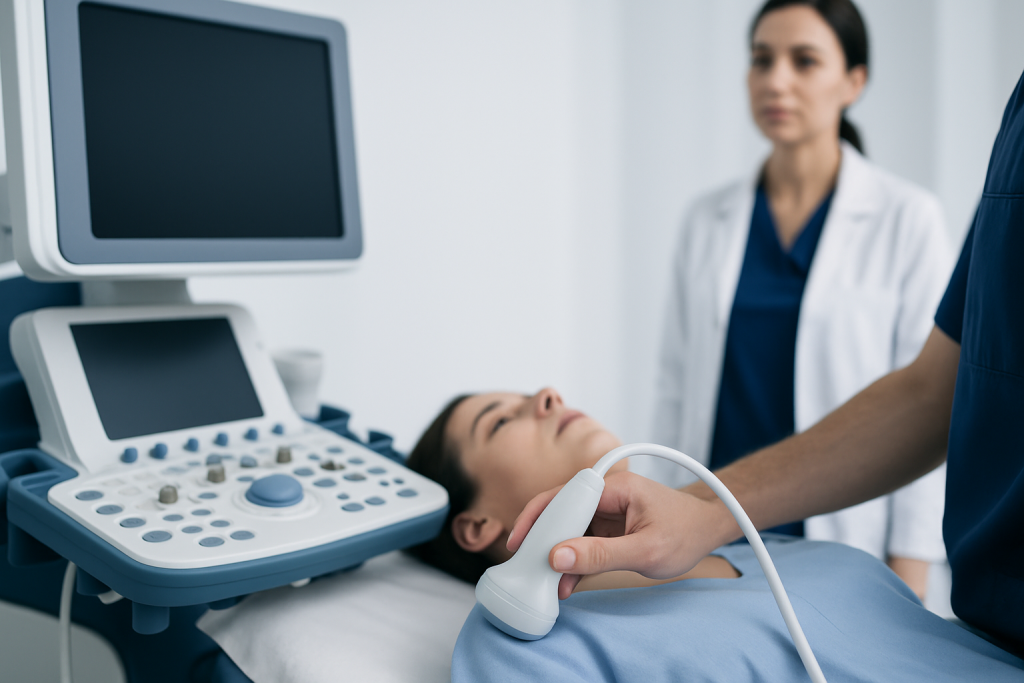
Imaging may be useful when the cause is unclear. A thyroid ultrasound can show the size of the gland and whether nodules are present. A radioactive iodine uptake scan, when appropriate, can show whether the whole gland is overactive, whether one or more nodules are driving hormone production, or whether uptake is low as in many cases of thyroiditis.
Further evaluation depends on the situation. If a thyroid nodule is found, a doctor may recommend additional assessment with thyroid biopsy when indicated. More broadly, thyroid check-up services may include lab testing, ultrasound, and endocrine review to determine the most likely cause and best treatment plan.
Treatment options based on the cause
Treatment is guided by the reason for hormone excess, the person’s age, symptoms, overall health, and future pregnancy plans. Medicines called beta-blockers may be used early to ease symptoms such as palpitations, tremor, and anxiety while the cause is being confirmed or definitive treatment is taking effect. They do not correct the underlying thyroid problem, but they can improve comfort and safety.
For Graves’ disease, treatment options often include antithyroid medicines, radioactive iodine, or surgery. Antithyroid medicines reduce new hormone production and may be used short term or longer term depending on the clinical picture. Radioactive iodine can gradually reduce thyroid overactivity, while surgery may be considered in selected cases, such as a large goiter, suspicious nodules, or when other approaches are unsuitable.
Toxic nodules are less likely to settle on their own, so definitive treatment is often considered. Depending on the case, this may include radioactive iodine or thyroid surgery. When thyroiditis is the cause, treatment is usually supportive because antithyroid medicines often do not help much if the problem is leakage of stored hormone rather than active overproduction.
If hyperthyroidism is related to medication or excess thyroid replacement, the approach may involve adjusting or stopping the trigger under medical guidance. Some people later develop hypothyroidism after treatment and need careful long-term monitoring. At Acibadem International, multidisciplinary specialists in JCI-accredited hospitals evaluate and treat thyroid disorders for international patients using individualized endocrine and surgical care when needed.
Self-care, monitoring, and prevention
There is no guaranteed way to prevent every form of hyperthyroidism, especially autoimmune disease. However, prevention is sometimes possible when avoidable triggers are involved. Taking thyroid hormone exactly as prescribed, avoiding unnecessary iodine-containing supplements, and reviewing medicine interactions with a doctor can reduce the risk of treatment-related hormone excess.
Self-care is helpful, but it should not replace medical assessment. People with confirmed hyperthyroidism are often advised to attend regular blood test follow-up so treatment can be adjusted safely. If symptoms include a fast heartbeat, limiting stimulants such as excess caffeine may be reasonable, though this does not treat the underlying condition.
Bone and heart health also matter, especially when hyperthyroidism is prolonged. Adequate nutrition, good sleep, and clinician-guided activity can support recovery while treatment is underway. Anyone with known thyroid disease should tell healthcare professionals before imaging tests or procedures that may involve iodine contrast.
Some patients search for home remedies for an overactive thyroid, but no supplement or diet has been proven to replace standard treatment. Because herbal products may contain iodine or affect thyroid function, it is safest to discuss all vitamins, supplements, and alternative therapies with a qualified clinician.
When to seek medical care
Medical care should be sought if symptoms suggest possible hyperthyroidism, especially persistent palpitations, unexplained weight loss, tremor, heat intolerance, shortness of breath, new anxiety with physical symptoms, or swelling in the neck. Eye irritation, double vision, or bulging eyes should also be assessed, particularly if Graves’ disease is suspected.
Urgent evaluation is important if there is chest pain, fainting, severe shortness of breath, a very rapid or irregular heartbeat, confusion, marked weakness, or fever with worsening symptoms. Although these problems can have many causes, they may signal a serious complication and should not be ignored.
Anyone who is pregnant, recently gave birth, has heart disease, or is older should be especially cautious because thyroid hormone excess may affect these groups differently. Children and adolescents with symptoms also need prompt medical review, as growth, development, and school functioning can be affected.
If a thyroid condition is suspected or already known, specialist assessment may help clarify whether the issue is Graves’ disease, nodular overactivity, or inflammation. In some cases, evaluation for related thyroid conditions such as thyroid cancer may be needed when nodules are found, although most hyperthyroidism is not caused by cancer.
Frequently asked questions
What is the most common cause of hyperthyroidism?
The most common cause is Graves' disease, an autoimmune condition that makes the thyroid produce too much hormone. It often affects the whole gland and may sometimes be associated with eye symptoms.
Can hyperthyroidism be temporary?
Yes. Some forms of thyroiditis cause a temporary release of stored thyroid hormone, leading to a short-lived hyperthyroid phase. In some people, this is followed by a temporary or longer-lasting underactive thyroid phase.
Can stress cause hyperthyroidism?
Stress alone is not considered a direct cause of hyperthyroidism. However, it may worsen symptoms or sometimes coincide with the timing of autoimmune disease becoming noticeable in someone already susceptible.
Do thyroid nodules always mean cancer when hyperthyroidism is present?
No. Many thyroid nodules are benign, and overactive nodules commonly cause hormone excess without being cancerous. Doctors may still evaluate nodules carefully with imaging and, in selected cases, biopsy.
How do doctors tell Graves' disease from thyroiditis?
They use a combination of blood tests, physical examination, antibody testing, and sometimes imaging. Graves' disease usually shows active hormone production, while thyroiditis often reflects leakage of stored hormone and may have low uptake on thyroid scanning.
Is hyperthyroidism treatable?
Yes. Treatment may include medicines to control symptoms and reduce hormone production, radioactive iodine, or surgery, depending on the cause. Many people do well with careful diagnosis, follow-up, and a treatment plan tailored to their situation.
References
- American Thyroid Association
- National Institute of Diabetes and Digestive and Kidney Diseases
- National Health Service
- Endocrine Society
- Mayo Clinic
This article is for general information only and is not a substitute for professional medical advice. Please consult a qualified doctor about your individual situation.
Hyperthyroidism in Turkey — costs, top hospitals & a free quote
JCI-accredited · board-certified surgeons · reply within 24h
Add us as a Preferred Source to see more of our trusted health content across Google Search, AI Overviews and Discover.
Check your numbers in seconds
BMI, calories, due date, blood pressure and 30+ more clinical calculators — free, instant, doctor-reviewed ranges.