Fluid in lungs: A Complete Medical Guide for Patients
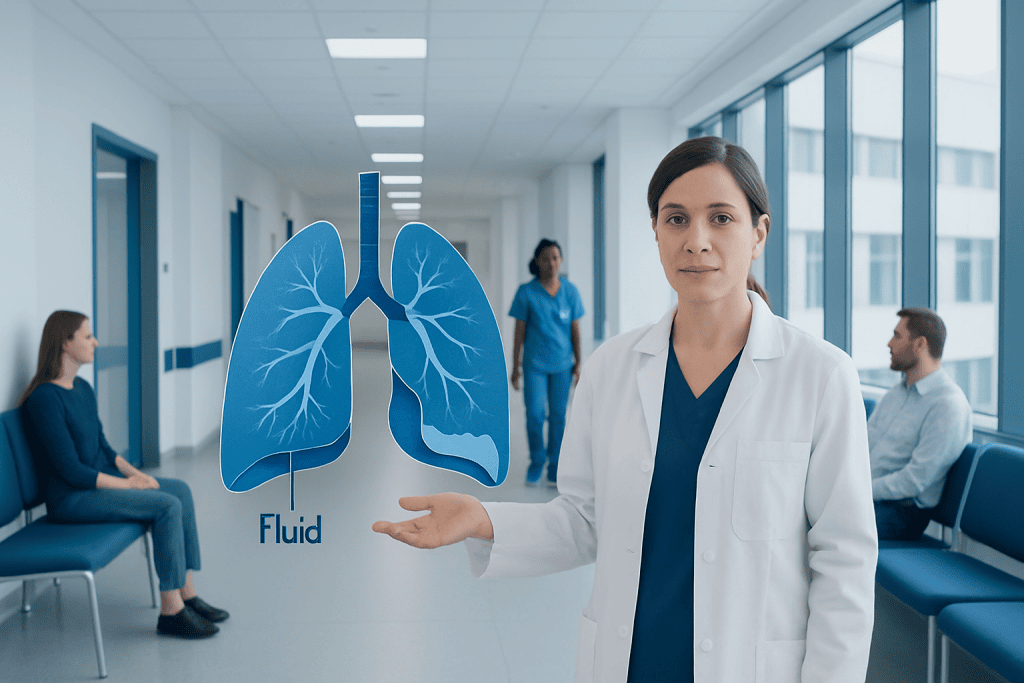
“Fluid in lungs” may mean pulmonary edema or pleural effusion, which are different conditions. Common symptoms include shortness of breath, cough, chest discomfort, and trouble lying flat.
Key Takeaways
- “Fluid in lungs” may mean pulmonary edema or pleural effusion, which are different conditions.
- Common symptoms include shortness of breath, cough, chest discomfort, and trouble lying flat.
- Diagnosis usually involves a physical exam, imaging, and tests to identify the underlying cause.
- Treatment aims both to relieve breathing symptoms and to treat the condition causing the fluid buildup.
- Urgent medical care is important for sudden breathing difficulty, bluish lips, severe chest pain, or confusion.
Fluid in lungs is not a single disease but a description that can refer to fluid inside the lung air sacs or fluid around the lungs. The right treatment depends on the cause, so medical evaluation focuses on whether the problem is related to the heart, infection, inflammation, injury, or another underlying condition.
What does fluid in lungs mean?
Fluid in lungs usually refers to one of two medical problems. The first is pulmonary edema, which means fluid builds up inside the lung tissue and air sacs where oxygen normally passes into the blood. The second is pleural effusion, which means extra fluid collects in the thin space between the lungs and the chest wall.
These conditions can cause similar symptoms, especially shortness of breath, but they are not the same. Pulmonary edema often has a strong link to heart problems, while pleural effusion may develop from infection, inflammation, cancer, liver disease, kidney disease, or other disorders. Because the possible causes are different, a doctor will try to identify exactly where the fluid is and why it has built up.
Patients often use the phrase “water in the lungs” to describe any breathing problem linked to fluid. In everyday language that is understandable, but medically it is important to be more precise. A correct diagnosis helps guide whether treatment should focus on the heart, the lungs, an infection, a chronic disease, or a procedure to remove fluid.
Symptoms and how they may feel
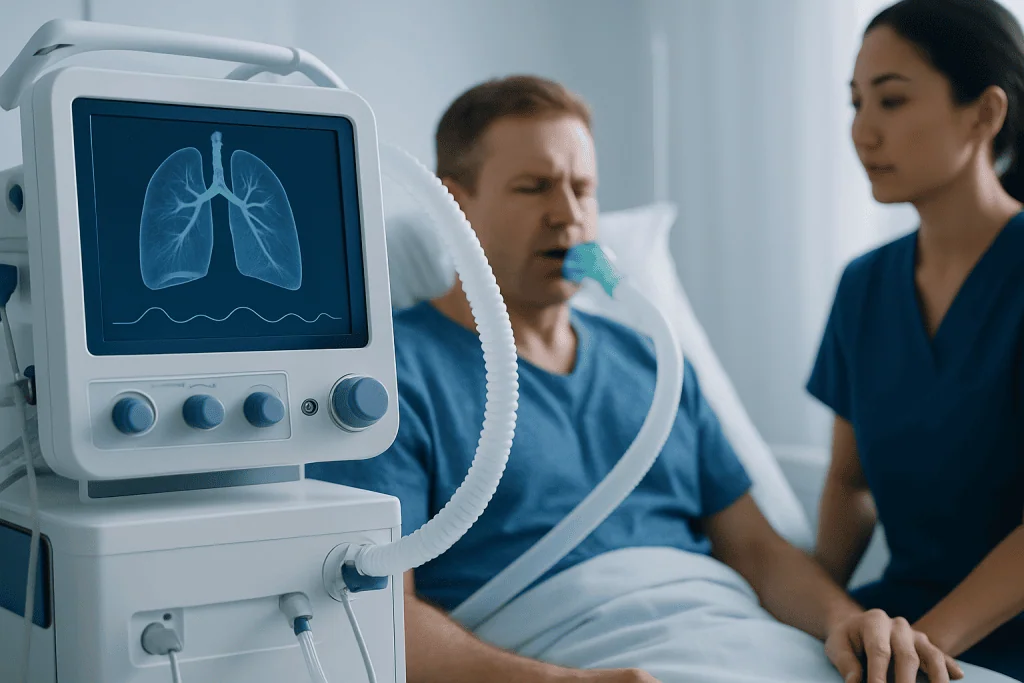
The most common symptom of fluid in lungs is shortness of breath. Some people notice it only with activity at first, while others feel breathless even at rest. Breathing may become more difficult when lying flat, and some patients wake up at night feeling that they cannot get enough air.
Other symptoms depend on the cause and on whether the fluid is inside the lungs or around them. A person may have a cough, fast breathing, chest tightness, fatigue, or reduced exercise tolerance. If there is an infection, fever and chills may also be present. If heart failure is involved, swelling in the legs or rapid weight gain from fluid retention may occur as well.
Symptoms may include:
- Shortness of breath or a feeling of not getting enough air
- Cough, sometimes with frothy sputum in pulmonary edema
- Chest discomfort or pain, especially with deep breathing in pleural effusion
- Wheezing or noisy breathing
- Fatigue, weakness, or reduced stamina
- Difficulty lying flat to sleep
Symptoms can develop suddenly or gradually. A sudden onset is more concerning and may suggest acute pulmonary edema, a blood clot, severe infection, or another urgent problem. A slower onset may be linked to chronic heart, kidney, liver, or inflammatory conditions.
Common causes and risk factors

Fluid in lungs is a sign of an underlying medical issue rather than a diagnosis on its own. In pulmonary edema, the most common cause is the heart not pumping effectively or pressure rising inside the blood vessels of the lungs. This is often related to heart failure, heart valve disease, rhythm problems, or a heart attack. Readers who want background on this major cause may also find heart failure helpful.
Pleural effusion has a broader range of causes. It may develop due to pneumonia and other infections, cancer, pulmonary embolism, kidney disease, liver cirrhosis, autoimmune disease, or after surgery or chest injury. Sometimes inflammation makes the lining of the lung produce extra fluid; in other cases, changes in body fluid balance cause fluid to leak into the pleural space.
Risk factors vary with the underlying condition but often include older age, existing heart disease, high blood pressure, kidney disease, chronic lung disease, smoking, heavy alcohol use, certain cancers, and prolonged immobility. Lung infections such as pneumonia are another important cause of fluid-related breathing symptoms, especially in older adults and people with weaker immune systems.
Less common causes include severe infections affecting the whole body, high-altitude illness, inhalation injury, pancreatitis, certain medications, and complications of major trauma. Even when symptoms seem mild, the cause should not be assumed without an examination and appropriate tests.
How doctors diagnose fluid in lungs
Diagnosis starts with a medical history and physical examination. A doctor will ask when symptoms began, whether they are getting worse, and whether the person has heart disease, recent infection, cancer, kidney or liver disease, chest pain, or leg swelling. Listening to the lungs and heart can provide important clues, but imaging is usually needed to confirm where the fluid is located.
Common tests include a chest X-ray, which can show fluid patterns, and ultrasound, which is especially helpful for pleural effusion. A CT scan may be used when the cause is unclear or when a more detailed view is needed. Blood tests can help look for infection, kidney problems, inflammation, or signs of strain on the heart. Depending on the situation, doctors may also order an ECG or echocardiogram to assess heart function.
If there is fluid around the lungs, the doctor may recommend removing a sample with a needle to analyze it in the laboratory. This procedure can help determine whether the fluid is related to infection, cancer, heart failure, or another cause. When the buildup seems linked to heart disease, evaluation may also include echocardiography to assess the heart’s structure and pumping function.
The goal of diagnosis is not only to confirm that fluid is present, but to understand why it formed. That is what allows treatment to be tailored safely and effectively.
Treatment options and what they aim to do
Treatment depends on the cause, the severity of symptoms, and whether the fluid is inside the lungs or around them. When breathing is significantly affected, the first steps may include oxygen and close monitoring. If the problem is pulmonary edema related to heart failure, medicines that reduce excess body fluid and lower pressure in the lungs are commonly used. The underlying heart condition also needs treatment to prevent the problem from returning.
When the issue is pleural effusion, treatment may focus on the cause or on draining the fluid if it is large or causing breathlessness. Doctors may treat infection with appropriate medication, address kidney or liver disease, manage inflammation, or evaluate for cancer if needed. In some cases, fluid drainage both improves symptoms and helps with diagnosis. A procedure known as thoracentesis may be used to remove pleural fluid.
If pneumonia is responsible, treatment targets the lung infection and any resulting inflammation. If cancer is a concern, the person may need additional imaging, biopsy, and specialist care. Some patients with repeated fluid buildup may need a longer-term strategy, such as repeated drainage, a chest tube, or a procedure to prevent fluid from reaccumulating.
In more complex cases, care may involve specialists in pulmonology, cardiology, infectious diseases, oncology, or internal medicine. For heart-related cases, doctors may also consider broader cardiology care to manage the condition causing pulmonary edema. Near the end of the care pathway, some international patients choose centers such as Acibadem International, where multidisciplinary specialists in JCI-accredited hospitals diagnose and treat conditions linked to fluid in the lungs.
Prevention and self-care after treatment
Prevention focuses on managing the medical problems that lead to fluid buildup. For many people, that means controlling heart disease, blood pressure, kidney disease, or chronic lung disease and taking prescribed medicines as directed. Follow-up visits are important because symptoms may improve before the underlying cause is fully stable.
Healthy lifestyle steps can also support recovery and reduce risk. These include avoiding smoking, limiting alcohol when advised, staying physically active within medical guidance, and maintaining a balanced diet. People with heart failure or kidney disease may be advised to monitor weight and swelling because sudden changes can suggest fluid retention.
After a recent episode, patients should pay attention to early warning signs such as increasing breathlessness, trouble lying flat, swelling of the ankles, fever, or a cough that is getting worse. Self-care is helpful, but it should not replace medical advice when symptoms are progressing. Anyone with recurrent fluid in lungs needs a clear plan for follow-up and for when to seek urgent assessment.
When to seek medical care
Medical review is appropriate whenever a person develops unexplained shortness of breath, a persistent cough, chest discomfort, or reduced ability to carry out normal activity. These symptoms do not always mean fluid in lungs, but they do need proper evaluation, especially if the person has heart disease, a recent infection, cancer, or kidney problems.
Urgent care is needed if breathing difficulty appears suddenly, becomes severe, or is accompanied by bluish lips, fainting, confusion, severe chest pain, or coughing up pink frothy sputum. These symptoms can suggest a serious lack of oxygen or a rapidly worsening underlying condition. It is safer not to wait and see if such symptoms improve on their own.
People who have already been treated for fluid in lungs should contact their doctor promptly if symptoms return or worsen. Early treatment often prevents complications and may reduce the need for emergency care or hospitalization.
Frequently asked questions
Is fluid in lungs the same as fluid around the lungs?
No. Fluid in the lungs often refers to pulmonary edema, where fluid collects in the lung tissue and air sacs. Fluid around the lungs refers to pleural effusion, where fluid builds up in the pleural space between the lung and chest wall.
Can fluid in lungs go away on its own?
Sometimes mild fluid buildup improves when the underlying cause is treated, but it should not be assumed to resolve without evaluation. Because causes range from infection to heart failure, medical assessment is important to decide whether monitoring, medication, or a procedure is needed.
What is the most common cause of fluid in lungs?
One of the most common causes of pulmonary edema is heart failure or another heart problem that raises pressure in the lung blood vessels. For pleural effusion, common causes include infection, heart failure, cancer, and kidney or liver disease.
How do doctors remove fluid from around the lungs?
Doctors may use a procedure called thoracentesis, which removes fluid from the pleural space with a needle. This can ease breathlessness and also provide a sample for testing to help identify the cause.
Is fluid in lungs dangerous?
It can be, especially if it causes low oxygen levels or is linked to a serious condition such as acute heart failure, severe infection, or cancer. The level of risk depends on how much fluid is present, how quickly it developed, and what is causing it.
What symptoms should not be ignored?
Sudden shortness of breath, severe chest pain, bluish lips, confusion, fainting, or coughing up pink frothy sputum should be treated as urgent symptoms. These signs may point to rapidly worsening breathing or a serious underlying illness.
References
- American Lung Association
- National Heart, Lung, and Blood Institute
- Mayo Clinic
- National Health Service
- Merck Manual Consumer Version
This article is for general information only and is not a substitute for professional medical advice. Please consult a qualified doctor about your individual situation.
Explore treatments in Turkey — costs, top hospitals & a free quote
JCI-accredited · board-certified surgeons · reply within 24h
Add us as a Preferred Source to see more of our trusted health content across Google Search, AI Overviews and Discover.
Check your numbers in seconds
BMI, calories, due date, blood pressure and 30+ more clinical calculators — free, instant, doctor-reviewed ranges.

More from the Health Library



Related Specialists

Dr. Bilge Şentürk Çataloğlu
Anesthesiology
Fzt. Merve Güvendi
Physical Medicine & Rehabilitation
Dr. Zühre Esra Kıvanç
Inpatient Clinic Physicians
Dr. Aydın Halefoğlu
Anesthesiology