Focus problems: A Complete Medical Guide for Patients

Focus problems are common and may be short-term or linked to an underlying condition. Sleep deprivation, stress, anxiety, depression, medications, and ADHD are frequent causes.
Key Takeaways
- Focus problems are common and may be short-term or linked to an underlying condition.
- Sleep deprivation, stress, anxiety, depression, medications, and ADHD are frequent causes.
- A medical review may include questions about mood, sleep, lifestyle, medications, and physical health.
- Treatment depends on the cause and may involve sleep support, stress management, therapy, medication changes, or specialist care.
- New confusion, sudden attention changes, weakness, severe headache, or speech trouble need urgent medical assessment.
Focus problems mean persistent difficulty concentrating, organizing thoughts, or staying on task. They can happen temporarily with stress, poor sleep, or illness, but they may also signal an underlying mental, neurological, or medical condition that deserves evaluation.
Overview: what focus problems mean
Focus problems refer to ongoing difficulty paying attention, following through on tasks, filtering distractions, or keeping thoughts organized. Many people notice this as “brain fog,” forgetfulness, mental fatigue, or trouble finishing work, school, or household activities. In many cases, the problem is temporary and improves when the trigger is addressed.
Common short-term causes include poor sleep, stress, pain, dehydration, emotional overload, illness, and medication side effects. In other situations, focus problems may be part of a condition such as anxiety, depression, ADHD, thyroid disease, sleep disorders, menopause-related changes, or certain neurological conditions. The main question is not only whether concentration is reduced, but also how long it has lasted and whether daily life is being affected.
Because attention depends on sleep, mood, memory, energy, and brain function working together, assessment often looks at the whole person rather than one symptom in isolation. A clear pattern can help guide next steps, whether that means lifestyle changes, medical testing, or referral to a specialist.
How focus problems can feel in daily life
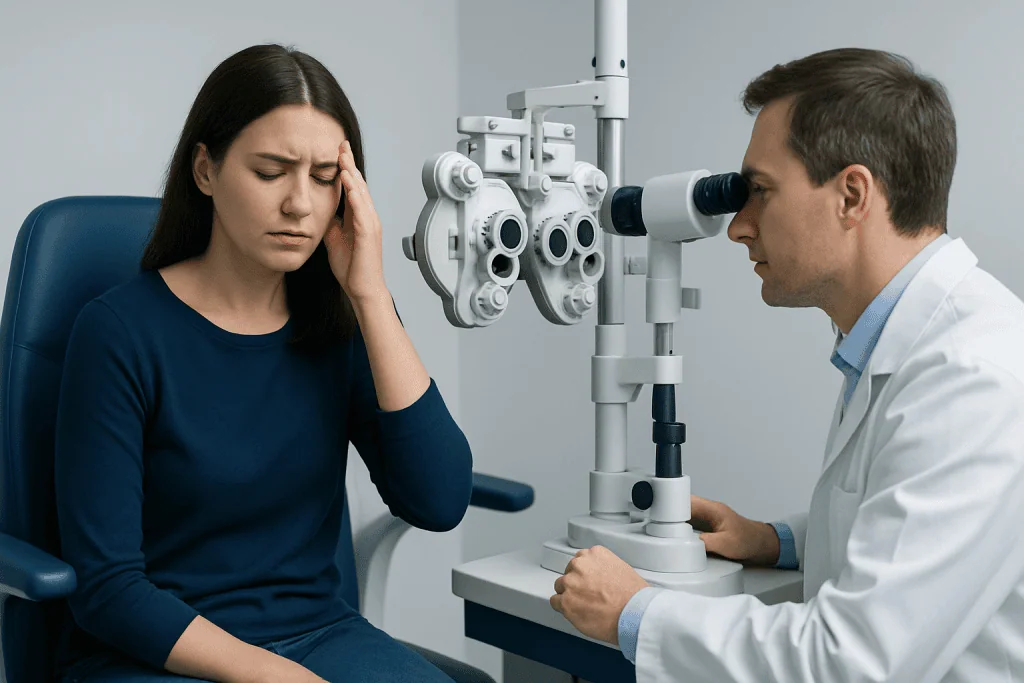
People describe focus problems in different ways. Some find it hard to begin tasks, while others start easily but cannot stay engaged. Many feel mentally slow, easily distracted, or unable to hold several steps in mind at once. This can affect work performance, studying, driving, conversations, and managing appointments or finances.
Focus difficulties are often accompanied by other symptoms that provide clues about the cause. These may include poor memory, restlessness, irritability, low motivation, sleepiness, headaches, anxiety, low mood, or physical tiredness. In children and teenagers, parents or teachers may notice careless mistakes, incomplete work, daydreaming, or trouble following instructions.
Patterns matter. For example, focus problems that worsen during busy periods may point to stress or burnout, while symptoms that are present from childhood may suggest attention-related conditions. Problems that appear suddenly in later life, or along with confusion or personality change, need prompt medical attention.
- Frequently losing track of conversations or instructions
- Taking much longer to complete routine tasks
- Reading the same sentence repeatedly
- Forgetting appointments, names, or recent information
- Feeling mentally “foggy” or easily overwhelmed by noise and multitasking
Common causes and risk factors

Focus problems can develop for many reasons, and more than one factor may be present at the same time. Sleep deprivation is one of the most common causes. Even mild but ongoing sleep loss can reduce attention, reaction time, planning, and memory. Sleep disorders such as insomnia and obstructive sleep apnea may cause daytime concentration problems even when a person believes they sleep enough.
Mental health is another major contributor. Anxiety can make the mind feel overactive and distracted, while depression may slow thinking and reduce motivation. Chronic stress, grief, and burnout can also affect attention. Some people with longstanding concentration issues may have ADHD, which can present as distractibility, disorganization, restlessness, or difficulty sustaining effort.
Physical health should also be considered. Focus problems may be linked to thyroid imbalance, anemia, low vitamin levels, poorly controlled blood sugar, chronic pain, hormone changes, infections, concussion, and medication or alcohol effects. Certain neurological concerns, including sleep-related disorders, migraines, and in some cases memory disorders, may also affect concentration, especially in older adults.
Risk factors include inadequate sleep, high stress, shift work, heavy screen exposure without breaks, substance use, chronic medical conditions, recent illness, and a family history of attention or mood disorders. A careful history helps separate temporary concentration strain from a condition that needs formal treatment.
How doctors assess focus problems
Evaluation usually begins with a detailed conversation. A doctor may ask when the focus problems started, whether they came on suddenly or gradually, how they affect daily life, and whether there are related symptoms such as anxiety, depression, headaches, sleep trouble, memory concerns, or fatigue. Questions about medications, caffeine, alcohol, supplements, and recent life changes are also important.
A physical examination may follow, especially if symptoms are new or accompanied by other changes. Depending on the situation, basic blood tests may be used to check for issues such as anemia, thyroid problems, vitamin deficiencies, inflammation, or blood sugar imbalance. If sleep problems are suspected, a doctor may ask about snoring, pauses in breathing, daytime sleepiness, or unrefreshing sleep.
Sometimes screening questionnaires are used for attention, mood, sleep quality, or memory. If the pattern suggests a neurological or structural cause, imaging or specialist assessment may be recommended through neurology evaluation. Some people benefit from a more detailed review of thinking skills with neuropsychological evaluation, especially when the diagnosis is unclear or when memory and attention issues overlap.
The purpose of assessment is not simply to label the symptom, but to identify treatable causes and understand whether the problem is likely to improve with lifestyle changes, medical treatment, or both.
Treatment options and practical support
Treatment for focus problems depends on the underlying cause. If poor sleep, stress, or overload is the main issue, care often focuses on restoring sleep quality, reducing demands where possible, and using structured routines. When a medication appears to be contributing, a clinician may adjust the treatment plan safely. If anxiety, depression, or ADHD is involved, targeted treatment can significantly improve concentration.
Psychological therapies can be helpful when attention problems are linked to stress, anxiety, low mood, or coping difficulties. For some people, support through psychiatric assessment and care helps clarify whether symptoms are related to a mental health condition and whether therapy or medication may help. Sleep-focused treatment may also be important if snoring, insomnia, or non-restorative sleep are part of the picture.
Daily strategies matter alongside medical care. Breaking tasks into small steps, using written reminders, limiting multitasking, and working in short timed intervals can reduce cognitive strain. Regular meals, hydration, movement, and exposure to daylight may support attention and energy. For those with persistent concentration issues, a doctor may also suggest seeing a sleep specialist through a sleep disorders center if disrupted sleep is a likely driver.
Improvement is often gradual rather than immediate. Many people do better when the plan addresses several contributors at once, such as sleep, stress, mood, and workload, rather than focusing on one factor alone.
Self-care habits that may improve concentration
Simple habits can make a meaningful difference, especially when focus problems are mild or linked to lifestyle strain. The most helpful starting point is often sleep. Keeping a regular sleep schedule, reducing screen exposure before bed, and avoiding excess caffeine late in the day may improve daytime alertness and attention. Balanced meals and enough water can also help prevent dips in energy and mental clarity.
Work and study habits also shape concentration. Many people focus better when they reduce background distractions, silence unnecessary notifications, and set one clear priority at a time. Planned breaks can improve efficiency, particularly during mentally demanding tasks. Gentle exercise, even a daily walk, may support mood, sleep, and cognitive performance.
Stress management is equally important. Breathing exercises, mindfulness, journaling, and realistic scheduling can reduce mental overload. If concentration problems are affecting safety, work, school, or relationships despite these measures, professional evaluation is a sensible next step rather than trying to push through alone.
When to seek medical care
Medical advice is appropriate when focus problems last more than a few weeks, keep returning, or interfere with work, school, relationships, driving, or daily routines. It is also wise to seek care if concentration changes are accompanied by low mood, anxiety, severe fatigue, sleep disruption, memory concerns, headaches, or significant stress that is becoming hard to manage.
Urgent assessment is needed if focus problems appear suddenly or come with confusion, fainting, weakness, numbness, severe headache, vision changes, chest pain, trouble speaking, or major changes in behavior. These symptoms may point to a more serious medical or neurological issue and should not be ignored.
In older adults, new concentration or memory changes should be reviewed promptly, especially if they affect medication use, finances, home safety, or orientation. Children and teenagers should be assessed if school performance changes significantly or if attention problems are causing distress or social difficulties.
For patients who need multidisciplinary support, Acibadem International’s specialists in JCI-accredited hospitals evaluate concentration and attention concerns for international patients, coordinating care across neurology, sleep medicine, psychiatry, and internal medicine when needed.
Frequently asked questions
Are focus problems always a sign of ADHD?
No. ADHD is one possible cause, but focus problems can also happen with sleep deprivation, stress, anxiety, depression, medication effects, hormone changes, and other medical conditions. A proper assessment looks at symptom history, age of onset, and how attention problems affect daily life.
Can poor sleep really cause trouble concentrating?
Yes. Sleep loss can reduce attention, memory, decision-making, and reaction time, even when it seems mild. If a person snores, wakes unrefreshed, or feels sleepy during the day, a sleep disorder may be contributing.
When are focus problems considered serious?
They are more concerning when they begin suddenly, keep getting worse, or interfere with work, school, safety, or daily functioning. Urgent care is needed if they come with confusion, weakness, severe headache, speech problems, or major behavior changes.
Can anxiety or depression affect concentration?
Yes. Anxiety can make thoughts feel crowded and distracting, while depression can slow thinking and reduce motivation. Treating the underlying mood condition often improves concentration as well.
What tests might a doctor order for focus problems?
Testing depends on the person’s symptoms and medical history. A doctor may recommend blood tests, mood or attention screening, sleep assessment, or sometimes neurological evaluation or cognitive testing.
What can help improve focus at home?
Useful steps include regular sleep, hydration, balanced meals, less multitasking, fewer digital distractions, and short planned breaks during demanding tasks. Stress management and regular physical activity may also support concentration.
References
- National Institute of Mental Health
- Centers for Disease Control and Prevention
- American Academy of Neurology
- American Psychiatric Association
- World Health Organization
This article is for general information only and is not a substitute for professional medical advice. Please consult a qualified doctor about your individual situation.
Explore treatments in Turkey — costs, top hospitals & a free quote
JCI-accredited · board-certified surgeons · reply within 24h
Add us as a Preferred Source to see more of our trusted health content across Google Search, AI Overviews and Discover.