Huntington’s Disease: Who May Benefit From Specialist Support Early?

Huntington’s disease is caused by an inherited change in the HTT gene. Symptoms can involve movement, mood, behavior, thinking, and daily functioning.
Key Takeaways
- Huntington’s disease is caused by an inherited change in the HTT gene.
- Symptoms can involve movement, mood, behavior, thinking, and daily functioning.
- Early care from a multidisciplinary team may help with symptom control, planning, and family support.
- Genetic counseling is important before and after predictive genetic testing.
- Treatment does not cure the disease, but medicines, rehabilitation, and supportive care can help.
- Family members may also benefit from education, counseling, and long-term care planning.
Huntington’s disease is an inherited neurodegenerative condition that affects movement, thinking, and mental health over time. Early specialist support may help people and families understand symptoms, plan care, and access therapies that improve daily function and quality of life.
Overview
Huntington’s disease is a progressive disorder of the brain that affects how a person moves, thinks, and feels. It is caused by an inherited change in a gene called HTT. Over time, nerve cells in certain parts of the brain become damaged, leading to symptoms that can interfere with work, relationships, communication, and independent daily life.
The condition often begins in adulthood, but the age of onset can vary. Some people first notice subtle changes in coordination, concentration, mood, or behavior before more obvious movement symptoms appear. Others may develop involuntary movements, known as chorea, earlier in the course of illness. Because symptoms may start gradually, they are sometimes mistaken for stress, depression, or another neurological condition.
Specialist support early in the disease course can be valuable even when symptoms are mild. A neurologist, genetic counselor, psychiatrist, psychologist, speech therapist, physiotherapist, occupational therapist, and nutrition professional may all play a role. This team-based approach can help clarify the diagnosis, guide treatment, and support both the individual and the family as needs change over time.
Symptoms of Huntington’s Disease
Symptoms of Huntington’s disease usually develop slowly and can affect several parts of health at the same time. Movement symptoms may include fidgeting, jerky or dance-like involuntary movements, poor balance, clumsiness, changes in walking, muscle stiffness, or difficulty with speech and swallowing. In some people, slowed movement and rigidity may be more noticeable than chorea.
Cognitive symptoms are also common. A person may have trouble organizing tasks, planning ahead, focusing attention, learning new information, or making decisions. These changes can affect performance at work, driving, managing finances, and handling everyday routines. Family members sometimes notice these shifts before the person recognizes them.
Emotional and behavioral symptoms can be just as important as physical changes. Depression, irritability, anxiety, apathy, impulsive behavior, sleep problems, and social withdrawal may occur. Not everyone experiences the same pattern of symptoms, and the severity can vary widely.
- Involuntary movements or unsteadiness
- Changes in mood, personality, or behavior
- Problems with concentration, memory, or planning
- Speech or swallowing difficulties
- Weight loss or reduced ability to manage daily tasks
Because Huntington’s disease can affect many aspects of life, symptom monitoring is an important part of care. Early recognition may allow supportive therapies to begin sooner and may reduce avoidable complications such as falls, malnutrition, or medication side effects.
Causes and Risk Factors

Huntington’s disease is caused by a change in the HTT gene. It follows an autosomal dominant inheritance pattern. This means a child of a parent with Huntington’s disease has a 50% chance of inheriting the altered gene. A person who inherits the gene change will usually develop the disease at some point in life, although the age symptoms begin can differ.
The condition is linked to an expanded CAG repeat in the HTT gene. In general, larger repeat expansions are associated with earlier onset, but they do not predict the exact course for an individual. Family history is the strongest risk factor, though in some cases a person may not know the diagnosis is present in relatives.
There are no lifestyle choices known to cause Huntington’s disease, and it is not contagious. However, other health issues can affect how well a person copes with symptoms. Poor nutrition, lack of physical activity, untreated depression, sleep problems, alcohol misuse, and social isolation may worsen day-to-day function.
People with a family history may benefit from early counseling even before symptoms begin. Genetic counseling can help them understand inheritance, testing options, family planning, emotional impact, and privacy issues related to predictive testing.
Who May Benefit From Specialist Support Early?
Early specialist support may help several groups of people. Those who have mild symptoms such as subtle movement changes, mood shifts, or difficulty with concentration can benefit from assessment and follow-up. A specialist can determine whether symptoms fit Huntington’s disease, another movement disorder, or a different medical or mental health condition.
People with a strong family history may also benefit, especially if they are considering predictive genetic testing or family planning. Genetic counseling is an important part of this process. It helps a person think through the possible emotional, practical, and social effects of learning their genetic status before deciding whether to proceed.
Family members and caregivers often need support early as well. They may have questions about what symptoms to watch for, how to communicate effectively, and how to plan for work, finances, and future care needs. Early education can reduce uncertainty and make everyday challenges easier to manage.
Specialist input may be especially helpful when there are concerns about mood symptoms, falls, swallowing, weight loss, sleep changes, or safety at home. In many cases, early referral to neurology care, rehabilitation, mental health services, or speech and swallowing support can improve function and help preserve independence for longer.
Diagnosis
Diagnosing Huntington’s disease usually begins with a detailed medical history and neurological examination. The doctor will ask about symptoms, when they began, how they have changed, and whether there is a family history of the condition. They will also assess movement, balance, reflexes, speech, thinking skills, and emotional health.
Genetic testing can confirm the diagnosis in a person who has symptoms suggestive of Huntington’s disease. Testing may also be offered to adults with a family history who do not have symptoms but want to know whether they carry the gene change. Predictive testing should be done with genetic counseling before and after the test, because the result can have major emotional and personal implications.
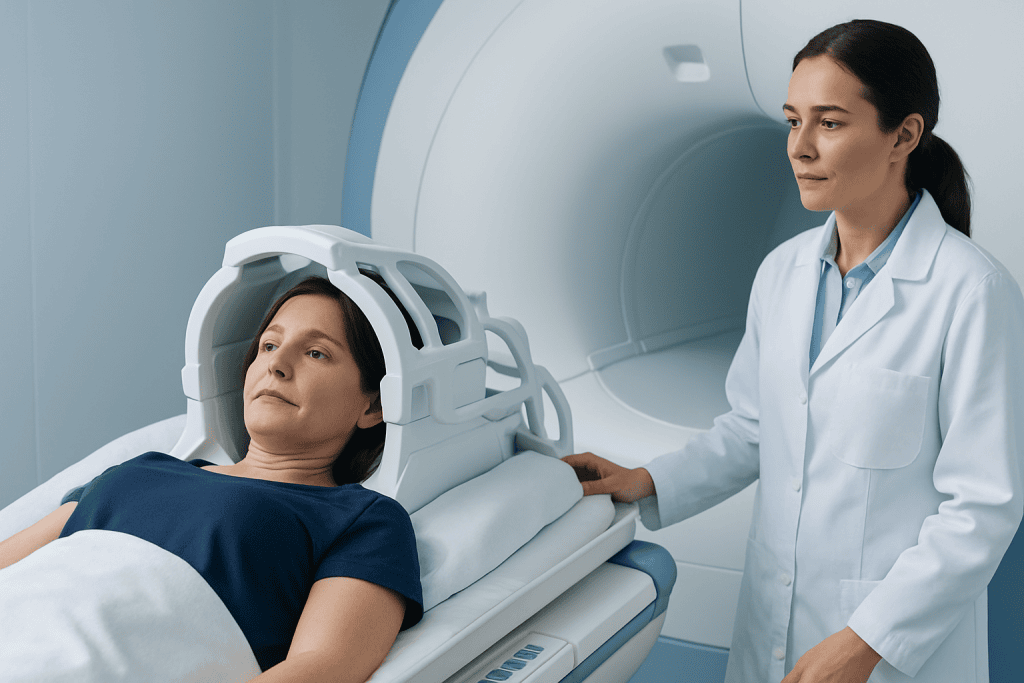
Brain imaging such as MRI or CT does not diagnose Huntington’s disease by itself, but it may help rule out other causes of symptoms. Additional assessments may include neuropsychological testing, psychiatric evaluation, swallowing assessment, and nutritional review. These can help build a clearer picture of the person’s strengths, needs, and treatment priorities.
Careful diagnosis matters because some symptoms may overlap with Parkinson’s disease, depression, medication side effects, or other neurological problems. A structured assessment by experienced clinicians can support more accurate diagnosis and tailored care planning.
Treatment Options
There is currently no cure that stops or reverses Huntington’s disease, but treatment can help manage symptoms and support quality of life. Care is individualized and often changes over time. Medicines may be used to reduce chorea, treat depression or anxiety, improve sleep, or address irritability and behavioral symptoms. Because some drugs can cause sedation or worsen balance or mood in certain people, regular review is important.
Rehabilitation is a key part of treatment. Physiotherapy can help with balance, strength, walking, and fall prevention. Occupational therapy may suggest practical ways to make daily tasks easier and safer at home or work. Speech and language therapy can support communication and swallowing, which may become harder as the disease progresses. When needed, a person may be referred for physical therapy and rehabilitation as part of a broader care plan.
Nutritional support is also important, since some people lose weight despite eating well. A dietitian can suggest strategies to maintain calorie intake, choose foods that are easier to chew or swallow, and reduce mealtime stress. Mental health care should not be overlooked; counseling, psychiatric treatment, and family support can be valuable throughout the disease course.
In some situations, coordinated care through neurosurgery and neurology services may be relevant when specialists are evaluating complex neurological symptoms, although most treatment for Huntington’s disease is supportive rather than surgical. The main goal is to maintain comfort, safety, function, and dignity while adapting care to changing needs.
Prevention and Self-care
Huntington’s disease itself cannot be prevented in someone who has inherited the gene change, but proactive self-care may help support general health and day-to-day function. Regular medical follow-up, physical activity suited to the person’s abilities, a balanced high-energy diet when needed, good sleep habits, and attention to mental health can all make a meaningful difference.
Home safety is another important area. Removing fall hazards, using supportive footwear, improving lighting, and considering handrails or mobility aids may reduce injury risk. Structured routines, written reminders, and simplified tasks can help with cognitive changes. It may also be helpful to review driving safety and work demands early, before urgent decisions are required.
Communication and emotional support matter for both the person and the family. Joining a support group, talking with a counselor, and discussing future preferences early can reduce stress later. Advance care planning does not mean giving up hope; rather, it allows the person’s wishes to guide future care.
Near the end of the care pathway, some international patients seek evaluation in centers that bring together multiple specialties. Acibadem International’s multidisciplinary specialists and JCI-accredited hospitals diagnose and treat Huntington’s disease and related neurological conditions for international patients when specialist assessment is needed.
When to See a Doctor
A doctor should evaluate persistent movement changes, repeated falls, unexplained mood or personality changes, problems with concentration, or trouble with speech and swallowing. Even mild symptoms deserve attention if they are affecting work, family life, safety, or independence. Early assessment can help identify the cause and connect the person with appropriate support.
Anyone with a known family history of Huntington’s disease may wish to speak with a doctor or genetic counselor before symptoms begin, especially when considering genetic testing or pregnancy planning. Professional guidance can help a person make informed choices at their own pace.
Urgent medical attention is important if there are signs of severe depression, suicidal thoughts, choking, dehydration, sudden inability to cope at home, or injuries related to falls. Caregivers should also seek help if behavioral symptoms become difficult to manage or if they feel overwhelmed.
Prompt referral to appropriate specialists may improve symptom control and reduce complications. With the right support, many people can continue participating in meaningful daily activities while planning ahead for future needs.
Frequently asked questions
What is Huntington’s disease?
Huntington’s disease is an inherited disorder that gradually affects brain function. It can cause problems with movement, thinking, behavior, and emotional health over time. Symptoms and progression vary from person to person.
Who should consider early specialist support for Huntington’s disease?
People with early symptoms, a strong family history, or concerns about genetic testing may benefit from specialist support. Families and caregivers may also need guidance early, especially when planning for work, safety, and future care. Early support can help organize treatment and reduce uncertainty.
Can Huntington’s disease be diagnosed before symptoms appear?
Yes. Predictive genetic testing can show whether a person has inherited the gene change associated with Huntington’s disease before symptoms begin. Because the result can have major emotional and practical effects, testing is usually offered with careful genetic counseling.
Is there a cure for Huntington’s disease?
There is currently no cure that stops or reverses Huntington’s disease. However, treatment can help manage symptoms such as involuntary movements, mood changes, sleep problems, and swallowing difficulty. Rehabilitation and supportive care are also important.
How does Huntington’s disease affect mental health?
It can affect mood, behavior, and personality as well as movement and thinking. Depression, irritability, anxiety, apathy, and impulsive behavior may occur. Mental health support is an important part of overall care.
Can people with Huntington’s disease live independently?
Many people can remain independent for a period of time, especially early in the disease. Independence often becomes more challenging as symptoms progress, but therapies, home adjustments, and caregiver support can help maintain function and safety for longer.
References
- National Institute of Neurological Disorders and Stroke
- NHS
- MedlinePlus
- Genetics Home Reference
- Huntington's Disease Society of America
This article is for general information only and is not a substitute for professional medical advice. Please consult a qualified doctor about your individual situation.
Explore treatments in Turkey — costs, top hospitals & a free quote
JCI-accredited · board-certified surgeons · reply within 24h
Add us as a Preferred Source to see more of our trusted health content across Google Search, AI Overviews and Discover.