

After Sedation or Anesthesia in Turkey: When You Need Someone With You
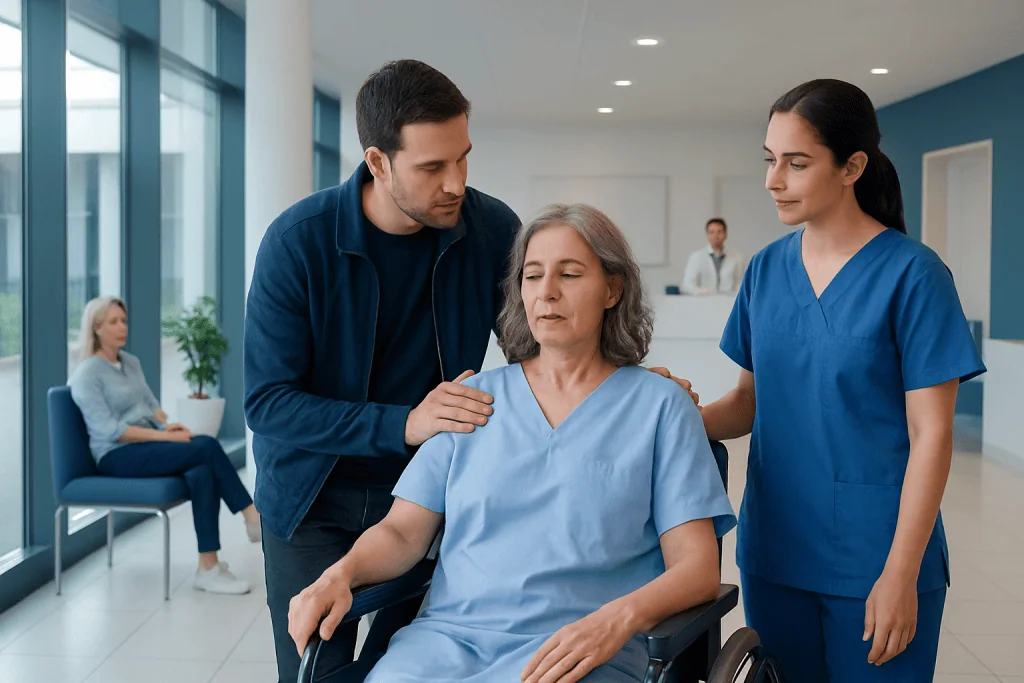
Plan to have a responsible adult with you. After sedation or general anesthesia, most hospitals will only discharge you with an escort, and a trusted adult should usually stay with you for the first 24 hours. Arrange transport in advance instead of taking public transport alone or driving, and confirm your hospital's exact discharge rules before you travel.
Who will get you back to your hotel after your procedure, and who will be there that first night? It is one of the easiest things to overlook when you are booking flights and comparing dates, and one of the first things the hospital will ask you about.
If you are having a procedure in Turkey with sedation or anesthesia, plan for someone to stay with you afterward. This guide explains when you need an escort, what that person should do, and how to prepare for a smooth first 24 hours.
At a glance
- Best for: Patients having a procedure with sedation or anesthesia in Turkey
- Main rule: Do not plan to be alone right after discharge unless your care team clearly says it is safe
- Typical support window: A responsible adult should usually stay with you for the first 24 hours
- Transport home: Use arranged transport, not public transport alone or self-driving
- Good to arrange: Escort, hotel support, medications, light food, translation help
- Ask before discharge: Whom to call, warning signs, medicines, eating, showering, and travel timing
Why you may need someone with you after sedation or anesthesia
After sedation or anesthesia, you may look awake before you are fully back to normal. Your judgment, balance, reaction time, memory, and coordination can stay affected for several hours, and sometimes longer depending on the medicine used, your age, the type of procedure, and how your body responds.
This is why many hospitals ask for a responsible adult to accompany you home and stay with you afterward. The goal is practical safety: someone to help you walk, remember discharge instructions, collect medications, notice unexpected symptoms, and contact the hospital if something does not seem right.
If you are traveling for care, this matters even more. You may be recovering in an unfamiliar city, in a hotel rather than at home, and managing language or transport arrangements at the same time. A companion can make the first evening much calmer and easier.
What counts as a responsible adult companion
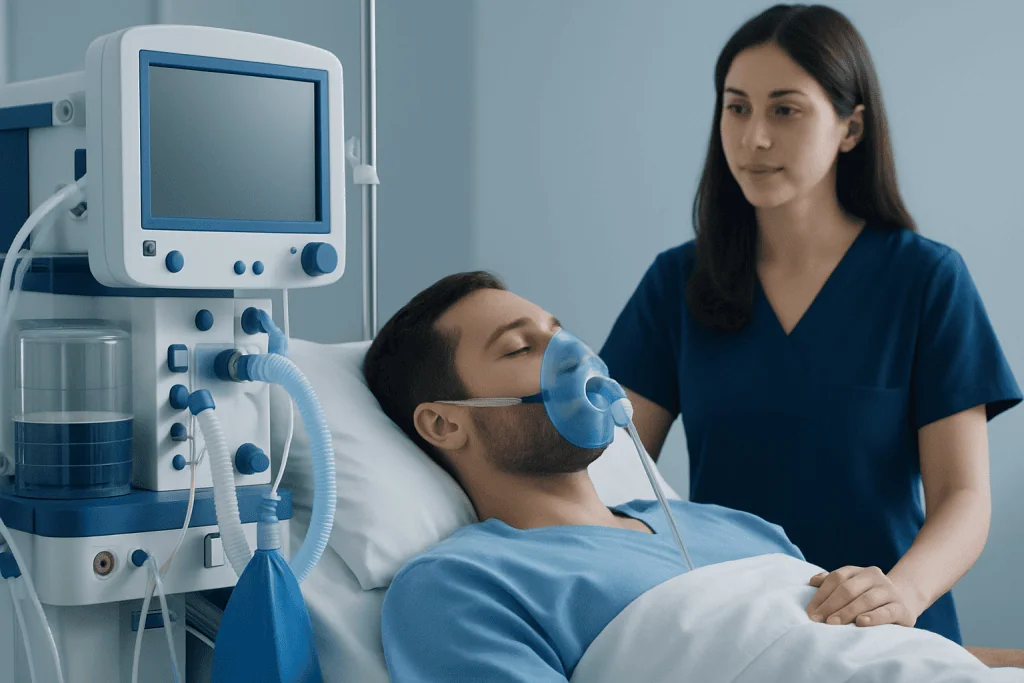
A suitable companion is usually an adult who can stay reachable, understand the discharge plan, help you move around safely, and respond if you become dizzy, confused, weak, or nauseated. This person does not need medical training, but they should be attentive, calm, and able to seek help if needed.
Ideally, your companion should escort you from the hospital to your hotel or residence, help you settle in, and remain with you during the first night if your care team advises it. They should also know your hospital name, your procedure date, your medication instructions, and the emergency contact number given at discharge.
If you are coming to Turkey alone, tell your international patient coordinator early. At Acibadem International, patient services teams can explain the hospital’s discharge expectations, help with interpreter support, and guide practical arrangements such as hospital transfer and accommodation planning so you are not trying to solve everything on the day of your procedure.
When you are most likely to need an escort

You are especially likely to need someone with you if you had general anesthesia, intravenous sedation, day surgery, endoscopy with sedation, or any procedure after which you were told not to drive, sign important documents, or stay alone. Even lighter sedation can temporarily affect your concentration and balance.
Some patients need closer support because of age, reduced mobility, sleep apnea, chronic illness, previous reactions to anesthesia, or because they are taking medicines that cause drowsiness. If you are anxious, easily nauseated, or staying in a hotel without family, it is sensible to plan more support rather than less.
Your care team may also advise a companion if your procedure involved pain medicine, drains, dressings, compression garments, or mobility restrictions. In these situations, extra hands are useful not only for safety but also for simple tasks such as getting to the bathroom, managing stairs, ordering food, or picking up pharmacy items.
- General anesthesia almost always requires an escort home
- Sedation often requires supervision for the first several hours or overnight
- Same-day discharge usually means you should not be alone immediately afterward
- Long-distance travel on the same day may not be recommended
What your companion should do in the first 24 hours
Your companion’s job is mostly to observe and assist. They should help you get to your room safely, make sure you drink fluids as instructed, help you eat light food if allowed, remind you about medications, and encourage rest. If you feel sleepy, they should make sure you can be woken normally and are comfortable.
They should also watch for warning signs listed on your discharge papers. These can include worsening pain not controlled by medication, repeated vomiting, breathing trouble, fainting, heavy bleeding, chest pain, confusion, fever, or anything that seems significantly worse rather than gradually better. If any of these happen, they should contact the hospital promptly or seek urgent help.
It also helps if your companion handles the practical details you may not feel up to managing yourself. That may mean speaking with reception, arranging food delivery, organizing transport for your follow-up visit, or listening carefully during a phone call with the hospital. At Acibadem International, interpreters and international patient support can reduce stress, but having one trusted person physically with you is still very helpful.
If you are traveling to Turkey alone
Many international patients prefer to travel independently, but procedures involving sedation or anesthesia are not the best time to improvise. Before you book, ask clearly: will the hospital discharge you only if an adult accompanies you, and for how long should someone stay with you? Policies can vary by procedure and by your medical situation.
If a friend or family member cannot join you, discuss alternatives as early as possible with your provider. Depending on your circumstances, you may be advised to extend your hospital stay, arrange a nurse or caregiver through appropriate channels, or choose accommodation where support is easier to access. Do not assume a taxi driver or hotel receptionist can act as your discharge escort unless the hospital explicitly accepts that arrangement.
Acibadem International commonly supports overseas patients with the logistics around treatment, including hospital transfers, accommodation coordination, and communication in your language. That support can make solo travel more manageable, but it is still important to understand whether your particular recovery plan requires a dedicated companion at bedside or in your room overnight.
Practical rules for the first day after anesthesia or sedation
For the first 24 hours, think simple and cautious. Rest, hydrate if permitted, eat light meals, and move carefully. Do not drive, ride a motorbike, cycle, operate machinery, drink alcohol, make important legal or financial decisions, or take sleeping tablets unless your doctor specifically says they are safe with your recovery medicines.
Keep your phone charged, your discharge papers nearby, and your medications easy to reach. Wear stable shoes if you need to walk. If your hotel room has stairs, a slippery bathroom, or a low bed, ask for practical adjustments in advance where possible.
Before discharge, make sure you understand your next steps: when to take pain relief, when to restart usual medicines, when you can shower, when dressings should be changed, when you can fly or travel longer distances, and what symptoms mean you should call the hospital. If anything is unclear, ask again. It is very common to forget details after sedation, which is another reason a companion is so useful.
Step by step
- 1. Ask about escort rules before you travel. As soon as your procedure is being planned, ask whether you must have a responsible adult with you after discharge and for how long. Get the answer in writing if possible, especially if you are traveling from abroad and arranging flights, hotels, and transfers.
- 2. Choose your companion and brief them. Pick someone reliable who can stay calm, listen to instructions, and remain with you during the key recovery period. Share your appointment details, hospital location, expected discharge time, and emergency contact numbers with them in advance.
- 3. Plan your journey from hospital to hotel. Do not assume you will feel well enough to manage public transport, luggage, or stairs right after your procedure. Arrange a smooth transfer and make sure your companion knows exactly where you are staying and how to get help if you feel unwell on the way.
- 4. Prepare your room before the procedure. Set up water, light snacks if allowed, medications, phone charger, tissues, and comfortable clothing before you leave for the hospital. A simple, ready room reduces effort when you return sleepy or unsteady.
- 5. Listen to discharge instructions together. Ask your companion to be present when the nurse or doctor explains the aftercare plan. Two people hearing the instructions is safer than one, especially because sedation can affect memory and concentration.
- 6. Keep the first 24 hours quiet. Once you are back, focus on rest and basic needs only. Avoid sightseeing, shopping, work calls, or travel changes unless your medical team specifically says you are fit for them.
- 7. Know when to call for help. Before the procedure, save the hospital contact number and ask what symptoms should trigger an urgent call. If you have trouble breathing, significant bleeding, severe confusion, fainting, or rapidly worsening pain, seek help without delay.
Your checklist
- Confirm whether you need an adult escort for discharge
- Arrange for someone to stay with you for the first 24 hours if advised
- Book simple, nearby accommodation with easy bathroom access
- Organize hospital-to-hotel transport in advance
- Keep discharge papers, passport, phone, and charger together
- Buy any prescribed medicines before returning to your room if possible
- Stock water and light food approved by your care team
- Save emergency and hospital contact numbers in your phone
- Avoid driving, alcohol, and important decisions for 24 hours
- Plan follow-up timing before you leave the hospital
Key takeaways
- After sedation or anesthesia, you may need a responsible adult with you for safety, transport, and support
- General anesthesia and same-day procedures commonly require an escort and supervision afterward
- Your companion should know your discharge instructions, medications, and warning signs
- If you are traveling to Turkey alone, clarify discharge rules early and arrange support before you arrive
- For the first 24 hours, rest and avoid driving, alcohol, risky activities, and major decisions
Frequently asked questions
Do I always need someone with me after sedation or anesthesia in Turkey?
Not always, but very often. The answer depends on the type of anesthesia, the procedure, your health, and the hospital's discharge policy. If you had general anesthesia or sedation for a day procedure, you should expect that an escort may be required.
How long should someone stay with me after my procedure?
A common recommendation is for a responsible adult to stay with you for the first 24 hours. In some situations, only the journey home and the first several hours are essential, while in others an overnight stay is strongly advised. Follow the exact instructions given by your care team.
Can I take a taxi back to my hotel alone?
Usually this is not the best plan after sedation or anesthesia. You may feel sleepy, nauseated, dizzy, or forgetful, and you may need help getting in, out, and settled safely. If possible, travel with a companion or use pre-arranged support approved by the hospital.
What if I am traveling to Istanbul or Turkey on my own for treatment?
Tell the hospital or international patient team well before your trip. Ask whether your procedure requires a dedicated escort and discuss practical alternatives if you do not have a companion. Acibadem International can help explain logistics, interpreter options, and discharge planning, but you should still clarify the level of person-to-person support required for your specific case.
Can my companion be a friend instead of a family member?
Yes, in many cases a friend is perfectly suitable as long as they are a responsible adult who can stay with you, understand instructions, and seek help if needed. What matters most is reliability and availability during the recovery period, not the relationship itself.
What should I not do in the first 24 hours after anesthesia?
Do not drive, drink alcohol, operate machinery, travel alone if you feel unsteady, or make important legal or financial decisions. Also avoid taking extra sedating medicines unless your doctor says they are appropriate with your treatment and recovery plan.
What symptoms mean I should call the hospital after discharge?
Call if you have trouble breathing, heavy bleeding, chest pain, repeated vomiting, fainting, severe confusion, fever, or pain that is getting worse rather than improving. Your discharge papers should list procedure-specific warning signs as well, so keep them close and review them with your companion.
Add us as a Preferred Source to see more of our trusted health content across Google Search, AI Overviews and Discover.

Update history
- PublishedAugust 21, 2026
- Medical review approvedAugust 25, 2026
- Last content updateAugust 24, 2026
References2
- Anesthesia - MedlinePlus — medlineplus.gov
- Anaesthesia - NHS — nhs.uk
More Patient Guides

Aftercare Abroad: How to Prepare for Recovery Once You Return Home
Aftercare abroad planning helps you return home safely with clear follow-up, medication, travel and support arrangements after treatment in Turkey.
8 min read
How to Prepare Your Home for Recovery Before Leaving Turkey
Prepare your home for recovery before leaving Turkey with practical planning for mobility, medicines, support and follow-up after treatment.
8 min read
When Recovery Does Not Go as Planned in Turkey: Signs You Should Contact Your Care Team
Recovery problems in Turkey can include new pain, fever, bleeding, or breathing changes. Contact your care team promptly for safe aftercare advice.
9 min read
When Is It Safe to Resume Exercise After Treatment in Turkey?
Resume exercise after treatment in Turkey only when your surgeon or care team clears you. Start gently, watch for warning signs, and…
8 min read