Obsessive-Compulsive Symptoms After Brain Injury: When Neuropsychiatry Can Help

Repetitive thoughts, checking, cleaning, counting, or rigid routines may appear after brain injury. These symptoms are not always classic OCD; they may overlap with anxiety, impulsivity, frontal lobe changes, or cognitive problems.
Key Takeaways
- Repetitive thoughts, checking, cleaning, counting, or rigid routines may appear after brain injury.
- These symptoms are not always classic OCD; they may overlap with anxiety, impulsivity, frontal lobe changes, or cognitive problems.
- A neuropsychiatric evaluation looks at brain health, mood, behavior, memory, attention, and daily functioning together.
- Treatment may include medication, psychotherapy adapted to cognitive needs, rehabilitation, and family support.
- Early assessment is helpful when symptoms interfere with recovery, relationships, safety, or independence.
Obsessive-compulsive symptoms can sometimes develop after a brain injury, including traumatic brain injury or stroke. Neuropsychiatry can help identify whether these changes are related to brain function, emotional health, or both, and guide a tailored treatment plan.
Overview
Obsessive-compulsive symptoms after brain injury refer to repetitive thoughts, urges, or behaviors that begin or become more noticeable after damage to the brain. A person may feel driven to check doors repeatedly, wash hands excessively, arrange objects in a very fixed way, repeat questions, or become distressed when routines change. These symptoms can emerge after a traumatic brain injury, stroke, brain infection, brain surgery, or other neurological conditions.
Not every repetitive behavior after a brain injury means obsessive-compulsive disorder (OCD). Some behaviors are related to anxiety, poor memory, slowed thinking, reduced mental flexibility, or changes in judgment and impulse control. For example, someone may check the stove many times because they truly cannot remember whether it was turned off, rather than because of a classic obsession. This is one reason a careful assessment is important.
Neuropsychiatry focuses on symptoms that sit at the intersection of brain function and mental health. In this setting, specialists consider how injury to certain brain networks may affect emotions, habits, attention, and self-control. A neuropsychiatric approach can help distinguish OCD-like symptoms from other post-injury behavioral changes and support treatment that fits the person’s neurological and psychological needs.
Symptoms and How They May Present
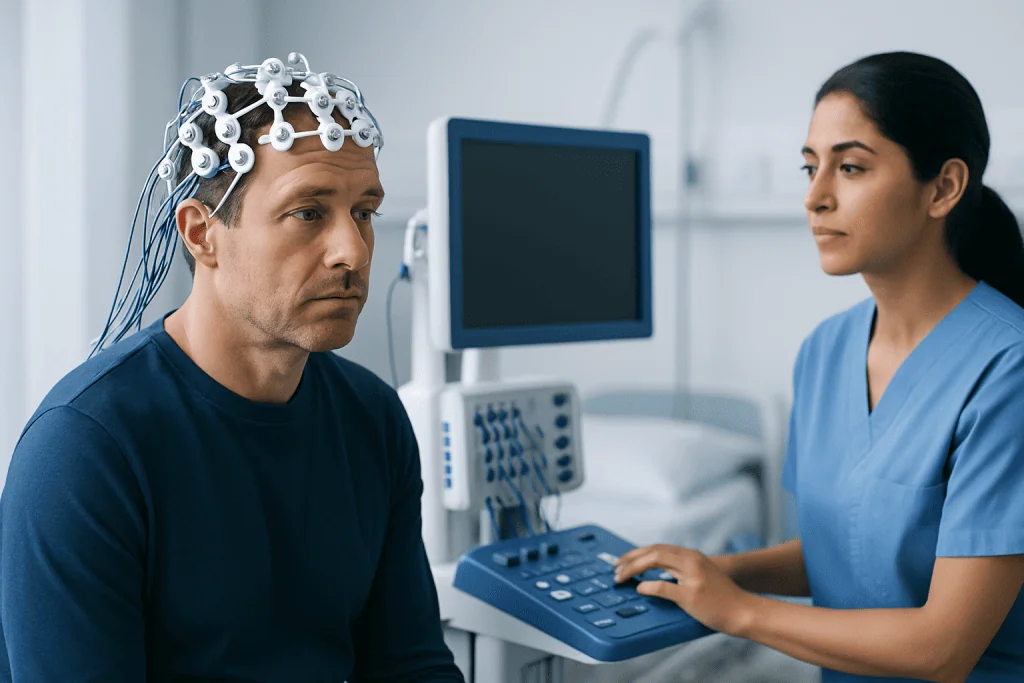
Symptoms vary from person to person. Some people experience intrusive, unwanted thoughts, such as fears about contamination, safety, mistakes, or harm. Others mainly show repetitive actions, including checking, washing, counting, touching, asking for reassurance, or following strict routines. Family members may first notice increased slowness, indecision, irritability when rituals are interrupted, or unusual preoccupation with order and control.
After a brain injury, these symptoms may look different from OCD that began earlier in life. A person may have limited insight into the behavior, or may struggle to explain why they feel compelled to repeat it. Cognitive changes can also shape the picture. Memory problems may lead to repeated checking, while attention difficulties can make it hard to complete a task without starting over. Reduced flexibility may cause a strong need for sameness.
Common features can include:
- Repeated checking of locks, appliances, or personal belongings
- Excessive cleaning, washing, or concern about contamination
- Counting, arranging, or ordering objects in a fixed pattern
- Repeating questions, phrases, or daily routines
- Strong distress when plans change or objects are moved
- Intrusive thoughts that feel upsetting or difficult to control
- Time-consuming rituals that interfere with work, therapy, sleep, or relationships
Because symptoms can overlap with depression, generalized anxiety, post-traumatic stress, or stroke-related neurological changes, evaluation should look beyond the behavior itself. The goal is to understand what is driving the symptom and how much it affects daily life.
Causes and Risk Factors
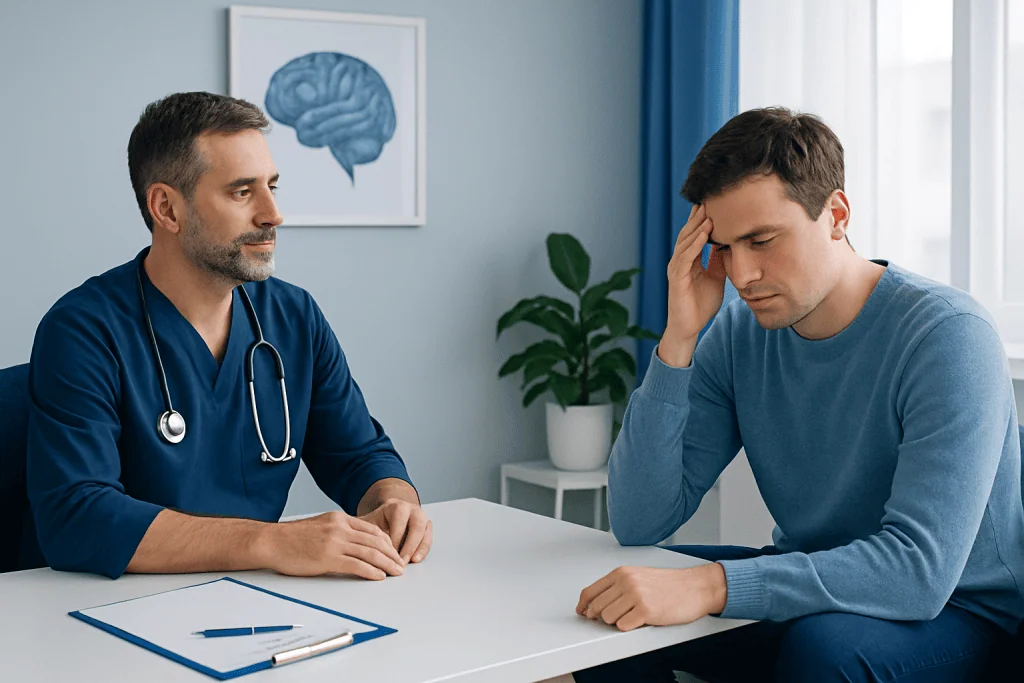
Obsessive-compulsive symptoms after brain injury are thought to involve disruption of brain circuits that help regulate habits, decision-making, emotional control, and error detection. These networks include parts of the frontal lobes, basal ganglia, and their connections. Injury does not affect every person in the same way, and symptoms may depend on the location and severity of damage, previous mental health history, and the stress of recovery.
Traumatic brain injury is one possible cause, especially when it affects frontal or subcortical regions involved in self-monitoring and behavioral control. Similar symptoms may also be seen after stroke, encephalitis, tumors, neurosurgery, or neurodegenerative disease. In some cases, the injury may not directly cause OCD-like symptoms but may make an underlying vulnerability more noticeable.
Risk factors may include:
- Injury involving frontal-striatal brain networks
- Moderate to severe traumatic brain injury
- History of anxiety, OCD, depression, or other psychiatric conditions
- High stress during rehabilitation or major life changes after injury
- Cognitive problems such as poor memory, slowed processing, or reduced flexibility
- Sleep problems, pain, and fatigue, which can worsen repetitive behaviors
It is also important to remember that repetitive behaviors can sometimes reflect other conditions, including seizures, medication effects, delirium, or behavioral changes linked to Parkinson’s disease and related disorders. A broad medical view helps avoid missing treatable causes.
How Neuropsychiatric Diagnosis Works
Diagnosis starts with a detailed clinical history. The doctor will ask when symptoms began, how they changed after the injury, whether there were similar traits before the injury, and how the behavior affects daily functioning. Information from family or caregivers is often very helpful, especially if the person has memory, attention, or insight difficulties.
A neuropsychiatric assessment typically looks at mood, anxiety, thought patterns, impulse control, sleep, pain, medications, and cognitive function. The clinician may ask whether repetitive behaviors are driven by fear, uncertainty, forgetfulness, or a need for sameness. They may also screen for depression, post-traumatic stress, apathy, mania, psychosis, or substance use, because these can change behavior in important ways.
Further evaluation may include neurological examination, brain imaging, and formal cognitive testing. Neuropsychological assessment can help clarify problems with memory, executive function, and attention that may mimic or worsen compulsive symptoms. In some patients, doctors may also review prior scans, rehabilitation records, or EEG results if seizures are a concern.
The main aim is not simply to label the symptom but to understand its cause. This makes it easier to decide whether treatment should focus on OCD-based therapy, medication adjustment, cognitive rehabilitation, anxiety management, or a combination of approaches.
Treatment Options
Treatment depends on the symptom pattern, the type of brain injury, and the person’s overall recovery needs. Many people benefit from a combination of approaches rather than one single treatment. A neuropsychiatrist may work closely with neurology, psychology, rehabilitation medicine, and occupational therapy to create a practical plan.
Medication may be considered when symptoms are frequent, distressing, or disruptive. Doctors may use medicines commonly prescribed for OCD or anxiety, while also watching closely for side effects such as sleepiness, agitation, or effects on cognition. If a current medication appears to worsen restlessness, impulsivity, or repetitive behaviors, adjustment may help. All medication decisions should be individualized and monitored by a qualified clinician.
Psychological treatment can also be useful, especially when adapted to the person’s cognitive abilities. Cognitive behavioral therapy and exposure-based techniques may help some patients, but they often need to be simplified, paced carefully, and supported with repetition or caregiver involvement. If memory and planning are limited, strategies may focus more on routines, environmental cues, and reducing triggers than on complex insight-based work. In some cases, cognitive rehabilitation supports the thinking skills that underlie the behavior.
Rehabilitation-based care is often important. Occupational therapists can suggest practical changes that reduce checking and improve daily independence. Speech and language therapists may help if communication problems increase frustration or repetitive questioning. Where symptoms are linked to a structural brain condition, treatment may also involve specialist neurological care such as stroke rehabilitation or other targeted interventions. In more complex situations, comprehensive psychiatric care may be part of the plan.
Prevention, Self-care, and Family Support
There is no guaranteed way to prevent obsessive-compulsive symptoms after brain injury, but early recognition can reduce their impact. Families and rehabilitation teams often help most by noticing changes early rather than assuming they are simply personality traits or stubbornness. Keeping track of when behaviors happen, what seems to trigger them, and how long they last can provide useful information for the medical team.
Self-care strategies should be simple and realistic. Good sleep, regular meals, hydration, pain control, and a predictable daily structure may all support emotional regulation and reduce stress. Breaking tasks into small steps, using checklists, and limiting overstimulation can help people who become overwhelmed and then repeat actions. For some, one-time confirmation strategies, such as a written note that the door was locked, can reduce repeated checking when memory is part of the problem.
Family support matters because repetitive behaviors can be frustrating for everyone involved. It usually helps to respond calmly, avoid arguments about the ritual itself, and use agreed routines rather than repeated reassurance whenever possible. Caregivers may also need guidance on when to help and when to step back, as too much reassurance can unintentionally strengthen compulsive patterns.
Near the end of recovery planning, some people benefit from specialist follow-up in neuropsychiatry. Acibadem International’s multidisciplinary specialists in JCI-accredited hospitals diagnose and treat neuropsychiatric conditions for international patients, particularly when symptoms involve both brain injury and mental health concerns.
When to See a Doctor
A doctor should assess repetitive thoughts or behaviors that begin after a brain injury, especially if they are new, worsening, or interfering with rehabilitation. Medical review is also important if the person becomes highly distressed, avoids necessary activities, or spends large parts of the day on rituals. Early evaluation may improve quality of life and help recovery stay on track.
Urgent medical attention is needed if behavior changes come with confusion, sudden personality change, severe agitation, suicidal thoughts, hallucinations, seizures, or signs of another neurological event. Families should also seek help if safety is affected, such as repeated checking of gas appliances, refusal to eat because of contamination fears, or inability to leave the home.
If the picture is uncertain, a neuropsychiatric consultation can be especially useful. It may help separate obsessive-compulsive symptoms from memory-driven repetition, frontal lobe disinhibition, depression, anxiety, or post-traumatic stress. A careful diagnosis is often the first step toward practical and compassionate treatment.
Frequently asked questions
Can a brain injury cause obsessive-compulsive symptoms?
Yes. Some people develop repetitive thoughts or behaviors after traumatic brain injury, stroke, or other neurological damage. These symptoms may resemble OCD, but they can also be influenced by memory problems, anxiety, or changes in brain circuits that control habits and flexibility.
Is this the same as having OCD?
Not always. Classic OCD usually involves intrusive thoughts and rituals performed to reduce distress, while post-injury repetitive behaviors may also stem from forgetfulness, poor self-monitoring, or rigid thinking. A specialist evaluation helps tell the difference.
What type of doctor treats obsessive-compulsive symptoms after brain injury?
A neuropsychiatrist is often well placed to assess these symptoms because neuropsychiatry combines brain and mental health care. Depending on the case, treatment may also involve a neurologist, psychologist, rehabilitation physician, and occupational therapist.
Can these symptoms improve with treatment?
Yes, many people improve with the right support. Treatment may include medication, adapted therapy, rehabilitation strategies, and family education. Improvement can take time, especially if cognitive recovery is still ongoing.
How is diagnosis made if the person has memory or insight problems?
Doctors usually combine information from the patient, family members, and rehabilitation records. Cognitive testing and neurological review can clarify whether the behavior is driven more by obsessional anxiety, memory failure, or reduced mental flexibility.
When should family members be concerned?
Family should seek medical advice if repetitive behaviors are new after a brain injury, are getting worse, or interfere with daily life. Prompt review is especially important if there is severe distress, unsafe behavior, confusion, or any sudden neurological change.
References
- National Institute of Mental Health
- National Institute of Neurological Disorders and Stroke
- American Psychiatric Association
- World Health Organization
- Brain Injury Association
This article is for general information only and is not a substitute for professional medical advice. Please consult a qualified doctor about your individual situation.
Neuropsychiatry in Turkey — costs, top hospitals & a free quote
JCI-accredited · board-certified surgeons · reply within 24h
Add us as a Preferred Source to see more of our trusted health content across Google Search, AI Overviews and Discover.