

Celebrity Health Health News
Khloe Kardashian and BBL: Why Searches Are Surging — and What It Really Involves
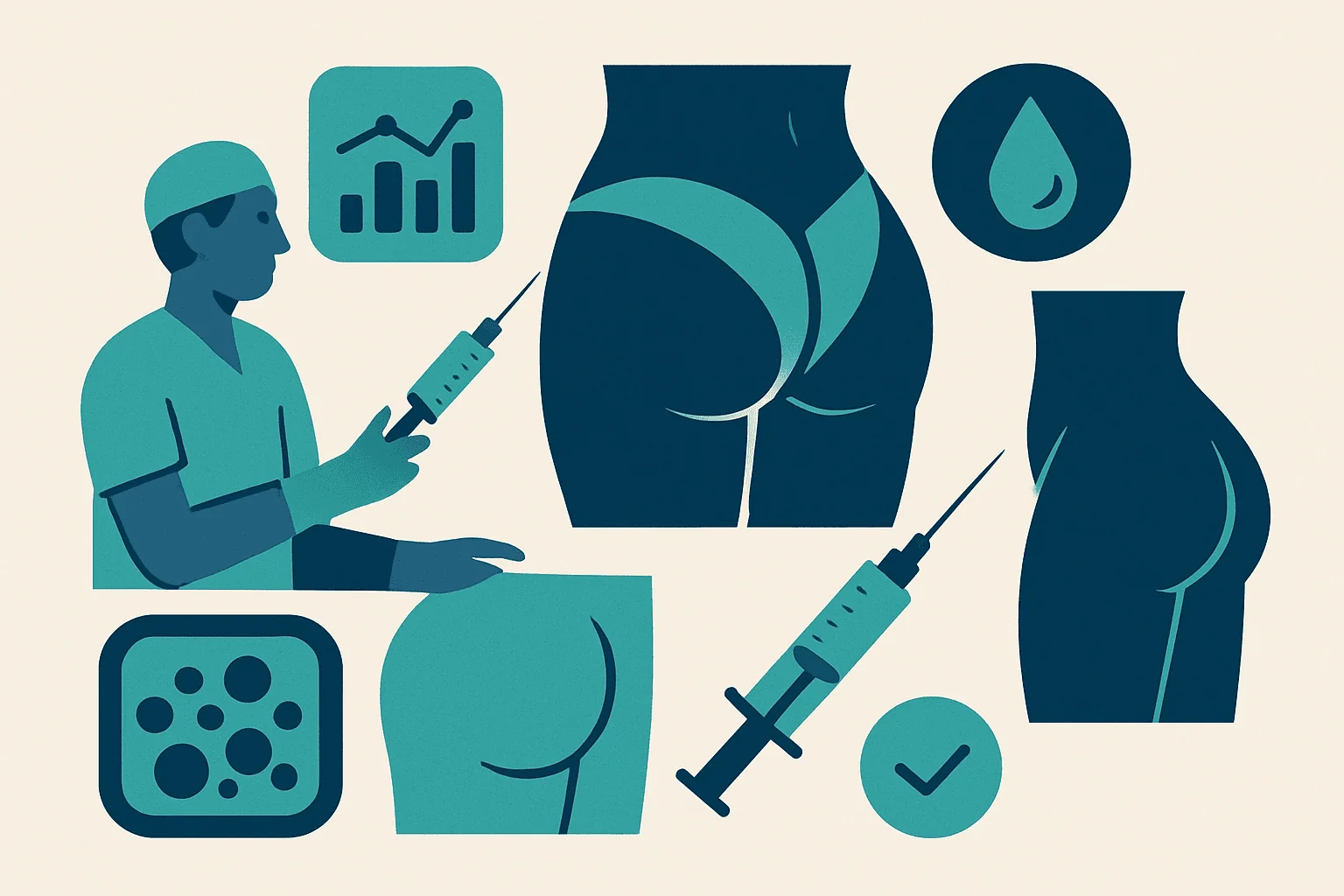
- A BBL uses a person's own fat to reshape and add volume to the buttocks.
- It combines liposuction with fat transfer; it is not a weight-loss procedure.
- Safety depends heavily on proper injection technique and anatomy awareness.
- Recovery includes swelling, activity limits, and protecting transferred fat.
- Results can last, but some transferred fat is naturally reabsorbed over time.
Searches for “Khloe Kardashian BBL” have been rising after recent headlines and online discussion, but public interest often outpaces clear medical information. Rather than speculate about any individual, it helps to understand what a Brazilian butt lift, or BBL, actually is, why people consider it, and what the procedure can and cannot do.
A BBL is a cosmetic fat-transfer procedure designed to increase fullness and reshape the buttocks using a person’s own fat. It is not simply an implant operation, and it is not a weight-loss treatment. The details matter because this procedure has unique benefits, limitations, and safety concerns that are important for anyone trying to separate social media myths from medical reality.
What a BBL is — and what it is not
A Brazilian butt lift uses liposuction to remove fat from one or more areas of the body, such as the abdomen, flanks, back, or thighs. That fat is then processed and strategically injected into the buttocks to improve volume and contour. In many cases, part of the appeal comes from the combined effect: reducing fat in donor areas while enhancing shape in the buttocks.
The procedure is different from buttock implants. Implants use a manufactured device placed surgically to add projection. A BBL, by contrast, uses transferred fat, which can feel more natural to some patients and avoids an implant-related device. However, transferred fat does not always survive completely, so some volume loss over time is expected.
It is also important to understand what a BBL does not do:
- It is not a treatment for obesity. Body contouring and weight-loss surgery are different categories of care.
- It is not ideal for everyone. A person needs enough donor fat for transfer.
- It does not stop aging or future body changes. Weight fluctuation, pregnancy, and time can affect results.
- It is not risk-free. In fact, BBL has been under intense safety scrutiny because of potentially serious complications.
That last point is especially important. A natural-looking result is only one part of the conversation. The technique used, the anatomy involved, and the experience of the surgical team all matter.
Why people seek a BBL and who may be considered a candidate
People usually consider a BBL because they want more fullness, improved symmetry, better projection, or a different waist-to-hip proportion. Some are bothered by flatness in the buttocks, while others are looking for contour balance after weight changes or simply want a different silhouette in clothing.
In general, a surgical consultation looks at several factors:
- Available donor fat: Because the procedure relies on fat transfer, very lean patients may not have enough fat for the desired change.
- Skin quality and elasticity: Skin tone can affect how smooth and lifted the final contour appears.
- Overall health: A person’s medical history, circulation, healing capacity, and anesthesia risk all matter.
- Goals and expectations: Surgeons assess whether the desired outcome is realistic and safely achievable.
Some patients may actually be better suited to other options, depending on anatomy and goals. For example, if the primary concern is loose skin rather than volume, contouring alone may not address the issue. If a person wants a dramatic increase but has little body fat, alternatives may be discussed.
A careful consultation also explores motivation. Cosmetic procedures can be deeply personal, but they should not be rushed because of trends, celebrity images, or heavily edited online content. Photos can create unrealistic expectations about what surgery can safely achieve.
How the procedure is performed and why technique matters so much
Although exact methods vary, a BBL usually involves three broad steps: fat harvesting, fat preparation, and fat injection.
1. Fat harvesting
First, liposuction removes fat from donor areas. This may include the abdomen, waist, lower back, or thighs. The amount taken depends on anatomy, the treatment plan, and how much purified fat is expected to be available after processing.
2. Fat preparation
The removed fat is then purified so that usable fat cells can be separated from fluid, oil, and other material. The goal is to prepare the fat for transfer in a way that supports survival of the grafted cells.
3. Fat injection
Finally, the processed fat is reinjected into selected areas of the buttocks to create contour and fullness. The surgeon typically places small amounts in multiple areas and layers to shape the region more evenly.
This final step is where safety receives the greatest attention. One of the most serious BBL complications is fat embolism, which can happen if fat enters large blood vessels and travels to the lungs. Because of this risk, modern safety guidance has emphasized avoiding deep injection into or below the buttock muscle and focusing on more superficial placement. Technique, anatomical knowledge, and adherence to current safety standards are crucial.
Other parts of planning matter too:
- How much fat is transferred can affect both appearance and complication risk.
- Body positioning during surgery may influence access and precision.
- Use of imaging guidance in some settings has been discussed as an added safety measure.
- Postoperative planning influences healing and fat survival.
Because so much depends on execution, a BBL is not a procedure where “more” automatically means “better.” Safe contouring aims for proportion, tissue respect, and careful technique rather than extreme volume.
Risks, complications, and the questions patients often overlook
All surgery carries risk, but BBL has drawn special concern because some complications can be life-threatening. That does not mean every procedure ends badly; many patients recover well. It does mean that informed consent should be especially thorough and realistic.
Potential risks include:
- Fat embolism
- Bleeding or fluid buildup
- Infection
- Anesthesia complications
- Asymmetry or irregular contour
- Lumps or areas of fat necrosis
- Delayed wound healing
- Loss of transferred fat, reducing the final result
- Need for revision surgery
Some concerns are cosmetic rather than dangerous, but they still matter. For example, the body naturally reabsorbs some of the transferred fat, so the initial postoperative fullness is not the final long-term result. Uneven healing or different resorption rates can also affect symmetry.
Patients sometimes focus mainly on cup-size-style volume goals and not enough on safety questions. A more medically grounded discussion often includes:
- How are candidates selected?
- What safety protocols are used during fat injection?
- How is the amount of transfer decided?
- What signs of complications should prompt urgent evaluation?
- What kind of revision might be needed if the result changes over time?
Another often-overlooked issue is timing. Traveling for surgery or trying to resume sitting, exercise, or work too quickly can interfere with recovery and follow-up. Recovery planning is part of the procedure, not an afterthought.
Recovery, aftercare, and what results typically look like over time
Recovery from a BBL involves both healing from liposuction and protecting the newly transferred fat. Swelling, soreness, bruising, and temporary changes in shape are common in the early period. The areas where fat was removed may feel just as tender as the buttocks themselves.
One of the most discussed recovery issues is pressure on the buttocks. Early after surgery, limiting direct pressure may be recommended because the transferred fat needs time to establish blood supply. Different surgical teams use different protocols, but the principle is the same: protecting healing tissue matters.
Many people are surprised by how gradual the final result can be. Immediately after surgery, the area may appear larger because of swelling and the initial transfer volume. Over the following weeks and months, swelling decreases and some transferred fat is naturally reabsorbed. The long-term result is usually judged later, after healing has stabilized.
Recovery experiences vary, but patients commonly want to know about:
- Swelling and bruising: Often most noticeable in the first days to weeks.
- Compression garments: Commonly used for liposuctioned areas, though plans differ.
- Activity restrictions: Walking is often encouraged early, while more strenuous activity may wait.
- Sitting and sleeping modifications: These may be discussed to reduce pressure on the buttocks during healing.
- Scar appearance: Liposuction entry points are small, but they still require healing.
The emotional side of recovery also deserves mention. Cosmetic surgery recovery can include impatience, swelling-related anxiety, and concern that results look “wrong” before tissues settle. That is one reason clear preoperative education is so important.
Long-term, results can last, but they are not completely fixed. Weight gain can enlarge transferred fat cells, and weight loss can reduce the enhanced volume. Aging and skin changes continue as well. In other words, a BBL can change body shape, but it does not freeze the body in time.
Alternatives to BBL and when to seek specialist evaluation
A BBL is only one approach to buttock enhancement and body contouring. Depending on anatomy and goals, alternatives may be more appropriate.
- Buttock implants: These may be discussed when a person wants more projection but does not have enough donor fat.
- Liposuction-only contouring: Sometimes improving the waist, flanks, or back changes overall proportion enough that added volume is not necessary.
- Non-surgical approaches: These may offer modest contour effects in selected cases, though results are generally less dramatic than surgery.
- No procedure at all: For some people, the safest and healthiest choice is stepping back from a trend-driven decision and reassessing goals over time.
Specialist evaluation is especially important when someone is considering any major cosmetic procedure, has underlying health conditions, or is seeking revision after a previous surgery. Urgent assessment is important after surgery if warning signs such as severe shortness of breath, chest symptoms, fainting, major swelling, or signs of infection appear, because these can signal serious complications.
Celebrity-driven search spikes can make a procedure seem simple, glamorous, or routine. In reality, a BBL is a significant operation that blends artistry with complex anatomy and real risk. A thoughtful understanding of what it involves — including candidacy, technique, limitations, recovery, and safety — is more useful than online speculation. For people exploring the topic, the most important takeaway is not whether a trend is popular, but whether the procedure is appropriate, realistic, and approached with a strong margin of safety.
Explore Brazilian Butt Lift (BBL) at Acibadem →
Who is Khloe Kardashian?
Khloe Kardashian is an American television personality and entrepreneur. She is widely known for appearing on the reality series Keeping Up with the Kardashians and for her fashion and lifestyle business ventures.
Frequently asked questions
What does BBL stand for?
BBL stands for Brazilian butt lift, a cosmetic procedure that uses liposuction to remove fat from one part of the body and transfer it to the buttocks for added volume and contour.
Is a BBL the same as butt implants?
No. A BBL uses the patient’s own fat, while butt implants use a synthetic implant placed surgically. Each approach has different benefits, limitations, and risks.
Why is BBL considered a higher-risk cosmetic procedure?
The main concern is the risk of fat embolism if fat enters large blood vessels during injection. This is why surgical technique and adherence to modern safety standards are so important.
How long do BBL results last?
Results can be long-lasting, but some transferred fat is naturally reabsorbed during healing. Long-term appearance can also change with weight fluctuations, aging, and skin quality.
Can everyone have a BBL?
No. A person generally needs enough donor fat, appropriate skin quality, and overall health that makes surgery and anesthesia reasonably safe. Some people may be better suited to another option.
What is recovery like after a BBL?
Recovery often includes bruising, swelling, soreness, limits on pressure to the buttocks, and a gradual return to activity. Final results usually take time to settle as swelling goes down and the transferred fat stabilizes.
✔ Reviewed by the Acibadem medical team
This article is general health information inspired by publicly reported news. It is not a statement about any individual’s private medical care, nor medical advice. Always consult a qualified clinician.