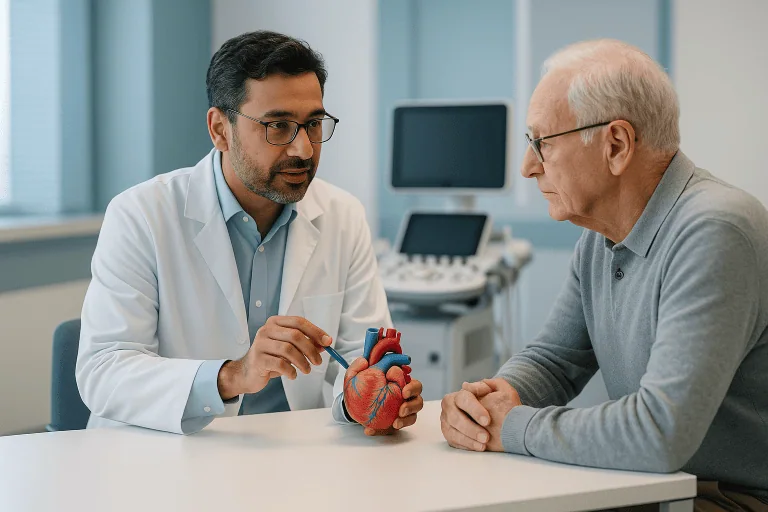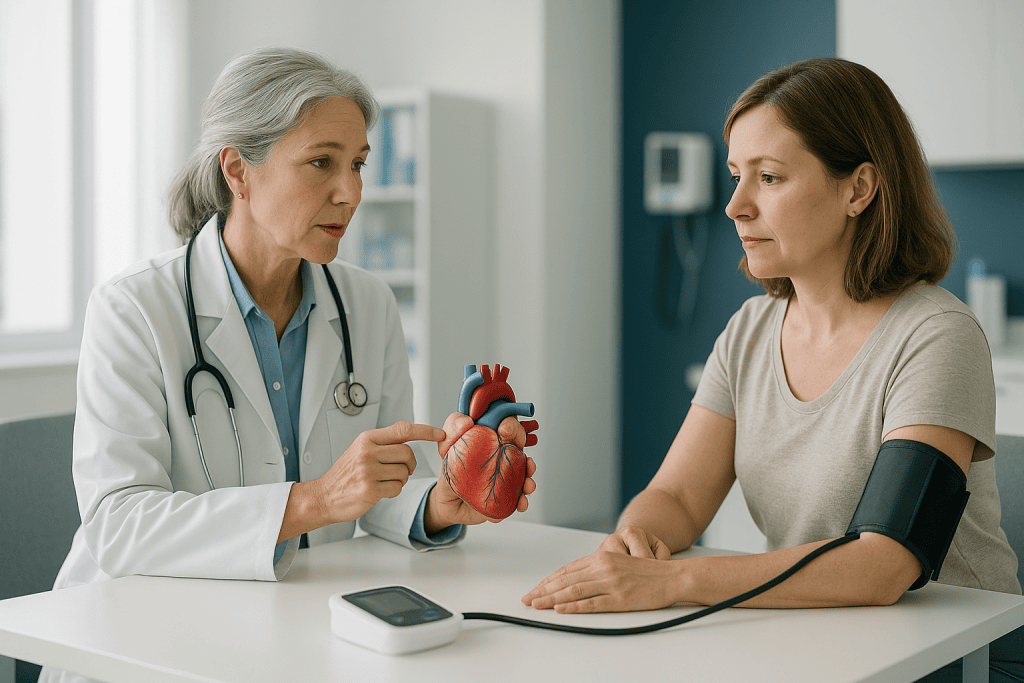
Quick answer
Hypertension is persistently high blood pressure that can damage the heart, brain, kidneys, and blood vessels if left uncontrolled. At Acibadem in Turkey, it is evaluated with blood pressure monitoring, laboratory tests, and heart and kidney assessments, then managed with lifestyle measures, medication, and treatment of any underlying cause.
What is hypertension?
Hypertension is the medical name for high blood pressure. Blood pressure is the force of blood pushing against the walls of your arteries, the blood vessels that carry blood away from the heart. Every time your heart beats, it pumps blood into these arteries, and the pressure rises. Between beats, when the heart relaxes, the pressure falls. A blood pressure reading records both numbers: the higher number (systolic pressure) measures the force when the heart beats, and the lower number (diastolic pressure) measures the force when the heart rests between beats. Readings are written as one number over the other, for example 120/80, and are measured in millimeters of mercury (mmHg).
So what is hypertension in practical terms? It is a condition in which blood pressure stays higher than the healthy range over time, not just during a single stressful moment. When the pressure inside the arteries remains high for months or years, it gradually strains the heart and damages the delicate lining of blood vessels throughout the body. This is why untreated hypertension raises the risk of heart attack, stroke, kidney disease, and vision problems.
Hypertension is one of the most common chronic (long-lasting) conditions in the world. It affects adults of all ages, though it becomes more common as people get older. Men and women are both affected, and it occurs in every country and population. Many people live with hypertension for years without knowing it, because it usually causes no obvious discomfort. For this reason, it is often called a “silent” condition, and regular blood pressure checks are the only reliable way to find it.
Symptoms of hypertension
One of the most important facts about hypertension symptoms is that, in most cases, there are none. The majority of people with high blood pressure feel completely normal, even when their readings are well above the healthy range. This is what makes the condition dangerous: damage to the heart, brain, kidneys, and eyes can build up quietly over many years while the person feels fine.
That said, some people do notice symptoms, particularly when blood pressure is very high or has risen quickly. Possible signs that are sometimes reported include:
- Headaches, often described as a dull ache, sometimes at the back of the head
- Dizziness or lightheadedness
- Blurred or changed vision
- Nosebleeds that occur without an obvious cause
- Shortness of breath, especially with activity
- Chest discomfort or a pounding sensation in the chest, neck, or ears
- Fatigue or a general feeling of being unwell
It is important to understand that these symptoms are not specific to hypertension. They can be caused by many other conditions, and their absence does not mean your blood pressure is normal. Hypertension symptoms tend to differ by stage. In the earlier stages, when readings are only mildly elevated, symptoms are almost never present. In more advanced or long-standing hypertension, symptoms may appear because organs such as the heart or kidneys have already been affected.
A separate and serious situation is a hypertensive crisis, in which blood pressure rises to a dangerously high level in a short time. This can cause severe headache, confusion, chest pain, difficulty breathing, vision changes, or weakness on one side of the body. A hypertensive crisis is a medical emergency and needs immediate care.
Causes and risk factors
Doctors divide hypertension causes into two broad groups.
Primary (essential) hypertension is the most common form. It develops gradually over many years and has no single identifiable cause. Instead, it results from a combination of genetics, aging, and lifestyle factors that together raise the pressure inside the arteries.
Secondary hypertension is less common and is caused by another underlying condition or by a medication. Examples include kidney disease, hormonal disorders (such as thyroid problems or conditions affecting the adrenal glands, which sit above the kidneys and produce hormones), obstructive sleep apnea (repeated pauses in breathing during sleep), and certain medicines, including some decongestants, pain relievers, and birth control pills. Secondary hypertension can sometimes appear suddenly and may cause higher readings than primary hypertension. Treating the underlying cause can improve or resolve it in some cases.
Several factors are known to raise the risk of developing hypertension:
- Agethe risk increases as arteries naturally stiffen over time
- Family historyhypertension often runs in families
- Excess body weightcarrying extra weight increases the work the heart must do
- Physical inactivitya sedentary lifestyle is linked to higher blood pressure
- A diet high in salt (sodium)salt causes the body to retain fluid, which raises pressure
- Low potassium intakepotassium, found in fruits and vegetables, helps balance sodium in the body
- Heavy alcohol use
- Smoking and tobacco usetobacco damages artery walls and temporarily raises pressure
- Chronic stressongoing stress may contribute, particularly when combined with unhealthy coping habits
- Other health conditionssuch as diabetes, kidney disease, and sleep apnea
Some of these factors, such as age and family history, cannot be changed. Many others can be improved, which is why lifestyle changes are a central part of both preventing and managing hypertension.
Diagnosis
Hypertension diagnosis is based on accurate, repeated blood pressure measurements rather than a single reading. Blood pressure varies naturally throughout the day and can rise temporarily because of stress, caffeine, exercise, or even the anxiety of being in a medical office (sometimes called “white coat” hypertension). For this reason, doctors typically confirm the diagnosis using readings taken on more than one occasion.
The main steps and tools involved in hypertension diagnosis include:
- Office blood pressure measurementtaken with a cuff around the upper arm, usually after you have been sitting quietly for a few minutes. Your doctor may measure both arms and take several readings.
- Home blood pressure monitoringmeasuring your own blood pressure at home over several days or weeks, using a validated device, can give a more realistic picture of your everyday readings.
- Ambulatory blood pressure monitoringa small portable device worn for 24 hours that automatically records blood pressure at regular intervals, including during sleep. This is often considered one of the most reliable ways to confirm the diagnosis.
In general, a diagnosis of hypertension is considered when blood pressure readings are consistently at or above the threshold used by your doctor’s clinical guidelines. Different international guidelines use slightly different cutoff values, commonly around 130/80 or 140/90 mmHg, so your doctor will interpret your readings in the context of your overall health.
Once hypertension is confirmed, your doctor will usually order additional tests to look for possible underlying causes and to check whether high blood pressure has already affected your organs. These may include:
- Blood teststo check kidney function, blood sugar, cholesterol, and electrolyte (mineral) levels
- Urine teststo look for protein or other signs of kidney involvement
- Electrocardiogram (ECG)a painless recording of the heart’s electrical activity, which can show strain on the heart
- Echocardiograman ultrasound scan of the heart, sometimes used to check the size and pumping function of the heart muscle
- Eye examinationthe small blood vessels at the back of the eye can show changes caused by long-standing high blood pressure
These tests help your care team estimate your overall cardiovascular (heart and blood vessel) risk and choose the most appropriate treatment plan.
Treatment options
Hypertension treatment aims to bring blood pressure down to a safer range and keep it there, in order to reduce the long-term risk of heart attack, stroke, kidney damage, and other complications. Treatment is usually lifelong and is tailored to each person’s readings, overall health, and other risk factors. Detailed information about how this condition is managed is available on the hypertension treatment page. In hospital settings, hypertension is typically managed by specialists in a cardiology department, often working together with family medicine, nephrology (kidney medicine), and endocrinology (hormone medicine) teams; at Acibadem, for example, cardiology is the specialty that oversees this condition.
Lifestyle changes
Lifestyle measures are the foundation of hypertension treatment at every stage. For people with mildly elevated readings and low overall risk, doctors may initially recommend lifestyle changes alone, with regular monitoring: a cautious approach sometimes described as watchful waiting. Commonly recommended changes include:
- Reducing salt (sodium) in the diet
- Eating more fruits, vegetables, whole grains, and low-fat dairy products
- Reaching and maintaining a healthy body weight
- Being physically active on most days, as advised by your doctor
- Limiting alcohol and stopping smoking
- Managing stress and getting adequate sleep
In many cases, these changes can meaningfully lower blood pressure, and they also improve the effectiveness of medication when it is needed.
Medication
When lifestyle changes are not enough, or when blood pressure is significantly elevated from the start, doctors usually prescribe antihypertensive medicines. Several well-established classes exist, and they work in different ways:
- Diureticsoften called “water pills,” they help the kidneys remove excess salt and fluid
- ACE inhibitors and ARBsmedicines that relax blood vessels by blocking hormones that narrow them
- Calcium channel blockersmedicines that relax the muscles in blood vessel walls
- Beta blockersmedicines that slow the heart rate and reduce the force of the heartbeat, used in selected situations
Many people need more than one medicine to reach their target blood pressure, and it is common for doctors to adjust the type or dose over time. It is important not to stop taking blood pressure medication on your own, even if you feel well, because blood pressure usually rises again when treatment stops.
Treating underlying causes and resistant hypertension
If tests reveal a secondary cause, such as a hormonal disorder, kidney artery narrowing, or sleep apneatreating that underlying condition is a key part of the plan and may involve specific medicines, devices, or, in selected cases, a procedure or surgery to correct the cause. For a small group of patients whose blood pressure remains high despite several medicines (known as resistant hypertension), specialists may evaluate additional options on a case-by-case basis. Surgery is not a standard treatment for ordinary primary hypertension; procedures are generally reserved for specific secondary causes identified through testing.
Living with hypertension and outlook
Hypertension is usually a lifelong condition, but for most people it can be managed effectively. With consistent treatment and healthy habits, many people with hypertension keep their blood pressure in a safe range and live full, active lives. The goal of management is not to feel different day to day, most people feel the same whether their pressure is high or controlled, but to protect the heart, brain, kidneys, and eyes over the long term.
Successful long-term management often involves:
- Taking medication as prescribed, every day, even when you feel well
- Monitoring blood pressure at home and keeping a record to share with your doctor
- Attending regular follow-up visits so your treatment can be adjusted when needed
- Maintaining the lifestyle changes that support lower blood pressure
- Managing related conditions such as diabetes or high cholesterol
The outlook depends on how early hypertension is found, how well it is controlled, and whether organ damage has already occurred. When blood pressure is brought under control and kept there, the risk of serious complications is substantially reduced, although it cannot be eliminated entirely. Untreated or poorly controlled hypertension, on the other hand, tends to worsen over time and significantly raises the likelihood of heart attack, stroke, heart failure, and kidney disease. No doctor can promise a specific outcome, but consistent control gives you the best chance of avoiding these complications.
Frequently asked questions
What is hypertension in simple terms?
Hypertension means that the pressure of blood inside your arteries is persistently higher than the healthy range. Because the extra force strains the heart and damages blood vessels over time, it raises the risk of heart attack, stroke, and kidney problems. It usually causes no symptoms, so it is typically discovered through routine blood pressure measurements rather than because a person feels unwell.
Can hypertension be cured?
In most cases, primary hypertension cannot be permanently cured, but it can be controlled very effectively with lifestyle changes and, when needed, medication. Some people with mild hypertension can bring their readings into the normal range through weight loss, diet, and exercise, though ongoing monitoring is still important. When hypertension is caused by another condition (secondary hypertension), treating that underlying cause can sometimes resolve the high blood pressure.
How serious is hypertension?
Untreated hypertension is a serious condition because it silently damages organs over years. It is one of the leading contributors to heart attack, stroke, heart failure, kidney failure, and vision loss worldwide. However, when it is detected and controlled, the risks are greatly reduced. The seriousness for any individual depends on how high the readings are, how long they have been elevated, and what other health conditions are present.
What are the warning signs of hypertension?
Most people with hypertension have no warning signs at all, which is why regular blood pressure checks matter. When symptoms do occur, such as headaches, dizziness, blurred vision, nosebleeds, or shortness of breath, blood pressure is often already very high or has been elevated for a long time. Severe symptoms such as chest pain, confusion, or sudden weakness may indicate a hypertensive crisis and require emergency care.
Do I have to take blood pressure medication forever?
Many people do need long-term medication, because blood pressure typically rises again when treatment stops. However, some people who make substantial and lasting lifestyle changes may be able to reduce their medication under a doctor’s supervision. Any change to your medication should be made only with your doctor’s guidance, since stopping suddenly can cause blood pressure to rebound to dangerous levels.
Can stress alone cause hypertension?
Short-term stress raises blood pressure temporarily, and readings return to normal once the stress passes. Whether chronic stress by itself causes lasting hypertension is less clear, but ongoing stress often leads to habits, such as poor sleep, unhealthy eating, alcohol use, or smoking, that do contribute to high blood pressure. Managing stress is therefore a sensible part of an overall prevention and treatment plan.
How is hypertension diagnosed if I feel fine?
Because hypertension usually causes no symptoms, diagnosis relies entirely on measurement. Doctors confirm it with repeated blood pressure readings taken in the office, at home, or with a 24-hour ambulatory monitor. A single high reading is not enough for a diagnosis, since blood pressure varies naturally. If readings remain elevated on multiple occasions, further tests are done to assess your organs and look for underlying causes.
When to see a doctor
Because hypertension is usually silent, adults should have their blood pressure checked regularly, even when they feel healthy, especially if hypertension runs in the family or other risk factors are present. Make an appointment with a doctor if your home readings are repeatedly above the normal range, if you have been told your blood pressure was high at a past visit but never followed up, or if you have hypertension and your readings are rising despite treatment.
Seek emergency medical care immediately if you experience any of the following red-flag warning signs, particularly together with a very high blood pressure reading:
- Severe chest pain or pressure
- Sudden severe headache, unlike headaches you have had before
- Sudden weakness, numbness, or drooping on one side of the face or body
- Difficulty speaking, understanding speech, or sudden confusion
- Sudden vision loss or severe blurred vision
- Severe shortness of breath or difficulty breathing at rest
- Seizures or loss of consciousness
- A blood pressure reading of 180/120 mmHg or higher accompanied by any of the symptoms above
These signs can indicate a hypertensive crisis, stroke, or heart attack, all of which require immediate treatment. Acting quickly in these situations can be lifesaving. For everything else, regular check-ups and honest conversations with your doctor remain the most reliable way to keep hypertension under control.
Blood Pressure Calculator
Check your own numbers in seconds, free, instant and doctor-reviewed ranges.
Patient Guides for This Condition
From the Acibadem Blog
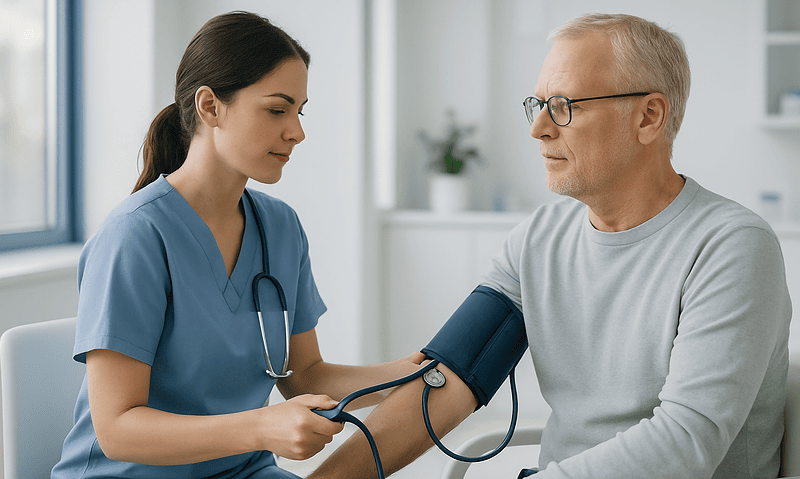
Normal Blood Pressure: What the Numbers Mean at Every Age
Normal blood pressure for adults is a top (systolic) number below 120 mm Hg and a bottom (diastolic) number below 80, and that…
Medically reviewed by the Acıbadem International Medical Board September 2, 2026
See our medical review board →
Update history
- PublishedJune 14, 2026
- Medical review approvedSeptember 2, 2026
- Last content updateSeptember 2, 2026