Penile Cancer
Penile Cancer is a rare cancer of the penis. Learn symptoms, risk factors, diagnosis, treatment options and when to see a doctor.

Quick answer
Penile cancer is a rare malignancy that develops in the tissues of the penis, often beginning in the skin or lining and treated according to its type and stage. At Acibadem in Turkey, evaluation may include physical examination, imaging, and biopsy, with treatment options such as surgery, lymph node management, radiotherapy, chemotherapy, and supportive care planned by a multidisciplinary team.
Penile cancer is a rare cancer that starts in the tissues of the penis, most often on the glans or foreskin. It can often be treated more effectively when a persistent lump, sore, color change or bleeding is assessed early by a urologist or oncology specialist.
Overview
Penile cancer is a rare type of cancer that develops in the skin or deeper tissues of the penis. It most often starts on the glans, which is the head of the penis, or on the foreskin in uncircumcised men. The most common type is squamous cell carcinoma, a cancer that begins in flat skin-like cells covering the penis.
Many penile changes are not cancer. Infections, inflammation, benign skin conditions and minor injuries can cause soreness, redness, discharge or irritation. However, because early penile cancer can look similar to these conditions, a persistent or unusual change should be assessed by a doctor rather than treated repeatedly without a clear diagnosis.
Penile cancer is usually managed by specialists in urology, oncology, pathology, radiology and, when needed, reconstructive surgery. The main goals are to remove or control the cancer, preserve as much normal appearance and function as safely possible, and support urinary, sexual and emotional wellbeing.
Symptoms

Penile cancer symptoms can be subtle at first. A person may notice a small sore that does not heal, a lump, a wart-like growth, a thickened patch of skin or a change in color on the penis. These changes may occur on the glans, beneath the foreskin, along the shaft or, less commonly, in other nearby tissues.
Other possible symptoms include bleeding, foul-smelling discharge, crusting, persistent irritation, pain, itching or difficulty pulling back the foreskin. Some men notice swelling at the end of the penis or a rash-like area that does not improve with usual hygiene or simple treatment.
If cancer has involved lymph nodes, there may be a firm swelling or lump in the groin. Enlarged groin nodes can also happen with infection, so this finding does not automatically mean cancer has spread. It does mean that medical assessment is important.
- A sore, ulcer or open area that does not heal
- A lump, raised growth or wart-like area
- Bleeding, crusting or unusual discharge
- Red, brown, blue or pale patches on the penis
- Thickened skin or a persistent rash
- Swelling or tight foreskin that is new or worsening
Causes & Risk Factors
Penile cancer develops when cells in the penis acquire changes that allow them to grow in an uncontrolled way. In many cases, the exact reason is not known. Several factors can increase risk, but having a risk factor does not mean a person will definitely develop penile cancer.
Human papillomavirus, often called HPV, is linked with some penile cancers. HPV is a common virus passed through intimate skin-to-skin contact. Most HPV infections clear without causing cancer, but persistent infection with higher-risk HPV types can contribute to cell changes over time.
Other risk factors include smoking, chronic inflammation of the foreskin or glans, phimosis, poor ability to clean under the foreskin, weakened immune function and certain long-standing skin conditions such as lichen sclerosus. Age can also play a role, as penile cancer is more often diagnosed in older adults, although it can occur at younger ages.
Good genital hygiene, not smoking, safer sexual practices and HPV vaccination where appropriate may reduce some risks. Circumcision in infancy is associated with a lower risk in some populations, but circumcision is not a routine treatment or prevention strategy for every adult; decisions about foreskin problems should be made with a qualified urologist.
Diagnosis
Diagnosis begins with a careful medical history and physical examination. The doctor will ask about symptoms, how long the change has been present, infections, previous treatments, sexual health, smoking, foreskin problems and any other medical conditions. The penis and groin lymph nodes are examined respectfully and in a confidential setting.
A biopsy is usually needed to confirm penile cancer. During a biopsy, a small sample or the whole suspicious area is removed and examined by a pathologist under a microscope. The pathology report identifies the cancer type, grade and other features that help guide treatment decisions.
If penile cancer is confirmed, additional tests may be used to find out how deeply it has grown and whether lymph nodes or other areas are involved. These tests may include ultrasound, MRI, CT, PET imaging or targeted lymph node assessment. Not every patient needs every test; the choice depends on the examination findings and biopsy results.
Staging describes the extent of the cancer and is central to planning treatment. Early-stage disease may be limited to the surface or nearby tissue, while more advanced disease may involve deeper structures or lymph nodes. A specialist explains the stage in practical terms and discusses the safest available options.
Treatment Options
Penile cancer treatment is individualized. The right approach is decided by a specialist team after assessment of the tumor size, location, depth, cell type, stage, lymph node status, general health and the patient’s preferences. Treatment aims to control the cancer while preserving urinary and sexual function whenever medically safe.
For very early or superficial disease, organ-preserving treatments may be considered. These can include carefully selected local treatments, laser-based techniques, surface therapies or limited surgery to remove the cancer with a margin of healthy tissue. Close follow-up is essential after conservative treatment because the area must be monitored for recurrence.
Surgery is a common treatment for many penile cancers. Depending on the extent of disease, surgery may range from removal of a small lesion to partial removal of affected penile tissue, and in more extensive cases, more radical surgery. If lymph nodes are suspected or confirmed to be involved, lymph node surgery or sampling may be part of care.
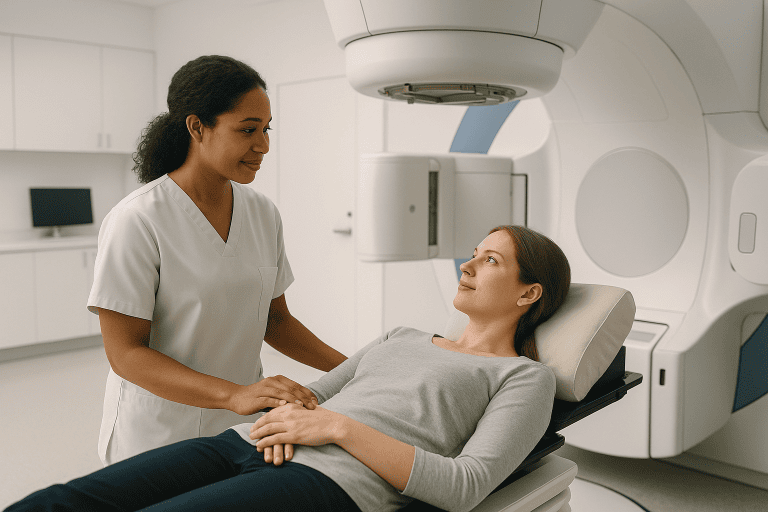
Radiotherapy and chemotherapy may be used in selected situations, either alone or combined with surgery. Radiotherapy uses targeted radiation to treat cancer cells, while chemotherapy uses medicines that affect rapidly dividing cells. Rehabilitation, wound care, pain control, sexual counselling, urinary support and psychological care are also important parts of treatment planning.
Living With / Prognosis
The outlook for penile cancer depends mainly on the stage at diagnosis, whether lymph nodes are involved, the cancer’s biological features and how well it responds to treatment. When found early and treated appropriately, many penile cancers can be controlled with approaches that preserve function. More advanced disease may require broader treatment and closer follow-up.
Living with penile cancer can affect body image, intimacy, urination and emotional wellbeing. These concerns are common and valid. Patients should feel able to discuss sexual function, fertility concerns, urinary symptoms, pain, scarring and relationship worries with their care team, because practical help and counselling are often available.
Follow-up visits usually include physical examination of the penis and groin, review of symptoms and, when needed, imaging or other tests. Follow-up schedules vary according to the stage and treatment received. Keeping appointments is important because recurrence or treatment-related issues are easier to manage when detected early.
Acibadem International’s multidisciplinary specialists and JCI-accredited hospitals diagnose and treat penile cancer for international patients, with coordinated input from urology, oncology, radiology, pathology and supportive care teams. Patients should seek individualized advice from qualified doctors who can review their diagnosis, treatment options and personal priorities.
When to See a Doctor
A doctor should assess any penile sore, lump, rash, thickened patch, color change, bleeding or discharge that persists, worsens or returns after treatment. It is especially important to seek care if a lesion does not heal, if there is pain or bleeding, or if the foreskin becomes tight and difficult to retract.
Medical review is also recommended for swelling or a lump in the groin, unexplained penile swelling, recurrent infections under the foreskin or long-standing inflammation. These symptoms may be caused by non-cancerous conditions, but they need a proper diagnosis and appropriate treatment.
Many people feel embarrassed about discussing genital symptoms, but doctors who manage urological conditions are trained to handle these concerns respectfully and confidentially. Early assessment can reduce uncertainty and may allow simpler treatment if a serious condition is found.
Frequently asked questions
What is penile cancer?
Penile cancer is a cancer that starts in the tissues of the penis, most often on the glans or foreskin. The most common type is squamous cell carcinoma. It is uncommon, and many penile symptoms are caused by non-cancerous conditions, but persistent changes should be checked by a doctor.
What are the early signs of penile cancer?
Early signs may include a sore that does not heal, a small lump, a wart-like growth, thickened skin, a color change or bleeding. Some men notice discharge, irritation or difficulty retracting the foreskin. Any change that persists should be medically assessed.
Is penile cancer caused by HPV?
Some penile cancers are linked to persistent infection with higher-risk types of human papillomavirus, or HPV. HPV is common, and most infections do not lead to cancer. Other factors such as smoking, chronic inflammation, phimosis and weakened immunity can also increase risk.
How is penile cancer diagnosed?
Diagnosis usually starts with a physical examination by a urologist or specialist. A biopsy is typically needed to confirm whether cancer is present and to identify its type. Imaging tests or lymph node assessment may be added if doctors need to determine the stage.
Can penile cancer be treated without removing the whole penis?
In many early cases, specialists may consider organ-preserving treatments such as limited surgery or other local approaches. The safest option depends on the tumor’s size, depth, location and stage. A specialist team will discuss the benefits and possible effects of each treatment.
Does penile cancer affect sexual function?
Penile cancer and its treatment can affect sexual function, body image and confidence, but the impact varies widely. Organ-preserving treatment may be possible in selected cases, and rehabilitation or counselling can help with recovery. Patients should discuss these concerns openly with their care team.
When should someone seek medical help for penile symptoms?
A person should see a doctor if a penile sore, lump, rash, color change, bleeding or discharge does not improve or keeps returning. Groin swelling or a tight foreskin that is new or worsening also needs assessment. Prompt review helps identify the cause and plan appropriate care.
This article is for general information only and is not a substitute for professional medical advice. Please consult a qualified doctor about your individual situation.
Medically reviewed by the Acıbadem International Medical Board June 20, 2026
See our medical review board →
Update history
- PublishedJune 8, 2026
- Medical review approvedJune 20, 2026
- Last content updateJune 8, 2026