Quick answer
Pulmonary aspergillosis is a fungal infection of the lungs caused by Aspergillus, usually affecting people with weakened immunity or existing lung disease, and it can range from allergic reactions to invasive infection. At Acibadem in Turkey, evaluation typically includes imaging, laboratory testing, and respiratory assessment, with treatment based on the form and severity of disease using antifungal medicines and, in…
Overview
Pulmonary aspergillosis is a group of lung conditions caused by breathing in spores of a common mold called Aspergillus. These spores are present in the environment, including soil, decaying plants, dust, and some indoor areas. Most people inhale Aspergillus spores without becoming ill because the immune system clears them effectively.
In some people, however, Aspergillus can trigger an allergic reaction, grow in damaged lung spaces, or cause a more serious infection. The condition can range from mild to severe depending on a person’s lung health and immune system. Pulmonary aspergillosis is not usually spread from person to person.
Several forms can affect the lungs. Allergic pulmonary aspergillosis is linked to an immune reaction, especially in people with asthma or certain chronic airway conditions. Chronic pulmonary aspergillosis may develop slowly in people with existing lung damage. An aspergilloma, sometimes called a fungal ball, can form inside a lung cavity. Invasive pulmonary aspergillosis is a serious form that occurs mainly in people with very weakened immune defenses.
Symptoms
Symptoms vary depending on the type of pulmonary aspergillosis and the person’s general health. Some people have mild symptoms, while others may develop persistent or worsening breathing problems.
- Ongoing cough
- Coughing up blood or blood-streaked mucus
- Shortness of breath
- Wheezing or chest tightness
- Chest discomfort
- Fever that does not have another clear cause
- Fatigue or reduced stamina
- Unexplained weight loss in longer-lasting disease
- Increased mucus production
- Worsening asthma or chronic lung symptoms
Coughing up blood can range from small streaks to more significant bleeding and should always be assessed by a healthcare professional. In people with weakened immune systems, symptoms may progress quickly and require urgent medical attention.
Causes and Risk Factors
Pulmonary aspergillosis is caused by inhaling Aspergillus spores. Exposure is common and often unavoidable, but illness usually develops only when certain risk factors are present.
Risk factors include:
- Asthma or chronic airway inflammation
- Cystic fibrosis or other long-term lung conditions
- Previous tuberculosis or other infections that left cavities or scarring in the lungs
- Chronic obstructive pulmonary disease or bronchiectasis
- Weakened immune system due to illness or medical treatment
- Organ or stem cell transplantation
- Certain blood disorders or cancer treatments that reduce immune defenses
- Long-term use of medicines that suppress the immune system
- Severe or prolonged illness requiring intensive medical care
Environmental exposure may also play a role, especially in areas with heavy dust, construction work, compost, moldy materials, or decaying vegetation. However, because Aspergillus is widespread, many cases are related more to a person’s health status than to a single exposure event.
Diagnosis
Diagnosing pulmonary aspergillosis can be complex because symptoms may resemble other lung conditions, such as bacterial infection, asthma flare-ups, tuberculosis, or other fungal diseases. A pulmonologist or infectious disease specialist may be involved, depending on the situation.
Evaluation usually begins with a medical history and physical examination. The doctor may ask about lung disease, immune system problems, recent treatments, occupational or environmental exposures, and the pattern of symptoms.
Tests may include:
- Chest imaging, such as X-ray or computed tomography, to look for cavities, nodules, inflammation, or fungal balls
- Blood tests to assess immune response, inflammation, or markers related to Aspergillus
- Sputum testing to look for fungi or other causes of infection
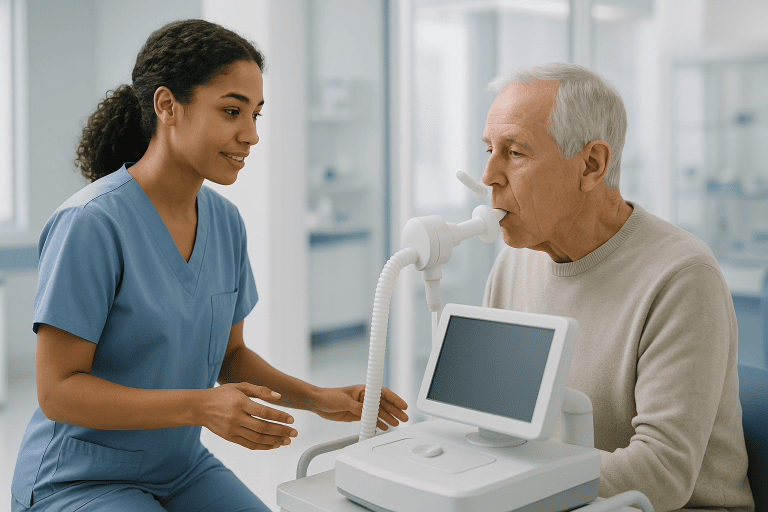
- Lung function tests, especially when asthma or chronic airway disease is present
- Bronchoscopy in selected cases, where a thin flexible tube is used to view the airways and collect samples
No single test is always enough. Doctors often combine clinical findings, imaging results, laboratory tests, and the patient’s risk factors to reach a diagnosis and determine the type of pulmonary aspergillosis.
Treatment Options
Treatment depends on the form of pulmonary aspergillosis, symptom severity, overall health, immune status, and imaging findings. Some people may need monitoring, while others require active treatment. Management should be guided by a qualified healthcare professional.
Possible treatment approaches include:
- Careful observation with regular follow-up for selected stable cases
- Medicines that target fungal growth when infection is present or likely to progress
- Treatment to reduce allergic airway inflammation in allergic forms
- Management of underlying lung conditions such as asthma, bronchiectasis, or chronic obstructive lung disease
- Procedures to control significant bleeding from the lungs when needed
- Surgery in selected cases, such as a localized fungal ball causing repeated bleeding or complications
- Supportive care for breathing difficulties and overall recovery
For people with weakened immune systems, treatment may also involve addressing the underlying immune problem when possible. Follow-up imaging and laboratory tests may be used to assess response and detect recurrence or complications. Because treatment plans can vary widely, patients should not start or stop any therapy without medical advice.
When to See a Doctor
Medical evaluation is important for persistent respiratory symptoms, especially in people with existing lung disease or reduced immune defenses. Early assessment can help identify the cause and guide appropriate care.
Seek medical advice if you have:
- A cough that does not improve or keeps returning
- Worsening shortness of breath or wheezing
- Fever with breathing symptoms
- Unexplained fatigue or weight loss
- Repeated chest infections or abnormal chest imaging
- Known asthma, cystic fibrosis, bronchiectasis, previous tuberculosis, or immune suppression with new lung symptoms
Urgent medical attention is needed for coughing up blood, severe breathing difficulty, chest pain, confusion, or rapidly worsening symptoms. International patients with complex lung conditions may benefit from evaluation by a pulmonology team experienced in advanced imaging, bronchoscopy, and multidisciplinary care.
Frequently Asked Questions
What is pulmonary aspergillosis?
Pulmonary aspergillosis is a group of lung conditions caused by breathing in spores of Aspergillus, a common mould found in soil, decaying plants, dust and some indoor areas. Most people inhale these spores without becoming ill because the immune system clears them. In some people, however, the fungus triggers an allergic reaction, grows in damaged lung spaces or causes a serious invasive infection. It is not usually spread from person to person.
What are the different forms of pulmonary aspergillosis?
Allergic bronchopulmonary aspergillosis is an immune reaction seen mainly in people with asthma or cystic fibrosis. Chronic pulmonary aspergillosis develops slowly in people with existing lung damage, for example after tuberculosis. An aspergilloma, or fungal ball, can form inside a pre-existing lung cavity. Invasive pulmonary aspergillosis is the most serious form and occurs mainly in people with very weakened immune defences, such as after transplantation or intensive chemotherapy.
What are the symptoms of pulmonary aspergillosis?
Symptoms vary with the form and the person's general health. They may include persistent cough, coughing up blood or blood-streaked mucus, wheezing or chest tightness, shortness of breath, fever without another clear cause, fatigue, unexplained weight loss in longer-lasting disease and worsening of existing asthma or lung symptoms. Coughing up blood should always be assessed, and in people with weakened immunity symptoms can progress quickly and need urgent care.
Who is at risk of pulmonary aspergillosis?
Exposure to Aspergillus is common and largely unavoidable, so illness usually develops only when risk factors are present. These include asthma or chronic airway inflammation, cystic fibrosis, previous tuberculosis or other infections that left cavities or scarring, chronic obstructive pulmonary disease or bronchiectasis, a weakened immune system from illness or treatment, organ or stem cell transplantation, cancer treatments that reduce immunity, long-term immunosuppressive medicines and severe illness requiring intensive care.
How is pulmonary aspergillosis diagnosed and treated?
Diagnosis combines a medical history, chest X-ray or CT to look for cavities, nodules or fungal balls, blood tests for immune response and Aspergillus markers, sputum testing and lung function tests, sometimes with bronchoscopy. Treatment depends on the form: allergic disease is managed with corticosteroids and sometimes antifungals, chronic and invasive disease with antifungal medicines over months, and an aspergilloma causing bleeding may be removed surgically. Specialist follow-up is important.
Medically reviewed by the Acıbadem International Medical Board September 13, 2026
See our medical review board →
Update history
- PublishedJune 14, 2026
- Medical review approvedSeptember 13, 2026
- Last content updateSeptember 12, 2026