Renal Artery Stenosis
Renal Artery Stenosis is narrowing of kidney arteries that can raise blood pressure and affect kidney function. Learn symptoms and treatment.
Quick answer
Renal artery stenosis is a narrowing of the arteries that supply the kidneys, which can reduce blood flow, contribute to high blood pressure, and impair kidney function. Treatment depends on the cause and severity and may include monitoring, medication to control blood pressure and protect the kidneys, and in selected cases minimally invasive procedures or surgery to restore blood flow.
Renal Artery Stenosis is the narrowing of one or both arteries that supply blood to the kidneys. It can contribute to high blood pressure, reduced kidney function, and, in some people, fluid overload, but it is often manageable when identified and monitored by specialists.
Overview
Renal Artery Stenosis is a vascular condition in which one or both renal arteries, the blood vessels that carry oxygen-rich blood to the kidneys, become narrowed. When blood flow to the kidney is reduced, the kidney may respond as if the body has low blood pressure, triggering hormonal signals that raise blood pressure throughout the body. This is why Renal Artery Stenosis is an important cause of renovascular hypertension.
The condition can affect one kidney or both kidneys. In some people, it is found during evaluation for high blood pressure or reduced kidney function. In others, it may be detected incidentally on imaging performed for another reason. The clinical impact varies: a mild narrowing may simply require monitoring, while a severe narrowing can contribute to resistant hypertension, kidney damage, or episodes of fluid overload.
Renal Artery Stenosis is most commonly related to atherosclerosis, the gradual buildup of fatty and fibrous plaque inside arteries. A second important cause is fibromuscular dysplasia, a non-atherosclerotic condition that can cause abnormal narrowing and enlargement of medium-sized arteries, often in younger adults. Because the causes, risks, and treatment options differ, specialist evaluation is important.
Symptoms

Renal Artery Stenosis often causes no direct pain or obvious symptoms, especially in the early stages. The kidneys can continue to work despite some reduction in blood flow, and the body may compensate for a period of time. As a result, the condition is frequently suspected because of changes in blood pressure, kidney function tests, or imaging findings rather than because of a specific symptom.
The most common clue is high blood pressure that is new, severe, or difficult to control with standard care. Some people may have a sudden worsening of previously stable blood pressure, high blood pressure beginning at an unusually young age, or high blood pressure that develops later in life alongside other signs of vascular disease. A healthcare professional may also hear a whooshing sound, called a bruit, over the abdomen, although this is not present in everyone.
Possible signs and clinical situations associated with Renal Artery Stenosis include:
- Resistant or difficult-to-control high blood pressure
- Unexplained decline in kidney function
- Worsening kidney blood tests after starting or changing blood pressure medication
- Recurrent episodes of sudden shortness of breath due to fluid buildup in the lungs
- Unequal kidney size on imaging
- High blood pressure together with widespread atherosclerosis in other arteries
These findings do not always mean a person has Renal Artery Stenosis. Similar features can occur with other kidney, heart, hormonal, or vascular conditions, so testing and medical interpretation are needed.
Causes & Risk Factors
The leading cause of Renal Artery Stenosis is atherosclerosis. This is the same process that can narrow arteries in the heart, brain, legs, and neck. Plaque develops gradually in the artery wall, making the channel for blood flow smaller and sometimes less flexible. Atherosclerotic Renal Artery Stenosis is more common in adults with cardiovascular risk factors and may occur alongside coronary artery disease, peripheral artery disease, or carotid artery disease.
Fibromuscular dysplasia is another recognized cause. It is not caused by cholesterol plaque and is not the same as typical hardening of the arteries. It may create a beaded or narrowed appearance in the renal artery and can lead to high blood pressure. Fibromuscular dysplasia is often considered when Renal Artery Stenosis appears in younger patients, particularly when there is no obvious atherosclerotic risk profile.
Risk factors and associated conditions may include:
- High blood pressure
- Diabetes or abnormal blood sugar control
- High cholesterol or other lipid disorders
- Smoking or past tobacco exposure
- Older age
- Chronic kidney disease
- Known atherosclerosis in other blood vessels
- Family history of vascular disease
Less common causes include inflammation of blood vessels, injury, external compression, prior radiation, or complications after vascular procedures. Identifying the likely cause helps specialists choose appropriate imaging, monitoring, and treatment.
Diagnosis
Diagnosis begins with a careful clinical assessment. A doctor reviews the pattern of blood pressure, previous kidney function results, medications, vascular history, and symptoms such as breathlessness or swelling. Physical examination may include blood pressure measurement in both arms, evaluation for signs of fluid overload, and listening over the abdomen for a vascular bruit.
Laboratory testing is usually used to assess how the kidneys are functioning and whether there are other contributing problems. Blood tests can estimate kidney filtration and electrolyte balance. Urine testing may help identify protein, blood, or other signs of kidney disease. These tests do not directly show a narrowed renal artery, but they help determine how urgently imaging is needed and whether other kidney conditions are present.
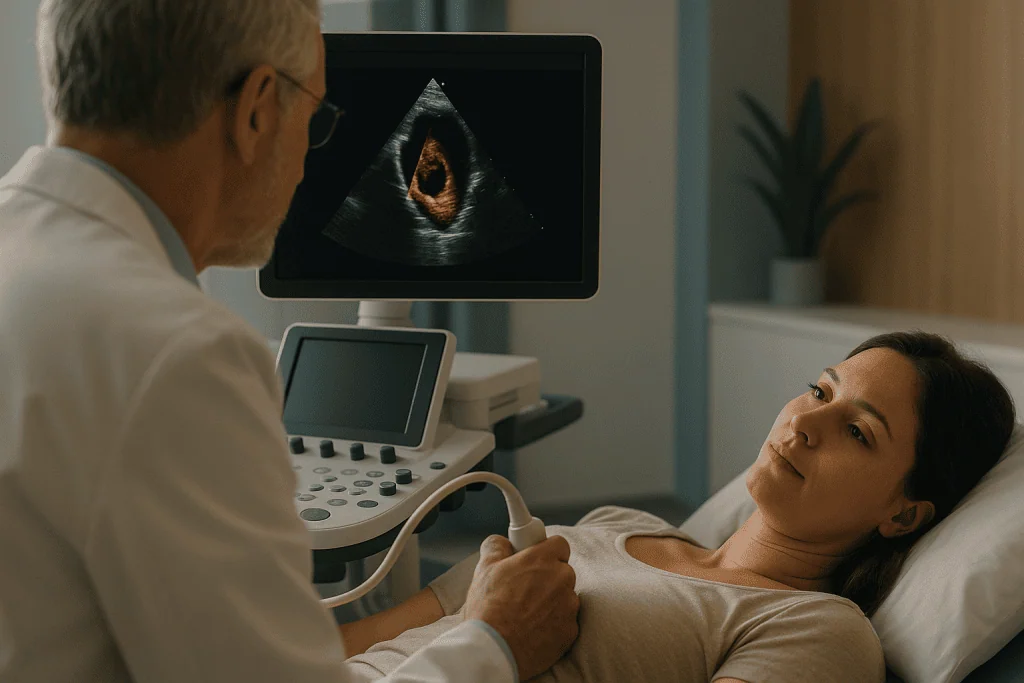
Imaging is central to diagnosis. Duplex Doppler ultrasound is often used because it can assess blood flow without radiation or contrast dye, although results may depend on body habitus and the expertise of the examiner. CT angiography can provide detailed images of the renal arteries, while MR angiography is another option in selected patients. The choice depends on kidney function, allergies, implanted devices, local expertise, and the clinical question.
Catheter-based angiography is considered the most detailed way to view the renal arteries, but it is invasive and is usually reserved for cases where a procedure may be performed or when noninvasive tests are unclear. A vascular specialist, nephrologist, cardiologist, or interventional radiologist may be involved in deciding which diagnostic path is safest and most informative.
Treatment Options
Treatment for Renal Artery Stenosis is individualized. The right approach depends on the cause of narrowing, whether one or both kidneys are affected, the degree of stenosis, kidney function, blood pressure control, symptoms, and the person’s overall cardiovascular risk. A specialist assessment is essential because not every narrowed renal artery needs a procedure, and some people do well with careful medical management and follow-up.
Medical treatment focuses on controlling blood pressure, protecting kidney function, and reducing cardiovascular risk. This may include blood pressure medication, cholesterol-lowering therapy, treatment of diabetes when present, antiplatelet therapy in selected patients, and lifestyle measures such as smoking cessation, salt reduction when advised, regular activity suited to the person’s health, and weight management. Medication choices require monitoring because kidney function and blood potassium can change in some patients.
Endovascular treatment may be considered for selected people. This can include balloon angioplasty, in which a narrowed area is widened from inside the artery, and in some cases placement of a stent to help keep the artery open. Angioplasty is often an important option in fibromuscular dysplasia, while the benefits of stenting for atherosclerotic disease depend on specific clinical features. Examples that may prompt consideration include recurrent fluid overload, rapidly worsening kidney function linked to the stenosis, or severe blood pressure problems despite appropriate care.
Open surgical reconstruction or bypass is now less common but may be considered in complex anatomy, failed endovascular treatment, or when another abdominal vascular operation is being performed. Treatment decisions are made by a qualified specialist team after reviewing imaging, risks, benefits, and patient preferences. Patients should not stop or change blood pressure or kidney medications without medical advice.
Living With / Prognosis
Many people with Renal Artery Stenosis can live well with regular monitoring and treatment of associated risk factors. The outlook depends on the severity of narrowing, whether the condition is stable or progressing, the health of the affected kidney, and the presence of other cardiovascular or kidney diseases. Early recognition of changing blood pressure or kidney function can help guide timely care.
Follow-up may include repeated blood pressure checks, kidney blood tests, urine testing, and periodic imaging when appropriate. Patients may be asked to monitor home blood pressure and bring a record to appointments. This helps doctors identify patterns, adjust treatment safely, and decide whether further imaging or intervention is needed.
Healthy vascular habits are important because Renal Artery Stenosis is often part of a broader vascular health picture. Avoiding tobacco, following a heart-healthy eating pattern, taking prescribed medicines consistently, staying physically active within medical limits, and attending follow-up visits can support long-term kidney and cardiovascular health. People with fibromuscular dysplasia may also need evaluation for involvement of other arteries, depending on specialist advice.
For international patients, Acibadem International provides evaluation and treatment of Renal Artery Stenosis through multidisciplinary specialists in JCI-accredited hospitals, including vascular, nephrology, cardiology, radiology, and surgical teams when needed. Care planning should always be based on an individual medical assessment.
When to See a Doctor
A person should seek medical evaluation if blood pressure is repeatedly high, suddenly worsens, or remains difficult to control despite treatment. Medical review is also important if kidney function tests decline without a clear explanation, especially in someone with known vascular disease, diabetes, high cholesterol, or a smoking history.
Prompt medical attention is needed for sudden shortness of breath, chest discomfort, severe swelling, fainting, confusion, or symptoms that suggest a hypertensive emergency. These symptoms can have several causes and require urgent assessment rather than waiting for a routine appointment.
People already diagnosed with Renal Artery Stenosis should follow the monitoring schedule recommended by their healthcare team. They should report new swelling, changes in urination, dizziness after medication changes, or unusually high or low home blood pressure readings. Ongoing communication with a qualified doctor helps keep treatment safe and tailored over time.
Frequently asked questions
What is Renal Artery Stenosis?
Renal Artery Stenosis is narrowing of one or both arteries that supply blood to the kidneys. Reduced blood flow can trigger hormone signals that raise blood pressure and may affect kidney function. It is a vascular condition that often requires input from kidney and vascular specialists.
What causes Renal Artery Stenosis?
The most common cause is atherosclerosis, which is plaque buildup inside the artery wall. Another important cause is fibromuscular dysplasia, a non-atherosclerotic condition that can narrow medium-sized arteries. Less common causes include blood vessel inflammation, injury, or compression.
What are the symptoms of Renal Artery Stenosis?
Many people have no obvious symptoms. It is often suspected when high blood pressure is difficult to control, kidney function worsens, or imaging shows unequal kidney size. Some people may have sudden fluid buildup in the lungs, causing shortness of breath, which needs urgent medical care.
How is Renal Artery Stenosis diagnosed?
Diagnosis usually starts with blood pressure assessment, kidney blood tests, urine tests, and a review of medical history. Imaging tests such as Doppler ultrasound, CT angiography, or MR angiography can show the renal arteries and blood flow. Catheter angiography may be used when detailed imaging is needed or when treatment may be performed at the same time.
Can Renal Artery Stenosis be treated without surgery?
Yes, many people are managed with medical treatment and monitoring. This may include blood pressure control, cardiovascular risk reduction, kidney function monitoring, and lifestyle measures. The decision depends on symptoms, severity, kidney function, and the underlying cause.
When is angioplasty or stenting considered?
Angioplasty or stenting may be considered in selected patients when the narrowing is causing significant clinical problems. Examples include certain cases of fibromuscular dysplasia, recurrent fluid overload, rapidly worsening kidney function related to the stenosis, or severe blood pressure problems despite appropriate care. A specialist decides after reviewing imaging and overall health risks.
Is Renal Artery Stenosis the same as kidney failure?
No. Renal Artery Stenosis is a narrowing of the artery that supplies the kidney, while kidney failure refers to a severe loss of kidney function. However, significant or progressive Renal Artery Stenosis can contribute to kidney damage in some people, which is why monitoring and appropriate treatment are important.
This article is for general information only and is not a substitute for professional medical advice. Please consult a qualified doctor about your individual situation.
Medically reviewed by the Acıbadem International Medical Board June 20, 2026
See our medical review board →
Update history
- PublishedJune 8, 2026
- Medical review approvedJune 20, 2026
- Last content updateJune 8, 2026