Splenomegaly
Splenomegaly means an enlarged spleen. Learn about symptoms, causes, diagnosis, treatment options and when to seek medical care.

Quick answer
Splenomegaly is an enlarged spleen, usually caused by an underlying condition such as infection, liver disease, blood disorders, or cancer, and treatment focuses on identifying and managing that cause. At Acibadem in Turkey, evaluation may include physical examination, blood tests, and imaging, with care tailored to the diagnosis and including monitoring, medication, or surgery when necessary.
Splenomegaly is an enlarged spleen, usually caused by another medical condition such as an infection, liver disease, blood disorder, inflammatory disease or cancer. Treatment focuses on identifying and managing the underlying cause while reducing the risk of complications such as spleen injury or low blood cell counts.
Overview
Splenomegaly is the medical term for an enlarged spleen. The spleen is an organ in the upper left side of the abdomen, under the rib cage. It helps filter blood, remove old or damaged blood cells, support the immune system and store certain blood cells. When the spleen becomes larger than normal, it may be working harder than usual or affected by disease.
Splenomegaly is not usually a diagnosis on its own. It is most often a sign that another condition is present, such as an infection, liver disease, blood disorder, immune system condition or, less commonly, cancer. For this reason, the most important part of care is finding the underlying cause.
The size of the spleen can vary between individuals. A mildly enlarged spleen may not cause any symptoms and may be found during an examination or imaging test done for another reason. A very enlarged spleen can become fragile, press on nearby organs or affect the number of blood cells in circulation.
Symptoms
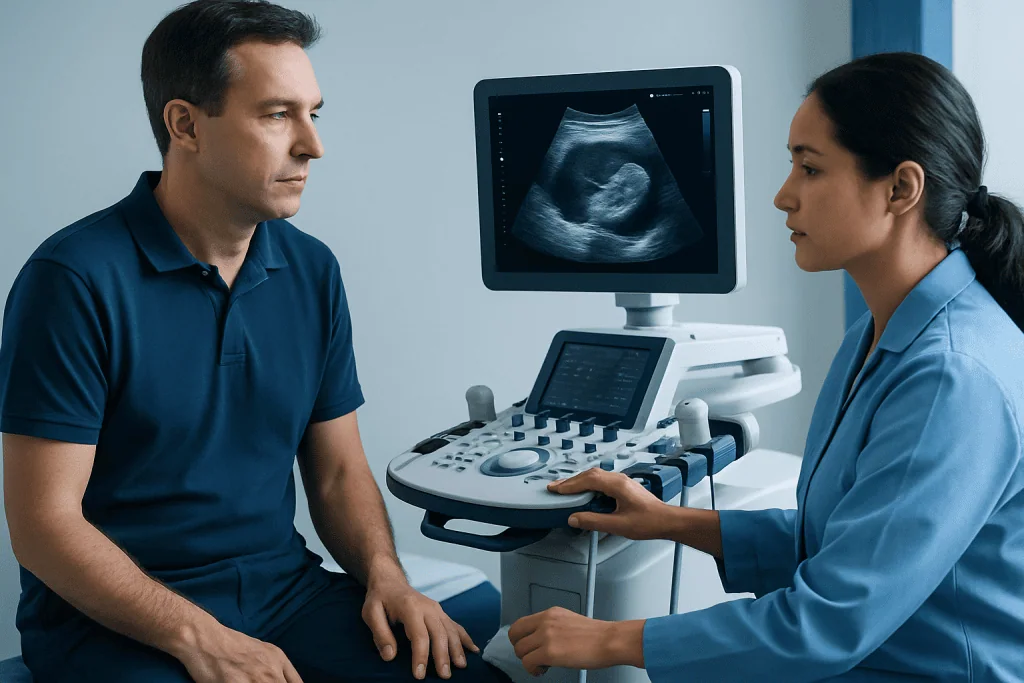
Many people with splenomegaly have no obvious symptoms. When symptoms do occur, they may be mild and nonspecific. A person may notice discomfort, aching or a sense of fullness in the upper left abdomen. Sometimes the discomfort may spread to the left shoulder because of shared nerve pathways in the body.
An enlarged spleen can press on the stomach, which may cause early fullness after eating a small meal. Some people also experience fatigue, weakness or shortness of breath if the enlarged spleen is linked with anemia or another blood disorder. Recurrent infections or easy bruising can occur when blood cell levels are affected.
Possible symptoms and signs of splenomegaly include:
- Fullness or pain in the upper left abdomen
- Feeling full quickly during meals
- Fatigue, weakness or reduced exercise tolerance
- Frequent infections
- Easy bruising or bleeding
- Unexplained fever, night sweats or weight loss in some underlying conditions
Sudden, severe pain in the left upper abdomen, especially after an injury, needs urgent medical assessment because an enlarged spleen is more vulnerable to rupture. Although this complication is uncommon, it is important to take abdominal trauma seriously when splenomegaly is known or suspected.
Causes & Risk Factors
Splenomegaly has many possible causes. The spleen may enlarge because it is filtering abnormal blood cells, responding to infection, receiving increased blood flow pressure from liver or portal vein disease, or being infiltrated by abnormal cells. The pattern of symptoms, blood test results and imaging findings help doctors narrow down the cause.
Infections are a common reason for spleen enlargement. Viral infections, bacterial infections, parasitic infections and chronic infections can all involve the spleen. Liver diseases that increase pressure in the portal venous system can also lead to spleen enlargement. In these cases, the spleen may become congested because blood flow through the liver is impaired.
Blood and immune system conditions are also important causes. Some anemias, inherited red blood cell disorders, platelet disorders and inflammatory or autoimmune diseases can make the spleen work harder. Certain blood cancers and lymphatic system cancers can also cause splenomegaly, although many non-cancerous conditions are more common.
Risk factors depend on the underlying cause. These may include known liver disease, certain infections, inherited blood disorders, immune conditions, travel or exposure risks for specific infections, and a history of blood or lymphatic disease. Because the causes are diverse, a careful medical history and targeted testing are essential.
Diagnosis
Diagnosis of splenomegaly begins with a medical history and physical examination. A doctor may ask about fever, infections, travel, alcohol use, liver disease, weight changes, night sweats, bleeding, bruising, family history and medications. During the examination, the doctor may gently feel the left upper abdomen to assess whether the spleen can be felt below the ribs.
Blood tests are commonly used to look for clues. A complete blood count can show anemia, low white blood cells, low platelets or abnormal blood cell patterns. Additional tests may assess liver function, inflammation, infection markers, immune conditions and blood cell appearance under a microscope. The exact tests are chosen based on the clinical picture.
Imaging confirms spleen size and can help identify related problems. Ultrasound is often used because it is noninvasive and does not involve radiation. CT or MRI may be recommended when more detail is needed, especially if doctors need to evaluate the liver, blood vessels, lymph nodes or other abdominal organs.
In some cases, referral to a hematologist, gastroenterologist, infectious disease specialist or surgeon may be needed. Further tests, such as specialized blood tests, bone marrow evaluation or endoscopic assessment for liver-related complications, may be considered when the first tests do not clearly explain the enlargement.
Treatment Options
Treatment for splenomegaly depends on the cause, the size of the spleen, symptoms and the risk of complications. The main goal is to treat the underlying condition rather than the enlarged spleen alone. The right approach is decided by a specialist after assessment, test results and discussion of the person’s overall health.
If an infection is responsible, treatment may involve appropriate antimicrobial therapy and monitoring. If liver disease is the cause, care may focus on managing the liver condition and portal hypertension. If a blood disorder or immune condition is identified, treatment may include medicines, monitoring, transfusion support in selected situations or specialist hematology care. Cancer-related causes are managed by oncology or hematology teams using therapies appropriate to the specific diagnosis.
Surgery to remove the spleen, called splenectomy, is not the usual first step for most people with splenomegaly. It may be considered in selected cases, such as certain blood disorders, severe symptoms, complications, diagnostic uncertainty or when the spleen is causing significant blood cell destruction. Splenectomy can often be performed with minimally invasive techniques when appropriate, but it requires careful planning because the spleen has an important role in infection defense.
People who have had their spleen removed, or whose spleen does not function well, need preventive care to reduce infection risk. This may include recommended vaccinations, education about fever management and sometimes preventive medicines depending on individual risk. These decisions should always be guided by a qualified physician.
Living With / Prognosis
The outlook for splenomegaly depends mainly on its cause. Some cases improve once an infection or temporary inflammatory condition resolves. Other cases are linked to chronic liver disease, inherited blood disorders or long-term immune or hematologic conditions that require ongoing follow-up. A person’s prognosis is therefore best discussed with the treating specialist after the cause is known.
Living with an enlarged spleen often includes practical precautions. Because an enlarged spleen can be more vulnerable to injury, doctors may advise avoiding contact sports, heavy impact activities or situations that increase the risk of abdominal trauma. Seatbelt use, safe exercise choices and prompt evaluation after any significant abdominal injury are important.
Follow-up may include repeat examinations, blood tests or imaging to monitor spleen size and blood cell counts. People should also report new symptoms such as increasing abdominal pain, unexplained fever, worsening fatigue, easy bruising or recurrent infections. Keeping follow-up appointments helps doctors detect changes early and adjust care if needed.
International patients can access evaluation and treatment for splenomegaly at Acibadem International through multidisciplinary specialists in JCI-accredited hospitals, including gastroenterology, hematology, infectious diseases, radiology and surgery teams when needed.
When to See a Doctor
A person should see a doctor if they have persistent discomfort or fullness in the upper left abdomen, feel full quickly after eating, have unexplained fatigue, frequent infections, easy bruising or bleeding, or unexplained fever or weight loss. These symptoms do not always mean a serious condition is present, but they should be assessed.
Medical care is also important if an enlarged spleen is found incidentally on an ultrasound, CT scan or physical examination. Even when there are no symptoms, further evaluation may be needed to understand why the spleen is enlarged and whether any monitoring or treatment is necessary.
Urgent medical attention is needed for sudden or severe pain in the upper left abdomen, pain after a fall or blow to the abdomen, dizziness, fainting, pale skin or rapid heartbeat. These symptoms may indicate internal bleeding or another acute problem and should not be ignored.
Frequently asked questions
What is splenomegaly?
Splenomegaly means the spleen is enlarged beyond its normal size. It is usually a sign of another medical condition, such as an infection, liver disease, blood disorder, immune condition or cancer. Doctors focus on finding and treating the underlying cause.
What does an enlarged spleen feel like?
Some people feel no symptoms at all. Others may feel pressure, discomfort or fullness in the upper left abdomen, sometimes spreading to the left shoulder. An enlarged spleen can also cause early fullness after eating because it may press on the stomach.
Is splenomegaly dangerous?
Splenomegaly can be mild and temporary, but it should be evaluated because it may reflect an underlying condition. A larger spleen can be more vulnerable to injury and may contribute to low blood cell counts. The level of risk depends on the cause, spleen size and overall health.
How is splenomegaly diagnosed?
A doctor may suspect splenomegaly during a physical examination and confirm it with imaging, often an ultrasound. Blood tests help identify anemia, infection, liver problems or blood disorders. Additional tests may be needed depending on the suspected cause.
Can splenomegaly go away?
Yes, splenomegaly can improve if the underlying cause is treatable, such as certain infections or temporary inflammatory conditions. In chronic conditions, the spleen may remain enlarged or need ongoing monitoring. A doctor can explain the expected course after diagnosis.
What activities should be avoided with an enlarged spleen?
People with splenomegaly are often advised to avoid contact sports and activities with a high risk of abdominal impact. This is because an enlarged spleen may be more easily injured. The exact activity restrictions should be discussed with the treating doctor.
When is spleen removal needed for splenomegaly?
Spleen removal, or splenectomy, is considered only in selected situations. It may be recommended for certain blood disorders, severe symptoms, complications or when other treatments are not suitable. The decision is made by specialists after careful assessment because the spleen helps protect against infection.
This article is for general information only and is not a substitute for professional medical advice. Please consult a qualified doctor about your individual situation.
Medically reviewed by the Acıbadem International Medical Board June 20, 2026
See our medical review board →
Update history
- PublishedJune 9, 2026
- Medical review approvedJune 20, 2026
- Last content updateJune 12, 2026