Uterine Prolapse
Uterine Prolapse occurs when the uterus descends into the vagina. Learn symptoms, causes, diagnosis and treatment options.
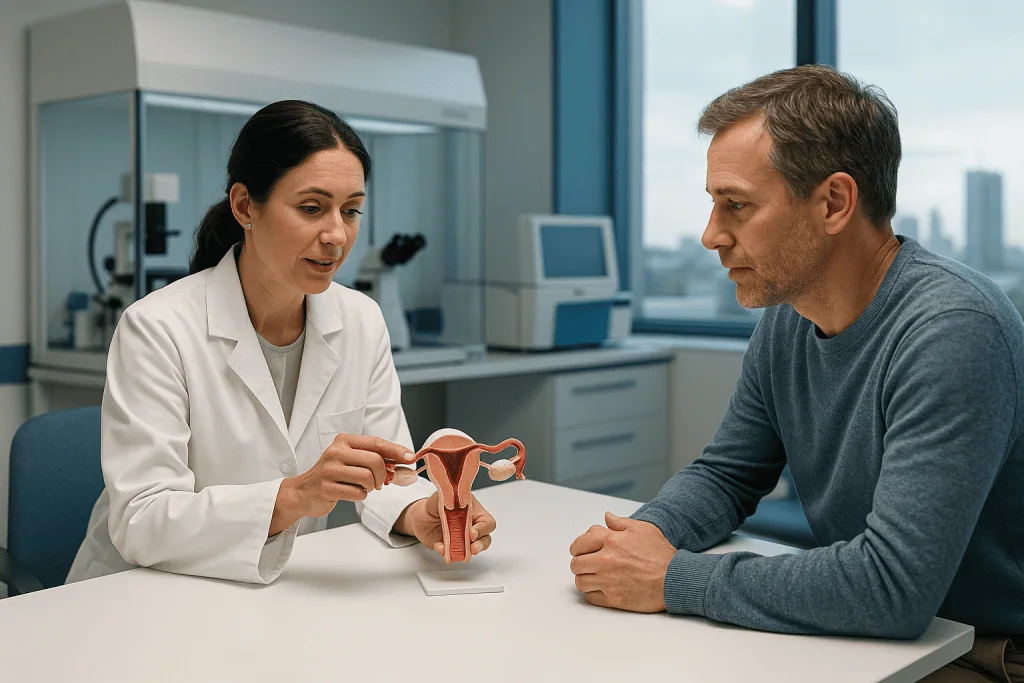
Quick answer
Uterine prolapse is the downward descent of the uterus into the vagina caused by weakened pelvic floor muscles and supporting tissues, which can lead to pressure, discomfort, and urinary or bowel symptoms. Treatment depends on severity and may include pelvic floor exercises, supportive pessaries, or surgery to restore pelvic support; at Acibadem in Turkey, evaluation and care are planned by…
What is uterine prolapse?
Uterine prolapse is a condition in which the uterus (the womb) slips down from its normal position in the pelvis and drops into, or in some cases out of, the vagina. It happens when the muscles, ligaments, and connective tissues of the pelvic floor, the hammock of tissue that holds the pelvic organs in place, become weakened or stretched and can no longer fully support the uterus. In medical coding, the condition is classified under ICD-10 code N81.4.
To understand what is uterine prolapse in everyday terms, it may help to picture the pelvic floor as a supportive sling. When that sling weakens, the uterus gradually descends. Doctors often describe the descent in stages, from mild (the uterus drops only slightly into the vagina) to complete prolapse, sometimes called procidentia, in which the entire uterus protrudes outside the vaginal opening.
Uterine prolapse is a form of pelvic organ prolapse, a broader term that also includes prolapse of the bladder (cystocele), the rectum (rectocele), and, after hysterectomy, the top of the vagina (vaginal vault prolapse). These conditions frequently occur together because the same supportive tissues are involved.
The condition affects women, and it becomes more common with age, particularly after menopause, when levels of the hormone estrogen fall and pelvic tissues lose some of their strength and elasticity. Women who have given birth vaginally, especially more than once or to large babies, are more likely to develop it. Mild degrees of prolapse are common and often cause no symptoms at all; many women are unaware they have any prolapse until it is noticed during a routine pelvic examination.
Symptoms of uterine prolapse
Uterine prolapse symptoms vary widely depending on how far the uterus has descended. Mild prolapse may cause no symptoms, while more advanced prolapse can significantly affect daily comfort and quality of life. Common uterine prolapse symptoms include:
- A sensation of heaviness, pressure, or fullness in the pelvis, often described as feeling like something is “falling out”
- A visible or palpable bulge of tissue at or protruding from the vaginal opening
- Low back ache or pelvic discomfort that tends to worsen over the course of the day or after long periods of standing
- Urinary problems, such as leaking urine (incontinence), a frequent or urgent need to urinate, or difficulty fully emptying the bladder
- Bowel problems, including constipation or a feeling of incomplete emptying; some women need to press on the vaginal wall to help pass stool
- Discomfort or reduced sensation during sexual intercourse
- Vaginal spotting, discharge, or irritation, particularly if the exposed tissue rubs against underwear
Symptoms often follow a daily pattern: they are usually milder in the morning after a night of lying down and become more noticeable by evening, or after activities that increase pressure in the abdomen, such as lifting, coughing, or standing for long periods.
Symptoms also differ by stage. In early-stage prolapse, a woman may notice only vague pressure or nothing at all. In moderate prolapse, the cervix (the lower part of the uterus) may reach or protrude slightly through the vaginal opening, and urinary or bowel symptoms become more likely. In complete prolapse, the uterus sits outside the body, and the exposed tissue can become dry, irritated, or ulcerated (developing open sores), which may cause bleeding or discharge. Because prolapse of the uterus often occurs alongside prolapse of the bladder or rectum, the mix of symptoms varies from person to person.
It is important to know that the degree of prolapse does not always match the severity of symptoms. Some women with mild prolapse feel very bothered by it, while others with more advanced prolapse notice relatively little. Symptoms, not stage alone, usually guide treatment decisions.
Causes and risk factors
Uterine prolapse causes come down to one underlying problem: weakening or damage of the pelvic floor muscles and the ligaments that anchor the uterus. Several factors, often acting together over many years, contribute to this weakening:
- Pregnancy and vaginal childbirth. Carrying a pregnancy and delivering a baby vaginally stretch and can injure pelvic floor muscles and nerves. The risk generally increases with the number of vaginal deliveries, and may be higher after difficult or prolonged labor, delivery of a large baby, or delivery assisted with forceps.
- Aging and menopause. With age, muscle tone naturally declines. After menopause, lower estrogen levels reduce the strength and elasticity of pelvic connective tissue.
- Chronic increases in abdominal pressure. Long-standing constipation with straining, a chronic cough (for example from smoking or lung disease), repeated heavy lifting, and obesity all place ongoing downward pressure on the pelvic floor.
- Genetics and connective tissue factors. Some women inherit naturally weaker connective tissue, and prolapse can run in families. Certain connective tissue disorders also increase risk.
- Previous pelvic surgery. Surgery in the pelvic area, including hysterectomy, can alter the supports of the pelvic organs in some cases.
Having one or more risk factors does not mean prolapse will definitely develop, and some women develop prolapse without an obvious cause. In many cases, the condition reflects a gradual, cumulative process rather than a single event.
Diagnosis
Uterine prolapse diagnosis is usually straightforward and is made mainly through a medical history and a pelvic examination, rather than blood tests or scans. Your doctor will typically:
- Ask about your symptomspelvic pressure, bulging, urinary and bowel habits, sexual function, and how the symptoms affect your daily life
- Review your medical and obstetric history, including pregnancies, deliveries, previous surgery, chronic cough, constipation, and menopausal status
- Perform a pelvic examination, often both while you are lying down and while you are standing or bearing down (straining as if having a bowel movement), because prolapse is most visible when abdominal pressure pushes the organs downward
During the examination, the doctor assesses how far the uterus has descended and whether other organs, such as the bladder or rectum, are also prolapsing. Many specialists use a standardized grading system, most commonly the Pelvic Organ Prolapse Quantification (POP-Q) system, which measures the position of specific points in the vagina relative to the vaginal opening. Older grading systems simply describe prolapse as first, second, third, or fourth degree. Staging helps document the prolapse and plan treatment, but, as noted above, your symptoms matter as much as the stage.
Additional tests are not always needed, but your doctor may recommend them in certain situations:
- Urine tests to check for infection if urinary symptoms are present
- Bladder function tests (urodynamics), which measure how the bladder stores and releases urine, particularly if incontinence or difficulty emptying the bladder is a concern or if surgery is being considered
- Pelvic ultrasound or, less commonly, magnetic resonance imaging (MRI) if the examination findings are unclear or if other pelvic conditions need to be ruled out
Uterine prolapse is generally managed by specialists in gynecology and obstetrics; within that field, urogynecologists focus specifically on pelvic floor disorders such as prolapse and incontinence.
Treatment options
Uterine prolapse treatment depends on the stage of prolapse, how much the symptoms bother you, your age, your overall health, whether you plan future pregnancies, and your personal preferences. There is no single right answer for everyone, and the options range from simple observation to surgery.
Watchful waiting and lifestyle measures
If the prolapse is mild and causes few or no symptoms, no active treatment may be needed. Your doctor may suggest monitoring the condition over time along with measures that reduce strain on the pelvic floor, such as:
- Treating and preventing constipation with adequate fluid, fiber, and, where appropriate, stool softeners
- Achieving or maintaining a healthy body weight
- Avoiding repeated heavy lifting where possible, and using safe lifting techniques when it cannot be avoided
- Treating chronic cough and stopping smoking
These measures do not reverse prolapse, but they can help slow its progression and reduce symptoms.
Pelvic floor muscle exercises
Pelvic floor exercises, often called Kegel exercises, involve repeatedly tightening and relaxing the muscles that support the pelvic organs. In many cases, especially with mild prolapse, regular pelvic floor training can improve symptoms and strengthen support. Guidance from a pelvic floor physical therapist can be helpful, because many women initially contract the wrong muscles. Exercises are unlikely to correct advanced prolapse but may still ease symptoms and improve bladder control.
Vaginal pessary
A pessary is a removable device, usually made of silicone, that is inserted into the vagina to hold the uterus and vaginal walls in place. Pessaries come in several shapes and sizes, and a doctor or nurse fits the device individually. A pessary is a nonsurgical option that can relieve symptoms effectively for many women, including those who wish to avoid surgery, are not fit for surgery, or want to delay it. Pessaries require regular cleaning and periodic check-ups, because they can occasionally cause vaginal irritation, discharge, or, rarely, pressure sores if neglected.
Estrogen therapy
For postmenopausal women, a doctor may prescribe low-dose vaginal estrogen (as a cream, tablet, or ring) to improve the health, thickness, and elasticity of vaginal tissue. Estrogen does not lift the uterus back into place, but it can reduce irritation and dryness, and it is often used alongside a pessary or before surgery. Whether estrogen is suitable depends on your individual medical history, which your doctor will review with you.
Surgery
Surgery may be considered when symptoms are significant and other measures have not provided enough relief. The main surgical approaches include:
- Hysterectomy with pelvic floor repair. Removal of the uterus (hysterectomy), usually performed through the vagina or with minimally invasive (laparoscopic or robotic) techniques, combined with repair of the weakened supporting tissues. This is a common approach for women who have completed childbearing.
- Uterus-preserving suspension procedures. Operations that lift and re-anchor the uterus to strong ligaments or to the sacrum (the bone at the base of the spine), using stitches or surgical material. These may be options for women who wish to keep their uterus or who hope to become pregnant in the future, although pregnancy after prolapse repair requires careful specialist counseling.
- Repair of accompanying prolapse. Because the bladder or rectum often prolapses at the same time, surgeons frequently repair the front or back vaginal walls during the same operation. Procedures for urinary incontinence may also be combined when appropriate.
- Colpocleisis. In selected older women who no longer wish to have vaginal intercourse and who may not tolerate larger operations, the vagina can be surgically narrowed and shortened to hold the organs in place. This is a shorter, lower-risk procedure but permanently closes the vaginal canal.
Like all operations, prolapse surgery carries risks, including bleeding, infection, injury to nearby organs, pain, and the possibility that prolapse recurs over time. No surgical technique guarantees a permanent result, and your surgeon should discuss the expected benefits and limitations of each option in your specific situation. Within hospital groups such as Acibadem, these evaluations and procedures are handled by the gynecology and obstetrics department, often with pelvic floor subspecialists.
Living with uterine prolapse and outlook
Uterine prolapse is not usually a dangerous condition, but it can noticeably affect comfort, activity, bladder and bowel function, and intimacy. The outlook depends on the stage of prolapse, the treatment chosen, and individual factors such as tissue quality and lifestyle.
Mild prolapse often remains stable for years, particularly when pelvic floor exercises are done regularly and sources of abdominal strain, constipation, chronic cough, heavy lifting, excess weight, are addressed. Some women manage symptoms successfully for the long term with a pessary alone. Surgery relieves symptoms for many women, though prolapse can recur in some cases, which is why ongoing pelvic floor care remains important even after an operation.
Day to day, many women find it helps to pace activities that involve prolonged standing, to plan rest periods when symptoms build up later in the day, and to continue pelvic floor exercises as a routine habit. Untreated advanced prolapse can lead to complications such as ulceration of exposed tissue, difficulty emptying the bladder, repeated urinary infections, and, rarely, blockage of urine flow affecting the kidneys, one reason regular follow-up matters even if you choose not to have active treatment.
It is also worth saying plainly: prolapse is common, it is not your fault, and effective options exist at every stage. Many women delay seeking help out of embarrassment, yet doctors who manage pelvic floor disorders see this condition every day.
Frequently asked questions
What is uterine prolapse in simple terms?
Uterine prolapse means the uterus has dropped from its normal position because the muscles and ligaments that hold it up have weakened. Depending on how far it descends, the uterus may sit lower in the vagina, reach the vaginal opening, or in severe cases protrude outside the body. It is one type of pelvic organ prolapse and is especially common after childbirth and menopause.
Can uterine prolapse heal on its own?
Established prolapse generally does not reverse on its own, because stretched ligaments and connective tissue do not fully regain their original strength. However, mild prolapse noticed shortly after childbirth may improve as tissues recover, and pelvic floor exercises can strengthen support and reduce symptoms. For most women, the realistic goals are relieving symptoms and preventing the prolapse from getting worse, rather than complete self-healing.
How serious is uterine prolapse?
In most cases, uterine prolapse is uncomfortable rather than dangerous, and treatment is guided by how much it bothers you. Advanced, untreated prolapse can occasionally lead to complications such as tissue sores, urinary infections, or difficulty emptying the bladder, so more severe prolapse should be evaluated by a doctor. A medical assessment is the safest way to understand how serious your particular situation is.
What does uterine prolapse feel like?
Many women describe a dragging heaviness or pressure in the pelvis, a feeling that something is bulging into or falling out of the vagina, and low back ache that worsens by the end of the day. Some notice urinary leakage, frequent urination, constipation, or discomfort during intercourse. Mild prolapse may cause no sensation at all and is sometimes found only during a routine pelvic examination.
Can I still exercise with uterine prolapse?
In many cases, yes, staying active is generally encouraged, and pelvic floor exercises are often a core part of treatment. Lower-impact activities such as walking, swimming, and cycling tend to be better tolerated than heavy lifting or repetitive high-impact exercise, which increase downward pressure on the pelvic floor. A doctor or pelvic floor physical therapist can help you adapt your routine to your stage of prolapse.
What is the recovery like after prolapse surgery?
Recovery varies with the type of operation and your overall health. Many women spend a short time in the hospital and then need several weeks of restricted activity, during which heavy lifting, straining, and sexual intercourse are usually avoided to allow tissues to heal. Your surgical team will give you individualized guidance, and following it closely may reduce the chance of the prolapse returning.
Does a hysterectomy always cure uterine prolapse?
No treatment can be guaranteed permanent. Removing the uterus addresses the prolapsed organ itself, but the underlying weakness of the pelvic floor remains, and other structures, including the top of the vagina, can prolapse later. That is why hysterectomy for prolapse is usually combined with repair of the supporting tissues, and why continuing pelvic floor care after surgery is often recommended.
When to see a doctor
Consider making an appointment if you notice ongoing pelvic pressure or heaviness, a bulge at the vaginal opening, new urinary leakage or difficulty urinating, changes in bowel habits, or discomfort during intercourse. Early evaluation gives you the widest range of treatment choices and can prevent complications.
Seek prompt medical attention if you experience any of the following red-flag warning signs:
- Inability to urinate or to fully empty your bladder, which can be a urologic emergency
- Prolapsed tissue that has become painful, ulcerated, bleeding, or cannot be pushed back
- Fever with pelvic pain or burning during urination, which may indicate an infection
- Heavy or unexplained vaginal bleeding, especially after menopause, since this always needs evaluation regardless of prolapse
- Sudden, severe pelvic or abdominal pain
- New inability to have a bowel movement accompanied by pain or vomiting
Only a qualified clinician can examine you, confirm a uterine prolapse diagnosis, and recommend the treatment approach that fits your health, symptoms, and goals. If any of the urgent signs above apply to you, do not wait for a routine appointment, seek medical care right away.
Medically reviewed by the Acıbadem International Medical Board September 3, 2026
See our medical review board →
Update history
- PublishedJune 8, 2026
- Medical review approvedSeptember 3, 2026
- Last content updateSeptember 2, 2026