1St Rib Resection: Procedure, Recovery and Results

1st rib resection is commonly performed to treat thoracic outlet syndrome involving nerve or blood vessel compression. The operation may be performed through the armpit, above the collarbone, below the collarbone, or with a combined approach.
Key Takeaways
- 1st rib resection is commonly performed to treat thoracic outlet syndrome involving nerve or blood vessel compression.
- The operation may be performed through the armpit, above the collarbone, below the collarbone, or with a combined approach.
- Recovery is gradual and usually includes early movement, pain control and a structured rehabilitation program.
- Many people improve after surgery, but recovery and symptom relief vary according to the type and severity of compression.
- Potential complications include bleeding, infection, nerve injury, lung injury and blood vessel problems, although teams take steps to reduce these risks.
A 1st rib resection is an operation that removes part or all of the first rib to create more space for nerves and blood vessels at the base of the neck. It is most often used for thoracic outlet syndrome when symptoms persist despite appropriate non-surgical care or when blood flow is threatened.
Overview: What Is a 1st Rib Resection?
A 1st rib resection is a surgical procedure in which a surgeon removes part or all of the first rib, the uppermost rib located beneath the collarbone. Removing this rib can enlarge the thoracic outlet, a narrow passage between the neck and upper chest where nerves and major blood vessels travel toward the arm.
The procedure is most often part of treatment for thoracic outlet syndrome (TOS). In TOS, pressure on the brachial plexus nerves, the subclavian vein or the subclavian artery may cause pain, tingling, weakness, swelling, color changes or circulation problems in an arm or hand. The purpose of surgery is to relieve this compression and help protect nerve and vascular function.
First rib surgery is not the first option for everyone with upper-limb symptoms. Careful assessment is important because neck, shoulder, nerve and vascular conditions can produce similar symptoms. For many people with neurogenic TOS, targeted physiotherapy and posture-related treatment are considered before surgery. Patients with significant vessel compression, blood clots or arterial damage may need more urgent vascular evaluation.
How Does 1st Rib Resection Work, and Who May Be a Candidate?
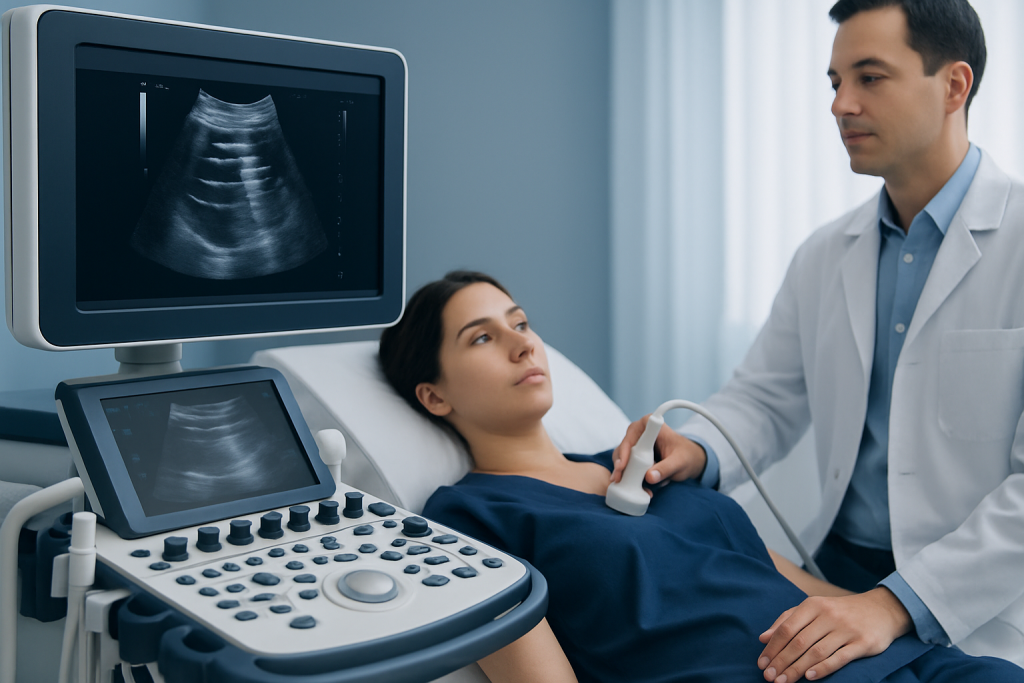
The first rib sits close to the scalene muscles, collarbone and neurovascular structures. Depending on the cause of compression, the surgeon may remove the first rib and release or remove tight scalene muscles, scar tissue or fibrous bands. If a blood vessel has been damaged or blocked, vascular repair may be performed during the same treatment plan.
Potential candidates are selected after a detailed review of symptoms, physical examination and appropriate testing. Surgery may be considered when symptoms substantially affect daily activities, work or sleep and do not improve with well-directed conservative care. It may also be recommended for venous or arterial thoracic outlet syndrome, particularly when there is a clot, impaired blood flow or structural vessel injury.
Assessment may involve specialists in vascular surgery, neurology, orthopedics, rehabilitation and pain management. Relevant related conditions include thoracic outlet syndrome, as well as disorders of the neck, shoulder and peripheral nerves that need to be distinguished before an operation is planned.
Not every person with arm pain or numbness benefits from a first rib resection. The best outcomes generally depend on having a clear diagnosis, realistic expectations and a rehabilitation plan tailored to the individual’s symptoms, work demands and overall health.
1st Rib Resection Steps: What Happens During Surgery?

Before surgery, the clinical team reviews imaging, blood tests, medications and anesthesia suitability. Imaging may include ultrasound, CT angiography, MR angiography, chest X-ray or other tests to examine the first rib, nearby structures and blood flow. People taking medicines that affect bleeding should receive individualized instructions from their surgical team.
The operation is performed under general anesthesia. The surgical approach depends on the type of thoracic outlet syndrome and which structures require treatment. Common approaches include an incision in the armpit (transaxillary), above the collarbone (supraclavicular), below the collarbone (infraclavicular), or a combination when vascular reconstruction is required.
Typical 1st rib resection steps include carefully exposing the thoracic outlet, protecting the nerves and blood vessels, dividing tight tissue when needed, and removing the selected portion of the first rib. The surgeon checks that decompression is adequate and may repair or reconstruct a vein or artery if this is clinically necessary. A temporary drain or chest tube is occasionally used, especially if the lining around the lung is opened.
For patients considering operative treatment, first rib resection treatment should be discussed with a specialist who can explain the planned approach, the expected goals and whether additional vascular treatment may be needed.
How Long Does a First Rib Resection Surgery Take?
A first rib resection often takes about two to four hours, although the exact duration varies. The procedure may be shorter for straightforward nerve decompression and longer when scar tissue is extensive, anatomy is complex, or blood vessel repair or reconstruction is needed.
Time in the operating room includes preparation for anesthesia, positioning and the operation itself. After surgery, patients spend time in a recovery area while the team monitors breathing, circulation, pain and arm function. The surgical team can provide the most accurate estimate after reviewing the individual anatomy, imaging findings and planned technique.
Hospital stay also varies. Some people may go home after a short stay, while others require closer monitoring, particularly after treatment for venous or arterial compression, clot-related problems or vessel reconstruction. Safety and stable pain control are more important than following a fixed discharge schedule.
Is a Rib Resection a Major Surgery?
Yes. A 1st rib resection is generally considered a major operation because it is performed near important nerves, blood vessels and the lung. It requires general anesthesia, specialized surgical expertise and a planned recovery period. However, it is a well-established procedure in experienced centers for carefully selected patients with thoracic outlet syndrome.
The level of complexity depends on the reason for surgery. Neurogenic thoracic outlet decompression may involve releasing muscles and removing the rib to reduce nerve pressure. Venous or arterial forms can be more complex because treatment may include clot management, vein repair, arterial reconstruction or other vascular procedures.
Before consenting, patients should understand the potential benefits and limitations. Surgery may reduce compression-related symptoms and improve function or circulation, but it cannot guarantee complete relief, particularly if nerves have been irritated or injured for a long time. Rehabilitation and follow-up remain important parts of treatment.
In selected cases, assessment may include vascular imaging and planning for vascular surgery when a blood vessel is involved. Decisions should be individualized through discussion with the relevant surgical and rehabilitation specialists.
How Painful Is a First Rib Resection?
It is normal to have pain and soreness around the incision, shoulder, upper chest or armpit after a first rib resection. The intensity varies from person to person and can depend on the surgical approach, the extent of tissue release and whether vascular repair was performed. Pain is usually most noticeable in the first days after surgery and gradually improves as healing progresses.
Modern pain management uses a personalized combination of methods. This may include medicines, local or regional anesthetic techniques when appropriate, ice, comfortable positioning and early gentle movement. Patients should take medication exactly as advised and contact their care team if pain becomes suddenly worse, is not controlled, or is accompanied by breathing difficulty, fever or other concerning symptoms.
Some people continue to notice tightness, altered sensation or fatigue during the early recovery period. These symptoms do not always mean that surgery has failed; healing nerves and soft tissues can take time. A physiotherapist can help distinguish expected recovery discomfort from movements or activities that should be modified.
How Long Does It Take to Recover From a First Rib Resection?
1st rib resection recovery time differs between individuals, but many people resume light daily activities within a few weeks. Return to desk-based work may be possible sooner for some patients, while heavy lifting, repetitive overhead work and competitive sport generally require a longer, phased return. Full recovery can take several months, especially when nerve symptoms were longstanding or vascular repair was necessary.
A 1st rib resection protocol usually begins with breathing exercises, walking and gentle movement soon after surgery. The team may advise avoiding heavy lifting and forceful shoulder movements at first to protect healing tissues. Wound care, activity limits and driving advice should always follow the treating surgeon’s specific instructions.
A 1st rib resection rehab protocol commonly progresses from restoring comfortable shoulder and neck motion to improving posture, scapular control, strength and gradual arm endurance. Therapy should not be rushed. Symptoms such as mild tightness can fluctuate during recovery, but new arm swelling, loss of color, marked weakness or worsening pain should be reported promptly.
Follow-up appointments allow the team to check incision healing, nerve and circulation symptoms, and progress with activity. For patients traveling internationally, Acibadem International’s multidisciplinary specialists and JCI-accredited hospitals can coordinate diagnosis, surgery and follow-up planning for thoracic outlet conditions.
Benefits, Risks and When to Seek Medical Care
The intended benefit of 1st rib resection is decompression: creating more room for nerves and blood vessels so that pain, tingling, weakness, swelling or circulation-related symptoms may improve. For venous or arterial thoracic outlet syndrome, treatment can also help address blood flow problems and reduce the risk of ongoing vessel damage. Results vary, and improvement may be gradual rather than immediate.
Possible risks include bleeding, infection, blood clots, injury to nearby nerves or blood vessels, persistent symptoms, shoulder stiffness, fluid collection and injury to the lining of the lung that can cause a collapsed lung. Anesthesia-related complications are also possible. The surgical team explains the risks most relevant to the individual and monitors carefully for complications during and after the procedure.
Patients should seek urgent medical care for sudden shortness of breath, chest pain, coughing blood, fainting, rapidly increasing swelling of an arm, a cold or pale arm, uncontrolled bleeding, or signs of a severe allergic reaction. They should contact their surgical team promptly for fever, worsening redness or drainage from the wound, pain that is increasing rather than improving, or new weakness or numbness.
Before surgery, prompt medical assessment is also appropriate for new one-sided arm swelling, discoloration, prominent veins, severe arm pain after exertion, or hand weakness that affects function. These symptoms can have several causes, and early evaluation helps clinicians identify whether vascular, neurological or musculoskeletal care is needed.
Frequently asked questions
What is the success rate of a 1st rib resection?
Results vary according to the type of thoracic outlet syndrome, the accuracy of diagnosis, the duration of symptoms and whether blood vessels are involved. Many appropriately selected patients experience meaningful improvement, but surgery cannot guarantee complete symptom resolution. A surgeon can discuss expected outcomes based on the individual clinical findings.
How long does it take to recover from a first rib resection?
Many patients can manage light activities within several weeks, while return to demanding work, heavy lifting or sports may take several months. Nerve-related symptoms can improve gradually because irritated nerves may take time to settle. The rehabilitation plan should be individualized by the surgical and physiotherapy teams.
How painful is a first rib resection?
Pain and soreness around the incision, shoulder and upper chest are expected after surgery, particularly during the first days. Pain control usually combines medication, gentle activity, positioning and rehabilitation guidance. Severe, worsening or poorly controlled pain should be reported to the care team.
Is a rib resection a major surgery?
A first rib resection is considered major surgery because it is performed under general anesthesia near important nerves, blood vessels and the lung. It requires specialist planning and follow-up. The degree of complexity is greater when vein or artery repair is needed.
How long does a first rib resection surgery take?
The surgery often takes about two to four hours, but this can vary. The exact time depends on the surgical approach, individual anatomy and whether additional procedures, such as vascular repair, are required. The treating surgeon can give a more personalized estimate before surgery.
Will I need physiotherapy after first rib resection?
Physiotherapy is commonly recommended after a first rib resection. It helps restore shoulder and neck movement, improve posture and gradually rebuild strength and endurance. The pace should be guided by healing, symptoms and the surgeon’s activity recommendations.
References
- Society for Vascular Surgery
- Mayo Clinic
- Cleveland Clinic
- National Institute of Neurological Disorders and Stroke
- Johns Hopkins Medicine
This article is for general information only and is not a substitute for professional medical advice. Please consult a qualified doctor about your individual situation.
Explore treatments in Turkey — costs, top hospitals & a free quote
JCI-accredited · board-certified surgeons · reply within 24h
Add us as a Preferred Source to see more of our trusted health content across Google Search, AI Overviews and Discover.

More from the Health Library



Related Specialists

Prof. Dr. Meliha Nalçacı
Hematology
Dr. Salim Sırrı Türker
Orthopedic Surgery & Traumatology
Assoc. Prof. Dr. Erdem Güven (m)
Aesthetic Plastic & Reconstructive Surgery
Dr. Aygun Babayeva
Pediatrics