8 Dpo Symptoms: Common Causes, Related Conditions, and When to See a Doctor

Symptoms at 8 DPO often overlap with premenstrual symptoms and are not a reliable way to diagnose pregnancy. Progesterone rises after ovulation and can cause fatigue, bloating, breast changes, mood changes, and mild pelvic discomfort.
Key Takeaways
- Symptoms at 8 DPO often overlap with premenstrual symptoms and are not a reliable way to diagnose pregnancy.
- Progesterone rises after ovulation and can cause fatigue, bloating, breast changes, mood changes, and mild pelvic discomfort.
- Implantation may occur around this time for some pregnancies, but many pregnant people have no noticeable implantation symptoms.
- A home pregnancy test may be negative at 8 DPO even if pregnancy has occurred because hCG levels may still be too low.
- Severe pain, heavy bleeding, fainting, fever, or concerning symptoms should be assessed promptly by a healthcare professional.
At 8 days past ovulation (8 DPO), some people notice mild symptoms such as cramping, breast tenderness, fatigue, or bloating, while many notice nothing at all. These changes may be related to normal post-ovulation hormone shifts, premenstrual symptoms, implantation, or early pregnancy, so symptoms alone cannot confirm pregnancy.
Understanding 8 DPO
“DPO” means days past ovulation. At 8 DPO, a person is approximately eight days beyond the release of an egg from the ovary. In a typical menstrual cycle, this is part of the luteal phase: the time between ovulation and the next menstrual period.
If fertilization occurs, the early embryo travels through the fallopian tube toward the uterus. Implantation into the uterine lining commonly takes place several days after ovulation, although timing varies from person to person. Because this process and normal hormonal changes can produce similar sensations, it is usually not possible to tell whether pregnancy has occurred based on symptoms at 8 DPO.
Some people carefully track basal body temperature, cervical mucus, ovulation test results, or cycle dates while trying to conceive. These methods can help estimate ovulation, but they do not establish pregnancy. A pregnancy test taken at the appropriate time and, when needed, medical evaluation provide more reliable answers.
Common 8 DPO Symptoms
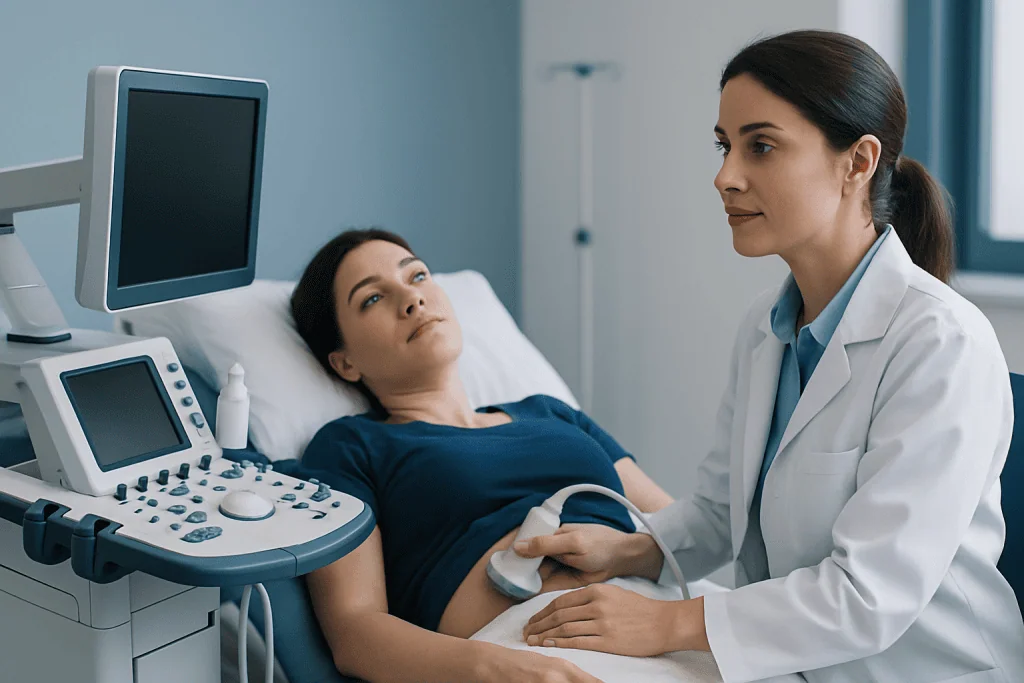
Many people have no symptoms at 8 DPO, whether or not they are pregnant. The absence of symptoms is normal and does not mean that pregnancy is impossible. When symptoms are present, they are often subtle and may feel identical to symptoms experienced before a period.
Possible 8 DPO symptoms include:
- Mild lower abdominal cramping or a pulling sensation
- Breast tenderness, fullness, or nipple sensitivity
- Fatigue or feeling unusually sleepy
- Bloating, constipation, or increased gas
- Headache, mild nausea, or appetite changes
- Mood changes, irritability, or increased emotional sensitivity
- Light spotting or vaginal discharge changes
These experiences vary widely. Mild pelvic sensations can occur as the uterine lining responds to progesterone, while digestive changes may reflect the same hormone’s effect on the gastrointestinal tract. Nausea is possible in early pregnancy but is more commonly noticed later, after pregnancy hormone levels have risen further.
Why Symptoms Happen at 8 DPO
The main hormone influencing the body after ovulation is progesterone. It is produced by the corpus luteum, a temporary structure in the ovary that develops after the egg is released. Progesterone helps prepare the uterine lining for a possible pregnancy and can also affect the breasts, bowel habits, energy levels, mood, and body temperature.
When fertilization and implantation occur, the developing pregnancy begins producing human chorionic gonadotropin (hCG). This hormone supports the corpus luteum so progesterone production continues. At 8 DPO, however, hCG may not yet be detectable in urine, particularly if implantation happened later than expected.
Light spotting is sometimes described as implantation bleeding, but it is not a dependable sign of pregnancy. Spotting can also be caused by hormonal fluctuations, cervical irritation, infection, contraception, or the beginning of a menstrual period. Any new, persistent, or unusual bleeding should be discussed with a clinician.
Pregnancy Symptoms or Premenstrual Symptoms?
Early pregnancy symptoms and premenstrual syndrome (PMS) overlap because both are influenced by progesterone. Breast soreness, cramps, bloating, fatigue, acne, food cravings, mood changes, and headaches can all occur before a period as well as in early pregnancy. This overlap can make the “two-week wait” emotionally challenging for people trying to conceive.
Symptoms that continue after a missed period, especially alongside a positive pregnancy test, are more suggestive of pregnancy. Still, symptom intensity does not indicate whether a pregnancy is healthy, and a lack of symptoms does not predict an unfavorable outcome. Pregnancy experiences differ substantially between individuals and even between pregnancies in the same person.
Other conditions can also cause pelvic discomfort, irregular bleeding, or fatigue. For example, menstrual changes may sometimes relate to endometriosis, thyroid conditions, ovarian cysts, infection, stress, or changes in body weight and exercise. A doctor can help assess symptoms that are recurrent, disruptive, or different from a person’s usual cycle pattern.
Pregnancy Testing at 8 DPO
A home urine pregnancy test at 8 DPO may give a positive result in some pregnancies, but a negative result is common at this stage and does not rule pregnancy out. Test accuracy depends on when implantation occurred, the sensitivity of the test, how concentrated the urine is, and the accuracy of ovulation timing.
For the most dependable home result, many clinicians recommend testing on the first day of a missed period or later. If testing earlier, using first-morning urine may improve the chance of detecting low hCG levels. A negative result can be repeated after a few days if the period has not started.
A blood hCG test can sometimes detect pregnancy earlier than a urine test, but it is not routinely necessary for every early test. A healthcare professional may recommend blood testing when there is uncertainty about dates, fertility treatment, prior pregnancy complications, bleeding, pain, or other clinical concerns.
Practical Self-Care During the Two-Week Wait
While waiting to test, it is reasonable to follow health habits that support general wellbeing and are appropriate if pregnancy is possible. This includes eating regular, nourishing meals, drinking fluids, getting sufficient sleep, and choosing gentle physical activity if it feels comfortable. Stress management practices such as breathing exercises, walking, journaling, or speaking with a trusted person may also be helpful.
People who are trying to conceive are generally advised to take a prenatal vitamin containing folic acid, unless a clinician has advised otherwise. Avoiding smoking, recreational drugs, and alcohol is important when pregnancy is possible. Before starting, stopping, or continuing medicines and supplements, it is safest to check with a pharmacist or healthcare professional.
Mild cramps may improve with rest, hydration, or a warm compress. It is important not to assume that all pain is normal, particularly when pain is severe, one-sided, worsening, or accompanied by bleeding. Those receiving fertility treatment should follow their fertility team’s individual guidance rather than changing medications based on symptoms or home test results alone.
When to Seek Medical Care
Medical advice is appropriate for symptoms that are severe, persistent, or unusual for the individual. Urgent assessment is important for heavy vaginal bleeding, severe or one-sided pelvic pain, shoulder-tip pain, fainting, marked dizziness, fever, or feeling very unwell. These symptoms can have several causes and should not be self-diagnosed.
Anyone with a positive pregnancy test and pain or bleeding should contact a healthcare professional promptly. Early assessment may include a pregnancy test, blood tests, pelvic examination, or ultrasound, depending on the symptoms and timing. This is particularly important because ectopic pregnancy can cause pain and bleeding and requires timely care.
A clinician can also help if periods are frequently irregular, pregnancy has not occurred after a period of trying, or symptoms such as pelvic pain and abnormal bleeding recur. Acibadem International’s multidisciplinary specialists and JCI-accredited hospitals diagnose and treat reproductive health concerns for international patients.
Frequently asked questions
Can 8 DPO symptoms mean pregnancy?
They can occur in early pregnancy, but they cannot confirm it. At 8 DPO, symptoms commonly overlap with normal progesterone-related changes before a period. A pregnancy test after a missed period is more reliable.
Is cramping normal at 8 DPO?
Mild cramping can occur after ovulation and before a period because of normal hormonal changes. It may also occur in early pregnancy, but it is not a specific pregnancy sign. Severe, worsening, or one-sided pain should be medically assessed.
Can a pregnancy test be positive at 8 DPO?
Some sensitive home tests may be positive at 8 DPO, but many pregnancies will not yet produce enough hCG for detection in urine. A negative test at this point is not definitive. Retesting after a few days or on the day the period is due is usually more informative.
What does implantation feel like at 8 DPO?
Many people do not feel implantation at all. Some report mild cramps, light spotting, or no clear symptoms, but these sensations can also be caused by premenstrual hormonal changes. Symptoms alone cannot confirm that implantation has taken place.
Is spotting at 8 DPO always implantation bleeding?
No. Light spotting can happen for several reasons, including hormonal fluctuations, cervical irritation, infection, or the start of a menstrual period. If bleeding becomes heavy, painful, recurrent, or occurs with dizziness, medical advice is important.
When should someone contact a doctor after a positive pregnancy test?
Routine prenatal care should be arranged after a positive result according to local healthcare guidance. Prompt medical contact is needed if there is bleeding, pelvic pain, fainting, fever, or severe nausea and vomiting. People with previous ectopic pregnancy, recurrent miscarriage, or fertility treatment may need earlier individualized advice.
References
- American College of Obstetricians and Gynecologists
- National Health Service
- Mayo Clinic
- Office on Women's Health, U.S. Department of Health and Human Services
- World Health Organization
This article is for general information only and is not a substitute for professional medical advice. Please consult a qualified doctor about your individual situation.
Persistent digestive symptoms? Get evaluated in Turkey
JCI-accredited · board-certified surgeons · reply within 24h
Add us as a Preferred Source to see more of our trusted health content across Google Search, AI Overviews and Discover.
Check your numbers in seconds
BMI, calories, due date, blood pressure and 30+ more clinical calculators — free, instant, doctor-reviewed ranges.

More from the Health Library



Related Specialists

Assoc. Prof. Dr. Eser Çolak
Vitro Fertilization and Reproductive Medicine Center
Dr. Selcen Bahadır
Gynecology & Obstetrics
Dr. Olcay İsbir
Anesthesiology
Prof. Dr. Fatih Oğuz Önder
Gastroenterology