Achilles Heel Pain: Possible Causes and When to Seek Care

Achilles heel pain commonly relates to overuse, tendon irritation, or small tears in the Achilles tendon. Pain at the back of the heel is different from pain under the heel, which may point to other conditions.
Key Takeaways
- Achilles heel pain commonly relates to overuse, tendon irritation, or small tears in the Achilles tendon.
- Pain at the back of the heel is different from pain under the heel, which may point to other conditions.
- Early care often includes activity adjustment, supportive footwear, and guided rehabilitation.
- Sudden severe pain, a popping sensation, major swelling, or trouble pushing off the foot needs urgent evaluation.
- Persistent symptoms should be assessed to confirm the cause and prevent long-term tendon damage.
Achilles heel pain usually develops when the Achilles tendon or tissues around the back of the heel become irritated, overloaded, or injured. It can range from mild morning stiffness to sharp pain after activity, and some patterns need prompt medical assessment.
What Achilles heel pain usually means
Achilles heel pain most often means there is irritation where the Achilles tendon runs down the back of the ankle and attaches to the heel bone. The tendon connects the calf muscles to the heel and helps with walking, climbing stairs, running, and pushing off the ground. When it is overloaded or injured, pain may be felt directly in the tendon, at its attachment to the heel, or in the nearby tissues.
This symptom can have more than one cause. In many people, it is linked to overuse, tight calf muscles, a sudden increase in training, or footwear that places repeated pressure on the back of the heel. In others, it may reflect a more specific problem such as Achilles tendonitis, degeneration of the tendon, bursitis, or a partial or complete tear.
A helpful distinction is the location of the pain. Achilles-related pain is usually felt at the back of the heel or a little higher up in the lower leg. Pain that is mainly under the heel may suggest a different issue, such as plantar fasciitis, although some people can have more than one cause of heel discomfort at the same time.
How the pain can feel
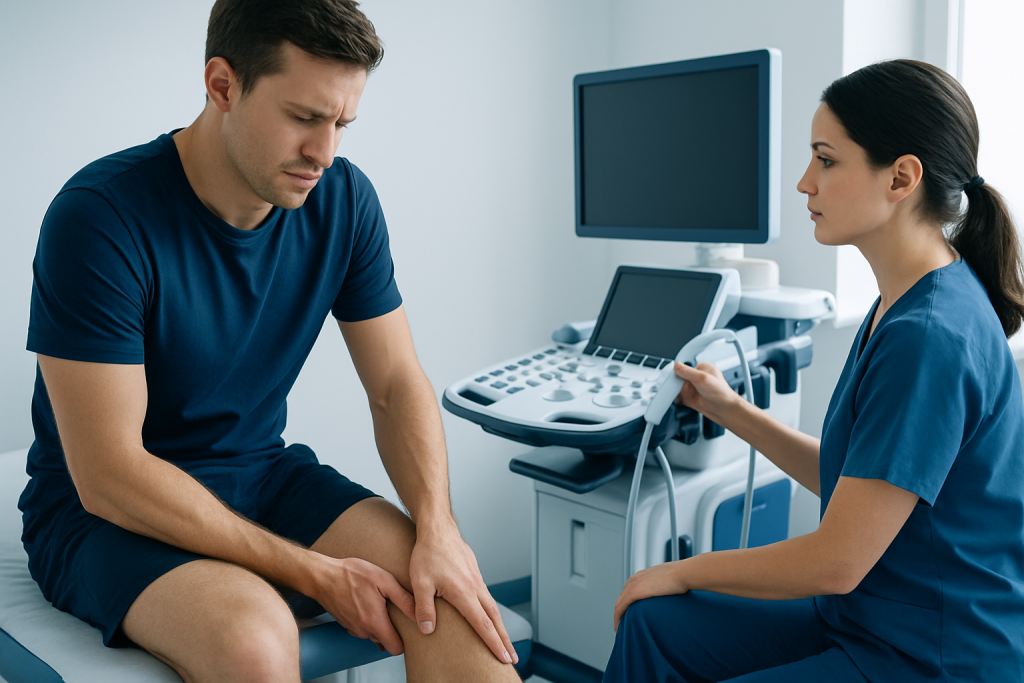
Achilles heel pain can start gradually or happen more suddenly. Some people notice stiffness and aching with the first steps in the morning, then mild improvement as they move around. Others feel soreness during or after exercise, especially after running uphill, sprinting, jumping, or long walks.
The discomfort may feel dull, tight, burning, or sharp. There can also be swelling, warmth, or thickening along the tendon. If the pain is near the tendon’s attachment to the heel, shoes with a firm heel counter may rub the area and make it more uncomfortable.
Symptoms that deserve special attention include pain that worsens quickly, a visible change in the shape of the tendon, sudden weakness, or difficulty standing on tiptoe. A popping or snapping feeling at the back of the ankle can suggest a tendon rupture and should be assessed promptly.
- Morning stiffness at the back of the heel
- Pain with stairs, running, or pushing off the foot
- Tenderness when pressing the tendon
- Swelling or thickening above the heel
- Pain made worse by tight or rigid shoes
Possible causes of pain at the back of the heel
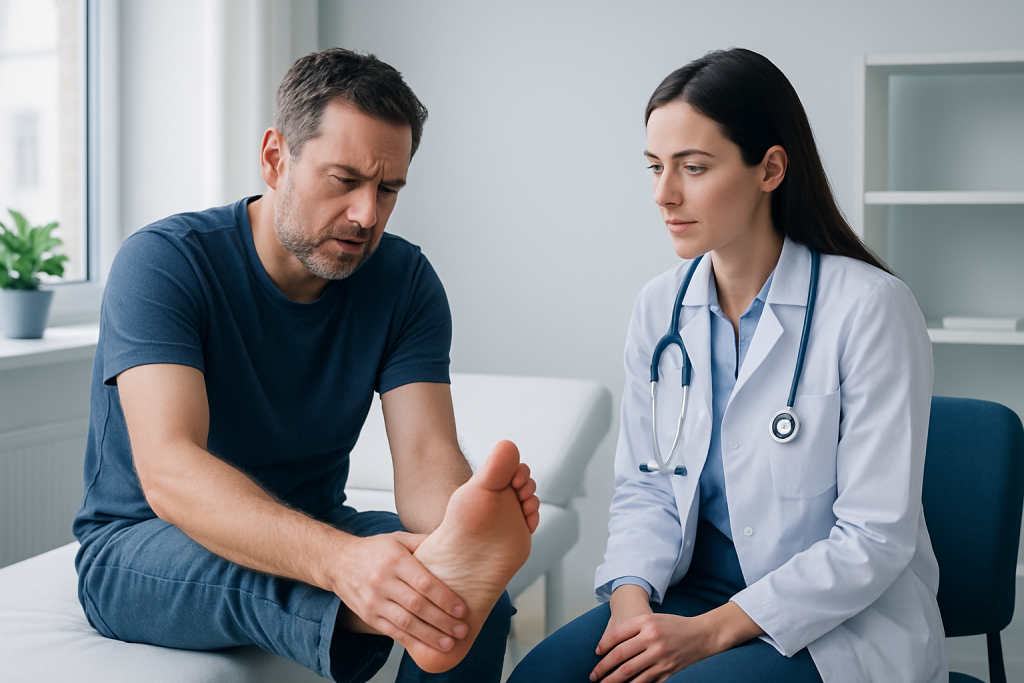
The most common cause is tendon overload. This can lead to irritation or inflammation early on and, over time, changes in the tendon structure known as tendinopathy. The tendon may become less able to handle repeated force, especially if training intensity rises too quickly or recovery time is limited.
Another possible cause is insertional Achilles pain, which affects the point where the tendon attaches to the heel bone. This may occur with bony prominence at the back of the heel, irritation of a nearby bursa, or chronic traction on the tendon attachment. Symptoms are often worse with pressure from shoes and with walking uphill.
Less common but important causes include a partial tear, a complete rupture, inflammatory joint disease, or certain medication effects. Calf strain, ankle arthritis, and nerve-related pain can also sometimes be confused with Achilles pain. Because treatment depends on the cause, persistent or severe symptoms should not be self-diagnosed for long periods.
In some cases, imaging and specialist review help distinguish tendon irritation from other conditions. This can be particularly helpful when symptoms have not improved with simple measures or when there is concern about a more serious tendon injury such as Achilles tendon rupture.
Risk factors that make Achilles heel pain more likely
Achilles heel pain is often linked to mechanical load. Risk increases when a person suddenly increases mileage, changes running surfaces, starts hill training, or returns to exercise after a period of inactivity. Sports that involve jumping, quick acceleration, or abrupt direction changes also place high stress on the tendon.
Body mechanics matter as well. Tight calf muscles, limited ankle flexibility, weak calf or hip muscles, and foot posture differences can all affect how force travels through the tendon. Footwear with poor support or worn-out soles may contribute, particularly during prolonged walking or running.
Age can play a role because tendons often become less resilient over time. Certain health conditions, including inflammatory arthritis and metabolic disorders, may increase vulnerability. Some medications have also been associated with tendon injury risk, so a doctor may ask about recent antibiotic or steroid use as part of the evaluation.
How doctors diagnose the cause
Diagnosis begins with a careful history and physical examination. A doctor will usually ask when the pain began, whether activity changed recently, where the pain is located, and whether there was a sudden pop, swelling, or loss of strength. They will also assess walking, ankle motion, calf tightness, tenderness, and the tendon’s shape.
Many cases of mild to moderate overuse-related Achilles pain can be diagnosed clinically. However, imaging may be useful when the diagnosis is uncertain, symptoms are prolonged, or a tear is suspected. Ultrasound can show tendon thickening, inflammation, bursitis, and some tears. MRI may be recommended for more complex cases or to guide treatment planning.
The goal is not only to confirm that the Achilles tendon is involved, but also to determine exactly which part of the tendon or surrounding structures are affected. If a rupture is suspected, timely assessment is important because treatment decisions can be time-sensitive. Depending on the findings, some patients may benefit from evaluation in orthopedics and traumatology or a rehabilitation setting such as physical therapy and rehabilitation.
Treatment and recovery options
Treatment depends on the cause, the severity of symptoms, and whether the problem is recent or long-standing. For many people with overuse-related Achilles heel pain, early treatment focuses on reducing tendon strain rather than complete rest. This may include temporarily cutting back on painful activities, avoiding sprinting or hills, and choosing footwear that reduces pressure at the back of the heel.
Guided exercise therapy is a central part of recovery. A structured rehabilitation plan often includes calf stretching when appropriate, gradual strengthening, and controlled loading of the tendon. These programs are usually adjusted based on whether the pain is in the middle portion of the tendon or at its insertion on the heel, because some exercises that help one type may aggravate the other.
Other supportive measures may include ice after activity, short-term pain relief strategies advised by a clinician, heel lifts in selected cases, and modification of training technique. If symptoms do not improve, a specialist may consider additional treatments, especially when imaging shows significant tendon degeneration, bursitis, or tearing.
Surgery is not needed for most cases of Achilles tendinopathy, but it may be considered for complete ruptures or symptoms that remain disabling despite well-supervised conservative care. When operative care is required, evaluation by specialists in orthopedic surgery can help determine the most suitable approach.
Self-care and prevention
Self-care is most effective when it supports healing without overloading the tendon. People with Achilles heel pain often do better when they avoid the “push through it” approach. Continuing the same painful activity at full intensity can prolong symptoms and raise the risk of more significant injury.
Simple prevention habits include increasing exercise gradually, warming up before sport, allowing recovery days, and replacing worn shoes. Calf and lower-limb strengthening may improve the tendon’s ability to tolerate force over time. People who have had Achilles pain before may benefit from returning to activity in stages rather than all at once.
Home measures can help with milder symptoms, but they should be used thoughtfully. Helpful steps may include relative rest, gentle mobility work, ice after aggravating activity, and selecting shoes that do not rub the back of the heel. If pain lasts more than a few weeks, recurs often, or interferes with normal walking, professional assessment is sensible.
Near the end of the care pathway, some patients need coordinated input from orthopedists, sports medicine doctors, and rehabilitation specialists. Acibadem International’s multidisciplinary specialists and JCI-accredited hospitals evaluate and treat musculoskeletal conditions, including Achilles tendon problems, for international patients.
When to seek medical care
Medical care is important if Achilles heel pain is severe, persistent, or affecting daily activities. A person should seek prompt evaluation if there is sudden pain after a push-off movement, a popping sensation, marked swelling, bruising, or an inability to stand on tiptoe. These features can suggest a significant tendon tear or rupture.
It is also wise to see a doctor if pain does not improve after a short period of activity modification, if the area becomes increasingly swollen or warm, or if walking becomes difficult. People with diabetes, inflammatory arthritis, or a recent history of medications linked to tendon problems should be especially cautious.
Urgent care may be needed if there is fever, spreading redness, severe calf swelling, or symptoms after a major injury, because these can indicate conditions other than simple tendon overload. A clear diagnosis helps guide safe treatment and lowers the chance of long-term weakness or repeated flare-ups.
Frequently asked questions
Is Achilles heel pain the same as plantar fasciitis?
No. Achilles heel pain is usually felt at the back of the heel or just above it, where the tendon attaches or runs down the ankle. Plantar fasciitis usually causes pain under the heel, especially with the first steps in the morning.
Can Achilles heel pain go away on its own?
Mild symptoms may settle with activity adjustment and supportive care, especially if the tendon is not significantly injured. However, pain that persists, keeps returning, or worsens with normal walking should be assessed because ongoing overload can delay healing.
Should a person keep exercising with Achilles heel pain?
That depends on the severity and the activity. High-impact exercise that clearly worsens the pain is usually reduced or paused for a period, while a clinician may recommend safer alternatives and a gradual strengthening plan.
What are signs of a torn Achilles tendon?
Warning signs include a sudden sharp pain in the back of the ankle, a popping sensation, rapid swelling, bruising, and weakness when pushing off the foot. Some people feel as if they were kicked or hit in the heel. These symptoms need prompt medical evaluation.
Do shoes matter for Achilles heel pain?
Yes. Shoes that rub the back of the heel or provide poor support can aggravate symptoms, especially insertional pain near the heel bone. Footwear changes, and sometimes temporary heel lifts, may reduce strain while the tendon recovers.
When is imaging needed for Achilles heel pain?
Imaging is not always necessary for straightforward overuse-related pain. It is more likely to be used when the diagnosis is uncertain, symptoms are prolonged, treatment is not helping, or a partial or complete rupture is suspected.
References
- American Academy of Orthopaedic Surgeons
- National Institute of Arthritis and Musculoskeletal and Skin Diseases
- NHS
- Mayo Clinic
- American Orthopaedic Foot & Ankle Society
This article is for general information only and is not a substitute for professional medical advice. Please consult a qualified doctor about your individual situation.
Joint and spine care in Turkey — expert assessment & treatment
JCI-accredited · board-certified surgeons · reply within 24h
Add us as a Preferred Source to see more of our trusted health content across Google Search, AI Overviews and Discover.