ACL Rehab Waltham: An Evidence-Based Patient Guide
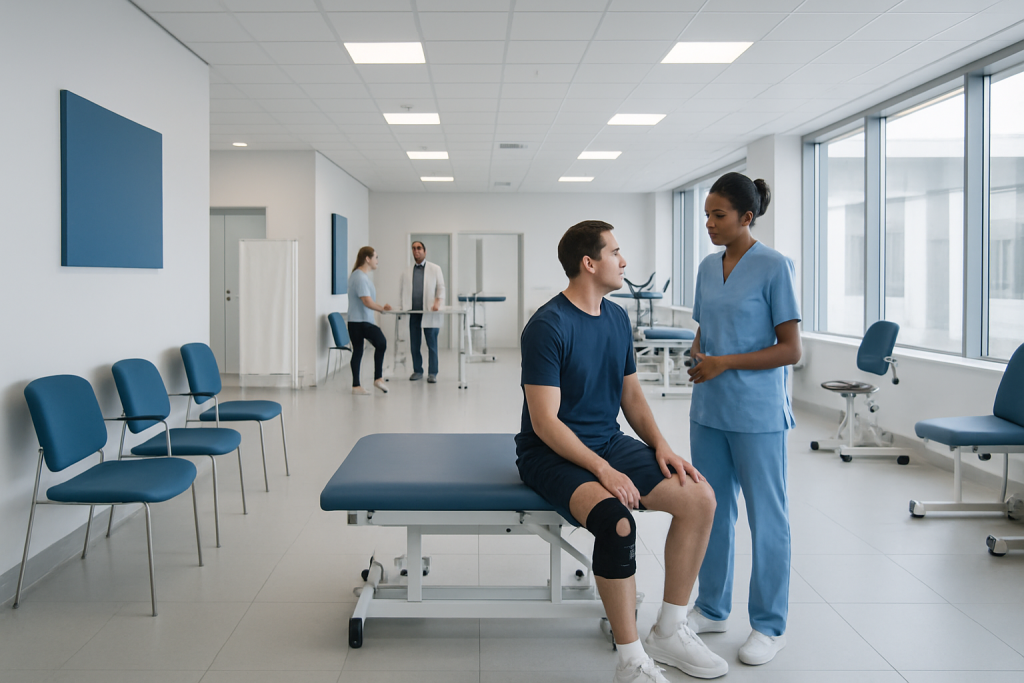
ACL rehabilitation is usually goal-based and progresses when the knee meets specific functional milestones, not simply when a certain number of weeks has passed. Early priorities commonly include reducing swelling, restoring full knee straightening, regaining quadriceps control, and walking with a normal pattern.
Key Takeaways
- ACL rehabilitation is usually goal-based and progresses when the knee meets specific functional milestones, not simply when a certain number of weeks has passed.
- Early priorities commonly include reducing swelling, restoring full knee straightening, regaining quadriceps control, and walking with a normal pattern.
- Exercise progresses from mobility and basic strengthening to balance, running, jumping, cutting, and sport-specific drills when appropriate.
- Not everyone with an ACL tear needs surgery; the best plan depends on knee stability, activity goals, associated injuries, and personal circumstances.
- Returning to pivoting sports before strength and movement testing are satisfactory may increase the chance of another knee injury.
- Persistent swelling, worsening pain, calf symptoms, fever, or a sudden loss of knee motion should be assessed promptly.
ACL rehab Waltham should be individualized rather than based only on a calendar. Evidence-based rehabilitation uses measurable recovery goals—such as swelling control, full knee extension, strength, balance, and movement quality—to guide a safe return to daily life, work, and sport after an ACL injury or reconstruction.
Overview: what ACL rehabilitation involves
ACL rehab Waltham refers to the structured rehabilitation used after an anterior cruciate ligament (ACL) injury, whether a person is treated without surgery or has ACL reconstruction. The ACL is a major ligament inside the knee that helps control rotation and forward movement of the shin bone. A rehabilitation plan aims to restore comfortable daily movement, knee stability, strength, coordination, and confidence at a pace that fits the individual.
Modern care is typically criterion-based. This means a physiotherapist and orthopedic clinician consider symptoms and functional measures—such as knee swelling, range of motion, quadriceps strength, single-leg control, and activity demands—rather than advancing every patient according to the same timetable. This approach aligns with widely used ACL rehab clinical practice guidelines and recognizes that recovery rates vary.
Rehabilitation can begin soon after injury or surgery, with adjustments for procedures such as meniscus repair, cartilage treatment, or other ligament injuries. The plan should be coordinated with the surgeon when surgery has been performed, since surgical details can change weight-bearing and movement precautions.
Who may benefit and how clinicians plan care
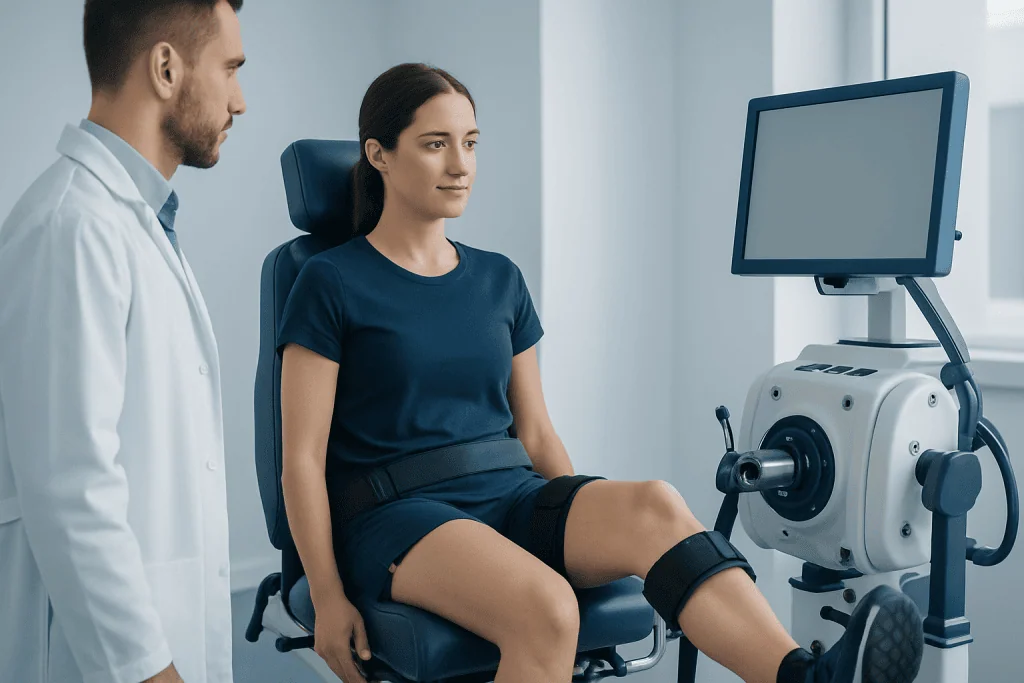
People with a confirmed or suspected ACL tear may benefit from rehabilitation, including recreationally active adults, competitive athletes, workers with physically demanding jobs, and people seeking a stable, confident knee for everyday activity. Some individuals can function well with structured nonoperative rehabilitation, particularly if they do not regularly participate in pivoting or contact sports and do not experience repeated episodes of the knee giving way.
ACL reconstruction may be considered when instability continues despite rehabilitation, when a person plans to return to pivoting sports, or when there are associated injuries that need surgical management. The decision is personal and should account for age, overall health, knee anatomy, work and sport requirements, rehabilitation access, and goals. Surgery is not a substitute for rehabilitation; a substantial recovery program is still needed after reconstruction.
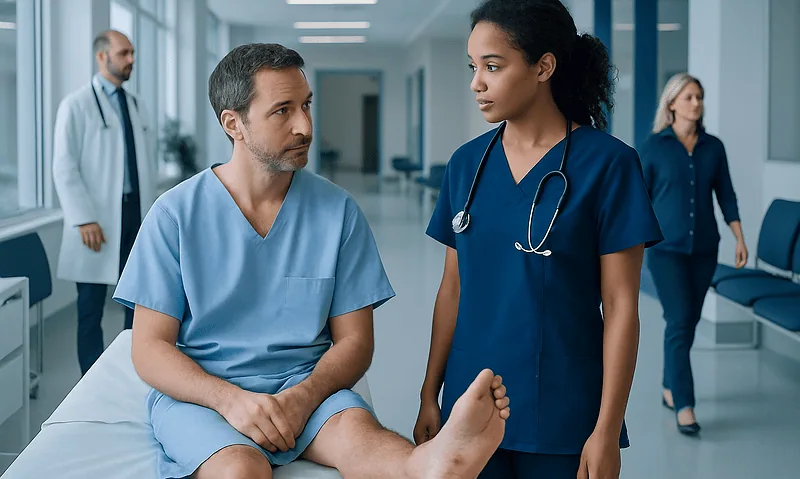
An initial assessment usually includes a history of the injury, examination of knee motion and swelling, stability testing, walking assessment, and strength or movement testing when safe. X-rays may be used to assess bone injury, while magnetic resonance imaging can help identify an ACL tear and associated meniscus, cartilage, or ligament damage. An orthopedic specialist can explain options for ACL reconstruction when it is appropriate.
How an ACL rehabilitation protocol works
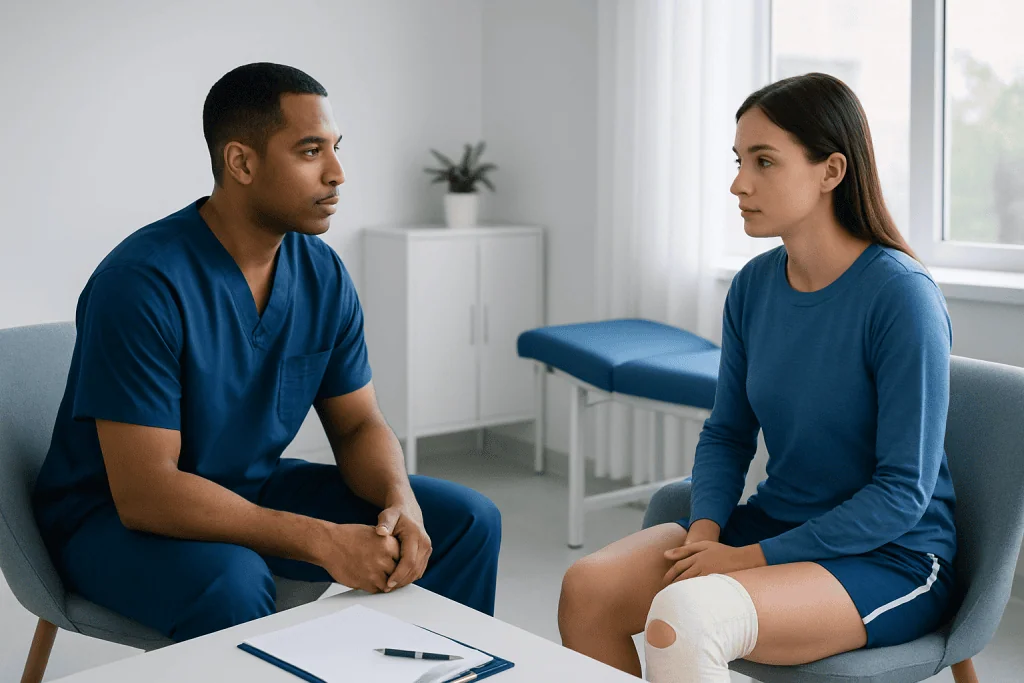
A sound ACL rehab protocol with exercises is organized in overlapping phases rather than rigid weekly blocks. Early work often focuses on pain and swelling management, full knee extension, gradual bending, quadriceps activation, and safe mobility. Ice, compression, elevation, and activity adjustment may be advised for short-term symptom control, but the treating team should tailor these measures to the person.
As symptoms settle, exercise commonly progresses to progressive resistance training for the quadriceps, hamstrings, hips, and calf muscles. Balance, landing mechanics, trunk control, and single-leg tasks are also important because the ACL helps manage dynamic movement, not just simple straight-line motion. Exercises may include supported squats, step-ups, bridges, leg presses, controlled knee-extension work, cycling, and later hopping or agility drills, depending on the stage of recovery.
Programs described online, including discussions of ACL rehab E3 Rehab approaches, can be useful educational starting points but should not replace an individualized assessment. Exercise selection, load, range of motion, and progression must account for swelling, pain, surgery type, healing restrictions, and movement quality. A clinician can also identify related concerns such as a meniscus tear, which may require modified precautions.
Walking, exercise progression, and recovery timeline
ACL rehab walking begins with safety and gait quality. After surgery, crutches and a brace may be recommended for a limited period, particularly if other structures were repaired. The aim is usually to transition away from walking aids only when the person can fully straighten the knee, control the leg well, and walk without a significant limp. Pushing through a limp can reinforce poor movement patterns and may aggravate symptoms.
Many people regain basic daily function in the first several weeks, but biological healing and neuromuscular recovery continue much longer. Running is commonly introduced only after adequate knee motion, minimal swelling, good single-leg control, and sufficient strength are demonstrated. Jumping, cutting, pivoting, and sport-specific training are later stages, often requiring months of progressive preparation.
Return to unrestricted pivoting sport is not determined by time alone. Clinicians commonly consider the absence of significant swelling or giving way, psychological readiness, sport-specific capacity, and objective tests of strength, hop performance, balance, and movement control. After ACL reconstruction, return to high-demand sport often takes many months, and some people require longer. An ACL rehabilitation protocol Massachusetts-based clinicians use should follow these same evidence-informed principles while reflecting local access to physiotherapy, orthopedic follow-up, and the person’s daily needs.
- Early phase: manage swelling, restore knee straightening, activate muscles, and regain safe walking.
- Strength phase: progressively load the legs and improve balance, control, and endurance.
- Performance phase: develop running, jumping, deceleration, direction change, and task-specific skills.
- Return-to-activity phase: use objective testing and a gradual exposure plan for work or sport demands.
Benefits, limits, and possible risks
The main benefits of structured ACL rehabilitation are improved knee movement, stronger leg muscles, better balance and confidence, and a more reliable return to valued activities. Whether managed with or without surgery, rehabilitation can also help reduce episodes of instability and teach safer movement strategies for sport, work, and everyday tasks.
Recovery is not always linear. Temporary stiffness, muscle soreness, fatigue, and mild symptom fluctuations can occur as activity increases. However, recurrent large swelling, repeated buckling, failure to regain knee extension, or a steadily worsening limp should be discussed with the care team rather than managed by simply increasing exercise.
Potential complications after ACL reconstruction include infection, blood clots, joint stiffness, persistent pain, graft problems, and reinjury. These are not expected outcomes, but understanding them supports informed follow-up. The risk of a new ACL injury—either in the reconstructed knee or the other knee—can remain present after return to sport, which is why completion of progressive strength and neuromuscular training matters.
Self-care between appointments
Consistency is usually more valuable than occasional intense exercise sessions. Patients should follow the prescribed home program, attend reassessments, and communicate honestly about swelling, pain, instability, and activity demands. Tracking these symptoms can help the clinician adjust training load before a minor flare becomes a larger setback.
Sleep, adequate nutrition, hydration, and avoiding tobacco support general healing and training recovery. A balanced eating pattern with sufficient protein and overall energy intake is particularly relevant during periods of muscle rebuilding. No supplement has been shown to replace appropriately progressed rehabilitation, and patients should check with a clinician before using supplements, especially if they take medicines or have health conditions.
People should avoid comparing their recovery too closely with another patient’s timeline. A person recovering from an isolated ACL reconstruction may progress differently from someone with a meniscus repair, cartilage injury, previous knee surgery, or lower starting fitness. The safest plan is the one that responds to the individual knee and the required activities.
When to seek medical care
Prompt medical assessment is appropriate after a knee injury that causes a pop, immediate swelling, inability to bear weight, a visible deformity, locking, or a sensation that the knee repeatedly gives way. These symptoms do not always mean an ACL tear, but they may indicate an injury that needs examination and imaging.
During rehabilitation, patients should contact their clinician promptly for worsening redness or warmth around surgical wounds, fever, drainage, increasing pain that does not settle, new calf pain or swelling, chest pain, shortness of breath, or sudden marked loss of knee motion. Emergency care is needed for chest pain, breathing difficulty, or other severe symptoms.
For nonurgent concerns, an orthopedic clinician and physiotherapist can review progress, refine the program, and discuss barriers to recovery. Acibadem International’s multidisciplinary specialists and JCI-accredited hospitals support assessment and treatment planning for international patients with ACL injuries and related knee conditions.
Frequently asked questions
How long does ACL rehabilitation take?
The timeline depends on whether treatment is nonoperative or includes reconstruction, as well as associated injuries and the person’s goals. Basic daily activities may improve within weeks, while return to running, pivoting sports, or physically demanding work often requires many months of structured progression. Readiness should be based on symptoms and functional testing, not the calendar alone.
Can an ACL tear heal without surgery?
The ACL does not usually heal back to its original function after a complete tear, but some people can achieve good knee function without reconstruction through rehabilitation and activity modification. Nonoperative treatment may be reasonable when the knee remains stable and the person’s activities do not require frequent pivoting or cutting. An orthopedic assessment helps determine the best option.
When can a person walk normally after ACL surgery?
Walking recovery varies according to surgical details and whether other structures, such as the meniscus, were repaired. Crutches may be used initially, and normal walking is generally encouraged only when knee extension, leg control, and gait quality are adequate. The surgeon and physiotherapist should provide individualized weight-bearing instructions.
What exercises are commonly included in ACL rehab?
Programs commonly include range-of-motion work, quadriceps and hamstring strengthening, hip and calf exercises, balance training, and progressively more demanding single-leg tasks. Later stages may include running, hopping, landing, and change-of-direction drills. The right exercises and their timing depend on symptoms, surgical restrictions, and movement quality.
Why is full knee extension important after ACL reconstruction?
Being able to fully straighten the knee is important for efficient walking, quadriceps function, and long-term knee mechanics. Persistent loss of extension can contribute to a limp and difficulty with daily activities. Patients who struggle to regain extension should inform their rehabilitation team early.
Can someone return to sport after ACL rehabilitation?
Many people return to sport, but return should be gradual and based on objective assessment of strength, movement control, symptoms, confidence, and sport-specific demands. Completing rehabilitation and a structured return-to-sport plan may help lower reinjury risk. The final decision should be made with the treating clinician and rehabilitation professional.
References
- American Academy of Orthopaedic Surgeons
- American Physical Therapy Association
- National Institute of Arthritis and Musculoskeletal and Skin Diseases
- American Orthopaedic Society for Sports Medicine
This article is for general information only and is not a substitute for professional medical advice. Please consult a qualified doctor about your individual situation.
Joint and spine care in Turkey — expert assessment & treatment
JCI-accredited · board-certified surgeons · reply within 24h
Add us as a Preferred Source to see more of our trusted health content across Google Search, AI Overviews and Discover.