

ACL Repair Protocol: Procedure, Recovery and Results
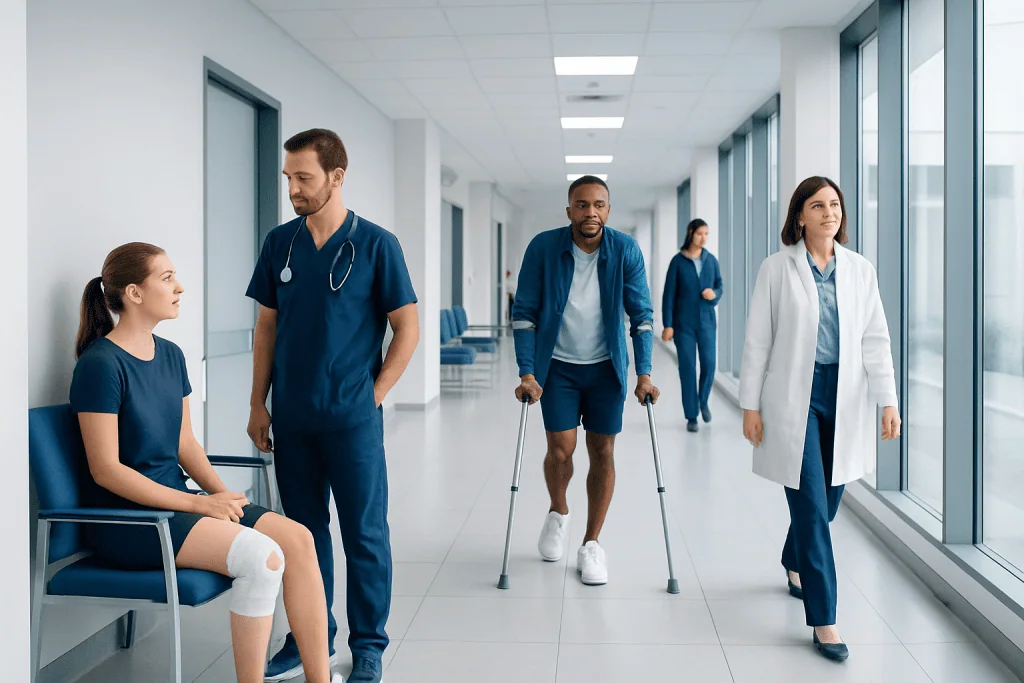
ACL surgery may involve repairing selected tears or, more commonly, reconstructing the ligament with a graft. Rehabilitation progresses from controlling swelling and restoring knee motion to rebuilding strength, balance and sport-specific skills.
Key Takeaways
- ACL surgery may involve repairing selected tears or, more commonly, reconstructing the ligament with a graft.
- Rehabilitation progresses from controlling swelling and restoring knee motion to rebuilding strength, balance and sport-specific skills.
- Return to pivoting or contact sports should be based on clinical assessment and functional testing, not only the number of months since surgery.
- Most people regain good daily function, but no surgery can guarantee a return to the exact pre-injury level.
- Long-term knee health also depends on preventing new injuries, maintaining strength and managing associated meniscus or cartilage damage.
An ACL repair protocol is an individualized plan covering surgical care, progressive rehabilitation and safe return to daily activity or sport after an anterior cruciate ligament injury. While early movement and strength work begin soon after surgery, full recovery commonly takes 9–12 months and depends on knee function rather than time alone.
Overview: what is an ACL repair protocol?
An ACL repair protocol is the coordinated plan used before and after treatment for a torn anterior cruciate ligament (ACL), one of the main stabilizing ligaments inside the knee. It describes how clinicians assess the injury, whether surgery is appropriate, how rehabilitation is advanced and how readiness for work, exercise or sport is checked. The plan is individualized because tear pattern, associated injuries, activity goals and healing response differ between people.
In everyday language, “ACL repair” is often used for any ACL operation. In practice, a true repair reconnects a suitable tear to the remaining ligament, while ACL reconstruction replaces the torn ligament with a tissue graft. Reconstruction remains the more common operation for complete or chronic ACL tears. A specialist can explain the options after examining the knee and reviewing imaging for an ACL tear.
A good acl repair recovery protocol prioritizes a calm, mobile knee with improving muscle control before higher-level exercise is introduced. It is not a fixed calendar or a generic acl repair protocol PDF. The treating surgeon and physiotherapist adjust restrictions and exercise progressions according to the operation performed and the person’s clinical milestones.
How the procedure works and who may be a candidate
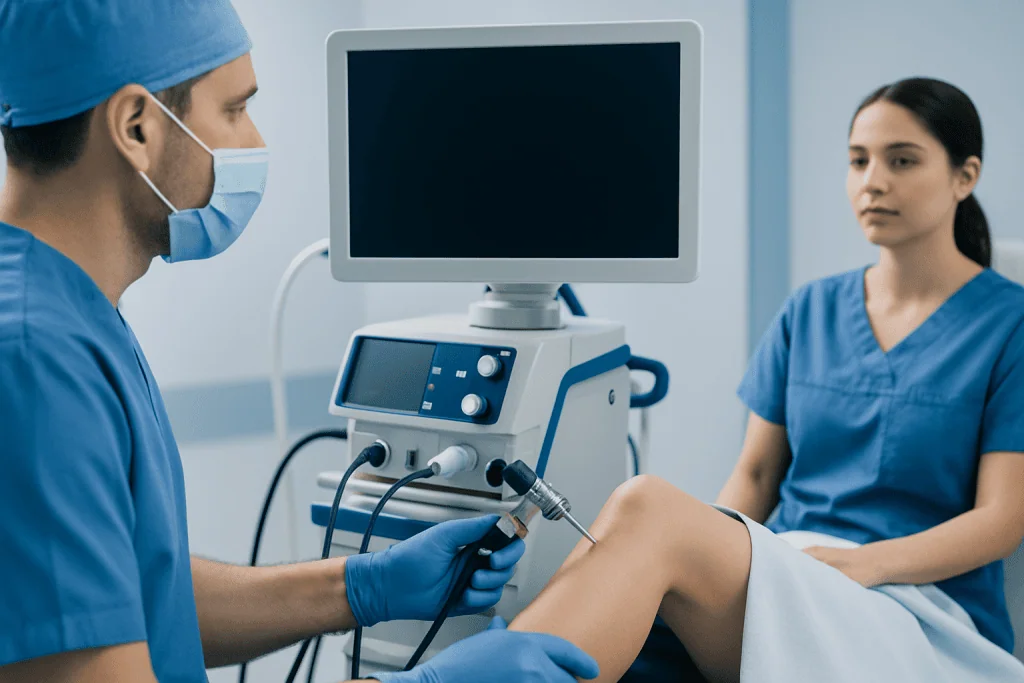
The ACL helps control forward movement and rotation of the shin bone relative to the thigh bone. A tear can cause a sudden pop, swelling, instability or a feeling that the knee gives way, particularly during turning, landing or rapid stopping. Some people can manage an ACL injury with structured rehabilitation alone, especially if they do not experience instability and do not plan to return to pivoting sports.
Surgery may be considered when knee instability continues despite rehabilitation, when a person wishes to return to pivoting or contact activities, or when there are related injuries such as a repairable meniscus tear. Age alone does not determine candidacy. The decision is based on symptoms, knee demands, examination findings, imaging, general health and personal goals.
Primary ACL repair may be considered in carefully selected people, generally when the tear is recent, located near where the ligament attaches to bone and the remaining tissue is of good quality. For many other tears, reconstruction is more reliable. Reconstruction commonly uses an autograft, meaning tissue from the person’s own tendon, or in selected situations an allograft from a screened donor.
Before surgery, clinicians often recommend prehabilitation. Reducing swelling, achieving near-full knee straightening and improving quadriceps activation can support safer postoperative recovery. The planned operation may also include treatment of meniscus, cartilage or other ligament injuries, which can change the rehabilitation restrictions.
Step by step: what happens during ACL surgery
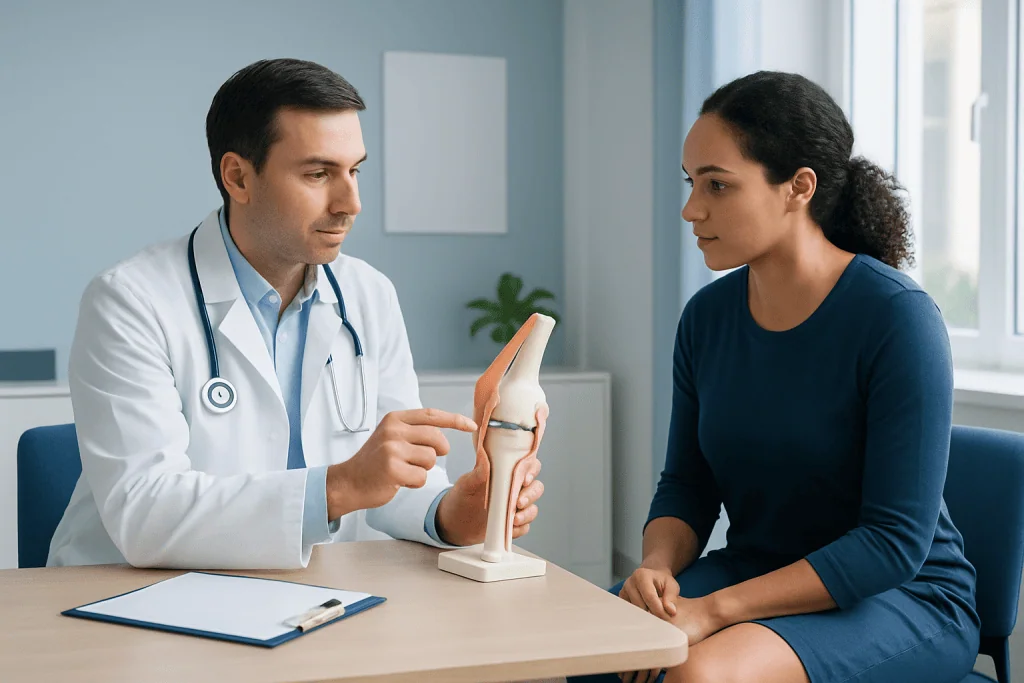
ACL surgery is usually performed with arthroscopy, using a small camera and slender instruments inserted through small incisions around the knee. It is carried out under anesthesia. The surgical team first inspects the joint to confirm the ACL injury and identify damage to the menisci, cartilage or other structures.
During a primary repair, the surgeon reattaches or stabilizes the torn ACL tissue, sometimes with added reinforcement depending on the technique. During reconstruction, the surgeon prepares the selected graft, creates precisely positioned bone tunnels or sockets, and secures the graft to recreate the ligament’s path. The aim is to restore stable knee mechanics while allowing the graft to heal into place.
If a meniscus is repaired at the same operation, a person may need more cautious early weight-bearing or bending limits than after an isolated ACL procedure. Most patients begin guided movement and muscle-activation exercises soon after surgery, but the exact plan should always follow the surgeon’s instructions. More information on the surgical pathway may be found through ACL reconstruction treatment.
Patients are typically assessed after surgery to review wound healing, pain control, swelling, knee motion and use of crutches or a brace. Rehabilitation is a central part of the treatment; surgery alone does not restore strength, coordination or confidence in the knee.
ACL repair protocol rehab: phases and exercises
Early rehabilitation usually focuses on protecting the operation, controlling pain and swelling, restoring full knee straightening and reactivating the quadriceps muscle. Depending on the procedure, patients may use crutches and sometimes a brace for a defined period. Common early acl repair protocol exercises can include ankle movements, gentle quadriceps contractions, straight-leg raises when advised, and carefully guided knee bending and straightening.
As swelling settles and movement improves, rehabilitation progresses to walking retraining, stationary cycling when appropriate, balance work and progressively challenging strengthening for the quadriceps, hamstrings, hips and trunk. Strengthening the whole lower limb is important because knee control during landing and turning depends on more than the ACL itself. Exercises should be selected and progressed by a qualified physiotherapist rather than copied from an online acl repair rehab protocol PDF.
Later stages develop single-leg control, controlled jumping, landing mechanics, running and sport- or work-specific movements. Progression is based on the absence of concerning swelling or instability, adequate range of motion, quality of movement and objective strength testing. Pain that is sharp, increasing or associated with a new giving-way episode should be discussed with the care team rather than pushed through.
Rehabilitation also addresses confidence and fear of reinjury. A gradual approach, clear functional goals and communication between the patient, surgeon, physiotherapist and, where relevant, coach can help make return-to-activity decisions safer and more realistic.
How long does it take to recover from ACL repair surgery?
Recovery is gradual. Many people can perform basic daily activities with improving comfort during the first several weeks, although swelling and weakness may remain. Desk-based work may be possible earlier than physically demanding work, but timing varies with pain, mobility, commuting needs and the type of surgery. Driving should only resume when a person can safely control the vehicle and has medical clearance.
Jogging is often introduced only after the knee has adequate motion, minimal swelling, good walking control and sufficient strength. Running, jumping, cutting and pivoting require further training. For many people, return to unrestricted pivoting sport is considered no earlier than 9–12 months after reconstruction, and sometimes later. A repaired meniscus, cartilage procedure or slower functional progress can extend the timeline.
The most useful acl repair protocol rehab timeline is milestone-based rather than date-based. Clinicians may assess knee swelling, range of motion, ligament stability, strength symmetry, jump performance, landing quality and psychological readiness. Meeting these criteria helps reduce the chance of returning before the knee is prepared.
Recovery is not always linear. Temporary muscle soreness after a new exercise can be expected, but persistent swelling, loss of motion or worsening pain may mean the program needs adjustment. Regular follow-up supports timely changes to rehabilitation and activity plans.
Can you recover 100% from ACL surgery?
Many people recover excellent knee stability and return to their preferred daily activities after ACL surgery. Some return to the same level of sport, while others modify activities because of personal choice, changes in fitness, associated knee damage or concerns about reinjury. It is not possible to promise that every person will recover “100%” or return to exactly the same performance level as before injury.
Outcomes are influenced by the original injury, meniscus and cartilage health, graft or repair choice, surgical technique, rehabilitation quality, adherence to the program and safe return-to-sport timing. Restoring full knee extension, rebuilding quadriceps strength and practicing controlled movement are particularly important goals.
A successful result also includes long-term self-management. Continued lower-limb strength training, gradual workload increases and injury-prevention exercises can help protect the knee after formal physiotherapy ends. People who play jumping or pivoting sports may benefit from supervised neuromuscular training focused on landing, deceleration and cutting technique.
How strong is an ACL graft after 7 months?
At 7 months, an ACL graft is still undergoing biological remodeling and should not be judged by time alone. The graft changes after implantation as it becomes integrated into the knee and adapts to its new role. Although many people are running, strengthening and practicing advanced drills by this stage, the knee may not yet be ready for unrestricted cutting, pivoting or contact sport.
There is no single percentage that accurately describes graft strength at seven months for every person. Healing varies by graft type, surgical details, age, activity demands and the presence of other knee repairs. Equally important, the muscles and movement patterns that protect the graft may not have fully recovered without consistent rehabilitation.
Return-to-sport testing typically considers more than ligament healing. A clinician may evaluate quadriceps and hamstring strength, balance, hop tests, landing technique, knee symptoms and confidence. Passing appropriate functional criteria and following the surgeon’s advice is safer than using a seven-month milestone as an automatic clearance date.
What happens 20 years after ACL surgery?
Twenty years after ACL surgery, many people continue to have a stable and functional knee. However, a previous ACL injury can be associated with a higher long-term risk of <a href="https://acibademinternational.com/diseases/knee-osteoarthritis/”>knee osteoarthritis, especially when there was also meniscus or cartilage injury. Surgery can improve instability, but it does not erase all effects of the original joint trauma.
Some individuals may develop intermittent pain, stiffness, reduced tolerance for high-impact activity or further knee injuries over time. Others remain highly active with few symptoms. Maintaining a healthy body weight where appropriate, staying physically active, preserving leg strength and responding early to new swelling or instability can support knee health.
Long-term review is sensible if knee pain becomes persistent, swelling recurs, motion decreases or the knee begins giving way. Assessment may identify treatable issues such as meniscus problems, cartilage changes, muscle weakness or altered movement patterns. The appropriate management depends on symptoms and examination findings rather than imaging alone.
Risks, benefits and when to seek medical care
Potential benefits of ACL surgery include improved knee stability, fewer giving-way episodes and a clearer route back to demanding work or sport for suitable patients. Risks include infection, blood clots, bleeding, stiffness, ongoing pain, numbness around the incision, graft or repair failure, persistent instability and the possibility of further surgery. These complications are uncommon but should be discussed openly before consenting to an operation.
Urgent medical advice is needed after surgery for chest pain, shortness of breath, calf pain or marked calf swelling, fever, worsening redness or drainage from an incision, rapidly increasing knee swelling, severe uncontrolled pain, or new numbness or weakness. These symptoms do not always indicate a serious problem, but prompt assessment is important.
Before or without surgery, medical assessment is recommended after a twisting knee injury with substantial swelling, inability to bear weight, locking, repeated giving way or difficulty fully straightening the knee. A sports medicine or orthopedic clinician can determine whether imaging and specialist rehabilitation are needed.
Acibadem International’s multidisciplinary orthopedic, sports medicine and rehabilitation specialists in JCI-accredited hospitals assess and treat ACL injuries for international patients, with care plans tailored to the individual’s procedure and recovery goals.
Frequently asked questions
Is ACL repair the same as ACL reconstruction?
Not always. ACL repair reconnects selected torn ligament tissue, whereas ACL reconstruction replaces the damaged ACL with a graft. Reconstruction is more commonly used, particularly for complete tears or tears that are not suitable for repair.
When can a person walk after ACL surgery?
Many people begin protected walking with crutches soon after surgery, but the amount of weight they can place through the leg depends on the procedure and any associated meniscus or cartilage repair. The surgeon and physiotherapist provide specific instructions on crutches, bracing and walking progression.
What exercises are usually included in an ACL repair protocol?
Early exercises often target swelling control, knee straightening, gentle bending and quadriceps activation. Later rehabilitation adds progressive leg and hip strengthening, balance work, running drills and controlled jumping or cutting tasks. Exercises should be individualized and supervised, especially after combined knee procedures.
Can an ACL tear heal without surgery?
Some people with an ACL tear can function well without surgery through structured rehabilitation and activity modification. This is more likely when the knee does not repeatedly give way and the person does not need to return to pivoting sports. Persistent instability or related injuries may make surgery a more appropriate option.
Why is full knee extension important after ACL surgery?
Full extension means being able to straighten the knee fully. Recovering it early helps normalize walking, improve quadriceps function and reduce the risk of long-term stiffness. Persistent difficulty straightening the knee should be reported to the treating team.
When is it safe to return to sport after ACL surgery?
Return to sport should be decided using clinical review and functional testing, not a date alone. For pivoting or contact sports, many people need at least 9–12 months of rehabilitation, and some need longer. The knee should have good motion, minimal symptoms, sufficient strength and safe movement control before clearance.
References
- American Academy of Orthopaedic Surgeons
- OrthoInfo
- National Institute of Arthritis and Musculoskeletal and Skin Diseases
- American Orthopaedic Society for Sports Medicine
- British Journal of Sports Medicine
This article is for general information only and is not a substitute for professional medical advice. Please consult a qualified doctor about your individual situation.
Joint and spine care in Turkey — expert assessment & treatment
JCI-accredited · board-certified surgeons · reply within 24h
Add us as a Preferred Source to see more of our trusted health content across Google Search, AI Overviews and Discover.

More from the Health Library



Related Specialists
Dr. Murat Alakuş
Physical Medicine & Rehabilitation
Dr. Deniz Sebzeci
Internal Medicine
Prof. Dr. Mustafa Koray Lenk
Pediatrics
Prof. Dr. Tevfik Rıfkı Evrenkaya
Internal Medicine