Acl surgery Recovery: Week-by-Week Timeline
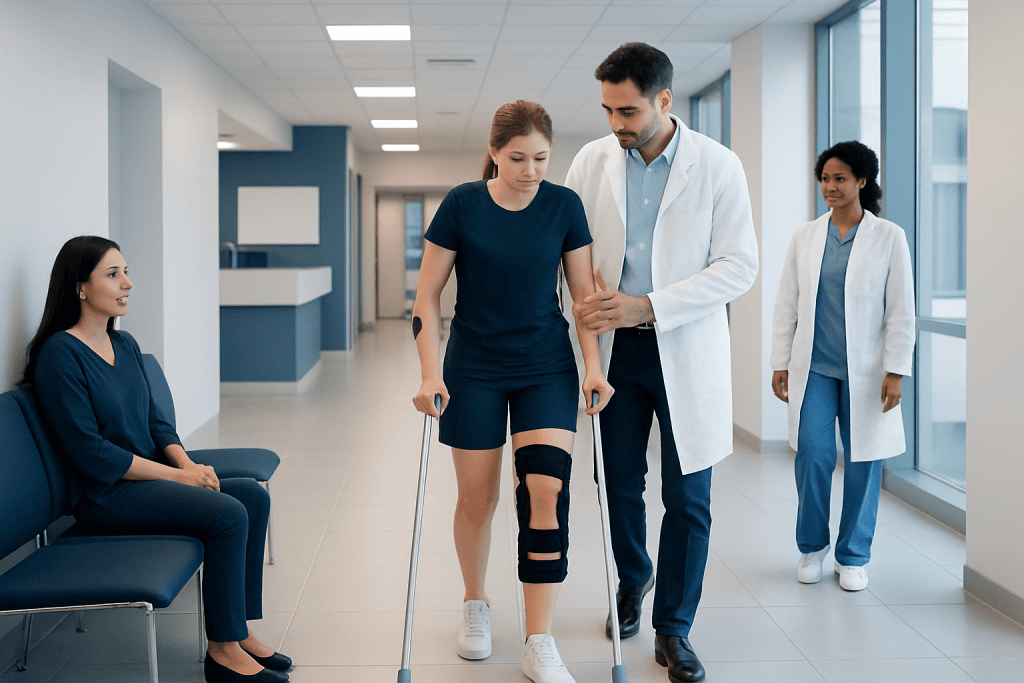
Recovery after ACL reconstruction is guided by functional milestones, not the calendar alone. Many people can walk more comfortably within several weeks, but jogging and pivoting sports require much longer rehabilitation.
Key Takeaways
- Recovery after ACL reconstruction is guided by functional milestones, not the calendar alone.
- Many people can walk more comfortably within several weeks, but jogging and pivoting sports require much longer rehabilitation.
- Physical therapy is a central part of ACL surgery recovery and helps restore strength, movement and knee control.
- Return to desk work may be possible relatively early, while physically demanding work often needs a longer plan.
- New calf pain, worsening swelling, fever, wound drainage or sudden knee instability should be assessed promptly.
ACL surgery recovery usually progresses over 6 to 12 months, although the exact timeline depends on the graft used, associated knee injuries, rehabilitation progress and the demands of work or sport. Early goals are controlling swelling and restoring knee movement; later goals include rebuilding strength, balance, confidence and safe movement patterns.
ACL Surgery Recovery: What to Expect
ACL surgery recovery is a structured rehabilitation process that commonly lasts 6 to 12 months. During this time, the knee heals after reconstruction, swelling settles, range of motion returns and the leg gradually regains the strength and control needed for daily life, work and, when appropriate, sport.
Recovery is not identical for everyone. A person who has an isolated ACL reconstruction may follow a different pathway from someone who also needs meniscus repair, cartilage treatment or surgery for another ligament. Age, general health, pre-surgery knee function, graft type and commitment to rehabilitation can also affect progress.
ACL surgery is typically considered when an ACL tear causes ongoing instability, when a person wishes to return to pivoting or cutting activities, or when there are associated injuries requiring treatment. The treating orthopedic surgeon and physiotherapist use regular assessments to adapt the rehabilitation plan safely.
How ACL Reconstruction Works and Who May Need It
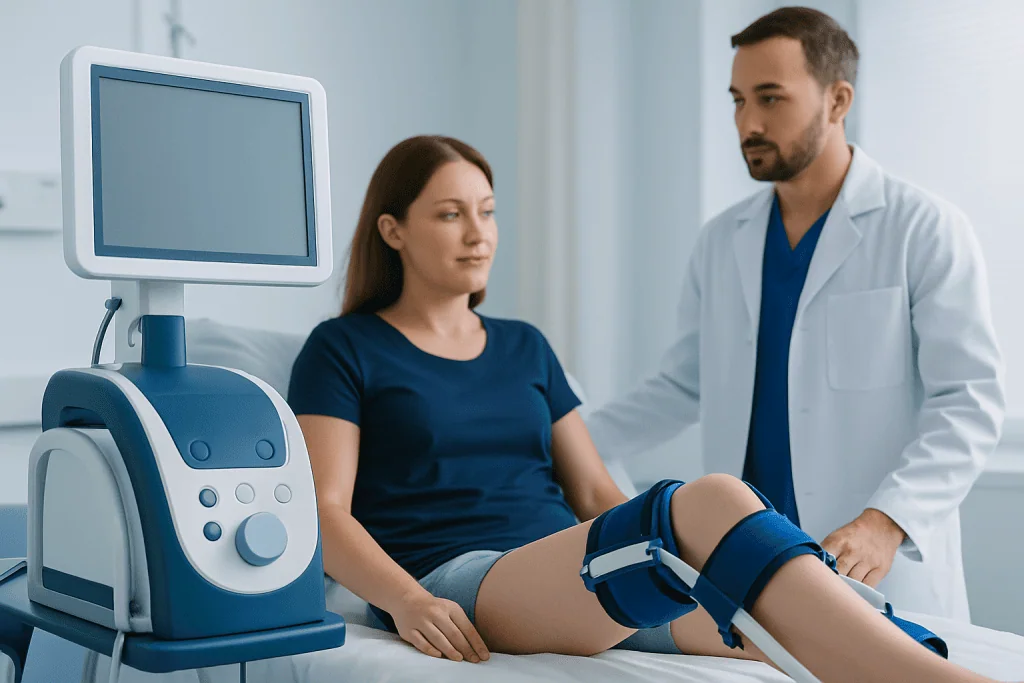
The anterior cruciate ligament, or ACL, is one of the main stabilizing ligaments inside the knee. It helps control forward movement and rotation of the shinbone relative to the thighbone. A tear can occur during a sudden change in direction, awkward landing, collision or twisting injury, and may lead to swelling, pain and a feeling that the knee gives way.
ACL reconstruction does not usually involve stitching the torn ligament back together. Instead, the surgeon creates a new ligament using a graft. The graft may come from the patient's own tendon, such as the hamstring, patellar tendon or quadriceps tendon, or from donor tissue in selected situations. It is secured in prepared bone tunnels so it can gradually integrate and function as a new ACL.
Not every ACL tear requires surgery. Some people can manage well with rehabilitation, activity modification and bracing when appropriate, particularly if they do not experience instability during their usual activities. Surgery may be considered for recurrent giving way, combined knee injuries, high-demand work or sports, or when instability limits everyday function. A specialist assessment helps determine the most suitable approach.
The ACL Surgery Procedure: Step by Step
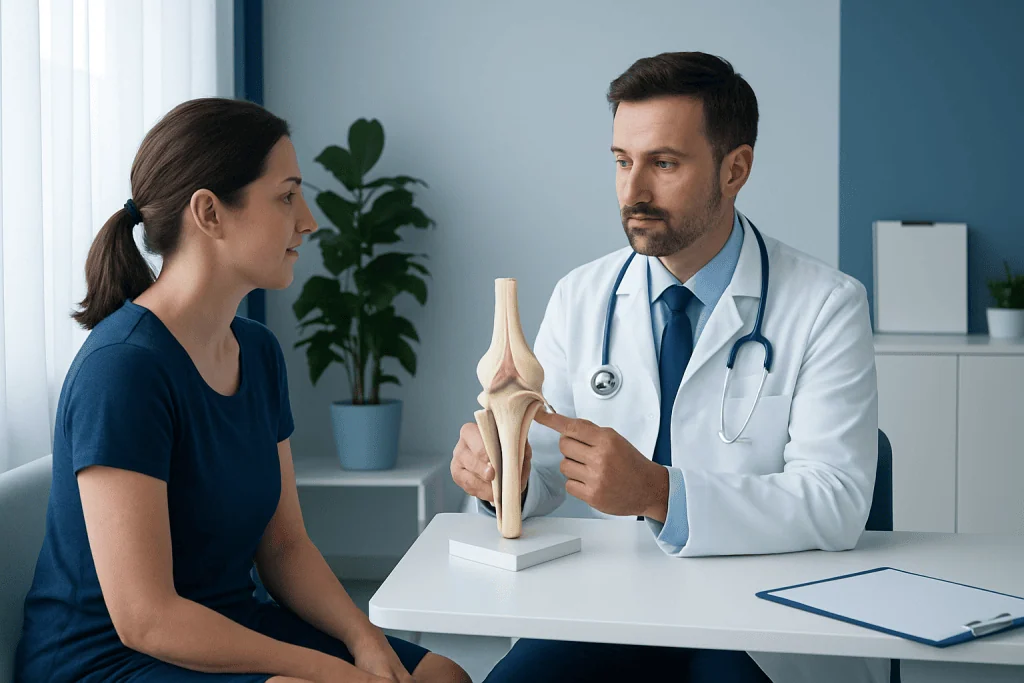
Before surgery, the care team reviews the injury, medical history, imaging and goals for activity. Many patients benefit from prehabilitation, which aims to reduce swelling and improve knee motion and muscle activation before the operation. Entering surgery with a calm, mobile knee can support later rehabilitation.
ACL reconstruction is commonly performed using arthroscopy, a minimally invasive technique. Through small incisions, the surgeon examines the knee joint, treats associated problems if needed, prepares the graft and places it in tunnels in the thighbone and shinbone. Fixation devices hold the graft in position while healing begins.
Most people go home on the day of surgery or after a short hospital stay, depending on the procedure and individual needs. Pain relief, wound-care advice, instructions for using crutches and an early physiotherapy plan are provided. If a meniscus repair or other procedure is performed at the same time, weight-bearing and bending restrictions may be more cautious.
ACL Surgery Recovery Timeline: Week by Week and Beyond
Days 1 to 14: The priorities are protecting the knee, managing pain and swelling, beginning prescribed exercises and restoring the ability to straighten the knee fully. Crutches are often used during this period, and some people wear a brace depending on the surgeon's protocol. Gentle movement, ankle exercises and regular elevation may help reduce swelling, while the physiotherapist guides safe muscle activation.
Weeks 2 to 6: Many people gradually improve their walking pattern and reduce reliance on crutches when they can walk without a significant limp and meet their clinical instructions. Rehabilitation focuses on range of motion, quadriceps activation, balance and controlled strengthening. Returning to sedentary work may be possible during this phase for some people, but timing depends on pain control, travel needs, medication use and the ability to elevate the leg or take movement breaks.
Weeks 6 to 12: Strengthening becomes more progressive, with attention to the thigh, hip and core muscles. Daily activities usually become easier, but swelling after exercise can still occur and should be discussed with the rehabilitation team. People with active or manual jobs may need more time before returning, particularly when work involves prolonged standing, climbing, lifting, uneven ground or rapid changes of direction.
Months 3 to 6: If knee movement, swelling, strength and movement control are progressing well, the team may introduce a graded running program. This stage is not based on time alone: the knee should be quiet, stable and able to tolerate functional exercises before impact activity increases. Jumping, landing and agility drills are added in a measured way when appropriate.
Months 6 to 12: Sport-specific training and return-to-sport testing may take place during this period. Cutting, pivoting and contact sports usually require more rehabilitation than straight-line activities. Clearance should be based on clinical examination, strength, hop or movement testing, confidence and the requirements of the sport, rather than on reaching a particular month after surgery.
Returning to Work, Driving and Sport
Return to work after ACL reconstruction should be individualized. People with desk-based roles may return sooner when pain is manageable, safe transport is arranged and they can avoid sitting with the knee in one position for long periods. Employers may be able to support a phased return, home working or temporary changes in duties.
Jobs involving physical labor often need a longer recovery period. Climbing ladders, kneeling, carrying loads, walking on uneven surfaces or responding quickly in safety-sensitive roles place greater demands on the recovering knee. The surgeon, physiotherapist and occupational health team can help define practical and safe work restrictions.
Driving should only resume when a person is no longer affected by sedating pain medication and can safely control the vehicle, including performing an emergency stop. Recovery may be slower after surgery on the right knee, and local insurance or legal requirements may also apply. The clinician should be asked for personalized advice.
Returning to sport is a gradual process rather than a single event. A rehabilitation team may assess knee swelling, range of motion, strength symmetry, landing mechanics, agility and psychological readiness before recommending a return to training or competition. Continuing a structured injury-prevention program after return to sport can help maintain strength and movement quality.
Benefits, Risks and Supporting Recovery
The main potential benefit of ACL reconstruction is improved knee stability for people whose knee gives way or whose activities require reliable pivoting control. Successful rehabilitation can support a return to valued activities and help protect the knee from repeated episodes of instability. However, surgery cannot guarantee a return to the same sporting level or prevent all future knee problems.
Possible risks include infection, bleeding, blood clots, stiffness, ongoing pain, numbness near the incision, graft failure, persistent instability and injury to the other knee. Some people may later develop osteoarthritis, especially when there has also been meniscus or cartilage damage. The surgical team discusses individual risks before treatment.
Helpful self-care includes following the prescribed exercise plan, taking medicines only as directed, attending follow-up appointments and increasing activity gradually. Adequate sleep, balanced nutrition, avoiding tobacco and communicating early about setbacks may support healing. Swelling or discomfort after rehabilitation can sometimes be expected, but persistent or worsening symptoms should not be ignored.
At Acibadem International, multidisciplinary orthopedic and rehabilitation specialists in JCI-accredited hospitals assess ACL injuries and support international patients through surgery planning and recovery care.
When to Seek Medical Care
Contact the surgical team promptly if pain or swelling is rapidly worsening, the wound becomes increasingly red or warm, there is drainage from the incision, or fever develops. These symptoms do not always mean there is a complication, but they should be assessed.
Urgent medical assessment is important for calf pain or swelling, chest pain, shortness of breath, fainting, or a sudden feeling of severe illness. These can have several causes, including uncommon but serious complications such as a blood clot.
It is also sensible to contact the clinician if the knee repeatedly gives way, cannot be straightened as advised, becomes locked, or rehabilitation progress stops unexpectedly. Early review can identify whether the exercise plan, pain management or recovery expectations need to be adjusted.
Frequently asked questions
How long does ACL surgery recovery take?
ACL surgery recovery commonly takes 6 to 12 months, particularly for a return to pivoting, cutting or contact sports. Everyday activities may improve much earlier, but the reconstructed ligament and surrounding muscles need time to recover. The exact timeline depends on the procedure, associated injuries and rehabilitation progress.
When can someone walk without crutches after ACL surgery?
Many people begin reducing crutch use within the first several weeks, once they can walk safely without a pronounced limp and their clinician agrees. The timing may be longer when meniscus repair or other procedures are performed at the same time. Crutches should not be stopped simply because a certain number of days has passed.
When can someone return to work after ACL surgery?
A return to desk-based work may be possible within a few weeks for some people, depending on comfort, transport and the ability to take regular movement breaks. Physical jobs usually require more recovery and may need modified duties. A surgeon or physiotherapist can provide advice based on specific work tasks.
When is it safe to run after ACL reconstruction?
Running is usually introduced only after the knee has good range of motion, minimal swelling, adequate strength and good control during lower-impact exercises. This often occurs several months after surgery, but the decision should be based on rehabilitation milestones rather than time alone. Starting too soon may increase symptoms or delay progress.
Can a person return to football or other pivoting sports after ACL surgery?
Many people do return to pivoting sports after ACL reconstruction, but it requires a careful progression through strength, balance, landing and sport-specific training. Clearance typically involves functional testing and an assessment of confidence as well as knee stability. Continuing injury-prevention exercises after returning is important.
What is normal swelling after ACL surgery?
Some swelling is common in the early weeks and may increase temporarily after activity or physiotherapy. It should generally improve with rest, elevation, ice if recommended and an appropriately paced rehabilitation plan. Worsening swelling, severe pain, redness, fever or calf symptoms should be discussed with a healthcare professional promptly.
References
- American Academy of Orthopaedic Surgeons
- OrthoInfo
- National Institute for Health and Care Excellence
- American Orthopaedic Society for Sports Medicine
- National Health Service
This article is for general information only and is not a substitute for professional medical advice. Please consult a qualified doctor about your individual situation.
Joint and spine care in Turkey — expert assessment & treatment
JCI-accredited · board-certified surgeons · reply within 24h
Add us as a Preferred Source to see more of our trusted health content across Google Search, AI Overviews and Discover.