Acls Certification Cost: What Patients Really Pay

ACLS is a professional resuscitation course, most often required for healthcare workers in acute-care roles. Costs may include an online learning module, classroom or skills session, course materials and certification renewal.
Key Takeaways
- ACLS is a professional resuscitation course, most often required for healthcare workers in acute-care roles.
- Costs may include an online learning module, classroom or skills session, course materials and certification renewal.
- Employers may pay for or reimburse ACLS training when it is required for a role, but policies differ.
- ACLS certification is commonly valid for two years, subject to the certifying organization and workplace requirements.
- The course teaches structured team-based care for serious cardiovascular emergencies; it does not replace emergency medical services or individual clinical judgment.
ACLS certification cost is not a medical treatment charge; it is the cost of professional training in Advanced Cardiovascular Life Support for clinicians who may respond to cardiac emergencies. Total expenses vary because course providers, learning formats, required materials, employer policies and renewal arrangements differ.
Overview: What Does ACLS Certification Cost Cover?
ACLS certification cost generally covers training in Advanced Cardiovascular Life Support, a standardized approach used by healthcare professionals during life-threatening cardiovascular emergencies. Rather than paying for a medical procedure, learners pay for educational components such as course access, instructor-led teaching, practical skills assessment and a completion credential.
The final amount can differ substantially between providers and regions, so there is no single reliable price that applies to every learner. A person considering a course should ask what is included before enrolling: course materials, online modules, in-person simulation, examination, skills evaluation, certificate issuance and any charges for rescheduling or retesting.
ACLS is usually intended for physicians, nurses, paramedics and other clinical professionals who may manage cardiac arrest, dangerous heart rhythms, stroke-related emergencies or acute coronary syndromes. Hospitals and employers may have specific requirements about which provider’s course they accept and whether they cover the expense.
Why Is ACLS So Expensive?
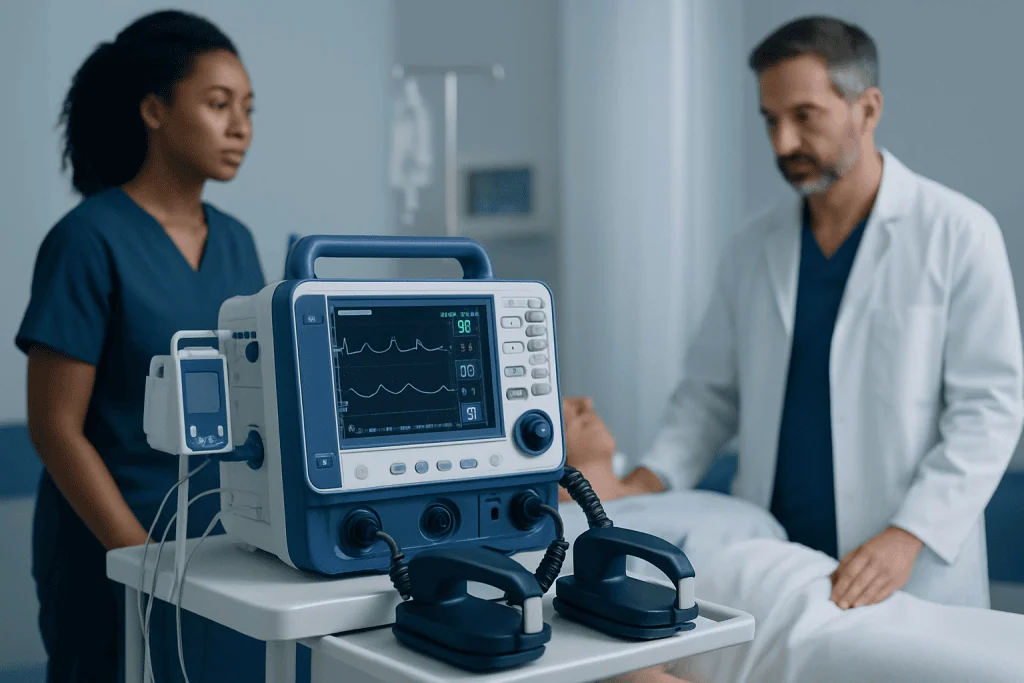
ACLS training can appear costly because it is more than a brief online quiz. High-quality courses require current, evidence-based educational content, qualified instructors, manikins and simulation equipment, a suitable training environment, practical assessment and administrative processes to document successful completion.
Blended courses may divide the expense between self-directed online education and a separate in-person skills session. Learners should confirm whether both parts are required and whether they are purchased together. Some programs also require a current basic life support credential, which may involve separate training or renewal.
Workplace arrangements can also affect what an individual personally pays. A hospital, clinic, ambulance service or educational institution may provide training on site, pay directly, offer reimbursement or require staff to arrange the course independently. Before choosing a lower-cost option, it is sensible to verify that the employer, licensing body or training program recognizes the certification.
Who Needs ACLS Training and How Does It Work?

ACLS is designed for healthcare professionals who work in settings where advanced resuscitation may be needed. Typical candidates include clinicians in emergency medicine, critical care, anesthesia, cardiology, hospital wards, surgical services and pre-hospital emergency care. Requirements vary by country, profession and employer, so not every healthcare worker needs ACLS certification.
Before enrolling, candidates should check eligibility rules. Many courses expect participants to have strong basic life support skills and familiarity with clinical assessment, heart rhythm recognition and medication safety. Learners who have not used these skills recently may benefit from reviewing foundational resuscitation concepts beforehand.
ACLS teaches organized assessment and team communication during emergencies. It commonly uses algorithms for adult cardiac arrest, bradycardia, tachycardia, post-cardiac-arrest care, acute coronary syndromes and stroke recognition. The aim is to help trained teams respond promptly while also addressing reversible causes and arranging appropriate definitive care.
- Confirm the course is accepted by the intended employer or professional body.
- Ask whether basic life support certification is a prerequisite.
- Check whether online work must be completed before an in-person session.
- Review cancellation, retesting and renewal policies before booking.
ACLS Course Step by Step: From Preparation to Certification
Most ACLS programs begin with registration and access to course materials. In a blended model, the learner completes assigned online lessons before attending a practical session. In a classroom-based model, teaching, case discussion and practical exercises may occur in one structured course.
During training, participants review emergency algorithms, recognize key rhythm patterns and practice communication in a resuscitation team. Simulated cases may involve a patient with cardiac arrest, unstable slow or fast heart rhythms, chest pain suggestive of a heart attack, or signs of acute stroke. Instructors assess whether participants can apply the appropriate sequence of care safely and effectively.
The practical component generally includes hands-on skills demonstrations or simulation-based assessment. Successful completion depends on meeting the provider’s standards for knowledge and performance. If a participant does not meet a required standard initially, the training organization may offer remediation or retesting under its own policies, which can affect the total cost.
ACLS principles are relevant to conditions that require urgent assessment, including heart attack and stroke. In real life, suspected emergencies require immediate local emergency services; certification training does not mean that a person should delay calling for help or attempt care beyond their professional scope.
What Are the Benefits of ACLS Certification?
The main benefit of ACLS certification is structured preparation for healthcare professionals who may be involved in serious cardiovascular emergencies. Training reinforces a common clinical language, clear roles within a resuscitation team and systematic use of evidence-based emergency algorithms.
For employers and patients, consistent training may support coordinated care when time-sensitive decisions are required. Participants practice recognizing deterioration, starting appropriate initial interventions, using monitoring information and communicating with colleagues. These skills are particularly relevant in clinical environments where a patient’s condition can change rapidly.
Certification may also be required for certain jobs, clinical placements or specialty training pathways. However, it should be understood as one part of professional readiness. Competence also depends on local protocols, ongoing practice, supervision, clinical experience and appropriate access to emergency equipment and specialist care.
Patients with known heart disease can discuss individualized emergency planning and long-term care with a cardiology team. Depending on the condition, this may include evaluation through cardiology care and other services tailored to the person’s symptoms and diagnosis.
Is ACLS Good for 1 or 2 Years?
ACLS certification is commonly valid for two years from the date of completion. However, the exact validity period depends on the certifying organization, local regulations and the policy of the employer or healthcare facility. Learners should always verify the date stated on their own certificate and the requirements of the organization where they work or train.
Some employers may ask staff to renew earlier, complete additional local drills or maintain related qualifications such as basic life support. A lapsed credential may require a renewal course or, in some circumstances, a full course, depending on the provider’s rules.
Renewal is important because resuscitation guidance and local protocols can change over time, and emergency skills benefit from regular practice. Keeping records of certificates, course dates and any required continuing education can make future renewal planning easier.
Is It Hard to Get ACLS Certified?
ACLS certification is achievable for appropriately prepared healthcare professionals, but it requires active participation and practical understanding rather than simple memorization. Learners are expected to recognize emergency patterns, follow algorithms, communicate within a team and demonstrate relevant skills in simulated scenarios.
The level of difficulty may depend on a participant’s prior experience with resuscitation, rhythm interpretation and acute clinical care. Reviewing the assigned course material in advance, refreshing basic life support skills and asking instructors for clarification can make the learning process more manageable.
The purpose of assessment is not to create unnecessary barriers. It is to confirm that participants can apply a structured and safe response in situations where accurate decisions and coordinated teamwork matter. People who need additional practice should seek a reputable course provider that offers clear feedback and remediation options.
When to Seek Medical Care
ACLS training is not a substitute for urgent medical evaluation. Anyone with symptoms that may indicate a medical emergency, including persistent chest pressure, severe shortness of breath, fainting, a new irregular heartbeat, sudden weakness on one side, facial drooping, speech difficulty or sudden confusion, should seek emergency help immediately through local emergency services.
People with less urgent but recurring symptoms, such as palpitations, reduced exercise tolerance, dizziness or chest discomfort, should arrange a timely medical assessment. A clinician can determine whether heart testing, medication review, rhythm monitoring or specialist referral is appropriate.
At Acibadem International, multidisciplinary specialists in JCI-accredited hospitals assess and treat cardiovascular conditions for international patients. Care may involve diagnostic evaluation and, when clinically appropriate, services such as cardiac rehabilitation or electrophysiology for selected rhythm-related concerns.
Frequently asked questions
What does ACLS certification cost usually include?
ACLS course fees may include educational materials, online learning access, instructor teaching, practical skills assessment and a completion certificate. In some programs, these components are billed separately. Learners should ask for a full list of included and additional charges before enrolling.
Why is ACLS so expensive?
ACLS involves trained instructors, evidence-based course materials, hands-on equipment, simulation exercises and formal assessment. The course may also have administrative and certification costs. Employer sponsorship or reimbursement can reduce the amount a learner pays personally.
What are the benefits of ACLS certification?
ACLS helps eligible healthcare professionals use a shared, structured approach to cardiovascular emergencies. It develops knowledge of emergency algorithms, communication and team-based response. It may also be required for certain clinical roles, placements or specialty programs.
Is ACLS good for 1 or 2 years?
ACLS certification is commonly valid for two years, but policies vary by certifying organization and employer. A workplace may require additional training or earlier renewal. The certificate itself and local employment policy provide the most reliable confirmation.
Is it hard to get ACLS certified?
The course can be challenging because it assesses practical emergency skills as well as knowledge. It is generally manageable for prepared healthcare professionals, especially those who review materials and refresh basic life support skills beforehand. Instructors may provide feedback or remediation when additional practice is needed.
Can a member of the public take ACLS training?
Some providers may allow enrollment, but ACLS is primarily designed for healthcare professionals with a role in advanced emergency response. Basic life support training is usually more appropriate for members of the public. Course eligibility and prerequisite rules should be checked directly with the training provider.
References
- American Heart Association
- European Resuscitation Council
- International Liaison Committee on Resuscitation
- World Health Organization
This article is for general information only and is not a substitute for professional medical advice. Please consult a qualified doctor about your individual situation.
Heart care in Turkey — expert evaluation and treatment
JCI-accredited · board-certified surgeons · reply within 24h
Add us as a Preferred Source to see more of our trusted health content across Google Search, AI Overviews and Discover.