Acrochordon Home Removal — Explained by Medical Evidence, Not Myths

An acrochordon is the medical term for a skin tag, a common benign skin growth. Home removal methods may lead to bleeding, infection, scarring, or removal of the wrong type of lesion.
Key Takeaways
- An acrochordon is the medical term for a skin tag, a common benign skin growth.
- Home removal methods may lead to bleeding, infection, scarring, or removal of the wrong type of lesion.
- A clinician can usually diagnose a skin tag by examination and remove it quickly when needed.
- Skin tags are more common in areas of friction such as the neck, armpits, groin, and under the breasts.
- Medical review is important if a growth changes color, grows quickly, hurts, bleeds, or has an unusual shape.
Acrochordon home removal is a common search, but medical evidence suggests that removing a skin tag at home is often less safe than it appears. Most acrochordons are harmless, yet proper diagnosis matters because growths that look similar may need different care.
What acrochordon home removal really means
Acrochordon home removal refers to trying to remove a skin tag without a medical professional. In simple terms, an acrochordon is a skin tag: a small, soft, usually flesh-colored growth that often develops where skin rubs against skin or clothing. While many people want a quick home solution, the safest evidence-based answer is that home removal is generally not the preferred option.
The reason is not only the risk of irritation or infection. A more important concern is diagnosis. Many harmless skin tags look similar to other growths, including warts, moles, seborrheic keratoses, and occasionally lesions that need medical attention. A treatment that seems minor can become risky if the spot is not actually a skin tag.
For most people, skin tags do not require treatment unless they catch on jewelry, twist, bleed from friction, or bother the person cosmetically. When removal is desired, it is usually straightforward in a medical setting. This article focuses on what medical evidence says about home methods, what signs suggest a true skin tag, and when professional evaluation is the safer choice.
What an acrochordon looks and feels like
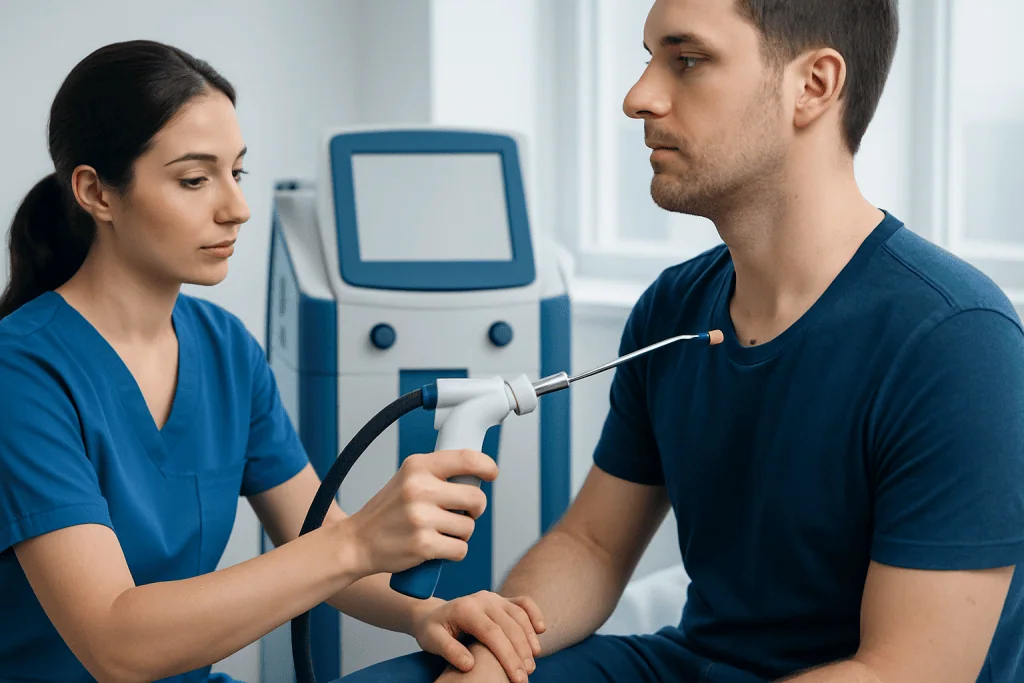
Acrochordons are typically small, soft, and attached to the skin by a narrow stalk. They may be flesh-colored or slightly darker than the surrounding skin. Many are only a few millimeters wide, although some can become larger over time.
Common locations include the neck, armpits, groin, eyelids, and under the breasts. These are all areas where friction is common. Most skin tags are painless, but they can become tender if they are rubbed repeatedly, twisted, or caught on clothing.
People often notice a skin tag because it snags during shaving or while putting on jewelry. Others find several at once. Having multiple skin tags is not unusual, and skin tags can recur even after removal because new ones may form in other areas.
If a growth is flat, deeply pigmented, crusted, rapidly enlarging, ulcerated, or bleeding without obvious friction, it should not be assumed to be a simple skin tag. In that situation, a dermatologist or another qualified doctor should examine it before any treatment is attempted.
Why skin tags develop: causes and risk factors

The exact cause of skin tags is not fully understood, but friction appears to play an important role. That is why they tend to form in body folds or places where clothing and skin repeatedly rub together. They are common in adults and become more frequent with age.
Skin tags are also seen more often in people with overweight or obesity, insulin resistance, type 2 diabetes, and metabolic syndrome. Hormonal changes, including pregnancy, may also contribute in some individuals. A family tendency is sometimes present, suggesting a genetic influence.
Although acrochordons themselves are benign, their presence can sometimes overlap with other skin findings or broader health issues. For example, a doctor may consider whether a person has other signs of insulin resistance or whether a neck growth might instead relate to thyroid nodules or another neck concern if the location or appearance is unusual.
It is important to remember that risk factors do not mean every growth is harmless. A lesion that simply happens to be in a high-friction area can still be something other than a skin tag. That is one reason home diagnosis has limits.
What medical evidence says about home removal methods
Home methods commonly discussed online include cutting a skin tag off, tying it off with thread or bands, freezing kits, chemical solutions, essential oils, or folk remedies such as apple cider vinegar. Medical evidence does not support many of these approaches as reliably safe or effective for self-use. The main concerns are skin damage, delayed healing, infection, bleeding, and treating the wrong lesion.
Cutting or clipping a skin tag at home may seem simple, but it can lead to significant bleeding because even small skin tags can have a blood supply. It also increases the chance of incomplete removal, pain, and scarring. Tying off a tag may reduce blood flow, but this can be uncomfortable, irritate surrounding skin, and still does not solve the problem of uncertain diagnosis.
Over-the-counter freezing products are designed for selected lesions and may not work well on all skin tags, especially in delicate areas such as the eyelids, groin, or underarms. Misuse can injure normal skin. Chemical products and home acids can cause burns, dark marks, and prolonged irritation. Natural remedies are often shared online, but they are not well supported by high-quality medical evidence.
The evidence-based approach is practical rather than dramatic: if a growth is new, changing, painful, or located in a sensitive area, it is better assessed before any attempt at removal. This reduces the chance of complications and helps make sure a benign-looking growth is not being mistaken for another condition such as skin cancer.
How doctors diagnose and remove acrochordons
Diagnosis is usually made by physical examination. A doctor will look at the size, color, shape, surface, and attachment of the growth, and ask whether it has changed over time. In many cases, no special tests are needed. If the appearance is not typical, the clinician may recommend removal with laboratory examination of the tissue.
Medical removal is often quick and done in an outpatient setting. Common techniques include snip excision, cryotherapy, or electrocautery, depending on the location and the lesion. Choice of method depends on factors such as how large the skin tag is, whether it has a stalk, and whether the area is prone to irritation or scarring.
For people with many skin tags or lesions in cosmetically sensitive areas, evaluation by dermatology care can help guide the safest option. Some growths are best removed under local anesthesia, especially if they are larger or repeatedly inflamed. If there is any concern that the growth is not a simple acrochordon, a biopsy may be advised.
When a lesion is near the eyelid or another delicate structure, extra caution is needed. In selected cases, doctors may coordinate with other specialists, especially if removal overlaps with a broader procedure such as plastic and reconstructive surgery.
What to expect after removal and how to care for the area
After professional removal, the area may be mildly sore, pink, or scabbed for a short time. Most people heal well with simple wound care. The clinician may advise keeping the area clean, avoiding friction, and watching for redness, swelling, increasing pain, or discharge.
Scarring is usually minimal for small skin tags, but any skin procedure can leave a mark. The chance of visible scarring may be higher if the skin tag is large, inflamed, repeatedly traumatized, or removed from an area that heals under tension. Following aftercare instructions can support better healing.
Removing one skin tag does not prevent others from forming later. New acrochordons can still appear in other areas, especially if friction continues or if underlying risk factors remain present. If many new growths appear over a short period, a doctor may consider whether there are associated skin or metabolic issues that merit review.
When skin tags are part of a wider skin concern, a broader assessment may be useful. This may include discussion of other benign growths, pigmentation changes, or symptoms that overlap with medical dermatology evaluation.
Prevention and self-care without risky DIY removal
There is no guaranteed way to prevent every skin tag, but reducing skin friction may help in some people. Practical steps can include choosing well-fitting clothing, limiting repeated rubbing from jewelry, and keeping skin folds dry and comfortable. Gentle skincare is preferable to harsh scrubbing or chemical self-treatment.
For people who have recurrent skin tags, weight management and attention to metabolic health may be helpful parts of overall prevention. This does not mean skin tags are dangerous by themselves, but they can sometimes be one visible clue that it is worth discussing blood sugar, insulin resistance, or general health habits with a doctor.
Self-care also means knowing what not to do. It is best to avoid blades, nail clippers, non-sterile string, acids, or strong home chemicals, especially on the eyelids, genitals, face, or areas with poor visibility. A harmless-looking skin tag can quickly become an irritated wound if home methods are used incorrectly.
Good self-monitoring is useful. If a growth stays small, soft, and unchanged, it may simply be observed. Taking a photo for personal comparison can sometimes help a person notice changes over time, though photos do not replace an in-person examination when something looks different or concerning.
When to seek medical care
Medical care is appropriate if a skin growth is new and uncertain, if it changes quickly, or if it no longer looks like a typical skin tag. Changes in color, shape, surface, or size deserve attention, particularly if the lesion becomes dark, irregular, crusted, painful, or bleeds without clear friction.
It is also sensible to seek care if the growth is on the eyelid, genitals, or another sensitive area, or if it repeatedly catches on clothing and causes discomfort. People with diabetes, poor wound healing, or reduced immune function should be especially cautious about trying to remove lesions themselves because infection risk may be higher.
A doctor can also help if there are multiple new skin growths, uncertainty about diagnosis, or concern about the best removal method. Near the end of the care pathway, patients seeking coordinated assessment should know that Acibadem International’s multidisciplinary specialists and JCI-accredited hospitals diagnose and treat skin conditions for international patients, including situations that may also require check-up and screening.
- Seek prompt evaluation for rapid growth, spontaneous bleeding, ulceration, or marked color change.
- Do not attempt home removal on the eyelids or genital area.
- Arrange review if pain, infection signs, or repeated trauma develops.
- Ask a qualified doctor if there is any doubt that the lesion is truly a skin tag.
Frequently asked questions
Is acrochordon home removal safe?
Usually, it is not the preferred option. Home removal can cause bleeding, infection, burns, scarring, or treatment of a lesion that is not actually a skin tag.
Can a skin tag fall off on its own?
Some skin tags may twist, lose blood supply, and eventually dry up or detach. However, this is not something to force, and painful, dark, or inflamed lesions should be checked by a doctor.
How can someone tell if a growth is a skin tag and not something else?
A typical skin tag is soft, small, and attached by a narrow stalk, usually in an area of friction. If a growth is flat, irregular, rapidly changing, deeply pigmented, crusted, or bleeding, it should not be assumed to be a skin tag.
Do skin tags mean a person has diabetes?
Not necessarily. Skin tags are more common in people with insulin resistance and type 2 diabetes, but many people with skin tags do not have either condition. A doctor can decide whether any broader health evaluation is appropriate.
What is the safest way to remove a skin tag?
The safest method is removal by a qualified medical professional after confirming the diagnosis. A clinician can choose the most suitable technique based on the size, location, and appearance of the lesion.
Should a skin tag that bleeds be a concern?
Bleeding may happen if a skin tag is rubbed, shaved, or caught on clothing. Even so, repeated bleeding or bleeding without obvious trauma should be assessed medically because not all bleeding growths are simple skin tags.
This article is for general information only and is not a substitute for professional medical advice. Please consult a qualified doctor about your individual situation.
Explore treatments in Turkey — costs, top hospitals & a free quote
JCI-accredited · board-certified surgeons · reply within 24h
Add us as a Preferred Source to see more of our trusted health content across Google Search, AI Overviews and Discover.

More from the Health Library
Skin Fissure: An Evidence-Based Guide for Patients

Blackfishing: What Patients Need to Know

Trap Exercises: An Evidence-Based Guide for Patients

Otrovert: What Patients Need to Know

Visceral Hypersensitivity: What Patients Need to Know