Adnexa: What Patients Need to Know

The adnexa usually refers to the ovaries, fallopian tubes, and nearby supporting tissues on either side of the uterus. An adnexal finding may be normal, such as a functional ovarian cyst, or may need further evaluation.
Key Takeaways
- The adnexa usually refers to the ovaries, fallopian tubes, and nearby supporting tissues on either side of the uterus.
- An adnexal finding may be normal, such as a functional ovarian cyst, or may need further evaluation.
- Symptoms can include pelvic pain, bloating, irregular bleeding, or no symptoms at all.
- Ultrasound is often the first imaging test used to assess an adnexal mass or cyst.
- Treatment depends on the cause and may range from observation to medication or surgery.
- Sudden severe pelvic pain, fever, or fainting needs urgent medical assessment.
Adnexa is a medical term for the structures next to the uterus, mainly the ovaries, fallopian tubes, and surrounding connective tissues. Understanding what the adnexa includes can help patients make sense of symptoms such as pelvic pain, cysts, or an adnexal mass found on an exam or ultrasound.
What the adnexa means
Adnexa is a medical word used to describe the structures beside the uterus. In gynecology, it usually means the ovaries, the fallopian tubes, and the nearby ligaments and connective tissues that support these organs. Doctors may use terms such as “adnexal tenderness,” “adnexal cyst,” or “adnexal mass” in an exam note or imaging report.
For many patients, the word appears unexpectedly after a pelvic ultrasound, CT scan, or routine gynecologic visit. On its own, adnexa is not a disease. It is simply an anatomic term. What matters is whether the adnexal structures look normal or whether there is a specific finding, such as a cyst, inflammation, or a growth that needs follow-up.
The adnexa play an important role in reproductive health. The ovaries release eggs and produce hormones such as estrogen and progesterone. The fallopian tubes help carry the egg toward the uterus. Because several different tissues are involved, problems in the adnexa can arise from different causes and may need different types of care.
Common adnexal findings and what they can mean
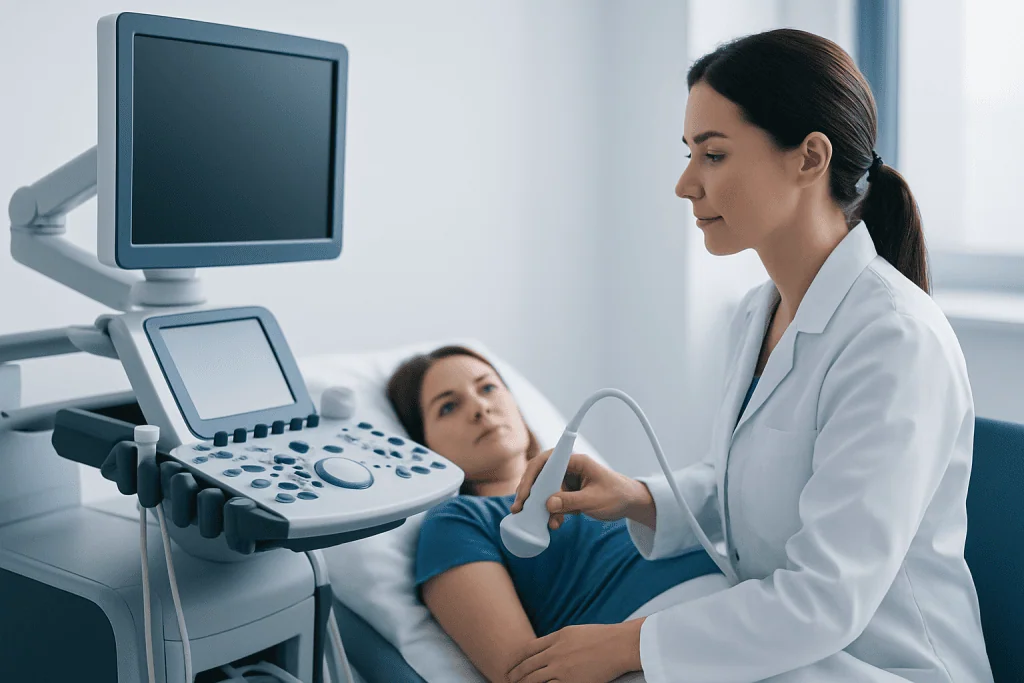
One of the most common reasons the adnexa is mentioned is an adnexal mass or cyst seen on imaging. An adnexal mass is a general term for any lump, cyst, or enlarged area in or near the ovary or fallopian tube. Many adnexal masses are benign, especially in younger women and in those who are still having menstrual cycles.
Common benign causes include functional ovarian cysts, which form as part of the normal menstrual cycle, and benign growths such as dermoid cysts or endometriomas. Fluid-filled cysts are often simple and may resolve on their own. In some cases, a doctor may also consider ovarian cysts or inflammation related to infection.
Other adnexal findings can include ectopic pregnancy, hydrosalpinx, tubo-ovarian abscess, endometriosis, or ovarian torsion. Less commonly, an adnexal mass may raise concern for ovarian or fallopian tube cancer, especially after menopause or when imaging shows more complex features. The meaning depends on the patient’s age, symptoms, pregnancy status, and scan results.
Symptoms linked to adnexal problems

Some adnexal conditions cause no symptoms and are found by chance during a routine pelvic exam or imaging for another reason. Others lead to clear symptoms that prompt a medical visit. The most common symptom is pelvic pain, which may be dull, intermittent, one-sided, or sudden and severe depending on the cause.
Patients may also notice bloating, pelvic pressure, pain during sex, irregular menstrual bleeding, or changes in urination or bowel habits if a larger mass presses on nearby structures. Nausea or vomiting can occur when pain is intense, especially with torsion, which happens when an ovary twists and loses part of its blood supply.
Symptoms to pay attention to include:
- Persistent or worsening pelvic pain
- Bloating or abdominal swelling
- Fullness, pressure, or discomfort in the lower abdomen
- Irregular periods or unexpected vaginal bleeding
- Pain during intercourse
- Fever, nausea, vomiting, or dizziness with pelvic pain
These symptoms do not always mean there is a serious problem, but they do help guide how urgently the adnexa should be evaluated.
Causes and risk factors
Adnexal problems can develop for many reasons. In people of reproductive age, the most frequent cause is a normal cycle-related ovarian cyst. These cysts form when an egg follicle grows or when a follicle does not release or close as expected. Many disappear naturally over time.
Other causes include endometriosis, pelvic inflammatory disease, prior pelvic surgery, and benign tumors. Pregnancy changes the evaluation because an adnexal mass may represent a normal corpus luteum cyst or, more urgently, an ectopic pregnancy. Doctors also consider the possibility of infection when there is fever, discharge, or significant pelvic tenderness.
Risk factors that may affect the likelihood or type of adnexal condition include age, menopause status, personal or family history of ovarian cancer, known endometriosis, fertility treatment, previous ovarian cysts, and a history of sexually transmitted infections. In some cases, an adnexal mass is evaluated alongside symptoms that overlap with endometriosis or other pelvic conditions.
Menopause is an important factor because adnexal masses found after menopause are less likely to be functional cysts. That does not mean they are cancer, but it does mean more careful evaluation is usually needed.
How doctors diagnose adnexal conditions
Diagnosis usually starts with a medical history and pelvic examination. The doctor asks about the timing and nature of pain, menstrual patterns, pregnancy possibility, menopause status, and any family history of gynecologic cancers. This information helps narrow down whether the issue is likely to be benign, hormonal, infectious, or something that needs urgent attention.
Pelvic ultrasound, especially transvaginal ultrasound, is often the most useful first test. It helps show whether a finding is a simple fluid-filled cyst, a solid mass, a complex cyst with septations, or an enlarged tube. In some situations, blood tests may be recommended, such as a pregnancy test, infection markers, or selected tumor markers when clinically appropriate.
Additional imaging may be used if the ultrasound is unclear or if the doctor needs more detail. Depending on the situation, this may include MRI or CT imaging. The aim is not only to identify the structure involved but also to decide whether observation is safe or whether a procedure is needed.
If surgery is recommended, minimally invasive evaluation and treatment may be possible with laparoscopy. This can help confirm the diagnosis and treat certain adnexal problems at the same time, such as cysts, torsion, or endometriosis-related lesions.
Treatment options and follow-up
Treatment depends on the cause, the patient’s age, symptoms, and the appearance of the adnexal finding on imaging. Many simple ovarian cysts in premenopausal patients can be watched with repeat ultrasound, especially if they are small and not causing significant symptoms. Observation may be all that is needed when the finding is likely to resolve naturally.
Medication may be used to manage pain, treat infection, or support treatment for underlying conditions. For example, pelvic inflammatory disease may require antibiotics, while endometriosis-related symptoms may be managed with hormonal treatment in appropriate patients. The plan is individualized and should be guided by a qualified clinician.
Surgery may be recommended if a mass is large, persistent, complex, causing severe symptoms, or suspicious for torsion, rupture, ectopic pregnancy, or cancer. The goal may be to remove only a cyst, preserve the ovary when possible, or remove affected tissue safely if there is a more serious concern. Patients with complex findings may also be referred for specialist gynecologic or oncologic assessment.
Near the end of the evaluation pathway, patients may benefit from care in experienced centers. Acibadem International’s multidisciplinary specialists and JCI-accredited hospitals diagnose and treat adnexal conditions for international patients when advanced imaging, surgery, or coordinated gynecologic care is needed.
When to seek medical care
Medical advice is appropriate for ongoing pelvic pain, bloating, menstrual changes, or an imaging report that mentions an adnexal cyst or mass. Even when symptoms are mild, follow-up matters because the best plan depends on the size and appearance of the finding, as well as the patient’s age and reproductive stage.
Urgent care is needed for sudden severe one-sided pelvic pain, fainting, shoulder pain in early pregnancy, fever with pelvic pain, or repeated vomiting. These symptoms can suggest emergencies such as ovarian torsion, ectopic pregnancy, or a significant pelvic infection.
Patients should also seek prompt evaluation if symptoms continue after menopause, if there is unexplained weight loss, or if a mass is getting larger on follow-up scans. Early assessment helps clarify the cause and supports timely, appropriate treatment.
Frequently asked questions
Is adnexa the same as the ovary?
No. The ovary is part of the adnexa, but the term adnexa is broader. It usually includes the ovaries, fallopian tubes, and nearby supporting tissues beside the uterus.
What is an adnexal mass?
An adnexal mass is a general term for a lump, cyst, or enlarged area in the ovary, fallopian tube, or nearby tissue. Many adnexal masses are benign, but some need further tests to understand the cause.
Can an adnexal cyst go away on its own?
Yes, many adnexal cysts, especially functional ovarian cysts, can resolve without treatment. A doctor may recommend repeat ultrasound after a period of observation to confirm that the cyst is shrinking or has disappeared.
Does an adnexal finding mean cancer?
No, most adnexal findings are not cancer. However, some features such as a complex appearance, persistent growth, or a new mass after menopause may need closer assessment by a specialist.
How is an adnexal problem diagnosed?
Diagnosis usually includes a medical history, pelvic exam, and pelvic ultrasound. Depending on the situation, blood tests, pregnancy testing, MRI, CT, or surgery may also be used to clarify the diagnosis.
When is adnexal pain an emergency?
Sudden severe pelvic pain, especially with nausea, fainting, fever, or pregnancy, should be assessed urgently. These symptoms can be linked to ovarian torsion, ectopic pregnancy, or infection, which may need prompt treatment.
References
- American College of Obstetricians and Gynecologists
- National Institute for Health and Care Excellence
- Office on Women's Health
- Merck Manual Professional Edition
This article is for general information only and is not a substitute for professional medical advice. Please consult a qualified doctor about your individual situation.
Joint and spine care in Turkey — expert assessment & treatment
JCI-accredited · board-certified surgeons · reply within 24h
Add us as a Preferred Source to see more of our trusted health content across Google Search, AI Overviews and Discover.