Adnexal Mass: An Evidence-Based Guide for Patients

An adnexal mass is a broad term for a lump near the ovary, fallopian tube, or nearby pelvic structures. Most adnexal masses are not cancer, especially in younger patients, but they still need medical assessment.
Key Takeaways
- An adnexal mass is a broad term for a lump near the ovary, fallopian tube, or nearby pelvic structures.
- Most adnexal masses are not cancer, especially in younger patients, but they still need medical assessment.
- Ultrasound is usually the first and most helpful test for understanding the type of mass.
- Treatment depends on the cause, size, symptoms, age, and whether the mass looks simple or complex.
- Sudden severe pelvic pain, fever, fainting, or pain with pregnancy concerns can need urgent care.
An adnexal mass is a growth or lump found near the ovary, fallopian tube, or surrounding pelvic tissues. Many adnexal masses are benign and may even go away on their own, but proper evaluation is important to identify cysts, pregnancy-related conditions, infection, or, less commonly, cancer.
Overview: what an adnexal mass means
An adnexal mass is a term doctors use for a lump, cyst, or growth located in the adnexa, the area next to the uterus that includes the ovaries, fallopian tubes, and nearby connective tissues. It is a description of where the mass is found, not a diagnosis by itself. In many cases, an adnexal mass turns out to be a common benign condition such as an ovarian cyst.
These masses are often found during a pelvic exam or imaging test, sometimes even when a person has no symptoms. Others are discovered because of pelvic pain, bloating, irregular bleeding, or pressure symptoms. A careful evaluation helps determine whether the mass is likely harmless, needs monitoring, or requires treatment.
The causes vary by age and life stage. In reproductive years, functional ovarian cysts are common. During pregnancy, some masses may be related to the ovary or, more urgently, to an ectopic pregnancy. After menopause, an adnexal mass deserves especially careful review because the chance of malignancy is higher than in younger patients, although benign causes still remain common.
Symptoms and possible signs
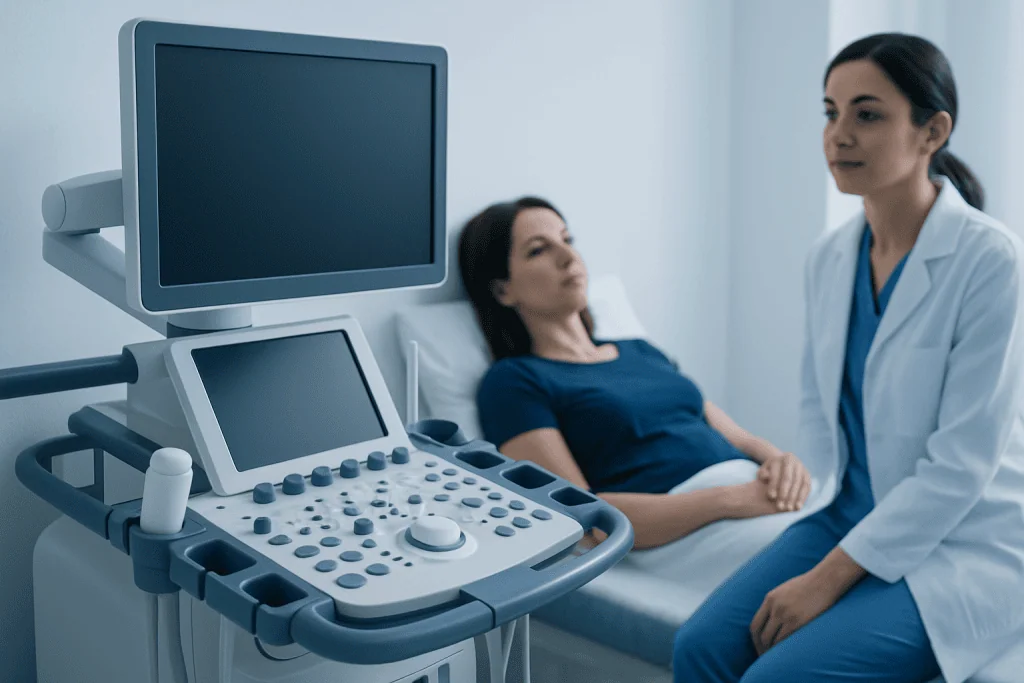
Some adnexal masses cause no symptoms and are found incidentally. When symptoms do occur, they can be vague and overlap with many other gynecologic or digestive conditions. This is one reason imaging and a clinical exam are important rather than relying on symptoms alone.
Possible symptoms may include pelvic or lower abdominal pain, a feeling of fullness or pressure, bloating, pain during intercourse, urinary frequency, constipation, or changes in menstrual bleeding. Depending on the cause, symptoms can be mild and come and go, or they may gradually become more noticeable over time.
Certain symptoms can suggest a more urgent problem. Sudden, severe one-sided pelvic pain may happen with ovarian torsion, when the ovary twists and its blood supply is reduced. Fever and pelvic pain may point to infection. Pain plus a missed period, dizziness, or vaginal bleeding can raise concern for ectopic pregnancy, which is an emergency and may relate to ectopic pregnancy.
- Mild or intermittent pelvic discomfort
- Bloating or abdominal swelling
- Menstrual changes or spotting
- Pain during sex
- Urgent symptoms such as severe pain, fainting, or fever
Common causes and risk factors

An adnexal mass can come from the ovary, fallopian tube, or nearby structures. Common ovarian causes include functional cysts, corpus luteum cysts, endometriomas related to endometriosis, and benign tumors such as dermoid cysts or cystadenomas. Tubal causes may include hydrosalpinx, infection, or an ectopic pregnancy. In some cases, the mass may not arise from the reproductive organs at all and can instead involve bowel, bladder, or connective tissue.
Inflammation and infection can also create an adnexal mass. A tubo-ovarian abscess may develop as a complication of pelvic inflammatory disease and usually causes pain, fever, and tenderness. Less often, fibroids growing from the uterus can mimic an adnexal mass on examination, and additional imaging helps distinguish the source.
Risk factors depend on the underlying cause. Ovulation-related cysts are more common during reproductive years. Endometriosis can increase the likelihood of endometriomas. A history of pelvic infection or sexually transmitted infections may raise the risk of tubo-ovarian complications. After menopause, the possibility of ovarian cancer is taken more seriously, especially with a family history of ovarian or breast cancer or inherited cancer syndromes.
Even so, risk factors alone cannot determine what a mass is. Doctors look at the full picture: age, symptoms, menopausal status, pregnancy status, medical history, and how the mass appears on imaging.
How doctors evaluate an adnexal mass
Evaluation usually begins with a medical history and pelvic examination. A doctor asks about pain, menstrual patterns, pregnancy possibility, past cysts, endometriosis, prior surgery, family history of cancer, and symptoms such as bloating or changes in bowel and bladder habits. The pelvic exam can sometimes suggest whether a mass is tender, mobile, or enlarged, but it cannot reliably determine the exact type.
Ultrasound is typically the first imaging test and is central to diagnosis. It can show whether the mass is simple and fluid-filled, complex with both fluid and solid parts, or mostly solid. Size, internal walls, blood flow, and whether one or both sides are involved all help guide next steps. In selected situations, a doctor may recommend pelvic ultrasound as the key initial study, and MRI or CT may be added if the picture remains unclear.
Blood tests are sometimes used to answer specific questions. A pregnancy test is essential in anyone who could be pregnant. Infection markers may be checked if fever or inflammation is suspected. Tumor markers such as CA-125 can be useful in selected patients, especially after menopause, but they are not a standalone cancer test because benign conditions can also raise them.
The goal of evaluation is risk stratification rather than immediate surgery for every mass. Many simple cysts can be watched safely with repeat imaging, while complex, persistent, painful, or suspicious masses may need referral to a gynecologist or gynecologic oncologist.
Treatment options and when monitoring is enough
Treatment depends on the likely cause of the adnexal mass, its size and appearance, symptoms, age, and whether pregnancy is involved. A small, simple ovarian cyst in a person of reproductive age may need only observation and follow-up ultrasound. This is because many functional cysts resolve on their own over time.
If the mass is causing significant pain, is growing, looks complex, or does not go away, treatment may be more active. Medication may help manage pain, and infection-related masses require prompt antibiotics and sometimes drainage. When a mass strongly suggests torsion, rupture with ongoing bleeding, or ectopic pregnancy, urgent treatment is needed to protect health and future fertility where possible.
Surgery may be recommended if a mass is suspicious, persistent, very large, or causing complications. Depending on the findings, the operation may involve removing the cyst while preserving the ovary, or removing the ovary and tube if necessary. Many patients are candidates for minimally invasive laparoscopic surgery, which can reduce recovery time compared with open surgery in appropriate cases.
If cancer is suspected, a specialist plans treatment carefully so the mass is removed safely and staged properly. In complex cases, additional imaging and pathology guide care. For international patients, Acibadem International’s multidisciplinary specialists and JCI-accredited hospitals evaluate adnexal masses and provide medical or surgical treatment when needed, including ovarian cyst surgery when it is clinically appropriate.
Prevention, self-care, and living with uncertainty
There is no single way to prevent every adnexal mass because the term covers many different conditions. Functional cysts, for example, are part of normal ovulation and may happen even in otherwise healthy people. Still, routine gynecologic care, attention to new symptoms, and timely evaluation of persistent pelvic discomfort can help problems be recognized earlier.
Self-care focuses mainly on symptom monitoring and comfort while a diagnosis is being clarified. Keeping track of pain, bloating, menstrual changes, and any relation to the menstrual cycle can help during follow-up visits. Over-the-counter pain relief may be used if a doctor says it is appropriate, but it should not replace assessment when symptoms are new, severe, or worsening.
People who have been advised to monitor a cyst should try to attend follow-up imaging as recommended. That follow-up is important because a mass may stay stable, resolve, or change in ways that alter management. It is also sensible to seek medical advice before vigorous activity if a large cyst is present, because in some situations twisting of the ovary is a concern.
Uncertainty can be stressful, especially when imaging finds an unexpected pelvic mass. Clear communication with the care team can help. Asking what the mass most likely is, whether it looks simple or complex, what warning signs to watch for, and when the next scan is needed can make the plan easier to understand.
When to seek medical care
Medical review is appropriate for ongoing pelvic pain, recurrent bloating, unexplained abdominal swelling, abnormal vaginal bleeding, or a new sense of pelvic pressure. A person should also contact a doctor if a known adnexal mass seems to be causing more discomfort or if follow-up imaging has been recommended but not yet arranged.
Urgent care is important for sudden severe pelvic or abdominal pain, fainting, marked dizziness, fever, vomiting, heavy bleeding, or pain during early pregnancy or after a missed period. These symptoms can be linked to emergencies such as ovarian torsion, a ruptured cyst with significant bleeding, or ectopic pregnancy.
After menopause, any new adnexal mass or persistent pelvic symptoms should be assessed promptly, even though many causes are still benign. Earlier evaluation allows the right imaging and specialist input if needed. Prompt care also helps avoid complications from conditions such as infection or torsion.
Frequently asked questions
Is an adnexal mass always cancer?
No. Many adnexal masses are benign, especially in people of reproductive age, and common causes include simple ovarian cysts and endometriomas. Still, evaluation is important because some masses need treatment and a smaller number may be cancerous.
Can an adnexal mass go away on its own?
Yes, some can. Functional ovarian cysts often resolve without treatment over weeks or months, which is why doctors sometimes recommend repeat ultrasound instead of immediate surgery. Whether observation is safe depends on symptoms and the ultrasound appearance.
What test is usually done first for an adnexal mass?
Pelvic ultrasound is usually the first test. It helps show the size, location, and internal features of the mass and can often suggest whether it is simple, complex, or likely related to the ovary, fallopian tube, or another nearby structure.
Does an adnexal mass affect fertility?
It can, but not always. Some causes, such as endometriosis, ovarian torsion, pelvic infection, or surgery involving the ovary or fallopian tube, may affect fertility more than a small simple cyst would. A gynecologist can explain the likely impact based on the exact diagnosis.
When is surgery needed for an adnexal mass?
Surgery may be needed if the mass is large, painful, persistent, suspicious on imaging, or causing complications such as torsion or internal bleeding. The decision also depends on age, menopausal status, pregnancy, and whether cancer is a concern.
What is the difference between an ovarian cyst and an adnexal mass?
An ovarian cyst is one specific type of adnexal mass. Adnexal mass is the broader term that includes ovarian cysts, benign tumors, infection-related masses, ectopic pregnancy, and some non-gynecologic causes near the reproductive organs.
This article is for general information only and is not a substitute for professional medical advice. Please consult a qualified doctor about your individual situation.
Explore treatments in Turkey — costs, top hospitals & a free quote
JCI-accredited · board-certified surgeons · reply within 24h
Add us as a Preferred Source to see more of our trusted health content across Google Search, AI Overviews and Discover.
Check your numbers in seconds
BMI, calories, due date, blood pressure and 30+ more clinical calculators — free, instant, doctor-reviewed ranges.

More from the Health Library

Chigger Bites: What Patients Need to Know

Shin Splints What: A Complete Medical Overview

Eseses: An Evidence-Based Guide for Patients

Sand Flea Bites: A Complete Medical Overview

Best Exercises for Speed: A Complete Medical Overview