

Advantages of Elliptical Trainer: A Complete Medical Overview
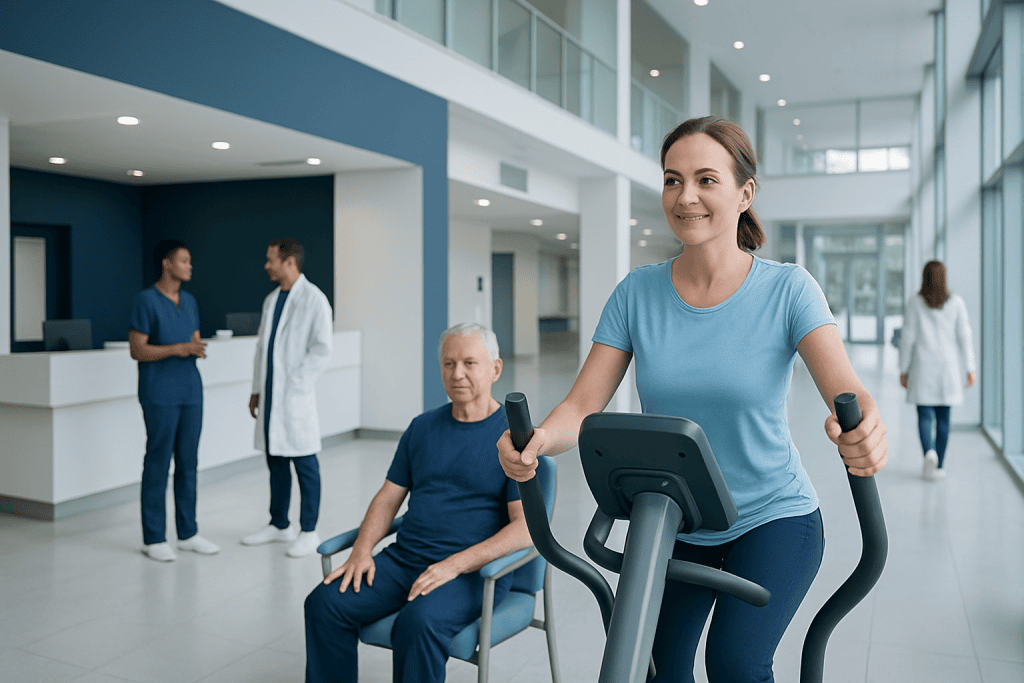
An elliptical trainer provides cardiovascular exercise with less impact on the joints than running on hard surfaces. Many machines allow upper- and lower-body training together, which can increase overall activity and energy expenditure.
Key Takeaways
- An elliptical trainer provides cardiovascular exercise with less impact on the joints than running on hard surfaces.
- Many machines allow upper- and lower-body training together, which can increase overall activity and energy expenditure.
- Resistance and incline settings can be adjusted for beginners, older adults, and people returning to exercise after injury.
- Good posture, proper foot placement, and gradual progression help reduce strain and improve comfort.
- People with pain, dizziness, chest symptoms, or significant medical conditions should seek medical advice before or during exercise.
The advantages of elliptical trainer use include low-impact aerobic exercise, adjustable intensity, and the option to train both the upper and lower body at the same time. For many people, it can be a practical way to support heart health, joint comfort, weight management, and exercise consistency when used with safe technique.
Overview: why people choose an elliptical trainer
The main advantages of elliptical trainer use are that it offers aerobic exercise with relatively low joint impact, allows controlled intensity changes, and can be easier to tolerate than higher-impact activities such as jogging. Because the feet usually stay in contact with the pedals, the motion reduces repetitive pounding through the ankles, knees, hips, and lower back. This makes it a common option for people who want regular cardio exercise while limiting impact forces.
From a medical perspective, an elliptical trainer can help support general fitness, heart and lung function, weight management, and daily mobility when it is used consistently. Many machines also include moving handles, which means the workout can involve both the upper and lower body. This can be helpful for people who prefer a full-body workout without the coordination demands of some sports or group exercise classes.
Another practical advantage is adaptability. Resistance, pace, workout duration, and sometimes incline can all be modified. That makes the elliptical trainer suitable for different fitness levels, from beginners building exercise tolerance to active adults looking for interval training. It may also be used as part of a supervised return-to-exercise plan after certain musculoskeletal issues, though individual medical advice is important.
How an elliptical trainer benefits the body
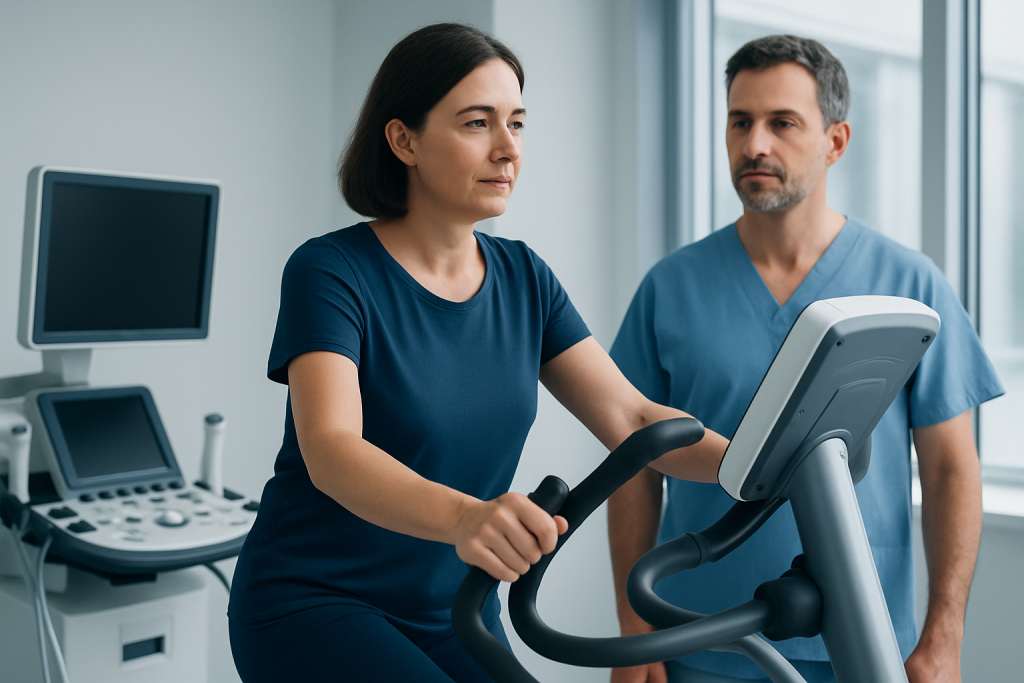
Elliptical exercise primarily strengthens aerobic capacity. Like brisk walking, cycling, or swimming, it raises the heart rate and breathing rate in a controlled way. Over time, regular aerobic activity can support cardiovascular health, improve stamina, and help the body use oxygen more efficiently. For many adults, this contributes to easier performance of everyday tasks such as climbing stairs or walking longer distances.
The movement pattern also works large muscle groups in the legs, including the quadriceps, hamstrings, gluteal muscles, and calves. When the machine has arm handles, the shoulders, chest, back, and arms may also be engaged. Although it is not a substitute for dedicated strength training, this combined activity can improve muscular endurance and increase total physical activity in one session.
Elliptical trainers may also support exercise adherence, which is a major health benefit in itself. Some people stop exercising because of discomfort with impact-based workouts, poor weather, or limited time. A machine-based workout done indoors can reduce those barriers. When exercise feels more manageable and comfortable, people are often more likely to continue it over the long term.
- Supports cardiovascular fitness
- Offers low-impact movement for many joints
- Can involve both upper and lower body
- Allows easy control of pace and resistance
- May help with calorie expenditure and weight management goals
Joint-friendly features and who may benefit most

One of the most recognized advantages of elliptical trainer workouts is the lower-impact motion. Because the feet remain on the pedals, there is typically less ground-reaction force than with running. This may make the machine more comfortable for some people with mild joint sensitivity, deconditioning, excess body weight, or a history of overuse discomfort from high-impact exercise.
That said, low impact does not mean no stress at all. The knees, hips, ankles, and lower back still work during the movement, and poor alignment can lead to discomfort. People with existing joint disease, significant arthritis, recent injury, or chronic pain should avoid assuming that any machine is automatically safe for them. A doctor or physical therapist may suggest activity modifications based on the exact problem, especially if there is known knee pain or persistent hip or back symptoms.
Older adults, people beginning a fitness program, and those returning after time away from exercise may particularly appreciate the machine’s stability and rhythm. Holding the stationary handles can improve balance confidence while the user learns the movement. For selected patients recovering from orthopedic conditions, clinicians may include low-impact cardio as part of broader physical therapy and rehabilitation, depending on healing stage and function.
Weight management, fitness goals, and realistic expectations
Elliptical training can contribute to weight management because it increases energy use and supports regular physical activity. However, the machine should be viewed as one part of a larger plan rather than a stand-alone solution. Nutrition, sleep, stress, medications, hormone balance, and consistency all influence body weight and body composition. Sustainable results usually come from combining movement with realistic lifestyle changes.
For general fitness, an elliptical trainer can be used in several ways. A steady, moderate-intensity session may help build endurance, while interval sessions with alternating higher and lower effort can add variety for more experienced users. Some people use the machine as a warm-up before resistance training, while others use it as their main aerobic workout. The best approach depends on health status, goals, and exercise tolerance.
It is also important to understand the machine’s limits. Elliptical exercise is helpful, but it does not fully replace weight-bearing impact training for everyone, and it does not build maximal strength on its own. People with osteoporosis risk, advanced athletic goals, or specific rehabilitation needs may need a more individualized program. In cases involving obesity-related mobility problems or persistent pain, doctors may also assess whether additional care is needed, including structured obesity treatment in selected patients.
Safe technique and common mistakes to avoid
Proper technique can improve comfort and reduce unnecessary strain. Most users should stand upright with the head neutral, shoulders relaxed, and core gently engaged. The feet should stay flat and centered on the pedals rather than pushing mostly through the toes. Hands may rest lightly on the moving or fixed handles instead of leaning heavily through the arms. This helps the legs and trunk do the intended work while maintaining better alignment.
A common mistake is starting too fast or with too much resistance. This may cause early fatigue, loss of form, or knee and hip discomfort. Another frequent issue is slouching forward, which can place stress on the neck and lower back. Short, controlled sessions are often better than long sessions done with poor posture. If numbness, sharp pain, or significant shortness of breath develops, the activity should be stopped and symptoms should be assessed.
People with foot, ankle, or gait-related concerns may need extra attention to setup and technique. Shoe support matters, and some users benefit from professional guidance if recurring discomfort develops. For people with posture or spinal issues, exercise advice may overlap with broader orthopedic rehabilitation strategies focused on alignment, flexibility, and graded return to activity.
- Begin with a short warm-up at low resistance
- Keep the spine tall rather than rounded forward
- Avoid locking the knees or bouncing through the motion
- Increase time, resistance, or incline gradually
- Use supportive footwear and stop if pain feels sharp or worsening
Who should use caution before starting
Although elliptical trainers are suitable for many people, they are not ideal for everyone without modification. Anyone with known heart disease, uncontrolled high blood pressure, severe breathing problems, recent surgery, major balance impairment, or a recent fracture should speak with a qualified clinician before starting a new exercise program. The same applies to people with chronic joint swelling, unexplained leg pain, or neurological symptoms that affect coordination.
Pregnant individuals, older adults with falls risk, and people recovering from illness may also benefit from personalized guidance. A clinician can help determine safe intensity, duration, and progression. In some situations, a different form of exercise may be more appropriate at first. For example, people with severe pain from osteoarthritis may need symptoms addressed and function assessed before a machine-based routine becomes comfortable.
Exercise should also be adapted if there are warning symptoms during use. Chest pressure, faintness, marked palpitations, severe breathlessness out of proportion to effort, or pain that changes normal walking afterward all deserve medical review. In rehabilitation settings, exercise is often most effective when it is tailored rather than copied from a general fitness plan.
When to seek medical care
Medical care is appropriate if exercise on an elliptical trainer causes persistent or worsening pain, especially in the knee, hip, ankle, or lower back. It is also important to seek assessment for swelling, joint locking, repeated instability, or pain that interferes with sleep or daily activities. These symptoms may signal an underlying issue that needs diagnosis rather than repeated self-management.
Urgent medical attention is needed for chest pain, severe shortness of breath, fainting, sudden weakness, or new neurological symptoms during or after exercise. People with diabetes should discuss exercise planning if they experience dizziness, unusual fatigue, or symptoms suggestive of low blood sugar. A careful medical review can help identify whether the problem relates to fitness level, technique, medication effects, cardiovascular risk, or a musculoskeletal condition.
If structured support is needed, multidisciplinary evaluation may be useful. Acibadem International’s specialists in JCI-accredited hospitals diagnose and treat musculoskeletal and general health concerns for international patients, including exercise-related issues when appropriate.
Building a balanced routine around the elliptical
For long-term health, the elliptical trainer works best as part of a balanced routine rather than as the only form of movement. Most adults benefit from a combination of aerobic activity, muscle-strengthening exercise, mobility work, and recovery. Adding simple resistance exercises for the legs, hips, core, and upper body can improve posture and function. Stretching and flexibility work may help comfort, although it should be gentle and individualized.
Progress is usually safest when gradual. A beginner might start with short sessions at light resistance several times per week and increase one variable at a time. More experienced users may add intervals, incline changes, or longer sessions depending on their goals. Rest days and symptom monitoring remain important, especially after illness or injury.
Ultimately, the advantages of elliptical trainer use are most meaningful when the activity is sustainable, comfortable, and matched to the person’s health needs. The best exercise is one that can be performed regularly with good technique and without provoking significant symptoms. When there is uncertainty, a doctor, sports medicine specialist, or rehabilitation professional can help create a safe plan.
Frequently asked questions
Is an elliptical trainer better for the joints than running?
For many people, yes. An elliptical trainer usually places less impact stress on the lower-limb joints because the feet stay on the pedals rather than striking the ground repeatedly. However, comfort still depends on technique, machine setup, and any existing joint condition.
Can an elliptical trainer help with weight loss?
It can support weight loss by increasing daily energy expenditure and making regular cardio exercise easier to maintain. Still, body weight is influenced by nutrition, sleep, hormones, medications, and overall activity patterns. It is usually most effective as part of a broader health plan.
Does an elliptical trainer give a full-body workout?
Many elliptical machines can involve both the arms and legs if they have moving handles. This means the workout may engage the shoulders, chest, back, and arms along with the lower body. Even so, it does not replace dedicated strength training for building muscle strength.
Is elliptical exercise good for beginners?
Yes, it is often suitable for beginners because pace and resistance can be adjusted easily. The smooth motion may also feel more manageable than high-impact activities. Starting slowly and focusing on posture can help prevent early discomfort.
Can people with knee pain use an elliptical trainer?
Some people with mild knee discomfort find elliptical exercise more tolerable than running. However, knee pain has many causes, and not all of them improve with this type of exercise. If pain is persistent, sharp, or associated with swelling or instability, medical advice is important.
How long should a person use an elliptical trainer?
The right duration depends on fitness level, symptoms, and overall health. Beginners often do better with shorter sessions and gradual increases over time rather than long workouts immediately. A clinician or exercise professional can help tailor a safe plan if there are medical concerns.
References
- World Health Organization
- American Heart Association
- American College of Sports Medicine
- National Institute of Arthritis and Musculoskeletal and Skin Diseases
This article is for general information only and is not a substitute for professional medical advice. Please consult a qualified doctor about your individual situation.
Joint and spine care in Turkey — expert assessment & treatment
JCI-accredited · board-certified surgeons · reply within 24h
Add us as a Preferred Source to see more of our trusted health content across Google Search, AI Overviews and Discover.
Check your numbers in seconds
BMI, calories, due date, blood pressure and 30+ more clinical calculators — free, instant, doctor-reviewed ranges.

More from the Health Library



Related Specialists

Prof. Dr. Hüseyin Bayram
Orthopedic Surgery & Traumatology
Prof. Dr. Nergiz Hüseyinoğlu
Neurology
Dr. Ayşe İrem İskenderoğlu
Aesthetic Plastic & Reconstructive Surgery
Dr. Utkan Topçu
Neurosurgery