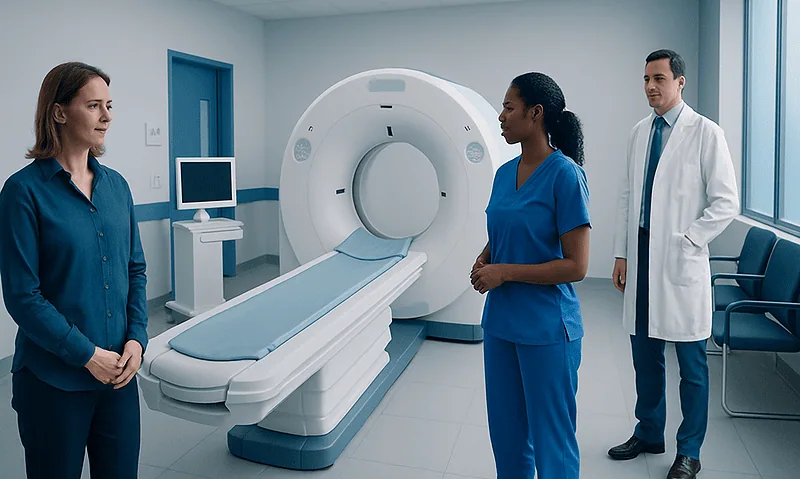
Alcohol Detox: What to Expect During the First 72 Hours

The first 72 hours of alcohol detox are often when withdrawal symptoms begin, peak, and need the closest monitoring. Symptoms can include tremors, sweating, nausea, anxiety, sleep problems, and changes in heart rate or blood pressure.
Key Takeaways
- The first 72 hours of alcohol detox are often when withdrawal symptoms begin, peak, and need the closest monitoring.
- Symptoms can include tremors, sweating, nausea, anxiety, sleep problems, and changes in heart rate or blood pressure.
- Some people are at risk for severe alcohol withdrawal, including seizures or delirium tremens, which require urgent medical care.
- Medical detox can provide monitoring, fluids, symptom control, and treatment of nutritional deficiencies.
- People should not attempt alcohol detox alone if they have heavy alcohol use, past severe withdrawal, or other medical conditions.
Alcohol detox is the process of clearing alcohol from the body while managing withdrawal symptoms safely. The first 72 hours can range from mild discomfort to severe complications, so understanding what may happen and when to seek medical care is important.
Overview: What Alcohol Detox Means
Alcohol detox is the early phase of stopping alcohol use and allowing the body to adjust after regular or heavy drinking. It is not simply a matter of “waiting it out.” Alcohol affects the brain, nerves, heart, liver, sleep, and mood. When alcohol use suddenly stops, the body can react in ways that are uncomfortable, unpredictable, and sometimes dangerous.
The first 72 hours are especially important because many withdrawal symptoms begin within hours of the last drink and may intensify over the next few days. Some people have mild symptoms such as shakiness or nausea, while others develop confusion, hallucinations, seizures, or a severe condition called delirium tremens. Because the severity can change quickly, medical advice is recommended before detox begins.
Alcohol detox is different from long-term treatment for alcohol use disorder. Detox focuses on short-term safety and withdrawal management. Ongoing recovery usually involves counseling, psychological support, relapse prevention, and in some cases medication. For people needing structured support, a doctor may recommend alcohol addiction treatment after the detox phase.
What to Expect During the First 72 Hours
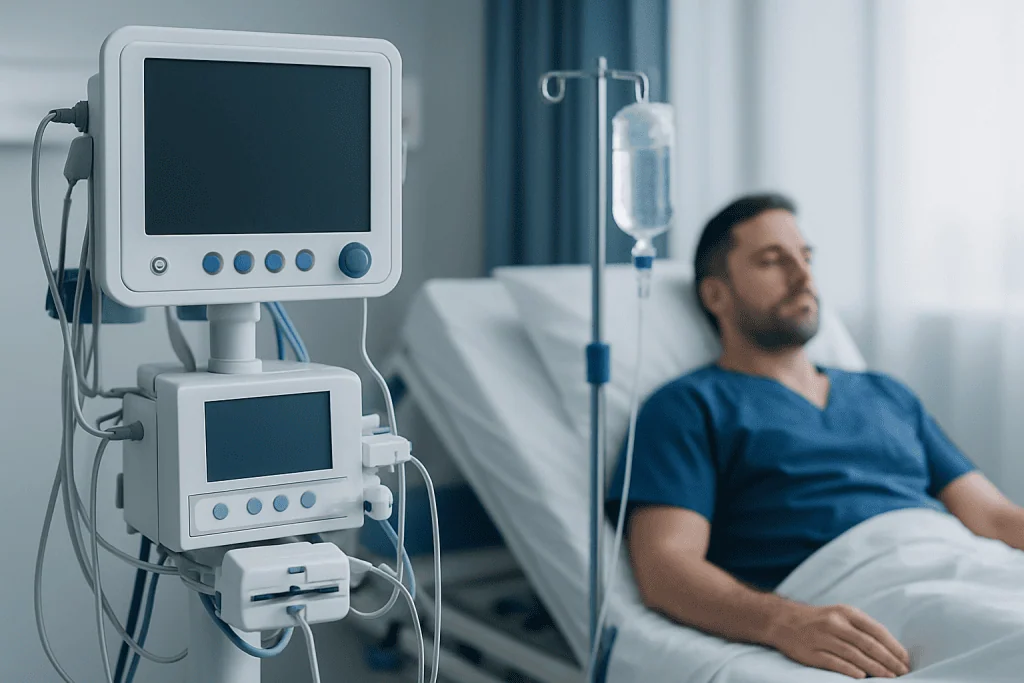
The timing of alcohol withdrawal varies from person to person, depending on how much alcohol was used, how often, and whether the person has had withdrawal before. In general, mild symptoms can begin as early as 6 to 12 hours after the last drink. These may include headache, sweating, tremors, nausea, anxiety, irritability, and difficulty sleeping. Some people also notice a fast heartbeat or elevated blood pressure.
From about 12 to 24 hours, symptoms may continue or become more intense. A person may feel restless, sensitive to light or sound, or unable to concentrate. In some cases, hallucinations can occur. These can involve seeing, hearing, or feeling things that are not there, even while the person remains aware of their surroundings. Hallucinations should always be taken seriously and discussed with a doctor promptly.
Between 24 and 48 hours, the risk of seizures can increase in vulnerable individuals. Not everyone will have seizures, but a history of heavy daily drinking, previous withdrawal seizures, or repeated detox episodes can raise the risk. During this time, dehydration, poor sleep, and poor nutrition may also worsen symptoms.
From 48 to 72 hours, severe withdrawal may peak in some people. Delirium tremens can involve severe agitation, disorientation, fever, intense sweating, hallucinations, and unstable blood pressure or heart rate. This is a medical emergency. Even if symptoms seem manageable at first, they can escalate, which is why early assessment is so important.
Symptoms of Alcohol Withdrawal

Alcohol withdrawal symptoms can be physical, emotional, and cognitive. Mild to moderate symptoms are more common, but severe symptoms must always be considered. A person may feel physically unwell, emotionally distressed, and unable to rest, which can make the first days of detox challenging.
Common symptoms include:
- Tremors or shakiness
- Sweating
- Nausea or vomiting
- Headache
- Anxiety or panic
- Irritability or mood changes
- Insomnia or vivid dreams
- Rapid heartbeat
- High blood pressure
- Poor appetite
More serious symptoms include hallucinations, seizures, severe confusion, extreme agitation, and delirium tremens. These symptoms do not mean a person has failed or done something wrong; they reflect the way the nervous system responds after alcohol is removed. Withdrawal can be especially complicated if there is coexisting depression or another mental health condition, because symptoms may overlap and need careful assessment.
Some people also have low levels of vitamins and minerals, especially if alcohol use has affected diet and digestion. Weakness, numbness, poor concentration, and memory problems can be linked to both withdrawal and nutritional deficiencies. This is one reason medical evaluation is helpful even when symptoms initially seem mild.
Who Is at Higher Risk for Severe Withdrawal
Not everyone who stops drinking will have dangerous withdrawal, but some factors increase the risk. Heavy daily drinking over a long period is one of the strongest predictors. A past history of severe withdrawal, hallucinations, or seizures also matters, because withdrawal may become more severe with repeated episodes.
Other risk factors include older age, liver disease, heart disease, dehydration, poor nutrition, infection, and use of other substances such as sedatives. People who have been drinking throughout the day to avoid withdrawal symptoms may also need closer monitoring. Pregnancy is another reason to seek medical supervision right away.
Mental health conditions can complicate alcohol detox as well. Anxiety, trauma-related symptoms, sleep disorders, or panic attacks may intensify distress during withdrawal. This does not necessarily mean symptoms are dangerous, but it does mean a doctor should help distinguish between psychiatric symptoms and withdrawal-related changes.
If a person has fainting, chest pain, severe vomiting, trouble breathing, confusion, or a seizure, emergency care is needed. In many cases, supervised detox is the safest setting for people with significant alcohol dependence or a complicated medical history.
How Doctors Diagnose and Monitor Alcohol Detox
Diagnosis begins with a clinical history. A doctor will ask when the last drink was, how much alcohol has been used, whether withdrawal has happened before, and whether there are other medical or psychiatric conditions. Honest information helps clinicians judge risk and choose the safest setting for care.
Physical examination and basic monitoring are important during the first 72 hours. Clinicians typically assess pulse, blood pressure, temperature, hydration, mental state, and the presence of tremors or agitation. In many settings, a structured withdrawal scale is used to track symptoms over time and guide treatment.
Laboratory tests may be used to check blood sugar, liver function, electrolyte levels, blood counts, and nutritional status. These tests do not diagnose withdrawal on their own, but they help identify complications such as dehydration, infection, or vitamin deficiency. If symptoms suggest a heart problem, seizure disorder, head injury, or another medical condition, doctors may investigate those as well.
Monitoring is not only about identifying severe symptoms. It also helps support comfort, sleep, fluid balance, and nutritional recovery. In some patients, clinicians may recommend care in a dedicated detox or inpatient setting where the person can receive regular observation and rapid treatment if symptoms worsen.
Treatment Options During Alcohol Detox
Treatment depends on symptom severity and a person’s overall health. Mild withdrawal may sometimes be managed with close outpatient follow-up, but moderate to severe symptoms often need supervised medical detox. The goals are to prevent complications, reduce distress, and stabilize the person for ongoing recovery.
Medical treatment may include medications to control withdrawal symptoms and lower the risk of seizures, along with fluids, correction of electrolytes, and vitamin replacement. Thiamine is commonly considered because long-term alcohol use can lead to deficiency and neurological complications. Doctors will also address related issues such as vomiting, insomnia, agitation, or coexisting illness.
For some people, detox is only the beginning of care. After the acute phase, a broader plan may include psychotherapy, family support, group programs, or rehabilitation services. If alcohol use has affected mood or daily functioning, clinicians may also suggest psychiatric support or psychological counseling as part of recovery.
Near the end of treatment planning, some international patients seek coordinated care in specialized centers. Acibadem International’s multidisciplinary specialists and JCI-accredited hospitals diagnose and treat alcohol-related conditions for international patients when medically appropriate.
Self-Care, Safety, and What Not to Do
A person should not assume that home detox is always safe. If there has been heavy alcohol use, previous severe withdrawal, seizures, major medical illness, or significant psychiatric symptoms, detox should be medically supervised. Stopping alcohol without assessment can place the person at risk, even if they have managed withdrawal before.
Supportive measures can still help alongside professional guidance. A calm environment, hydration, simple meals if tolerated, rest, and having a trusted adult nearby may reduce stress. It is important not to drive, operate machinery, or stay alone if symptoms are beginning. Taking non-prescribed sedatives or other substances to “calm down” can be dangerous.
Family members can help by observing for red-flag symptoms rather than trying to manage severe withdrawal themselves. They should watch for worsening tremors, confusion, vomiting, hallucinations, or falls. If the person becomes difficult to wake, has a seizure, or seems disoriented, emergency help is needed.
After the first 72 hours, some symptoms such as sleep disturbance, low mood, cravings, and anxiety may continue for longer. This does not mean detox has failed. It means the body and brain still need time and structured support to recover.
When to See a Doctor Urgently
Medical help should be sought before detox begins if the person drinks heavily every day, has had withdrawal symptoms before, or has major health conditions. A doctor can help determine whether home management is reasonable or whether supervised detox is safer. Early planning can prevent complications and make the process more manageable.
Urgent or emergency care is needed if there is a seizure, hallucinations, severe shaking, chest pain, shortness of breath, persistent vomiting, fainting, fever, confusion, or marked agitation. These symptoms may indicate severe withdrawal or another serious medical problem. It is safer to be evaluated promptly than to wait and see.
People should also seek help if they are unable to stop drinking without becoming unwell, or if alcohol use is affecting work, relationships, sleep, or mental health. Withdrawal is only one part of the picture. A doctor can assess for alcohol use disorder, treat related conditions, and help build a safer long-term plan.
If there is concern about self-harm, hopelessness, or unsafe behavior during detox, immediate mental health or emergency support is essential. Compassionate, professional care can make a major difference in both safety and recovery.
Frequently asked questions
How soon do alcohol withdrawal symptoms start?
Symptoms often begin within 6 to 12 hours after the last drink, although timing can vary. Early symptoms commonly include tremor, sweating, anxiety, nausea, and trouble sleeping.
What is the most dangerous time during alcohol detox?
The first 72 hours are often the highest-risk period because symptoms can intensify and severe withdrawal may develop. In some people, seizures or delirium tremens occur during this window and require emergency medical care.
Can alcohol detox be done safely at home?
Some people with mild symptoms may be managed at home only with medical guidance and reliable support. Home detox is not safe for everyone, especially those with heavy alcohol use, prior seizures, severe withdrawal, pregnancy, or other major health conditions.
What are signs that alcohol withdrawal is becoming an emergency?
Emergency warning signs include seizures, confusion, hallucinations, severe agitation, fainting, chest pain, trouble breathing, or persistent vomiting. These symptoms need urgent medical evaluation right away.
How is alcohol detox treated in a medical setting?
Medical detox usually involves monitoring vital signs and symptoms, giving medications to reduce withdrawal severity, and correcting fluids, electrolytes, and vitamin deficiencies. The exact treatment plan depends on the person’s symptoms and overall health.
Does detox cure alcohol addiction?
No. Detox helps the body withdraw from alcohol safely, but it does not treat the underlying patterns that lead to continued drinking. Long-term recovery often includes counseling, behavioral treatment, support programs, and follow-up care.
References
- World Health Organization
- National Institute on Alcohol Abuse and Alcoholism
- Substance Abuse and Mental Health Services Administration
- National Health Service
- American Society of Addiction Medicine
This article is for general information only and is not a substitute for professional medical advice. Please consult a qualified doctor about your individual situation.
Explore treatments in Turkey — costs, top hospitals & a free quote
JCI-accredited · board-certified surgeons · reply within 24h
Add us as a Preferred Source to see more of our trusted health content across Google Search, AI Overviews and Discover.
Check your numbers in seconds
BMI, calories, due date, blood pressure and 30+ more clinical calculators — free, instant, doctor-reviewed ranges.