ALS Diagnosis: Diagnosis, Outlook, and Modern Treatment Approaches

ALS diagnosis is based on clinical findings plus tests that support the diagnosis and rule out mimicking conditions. There is no single blood test or scan that confirms ALS on its own.
Key Takeaways
- ALS diagnosis is based on clinical findings plus tests that support the diagnosis and rule out mimicking conditions.
- There is no single blood test or scan that confirms ALS on its own.
- Common diagnostic tools include neurological examination, EMG, nerve conduction studies, MRI, and laboratory testing.
- Treatment does not cure ALS, but it can help manage symptoms, support breathing and nutrition, and maintain quality of life.
- Prompt medical review is important for progressive weakness, muscle wasting, trouble speaking or swallowing, or breathing changes.
ALS diagnosis is a step-by-step process that combines a neurological examination with tests such as electromyography, nerve studies, blood work, and imaging to confirm motor neuron disease and exclude other causes. Early diagnosis matters because it helps people access symptom treatment, rehabilitation, breathing and nutrition support, and future care planning sooner.
Overview: How ALS Diagnosis Is Made
ALS diagnosis usually means confirming a pattern of progressive nerve damage affecting the muscles while excluding other conditions that can look similar. In practice, doctors do not rely on one test alone. Instead, they combine the person’s medical history, a detailed neurological examination, electrical studies of muscle and nerve function, and imaging or laboratory tests to build a clear picture.
Amyotrophic lateral sclerosis, often called ALS or motor neuron disease in some settings, affects the nerve cells that control voluntary movement. As these motor neurons are damaged, muscles become weaker, thinner, and less responsive. Because early symptoms can resemble pinched nerves, muscle disorders, vitamin deficiencies, autoimmune disease, or other neurological conditions, diagnosis can take time and may involve more than one specialist visit.
The goal of evaluation is not only to identify ALS accurately, but also to recognize treatable conditions that may mimic it. Once the diagnosis is established, care can move toward symptom control, rehabilitation, respiratory monitoring, nutrition support, and longer-term planning. This early, structured approach often helps patients and families understand what to expect and what support is available.
Symptoms That May Lead to an ALS Evaluation
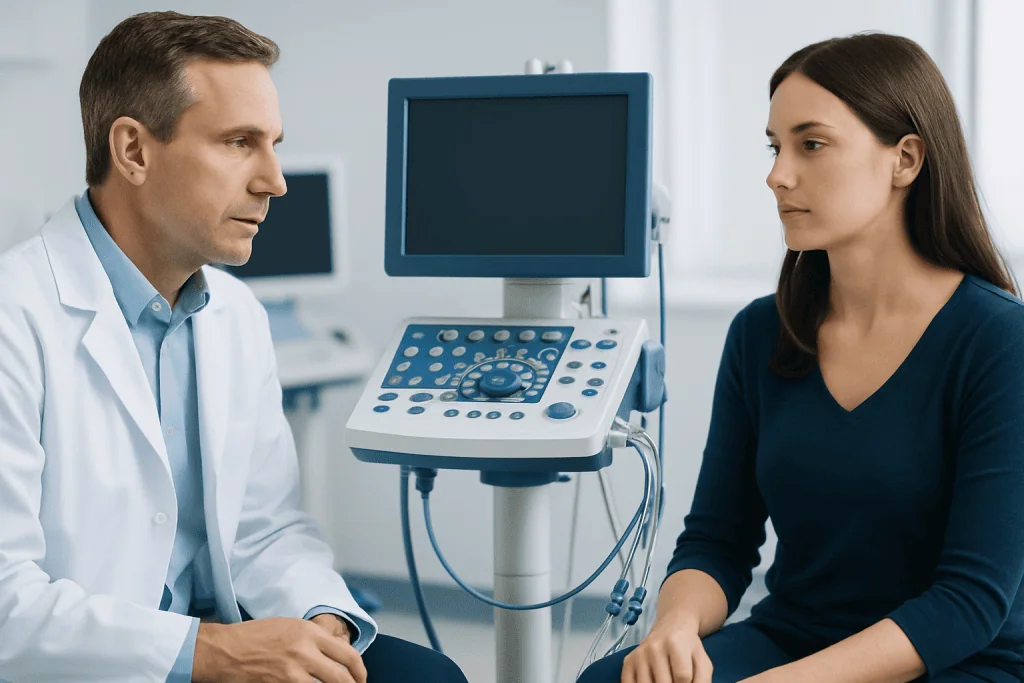
ALS often begins subtly. One person may notice weakness in a hand, frequent tripping, or difficulty lifting the front of the foot. Another may first develop slurred speech, a weak voice, or trouble swallowing. Cramps, muscle twitching, and stiffness can also occur. These symptoms usually worsen gradually rather than appearing all at once.
Doctors pay close attention to whether symptoms involve both upper and lower motor neuron changes. Upper motor neuron involvement may cause stiffness, brisk reflexes, and muscle tightness. Lower motor neuron involvement may lead to muscle wasting, weakness, twitching, and reduced muscle tone. Finding evidence of both patterns in different body regions can strongly support ALS diagnosis.
Common symptoms that may prompt neurological testing include:
- Progressive weakness in the arms, legs, hands, or feet
- Muscle twitching, especially in the limbs or tongue
- Muscle cramps and stiffness
- Changes in speech, such as slurring or a strained voice
- Difficulty chewing or swallowing
- Frequent falls or reduced coordination
- Shortness of breath, especially during sleep or exertion
Symptoms vary from person to person, and early signs do not automatically mean ALS. Many more common conditions can cause weakness or speech and swallowing changes. That is why a formal neurological assessment is essential.
What Doctors Look For During ALS Diagnosis

The diagnostic process usually starts with a detailed history. A neurologist asks when symptoms began, how quickly they have progressed, and which parts of the body are affected. They also ask about weight loss, breathing symptoms, swallowing problems, falls, family history, and any exposure or medical issue that might point to another explanation.
The neurological examination is central to als diagnosis. The doctor tests muscle strength, tone, reflexes, balance, coordination, gait, speech, and swallowing. They may look for muscle wasting, visible twitching called fasciculations, and signs of spasticity. The pattern matters: ALS typically causes progressive motor weakness while sensation is often relatively preserved.
Because there is no single stand-alone confirmatory test, clinicians use accepted diagnostic frameworks to judge whether findings fit ALS. These frameworks focus on evidence of upper and lower motor neuron involvement in multiple body regions and on the absence of a better alternative diagnosis. Sometimes the findings are clear early on; in other cases, follow-up over time is needed before the diagnosis becomes certain.
People may hear terms such as possible, probable, or definite ALS during the evaluation period. These labels reflect how much evidence has been gathered so far, not how severe the disease is. If uncertainty remains, repeat examinations and repeat electrical studies may be recommended.
Tests Used to Confirm ALS and Exclude Similar Conditions
Electromyography, or EMG, is one of the most important tests in ALS diagnosis. It measures the electrical activity of muscles and can show patterns of ongoing nerve injury and reinnervation that support motor neuron disease. Nerve conduction studies are often performed at the same time. These help assess how well nerves carry signals and are useful for distinguishing ALS from peripheral neuropathy or disorders affecting the nerve-muscle junction.
MRI scans of the brain and spinal cord do not diagnose ALS by themselves, but they are valuable for ruling out structural problems such as cervical spinal cord compression, stroke, inflammation, or tumors. Blood and urine tests may be ordered to look for thyroid disease, vitamin deficiencies, infections, autoimmune disorders, metabolic conditions, or toxin exposure. In selected cases, spinal fluid testing, genetic testing, muscle biopsy, or additional specialized studies may be advised.
Genetic testing may be discussed if there is a family history of ALS or frontotemporal dementia, or when a clinician suspects an inherited form. Not all ALS is hereditary, and not everyone needs genetic testing. When it is relevant, counseling can help patients understand what the results may mean for them and their relatives.
Some people being evaluated for ALS may also need advanced imaging or support from related specialties. Depending on symptoms, clinicians may use MRI imaging to investigate the brain and spine, or consider referral for neurology evaluation and physical therapy and rehabilitation once the diagnosis is clearer. Conditions that can overlap or enter the differential diagnosis include Parkinson’s disease in some movement-related presentations, although the underlying disorders are different.
Outlook After an ALS Diagnosis
After als diagnosis, one of the first questions many people ask is about outlook. ALS is a progressive neurodegenerative disease, but progression is not identical for everyone. Some people have a slower course, while others notice a faster change in mobility, speech, swallowing, or breathing. The symptoms present at onset, the speed of progression, and the need for respiratory or nutritional support all influence outlook.
Although there is currently no cure, earlier diagnosis can still make a meaningful difference. It allows timely access to therapies that may slow progression in selected cases, coordinated symptom management, adaptive equipment, respiratory assessment, nutrition support, and rehabilitation planning. These measures aim to preserve function, safety, comfort, and quality of life for as long as possible.
Outlook should be discussed individually rather than in general terms alone. Neurologists often monitor breathing strength, weight, mobility, speech, and swallowing over time to guide decisions about supportive treatments. This ongoing review helps ensure that changes are addressed promptly and that care remains aligned with the patient’s goals and preferences.
Modern Treatment Approaches and Supportive Care
Treatment after ALS diagnosis usually combines disease-targeted therapy with symptom management and supportive care. Medicines may be offered to help slow progression in some patients, depending on the clinical situation and local practice. Other treatments focus on common symptoms such as muscle cramps, stiffness, excess saliva, pain, constipation, sleep disturbance, anxiety, or emotional lability. Because needs change over time, treatment plans are regularly adjusted.
Multidisciplinary care is a key part of modern ALS management. Neurologists, rehabilitation physicians, physiotherapists, occupational therapists, speech and language therapists, dietitians, respiratory specialists, psychologists, and palliative care teams may all contribute. This team approach can help with communication aids, home adaptations, fall prevention, energy conservation, swallowing strategies, and decisions about feeding or breathing support when needed.
Breathing and nutrition deserve special attention. Respiratory muscle weakness may first appear as morning headaches, poor sleep, daytime tiredness, or shortness of breath. Swallowing problems can increase the risk of choking, dehydration, and weight loss. Timely respiratory testing and nutritional assessment allow earlier use of noninvasive ventilation, swallowing guidance, or feeding support when appropriate. Rehabilitation and supportive planning may be coordinated through services such as rehabilitation for changing physical needs.
For international patients seeking coordinated care, Acibadem International’s multidisciplinary specialists and JCI-accredited hospitals diagnose and treat neuromuscular conditions with individualized plans. In some cases, doctors may also evaluate related neurological concerns such as multiple sclerosis if symptoms or test findings suggest another diagnosis should be excluded.
Living With ALS: Self-Care, Planning, and Everyday Support
Self-care after ALS diagnosis is not about curing the condition at home. Instead, it is about protecting function, reducing complications, and making daily life safer and more manageable. Regular follow-up, balanced nutrition, hydration, and a personalized activity plan are important. Gentle exercise may help maintain flexibility and comfort, but overexertion is usually avoided. A clinician or therapist can advise what level of activity is appropriate.
Practical adjustments often help people stay independent longer. These may include mobility aids, hand splints, bathroom supports, communication devices, and home modifications. A speech and language therapist can suggest techniques and tools if speaking becomes tiring or swallowing becomes difficult. An occupational therapist can recommend strategies to conserve energy during dressing, bathing, cooking, and other daily tasks.
Emotional support matters as much as physical care. Many patients and families benefit from counseling, support groups, social work guidance, and advance care planning discussions. Planning ahead does not mean giving up hope. It allows the person to express preferences about future care, communication, work, travel, and family support while they can do so clearly and comfortably.
When to Seek Medical Care
Medical care should be sought promptly for progressive weakness, muscle wasting, repeated falls, new speech changes, or difficulty swallowing. Although these symptoms do not always mean ALS, they need professional assessment, especially if they are worsening over weeks or months. Early review may uncover a treatable condition or speed access to specialist care.
Urgent medical attention is needed for significant shortness of breath, choking episodes, an inability to swallow fluids, chest infections, or sudden marked decline in mobility. These issues can signal complications that need immediate support. Family members or caregivers should also speak up if they notice breathing changes during sleep, severe fatigue, or rapid weight loss.
If a person already has an ALS diagnosis, regular follow-up remains essential even when symptoms seem stable. Monitoring allows the care team to adjust treatment, review breathing and nutrition, and respond quickly to new needs. Patients should contact a qualified doctor whenever symptoms change or become harder to manage at home.
Frequently asked questions
How is ALS diagnosed?
ALS is diagnosed through a combination of medical history, neurological examination, and tests such as EMG, nerve conduction studies, MRI, and blood work. The aim is to identify signs of motor neuron disease and rule out other conditions that can cause similar symptoms.
Is there a single test that confirms ALS?
No. There is no single blood test, scan, or procedure that confirms ALS on its own. Diagnosis depends on the overall pattern of symptoms, examination findings, and supportive test results.
How long does ALS diagnosis take?
The timeline varies. Some people are diagnosed relatively quickly, while others need repeat visits and follow-up testing because early symptoms can overlap with more common disorders. A careful process helps avoid misdiagnosis.
Can ALS be mistaken for another condition?
Yes. Conditions such as cervical spine disease, peripheral neuropathy, myasthenia gravis, inflammatory nerve disorders, vitamin deficiencies, and some muscle diseases can resemble ALS. That is why doctors use several tests to exclude other causes.
What happens after an ALS diagnosis?
After diagnosis, care usually shifts to symptom treatment, monitoring of breathing and swallowing, rehabilitation, nutrition support, and long-term planning. Many people benefit from multidisciplinary care involving neurology, physiotherapy, speech therapy, respiratory care, and dietetics.
Can treatment cure ALS?
Current treatments do not cure ALS. However, they can help manage symptoms, may slow progression in some patients, and often improve comfort, safety, and quality of life.
References
- National Institute of Neurological Disorders and Stroke
- National Institute for Health and Care Excellence
- Mayo Clinic
- Muscular Dystrophy Association
- ALS Association
This article is for general information only and is not a substitute for professional medical advice. Please consult a qualified doctor about your individual situation.
Explore treatments in Turkey — costs, top hospitals & a free quote
JCI-accredited · board-certified surgeons · reply within 24h
Add us as a Preferred Source to see more of our trusted health content across Google Search, AI Overviews and Discover.