

Alzheimer’s Disease Specialists: When to Get a Second Opinion and What to Expect

Alzheimer’s disease specialists may include neurologists, geriatricians, psychiatrists, and neuropsychologists working together. A second opinion can help confirm the diagnosis, rule out other causes of cognitive decline, and review treatment choices.
Key Takeaways
- Alzheimer’s disease specialists may include neurologists, geriatricians, psychiatrists, and neuropsychologists working together.
- A second opinion can help confirm the diagnosis, rule out other causes of cognitive decline, and review treatment choices.
- Assessment often includes a detailed medical history, physical and neurologic examination, cognitive testing, blood tests, and brain imaging when appropriate.
- Early specialist care can support symptom management, safety planning, caregiver education, and future decision-making.
- Families can prepare for appointments by bringing medication lists, prior test results, and examples of day-to-day changes.
Alzheimer’s disease specialists help assess memory and thinking changes, confirm or refine a diagnosis, and guide treatment and care planning. A second opinion can be especially helpful when symptoms are unusual, progress quickly, or the diagnosis or treatment plan remains unclear.
Overview: What Alzheimer’s disease specialists do
Alzheimer’s disease specialists are doctors and allied professionals with experience in evaluating memory loss, changes in thinking, and symptoms of dementia. They help determine whether a person’s symptoms are due to Alzheimer’s disease, another type of dementia, or a different medical problem that may affect cognition. Their role is not only to name a condition, but also to explain what it means, what to expect, and which treatments and supportive strategies may help.
Specialists may work in memory clinics, neurology departments, geriatric medicine services, or multidisciplinary dementia programs. Depending on the person’s needs, the care team may include a neurologist, geriatrician, psychiatrist, neuropsychologist, neuroradiologist, nurse specialist, social worker, and rehabilitation professionals. This team approach can be useful because memory changes often affect health, mood, safety, daily function, and family life at the same time.
A second opinion is a fresh review by another qualified clinician or team. It can be reassuring when the diagnosis is straightforward, and it can be especially valuable when symptoms started at a younger age, change quickly, do not fit a typical pattern, or when a family wants more clarity before making important treatment or care decisions. In many cases, a second opinion confirms the original diagnosis; in others, it refines or changes it.
When to get a second opinion
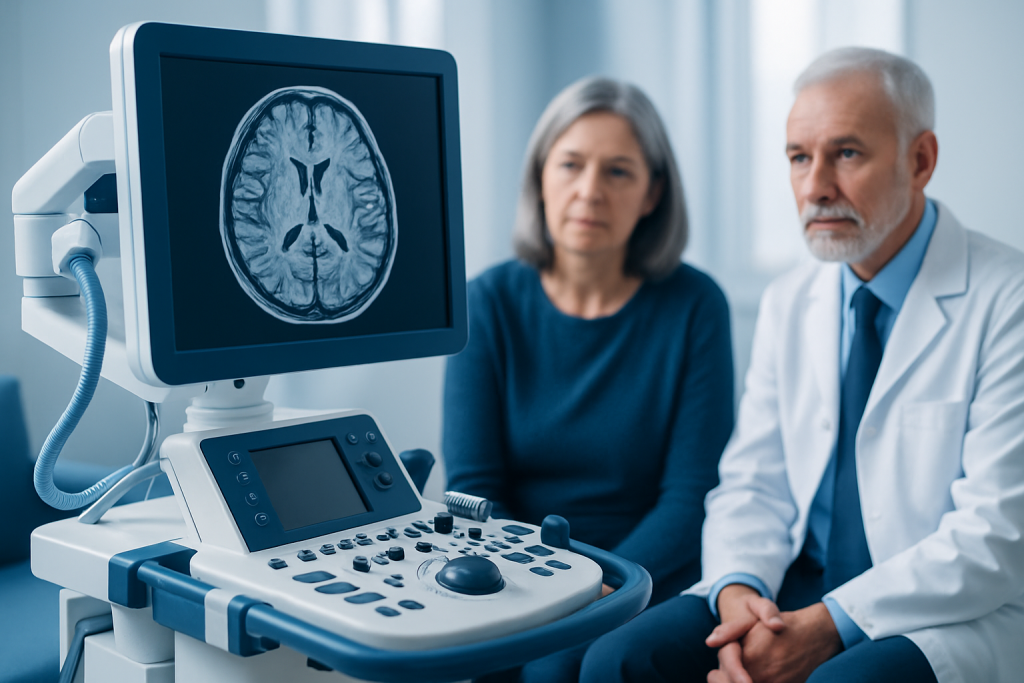
Many families seek a second opinion when they are unsure about the diagnosis, feel that the symptoms have not been fully explained, or want to understand all available options. Memory loss has many possible causes, including medication side effects, sleep disorders, depression, vitamin deficiencies, thyroid problems, stroke, and other neurologic conditions. Because of this, confirming the underlying reason for cognitive change can be important.
A second opinion may be particularly helpful if the person is under age 65, symptoms developed suddenly, decline seems rapid, behavior changes are more prominent than memory loss, movement problems appear early, or brain imaging and test results do not match the clinical picture. It can also help when treatment is not working as expected, side effects are difficult, or the family is considering advanced testing or long-term care planning.
Seeking another opinion should not be seen as distrustful or confrontational. In dementia care, it is common and often constructive. A new specialist may review earlier records, repeat selected tests, or suggest additional evaluations to distinguish Alzheimer’s disease from other conditions such as Parkinson’s disease or vascular cognitive impairment.
- Diagnosis remains uncertain after the first assessment
- Symptoms are unusual for typical Alzheimer’s disease
- The person has several medical conditions that may affect thinking
- There are concerns about medications or treatment side effects
- The family wants expert guidance on prognosis, safety, and planning
Which specialists may be involved

Several types of specialists may take part in assessment and treatment. A neurologist focuses on diseases of the brain and nervous system and often leads the work-up for dementia. A geriatrician brings expertise in aging, multiple health conditions, frailty, and medication review. A psychiatrist may help evaluate mood, anxiety, psychosis, sleep problems, or behavioral symptoms that can overlap with or worsen cognitive decline.
Neuropsychologists perform detailed testing of memory, language, attention, problem-solving, and visual-spatial skills. Their evaluation can help identify patterns that suggest Alzheimer’s disease or point toward another diagnosis. Radiologists with experience in brain imaging interpret MRI or CT findings, while laboratory specialists help identify reversible or contributing medical causes.
Other professionals can be just as important. Speech and language therapists, occupational therapists, and physical therapists support communication, home safety, mobility, and daily functioning. Social workers and dementia nurses help families navigate services, caregiver stress, legal planning, and community support. When care is coordinated, families often gain a clearer picture of both medical and practical next steps.
What to expect at the appointment
A specialist visit for possible Alzheimer’s disease usually begins with a detailed conversation about symptoms and how they affect everyday life. The doctor may ask when changes first began, whether they have been gradual or sudden, and which abilities are most affected, such as remembering recent events, finding words, managing finances, driving, cooking, or following conversations. A relative or close friend is often asked to provide observations, because they may notice changes the patient does not.
The consultation commonly includes a physical and neurologic examination and brief cognitive screening. The clinician reviews current and past illnesses, sleep patterns, mood, alcohol use, hearing and vision problems, and all medications, including over-the-counter products. This is important because some medicines can worsen confusion, especially in older adults.
Additional tests may be recommended depending on the situation. Blood tests can check for conditions that may contribute to memory problems, such as thyroid disorders, vitamin deficiency, infection, or metabolic imbalance. Brain imaging such as MRI or CT scanning may help identify strokes, shrinkage patterns, bleeding, tumors, or other structural causes. In selected cases, more specialized testing may be discussed to improve diagnostic confidence.
Families can make the visit more productive by bringing prior records, brain scan reports, a list of medications and supplements, and examples of day-to-day changes. Writing down questions in advance can also help. Common questions include whether the diagnosis is certain, what stage the condition may be in, which treatments may help, and what signs would prompt follow-up sooner.
How specialists diagnose Alzheimer’s disease
There is no single office test that diagnoses Alzheimer’s disease in every case. Instead, specialists combine information from the history, examination, cognitive assessment, blood tests, and imaging. They look for a pattern of progressive decline that affects memory and other thinking abilities and interferes with daily function, while also considering other explanations.
Detailed cognitive testing can be useful when symptoms are subtle or the diagnosis is uncertain. Neuropsychological evaluation examines several brain functions in depth and can show strengths and weaknesses across different domains. This helps clinicians distinguish Alzheimer’s disease from conditions such as frontotemporal dementia, Lewy body dementia, depression-related cognitive symptoms, and mild cognitive impairment.
Brain imaging adds another layer of information. MRI is often preferred because it shows brain structure in detail and may reveal strokes, inflammation, <a href="https://acibademinternational.com/diseases/normal-pressure-hydrocephalus/”>normal pressure hydrocephalus, or patterns of atrophy that support a particular diagnosis. In some centers, specialists may discuss other tests when standard evaluation does not provide enough clarity. If symptoms suggest another neurologic process, referral for a broader Alzheimer’s disease or dementia assessment may be advised.
Diagnosis is not only about identifying disease; it is also about understanding the person’s abilities and support needs. A skilled specialist considers safety, mood, sleep, behavior, caregiver strain, and the patient’s preferences. This broader view helps turn a diagnosis into a practical care plan.
Treatment options and ongoing care
Although Alzheimer’s disease cannot currently be cured, specialist care can help manage symptoms, support independence, and improve quality of life. Treatment plans are individualized and may include medications for cognition in appropriate patients, management of sleep or mood problems, review of medications that may worsen confusion, and treatment of other health conditions that affect brain function. Specialists also monitor for side effects and adjust the plan as needs change.
Non-drug approaches are a central part of care. These may include regular routines, memory aids, physical activity, hearing and vision correction, social engagement, good sleep habits, and a calm environment that reduces confusion. Occupational therapy can help adapt the home for safety and simplify daily tasks. Families may also receive education on communication strategies and ways to respond to agitation or repetitive questions with reassurance rather than confrontation.
As the condition progresses, follow-up visits help address driving, fall prevention, nutrition, wandering risk, swallowing difficulties, and caregiver burden. Advance care planning is also important while the person can still express preferences. In some cases, coordinated support may involve neurological rehabilitation or referral to services focused on function and daily living.
Near the end of the care pathway, a center such as Acibadem International may support international patients through multidisciplinary evaluation in JCI-accredited hospitals, particularly when families need coordinated input from neurology, geriatrics, imaging, and rehabilitation specialists.
How families can prepare and support a loved one
Family members and caregivers often play a key role in recognizing symptoms, attending appointments, and helping with treatment plans. Good preparation can make evaluations more accurate. It helps to keep a simple record of changes in memory, language, behavior, sleep, mobility, and daily function. Notes about when symptoms started and whether they are worsening, fluctuating, or triggered by illness can be very useful to the specialist.
At home, supportive routines often matter as much as medical care. Clear schedules, labeled drawers, calendars, pill organizers, and gentle reminders can reduce stress. Hearing aids, updated glasses, adequate lighting, and reducing background noise may also improve communication and function. Caregivers should be encouraged to seek support for themselves, since burnout is common and can affect both the caregiver’s health and the patient’s well-being.
It is also helpful to discuss legal and practical matters early. These can include a healthcare proxy, power of attorney, future living preferences, and financial planning. Having these conversations early does not mean expecting the worst; it means preserving the person’s voice in future decisions. Families who feel informed and supported often cope better over time.
When to seek medical help promptly
Some changes should not wait for a routine follow-up. Sudden confusion, new weakness, trouble speaking, severe headache, fainting, fever, dehydration, or a major change in alertness may signal a different urgent problem rather than gradual Alzheimer’s progression. Delirium, infection, stroke, head injury, and medication reactions can all cause rapid mental changes and need prompt medical assessment.
Families should also contact a clinician sooner if there are new hallucinations, significant agitation, unsafe wandering, frequent falls, weight loss, difficulty swallowing, or concerns about driving and home safety. These issues may require treatment changes, environmental adjustments, or added support services. A specialist can help determine whether symptoms are part of dementia, caused by another illness, or related to treatment side effects.
Even when there is no emergency, worsening memory or behavior deserves discussion if it is affecting daily life. Earlier review can help prevent crises and allow time to update the care plan. The goal of specialist care is not only diagnosis, but ongoing support through each stage of the condition.
Frequently asked questions
What is the difference between an Alzheimer’s disease specialist and a general doctor?
A general doctor may be the first to notice memory concerns and start the evaluation. An Alzheimer’s disease specialist has more focused experience in diagnosing dementia, interpreting cognitive testing and brain imaging, and guiding complex treatment and care planning.
Does getting a second opinion mean the first doctor was wrong?
Not at all. A second opinion is a common and reasonable step when symptoms are complex or families want more confidence in the diagnosis and care plan. In many cases it confirms the original assessment and gives added reassurance.
What tests are usually done by a memory specialist?
The evaluation often includes a medical history, input from a family member, a physical and neurologic examination, and cognitive screening. Blood tests and brain imaging may be used to look for other causes or support the diagnosis, and some patients benefit from more detailed neuropsychological testing.
Can Alzheimer’s disease be mistaken for something else?
Yes. Depression, sleep apnea, thyroid disease, vitamin deficiencies, medication side effects, stroke, and other forms of dementia can cause similar symptoms. That is why a thorough specialist assessment is important, especially when symptoms are unusual or progress quickly.
Should a family member go to the appointment?
Usually yes. A relative or trusted friend can describe changes in daily function, bring records, and help remember the doctor’s advice. Their observations are often very helpful because cognitive changes may affect insight or recall.
What should patients and families bring to a specialist visit?
It helps to bring a list of medications and supplements, prior scan reports, lab results, and notes about symptoms and daily changes. Written questions about diagnosis, treatment, safety, and follow-up can also make the visit more productive.
References
- World Health Organization
- National Institute on Aging
- Alzheimer's Association
- National Institute of Neurological Disorders and Stroke
This article is for general information only and is not a substitute for professional medical advice. Please consult a qualified doctor about your individual situation.
Explore treatments in Turkey — costs, top hospitals & a free quote
JCI-accredited · board-certified surgeons · reply within 24h
Add us as a Preferred Source to see more of our trusted health content across Google Search, AI Overviews and Discover.

More from the Health Library



Related Specialists

Prof. Dr. Gül Esen İçten
Breast Clinic Clinical Service
Dr. Erbil Aydemir
Pediatrics
Asst. Prof. Dr. Ebru Kazancı
Neonatal Intensive Care Unit
Dr. Funda Tekkeşin
Pediatric Hematology