Alzheimer’s Disease Specialists: When to See One and How They Help

Specialists can help determine whether memory changes are due to Alzheimer’s disease or another treatable condition. An early evaluation may improve care planning, symptom management, and safety.
Key Takeaways
- Specialists can help determine whether memory changes are due to Alzheimer’s disease or another treatable condition.
- An early evaluation may improve care planning, symptom management, and safety.
- Assessment often includes history, cognitive testing, blood tests, and brain imaging.
- Treatment usually combines medicines, lifestyle support, and caregiver guidance.
- Medical attention is important if memory loss affects daily life, judgment, or safety.
Alzheimer’s disease specialists help evaluate memory and thinking changes, identify possible causes, and create a treatment and care plan. Seeing a specialist can bring clarity, support, and practical next steps for both the patient and family.
Overview: What Alzheimer’s Disease Specialists Do
Alzheimer’s disease specialists are doctors and healthcare professionals with expertise in memory problems, dementia, and changes in thinking or behavior. They may include neurologists, geriatricians, geriatric neurologists, psychiatrists, neuropsychologists, and memory clinic teams. Their role is not only to diagnose Alzheimer’s disease, but also to look for other possible causes of symptoms and guide long-term care.
Memory loss and confusion can develop for many reasons. Some causes are reversible or manageable, such as medication side effects, sleep disorders, depression, vitamin deficiencies, thyroid problems, or infections. Specialists are trained to sort through these possibilities carefully and explain what the findings mean in a clear, practical way.
When Alzheimer’s disease is suspected, a specialist can assess how symptoms are affecting daily life, communication, mood, and independence. They may also help with decisions about driving, home safety, future planning, and support for caregivers. This can reduce uncertainty and help families move forward with a structured plan.
In many cases, a specialist works together with a primary care doctor. This team approach helps ensure that memory care, other medical conditions, medications, and overall wellbeing are managed in a coordinated way.
Signs That It May Be Time to See a Specialist
Occasional forgetfulness can happen with normal aging, stress, poor sleep, or a busy routine. However, a specialist visit may be helpful when memory problems become more frequent, more noticeable to others, or begin to interfere with everyday tasks. Examples include repeatedly asking the same questions, getting lost in familiar places, mismanaging bills or medicines, or having trouble following conversations.
Changes in judgment, language, planning, or personality can also be important warning signs. A person may struggle to find words, lose track of appointments, have difficulty using familiar devices, or become unusually suspicious, withdrawn, or irritable. These changes do not automatically mean Alzheimer’s disease, but they do deserve medical attention.
A prompt evaluation is especially important if symptoms appear suddenly, worsen quickly, or are accompanied by new balance problems, weakness, hallucinations, falls, severe mood changes, or problems with daily functioning. These patterns may point to another neurological or medical issue that needs urgent assessment.
- Memory loss that disrupts daily life
- Difficulty managing finances, medications, or appointments
- Confusion about time, place, or familiar routes
- Language problems or trouble following steps
- Noticeable changes in mood, behavior, or personality
- Safety concerns at home, while cooking, or while driving
Who These Specialists Are and How They Help

Different specialists may be involved depending on the person’s age, symptoms, and overall health. A neurologist focuses on conditions affecting the brain and nerves, while a geriatrician specializes in the health needs of older adults. A geriatric neurologist combines expertise in both aging and neurological conditions. Psychiatrists may help when memory symptoms overlap with depression, anxiety, or behavioral changes.
Neuropsychologists often perform detailed testing of memory, attention, language, problem-solving, and visuospatial skills. This can help show which thinking abilities are affected and how severe the changes are. These results are useful for diagnosis, treatment planning, and tracking changes over time.
Specialists also help distinguish Alzheimer’s disease from other forms of dementia and memory disorders, such as Parkinson’s disease-related cognitive changes or vascular cognitive impairment. In some situations, a person may be referred for neurological rehabilitation to support function, communication, and daily living skills.
Beyond medical testing, specialists help families understand what to expect. They discuss symptom progression, routines that support independence, ways to reduce confusion, and community resources. This practical guidance is often just as important as the diagnosis itself.
How Alzheimer’s Disease Is Diagnosed
There is no single test that diagnoses Alzheimer’s disease in every case. Instead, specialists use a combination of medical history, physical and neurological examination, cognitive assessment, and input from a family member or close friend. Because people may not always notice their own changes, observations from someone who knows them well can be very valuable.
Blood tests are commonly used to look for other causes of memory or thinking changes, such as low vitamin B12, thyroid disorders, dehydration, infection, or problems related to liver or kidney function. A medication review is also important, since some drugs or combinations of drugs can affect attention and memory.
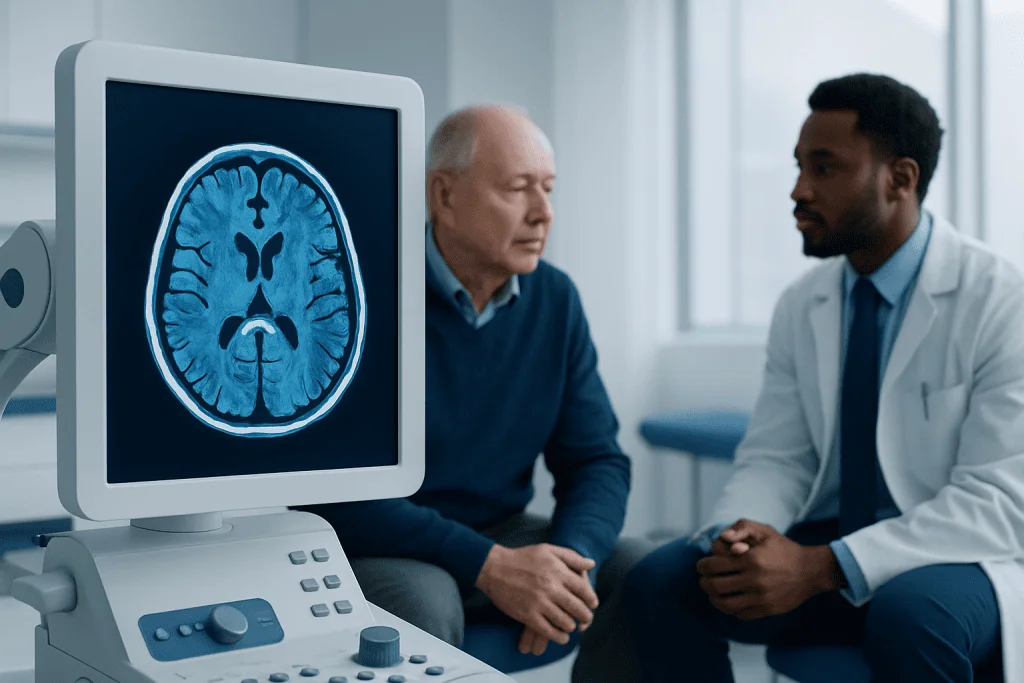
Brain imaging may be recommended to look for stroke, bleeding, tumors, hydrocephalus, or patterns of brain shrinkage. Depending on the situation, this may include MRI or CT scan. Some patients may also benefit from formal cognitive testing or specialist memory clinic evaluation if the diagnosis remains uncertain.
The diagnosis can take time, especially in early stages when symptoms are mild or overlap with other conditions. A careful, step-by-step evaluation helps avoid missing treatable causes and supports a more accurate understanding of whether the person may have Alzheimer’s disease, another type of dementia, or a different condition entirely.
Treatment Options and Ongoing Management
Although Alzheimer’s disease cannot currently be cured, treatment can help manage symptoms, support function, and improve quality of life. Specialists may prescribe medications for memory and thinking symptoms in appropriate patients, and they may also address sleep problems, mood changes, anxiety, agitation, or other related concerns. The choice of treatment depends on the stage of disease, overall health, and personal needs.
Non-drug approaches are a central part of care. These may include structured routines, regular physical activity, cognitive stimulation, speech or occupational therapy, sleep support, and home safety measures. Family education is essential, because communication strategies and environmental adjustments can reduce frustration and help the person stay as independent as possible for longer.
Specialists also monitor for changes over time. Follow-up visits may focus on symptom progression, medication side effects, nutrition, mobility, swallowing, falls, and caregiver stress. As needs change, referrals may be made to social workers, therapists, mental health professionals, or support services. Some people may also need evaluation for related movement or balance issues, including Parkinson’s treatment when clinically relevant.
In more advanced disease, care planning becomes increasingly important. This may include discussions about legal and financial planning, future living arrangements, advanced care preferences, and support for daily activities. A thoughtful plan can help reduce crisis decisions later and provide reassurance for families.
What Patients and Families Can Do Between Visits
Families often play a key role in recognizing changes, organizing information, and supporting daily routines. Before an appointment, it can help to write down when symptoms began, what changes have been noticed, and how they affect work, home tasks, or social interactions. Bringing a list of medications, supplements, and previous test results can make the evaluation more efficient.
At home, simple routines can support independence and reduce stress. Useful steps may include keeping important items in the same place, using calendars or pill organizers, labeling drawers, and limiting clutter or noise. Regular meals, hydration, physical activity, and sleep routines may also support overall brain health and daily functioning.
Caregiver wellbeing matters too. Looking after someone with memory loss can be emotionally and physically demanding. Family members may benefit from respite, support groups, counseling, and help from community services. Asking for support early is a sign of good planning, not failure.
- Keep a symptom diary and bring examples to appointments
- Review medications regularly with a doctor
- Create a calm, predictable home routine
- Address hearing and vision problems, which can worsen confusion
- Discuss driving safety and fall prevention early
- Seek caregiver support before exhaustion builds
When to Seek Medical Help Promptly
Medical review should not be delayed if memory or behavior changes are affecting safety, self-care, medication use, or the ability to live independently. Prompt help is also important if the person starts wandering, leaves appliances on, misses essential medicines, or becomes unable to recognize familiar people or places.
Urgent medical attention is needed when confusion comes on suddenly or is accompanied by fever, dehydration, a head injury, chest pain, weakness, slurred speech, seizures, severe agitation, or reduced consciousness. These symptoms may indicate delirium, stroke, infection, or another emergency rather than gradual Alzheimer’s-related change.
Even when symptoms are mild, early specialist assessment can be valuable. It may open the door to earlier treatment, clearer expectations, and better planning for work, family life, and future care needs. It also gives patients a chance to take part in decisions about their own health while they are still able to express their wishes clearly.
For people seeking coordinated international care, Acibadem International’s multidisciplinary specialists and JCI-accredited hospitals evaluate memory disorders and provide personalized treatment planning for international patients. A qualified doctor can advise which tests and next steps are most appropriate for the individual situation.
Frequently asked questions
What kind of doctor is best for Alzheimer’s disease?
A neurologist, geriatrician, or geriatric neurologist is often well suited to evaluate Alzheimer’s disease. Depending on symptoms, a psychiatrist, neuropsychologist, or memory clinic team may also be involved. The best choice depends on the person’s age, medical history, and the type of cognitive or behavioral changes present.
Should a person see a specialist for mild memory problems?
If memory problems are becoming more frequent, are noticeable to others, or are affecting daily life, a specialist evaluation can be helpful. Mild symptoms do not always mean Alzheimer’s disease, but they may deserve closer assessment. Early review can help identify treatable causes and guide next steps.
How do specialists tell Alzheimer’s disease apart from normal aging?
Normal aging may involve occasional forgetfulness, but it usually does not significantly affect independent daily functioning. Specialists look at the pattern, severity, and progression of symptoms, along with cognitive testing and medical evaluation. They also check for other conditions that can mimic dementia.
What tests are usually done when Alzheimer’s disease is suspected?
Evaluation often includes a medical history, physical and neurological exam, brief cognitive testing, blood tests, and sometimes brain imaging such as MRI or CT. Some patients also have more detailed neuropsychological testing. The exact tests depend on the symptoms and the doctor’s clinical assessment.
Can Alzheimer’s disease specialists offer treatment even if there is no cure?
Yes. Specialists can recommend treatments that may help symptoms, support daily function, and address mood, sleep, or behavior changes. They also provide practical advice on safety, routines, caregiver support, and long-term care planning.
When is memory loss an emergency?
Sudden confusion, rapid mental decline, or memory changes with fever, weakness, slurred speech, seizures, or head injury need urgent medical attention. These symptoms may be caused by stroke, delirium, infection, or another acute problem. Gradual changes should still be assessed, but sudden changes should be treated as urgent.
References
- World Health Organization
- National Institute on Aging
- Alzheimer's Association
- National Institute of Neurological Disorders and Stroke
- Centers for Disease Control and Prevention
This article is for general information only and is not a substitute for professional medical advice. Please consult a qualified doctor about your individual situation.
Explore treatments in Turkey — costs, top hospitals & a free quote
JCI-accredited · board-certified surgeons · reply within 24h
Add us as a Preferred Source to see more of our trusted health content across Google Search, AI Overviews and Discover.