Am I a Candidate for Bbl? Eligibility Criteria

BBL uses a patient’s own fat, removed by liposuction and transferred to the buttocks for shape and volume. Suitable candidates are generally healthy, do not smoke or can stop nicotine use, and have enough donor fat for transfer.
Key Takeaways
- BBL uses a patient’s own fat, removed by liposuction and transferred to the buttocks for shape and volume.
- Suitable candidates are generally healthy, do not smoke or can stop nicotine use, and have enough donor fat for transfer.
- Modern safety practices focus on placing transferred fat above the gluteal muscle and using careful surgical techniques.
- Recovery requires avoiding direct pressure on the buttocks for a period advised by the surgeon and following all aftercare instructions.
- A consultation and pre-assessment form help the surgical team identify whether BBL is appropriate and plan treatment safely.
Am I a candidate for BBL? A person may be eligible for a Brazilian butt lift if they are in good general health, have adequate areas of removable body fat, maintain a stable weight and understand the procedure’s benefits, limits and risks. Final eligibility can only be determined through an in-person assessment with a qualified plastic surgeon.
Overview: Am I a Candidate for BBL?
Am I a candidate for BBL? Many adults may be considered for a Brazilian butt lift (BBL) when they are in good overall health, have sufficient fat available for transfer and have realistic expectations about the result. However, eligibility is individual: a plastic surgeon must assess body proportions, medical history, skin quality, weight stability and surgical safety before recommending treatment.
A BBL is a body-contouring operation rather than a weight-loss procedure. It combines liposuction from areas such as the abdomen, waist, back or thighs with carefully planned fat transfer to improve buttock shape, projection and balance with the surrounding body contour.
Because BBL is a surgical procedure with important safety considerations, choosing an appropriately qualified plastic surgeon and an accredited surgical setting is essential. A detailed consultation should include an open discussion of goals, alternatives, expected recovery and possible complications. For a fuller introduction to the procedure, patients can review Brazilian butt lift treatment information.
How a BBL Works
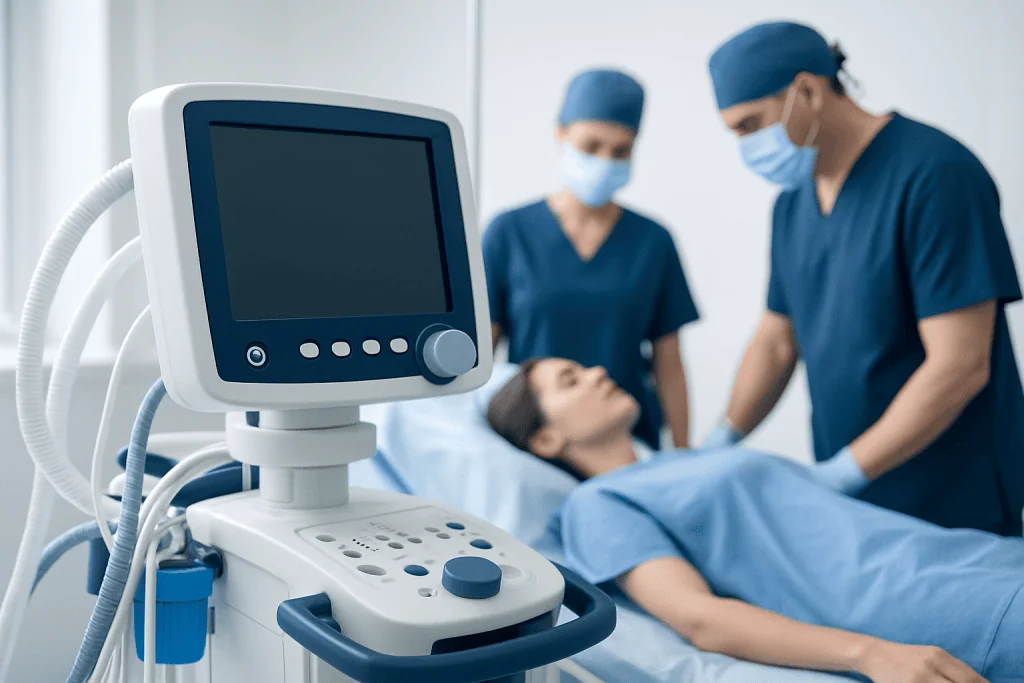
A Brazilian butt lift uses autologous fat, meaning fat taken from the patient’s own body. First, the surgeon performs liposuction in pre-agreed donor areas. The collected fat is processed so that suitable fat cells can be prepared for transfer.
The surgeon then injects small amounts of prepared fat into carefully selected areas of the buttocks to create a smoother, more proportionate contour. The aim is not simply to increase size; it is to improve shape in a way that complements the patient’s anatomy and aesthetic goals.
Not all transferred fat will remain long term. The body naturally absorbs some of it during healing, so surgeons plan conservatively and explain that final volume and shape develop gradually. If a person does not have enough donor fat, a BBL may not be suitable, and other approaches may be discussed.
Current safety guidance emphasizes avoiding injection into or below the gluteal muscle. Patients should ask their surgeon about the safety protocols used, including the surgical technique, monitoring and postoperative care arrangements.
BBL Eligibility Criteria and Pre-Assessment

People who are often good candidates for BBL are adults at or near a stable, healthy-for-them weight who have localized fat stores that can be removed safely. Common donor areas include the abdomen, flanks, lower back and thighs. Adequate skin elasticity can also support smoother contour changes after liposuction.
Good candidates understand that BBL is not designed to treat obesity or replace healthy lifestyle measures. They should have realistic expectations, be able to follow activity restrictions during recovery and accept that results vary according to anatomy, healing and fat retention.
A surgeon may advise delaying or avoiding BBL for people with uncontrolled medical conditions, significant bleeding risks, active infection, severe heart or lung disease, or conditions that make anesthesia unsafe. Pregnancy, plans for major weight change and certain medications may also affect timing. Smoking, vaping and other nicotine use can impair wound healing and increase complications; patients are commonly asked to stop nicotine well before and after surgery, under medical guidance.
Pre-assessment typically includes a medical questionnaire, review of previous operations and medications, physical examination, photographs and, when appropriate, laboratory testing or medical clearance. Completing a pre-assessment form honestly helps the care team identify individual risks and decide whether surgery should proceed, be postponed or be replaced with a safer alternative.
- Stable body weight and sufficient donor fat
- Good general health and appropriate fitness for anesthesia
- No active infection and well-managed long-term health conditions
- Commitment to nicotine cessation if required by the surgical team
- Realistic expectations and ability to follow recovery instructions
What Happens During the Procedure
Before surgery, the surgeon confirms the treatment plan, marks donor and transfer areas, and reviews consent. BBL is usually performed with anesthesia in an operating theatre. The exact duration depends on the amount of liposuction, the number of areas treated and the individual surgical plan.
Small incisions are made in donor areas for liposuction. After the fat is removed and prepared, it is reinjected through small access points in the buttocks. The surgeon works in layers to distribute the fat evenly and support the desired contour while following established safety principles.
After surgery, patients are monitored as they wake from anesthesia. Some may go home on the same day, while others may require observation depending on their health, the extent of surgery and local clinical protocols. A responsible adult may be needed to assist during the first part of recovery.
A consultation should also address whether combining BBL with other operations is appropriate. Combining procedures can increase operative time and recovery demands, so the decision should be based on individual safety rather than convenience.
Recovery Timeline and Expected Results
Early recovery commonly includes soreness, swelling, bruising and temporary changes in sensation in the liposuction and transfer areas. The surgeon may recommend compression garments for liposuction areas and provide individualized guidance on wound care, movement, sleep positions and pain management.
A key part of BBL recovery is minimizing direct pressure on the buttocks for the period specified by the surgeon. Patients may be advised to sleep on their side or stomach and use a specialized cushion when sitting is necessary. Walking is generally encouraged when safe to reduce the risks associated with prolonged inactivity, but strenuous exercise should wait until the surgical team approves it.
Many people can return to light daily tasks after an initial recovery period, but returning to work, driving, exercise and travel depends on the procedure and the person’s healing. Swelling can take several weeks or longer to settle, and the final contour becomes clearer over the following months as tissues heal and transferred fat stabilizes.
Maintaining a steady weight after recovery can help preserve results. Significant weight loss or gain may change the size and shape of both the buttocks and donor areas because transferred fat behaves like fat elsewhere in the body.
Benefits, Risks and Alternatives
Potential benefits of BBL include enhanced buttock contour, improved waist-to-hip balance and body contouring in liposuction donor areas. Because the procedure uses a patient’s own fat, it does not involve placing an implant. Still, it cannot guarantee a particular cup, clothing size or appearance, and results should be evaluated in the context of the individual’s starting anatomy.
Like all surgery, BBL carries risks. These can include bleeding, infection, fluid collections, anesthesia-related complications, uneven contour, scarring, changes in skin sensation, fat absorption and the need for revision surgery. Rare but serious complications, including fat embolism, have been associated with unsafe fat injection practices; this is why surgeon qualifications, operating environment and adherence to safety guidance matter greatly.
Alternatives may include non-surgical body contouring for selected goals, lifestyle and strength-training approaches, or buttock implants in carefully selected patients. Each option has different limitations and risks. A consultation helps a patient compare approaches without assuming that one procedure is right for everyone.
Patients should feel comfortable asking about the surgeon’s training, experience with gluteal fat grafting, accredited facility standards, emergency planning and the follow-up schedule. Clear answers and unhurried informed consent are important parts of safe decision-making.
When to Seek Medical Care
Anyone considering BBL should arrange a consultation with a qualified plastic surgeon before making plans for surgery. Medical advice is especially important for people with chronic health conditions, previous blood clots, breathing problems, diabetes, medication use that affects bleeding, or a history of complications with anesthesia or surgery.
After BBL, urgent medical care is needed for symptoms such as sudden shortness of breath, chest pain, fainting, confusion, severe or worsening pain, one-sided leg swelling, heavy bleeding, high fever, or rapidly spreading redness. These symptoms do not always mean a serious complication is present, but they require prompt professional assessment.
Patients should also contact their surgical team for increasing swelling, wound drainage, persistent vomiting, poorly controlled pain or any concern about healing. Acibadem International’s multidisciplinary specialists and JCI-accredited hospitals assess and treat international patients considering plastic surgery, with individualized preoperative evaluation and follow-up planning.
A pre-assessment form is a useful first step to share medical history, current medications, nicotine use, weight changes and treatment goals. It does not replace a face-to-face examination, but it can help determine whether a formal consultation is appropriate.
Frequently asked questions
What is the minimum amount of fat needed for a BBL?
There is no single minimum amount that applies to everyone. A surgeon assesses whether enough fat can be removed safely from available donor areas while still achieving a balanced result. Very lean people may not have enough donor fat for this procedure.
Can someone with a high BMI have a BBL?
Body mass index is only one part of a safety assessment and does not determine eligibility on its own. The surgeon considers overall health, anesthesia risks, body-fat distribution, skin condition and the likelihood of a safe recovery. In some situations, weight stabilization or medical optimization may be recommended before elective surgery.
How long does BBL recovery take?
Initial healing usually takes several weeks, while swelling and final contour changes can continue for months. The timeline varies with the amount of liposuction, the extent of fat transfer and individual healing. Following instructions about sitting, activity and compression is important throughout recovery.
Is a BBL permanent?
Some transferred fat is naturally absorbed during the early healing period, while the fat that survives can remain long term. Like other body fat, it may change with substantial weight gain, weight loss and aging. A stable lifestyle can help maintain the result.
Why is BBL considered a procedure with important safety considerations?
BBL involves liposuction, anesthesia and fat transfer, each of which has potential complications. Serious problems can occur if fat is injected too deeply or if appropriate surgical safeguards are not followed. Patients should choose a qualified surgeon and ask specifically about current gluteal fat grafting safety practices.
Can a person have a BBL if they smoke or vape?
Nicotine can reduce blood flow and impair healing, which may increase surgical risks. Many surgeons require patients to stop smoking, vaping and other nicotine products before and after surgery. The exact timeframe should be agreed with the surgical and anesthesia teams.
References
- American Society of Plastic Surgeons
- The Aesthetic Society
- International Society of Aesthetic Plastic Surgery
- U.S. Food and Drug Administration
- World Health Organization
This article is for general information only and is not a substitute for professional medical advice. Please consult a qualified doctor about your individual situation.
Medical weight-loss options in Turkey — costs & eligibility
JCI-accredited · board-certified surgeons · reply within 24h
Add us as a Preferred Source to see more of our trusted health content across Google Search, AI Overviews and Discover.
Check your numbers in seconds
BMI, calories, due date, blood pressure and 30+ more clinical calculators — free, instant, doctor-reviewed ranges.