Am I a Candidate for Composite bonding? Eligibility Criteria

Composite bonding uses tooth-coloured resin to improve small cosmetic imperfections or restore minor tooth damage. Good candidates usually have healthy teeth and gums, realistic expectations and adequate enamel for bonding.
Key Takeaways
- Composite bonding uses tooth-coloured resin to improve small cosmetic imperfections or restore minor tooth damage.
- Good candidates usually have healthy teeth and gums, realistic expectations and adequate enamel for bonding.
- Active decay, gum disease, significant bite problems and uncontrolled teeth grinding may need treatment before bonding.
- The procedure is usually minimally invasive and often requires little or no removal of natural tooth structure.
- Bonding can stain, chip or wear over time, so careful oral hygiene and regular dental reviews are important.
Many people are candidates for composite bonding when their teeth and gums are healthy and their concern is minor, such as a small chip, gap, uneven edge or discoloration. A dental examination is needed to confirm that bonding is suitable and to identify issues, such as decay, gum disease or tooth grinding, that should be managed first.
Am I a Candidate for Composite Bonding?
People may be candidates for composite bonding if they have healthy teeth and gums and would like to improve a small cosmetic concern, such as a chipped edge, a narrow gap, slight unevenness, minor wear or localized discoloration. Composite bonding is not appropriate for every concern, but it can be a conservative option when the tooth is structurally sound and the expected change is modest.
A dentist confirms suitability through an individual assessment. This includes checking the teeth, gums, bite and oral hygiene, as well as discussing the person’s goals. A pre-assessment form can help a dental team understand the main concern and relevant health information, but it does not replace an in-person examination.
For an overview of the procedure and treatment planning, see composite bonding treatment. The best choice may sometimes be a different approach, such as whitening, orthodontic treatment, a filling, a veneer or a crown, depending on the cause and extent of the concern.
What Composite Bonding Can and Cannot Address
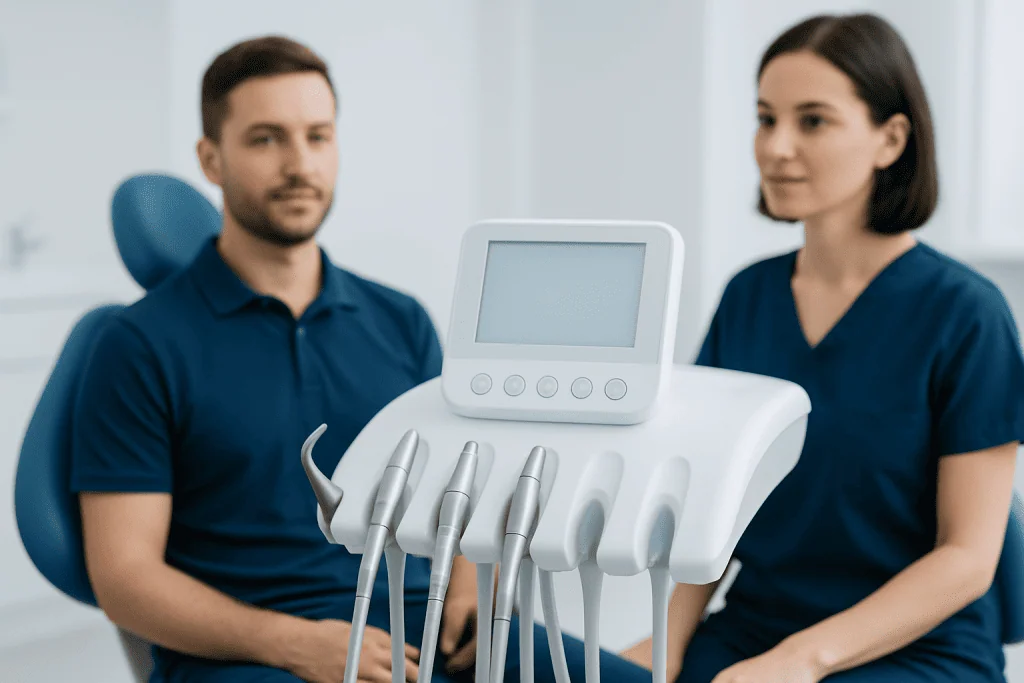
Composite bonding uses a tooth-coloured resin material that is shaped directly onto the tooth and hardened with a special curing light. The dentist then refines and polishes the surface so it blends with the surrounding tooth. It is commonly used on visible front teeth, although its use depends on the tooth position and the forces placed on it during biting.
It may help improve small chips, worn corners, irregular edges, minor gaps, mildly misshapen teeth and limited areas of colour variation. It can also be used to repair a small area of damage after the underlying dental health has been assessed. Because the resin is applied in layers, the dentist can make subtle adjustments to shape and symmetry.
Bonding is less suitable when a tooth has extensive decay, a large fracture, major loss of structure or a very dark colour change that may show through the resin. It does not correct severe crowding, a significantly misaligned bite or untreated dental disease. In these situations, the dentist may recommend treating the underlying issue first or considering another restorative or orthodontic option.
Eligibility Criteria: Who Is Usually Suitable?

Suitable candidates generally have stable oral health. The gums should be free from active inflammation or infection, and teeth should not have untreated decay. The dentist will also consider whether enough healthy enamel is present for predictable adhesion and whether the tooth can safely support the planned addition of composite.
A person’s bite is especially important. Strong contact on the bonded edge, a deep bite, clenching or grinding can increase the likelihood of chipping or early wear. These factors do not always rule out bonding, but they may change the treatment plan. A night guard, bite management or a more durable restoration may be discussed where appropriate.
- Minor chips, small gaps, edge wear or mild shape differences
- Healthy gums and teeth, or dental problems that have been treated and stabilized
- Good daily brushing and cleaning between teeth
- Realistic expectations about colour, longevity and maintenance
- Willingness to attend follow-up appointments if polishing, repair or replacement is needed
Age alone is not the deciding factor. For younger patients, dentists carefully consider tooth development, bite changes and long-term maintenance before recommending a cosmetic procedure. Pregnant or breastfeeding individuals can discuss timing with their dentist; urgent dental care should not be delayed, while elective treatment may sometimes be scheduled for a more convenient time.
Assessment and Step-by-Step Procedure
The consultation begins with a discussion of the desired result and a clinical examination. The dentist may take photographs, digital scans or X-rays when needed to check for decay, cracks, gum problems and changes around the tooth roots. They also assess tooth colour, facial and smile proportions, bite contacts and habits such as nail biting or using teeth to open objects.
If bonding is appropriate, the dentist selects a resin shade that matches the natural tooth colour. Teeth whitening, if planned, is usually considered before shade selection because resin will not whiten in the same way as natural enamel. The dentist can explain whether a small trial shape, mock-up or staged treatment would help clarify the expected appearance.
During the procedure, the tooth is cleaned and prepared. Often, preparation is minimal; in some cases, the surface is lightly conditioned to improve bonding. The resin is applied in small layers, shaped, cured with light and then polished. Local anaesthetic is not usually needed unless bonding is combined with treatment for decay, a sensitive area or another dental procedure.
Afterward, the dentist checks the bite and makes refinements so the bonded area does not receive excessive pressure. The result is visible immediately, although the patient may need a short period to become accustomed to a new edge or contour.
Benefits, Limits and Possible Risks
One potential benefit of composite bonding is that it can preserve more natural tooth structure than options requiring more extensive preparation. It is also adaptable: small chips or rough areas can often be repaired, and the dentist can make carefully controlled changes to tooth shape. For suitable concerns, it may provide a natural-looking improvement in a relatively straightforward appointment.
However, composite resin is not as hard or stain-resistant as natural enamel or some laboratory-made restorations. Coffee, tea, red wine, tobacco and strongly coloured foods may gradually affect its appearance. The material can also chip, fracture, lose polish or wear, particularly in people with heavy biting forces or habits that place pressure on the front teeth.
Temporary sensitivity, a slightly rough feeling before final polishing, or awareness of a changed tooth contour can occur. Rarely, bonding may need adjustment if it affects the bite. If the tooth beneath the bonding develops decay or another problem, that condition must be treated regardless of the cosmetic restoration.
A dentist should explain the likely benefits and limitations for the individual tooth rather than promising a fixed cosmetic result or lifespan. Regular reviews allow early polishing, repair or replacement when necessary.
Recovery Timeline and Looking After Bonded Teeth
Recovery after composite bonding is usually simple. Most people can return to their normal activities on the same day. If no local anaesthetic was used, eating and drinking can usually resume right away, although it is sensible to avoid biting very hard foods with the treated tooth immediately after the appointment.
For the first day or two, a person may notice the new shape with their tongue or feel mild sensitivity to temperature. This should settle. Contact the dentist if sensitivity is persistent, worsening, associated with pain, or if the bite feels uneven when closing the teeth together.
Long-term care includes brushing twice daily with fluoride toothpaste, cleaning between teeth every day and attending routine dental check-ups. Avoid using teeth as tools, chewing ice or hard non-food objects, and biting fingernails. A dentist may recommend a protective night guard for people who grind or clench their teeth during sleep.
Whitening products should be discussed before use because they may change the colour of natural teeth without changing the composite. Polishing or maintenance may help refresh the appearance, but any repair should be performed by a qualified dental professional.
When to Seek Medical Care
Dental care should be sought promptly for tooth pain, swelling, bleeding gums, pus, fever, a loose tooth, a major fracture or injury to the mouth. These symptoms can indicate infection, trauma or another problem that needs assessment before any cosmetic treatment is considered. Urgent services may be needed for severe facial swelling, trouble swallowing or breathing, or uncontrolled bleeding.
A routine dental appointment is appropriate if a bonded tooth chips, feels sharp, becomes discoloured, loosens or changes how the teeth meet. It is also important to arrange a review if there is ongoing sensitivity, discomfort when biting or food regularly catching around the bonded area.
Composite bonding should not be used to cover up untreated decay or gum disease. Addressing the cause of bleeding gums, bad breath, toothache or tooth mobility supports safer and more lasting cosmetic care. Acibadem International’s multidisciplinary dental specialists in JCI-accredited hospitals can assess dental concerns and discuss appropriate treatment options with international patients.
Frequently asked questions
Is composite bonding suitable for everyone?
No. It is most suitable for smaller cosmetic or restorative changes when teeth and gums are healthy. A dentist needs to check for decay, gum disease, cracks, bite problems and teeth grinding before recommending it.
Can composite bonding fix gaps between teeth?
It may close small gaps when the tooth proportions and bite make this appropriate. Larger gaps or gaps caused by tooth position may be better managed with orthodontic treatment or another planned approach.
Do teeth need to be filed down for composite bonding?
Composite bonding often needs little or no removal of enamel. Some surface preparation may be necessary to help the resin bond securely or to create a natural shape, but the amount varies by case.
How long does composite bonding last?
Its lifespan varies with the tooth location, bite forces, oral hygiene, diet and habits such as grinding or nail biting. Bonding may need periodic polishing, repair or replacement as it wears or chips over time.
Can people who grind their teeth have composite bonding?
Grinding can increase the risk of chipping and wear, especially on front teeth. A dentist may recommend managing the grinding, checking the bite and using a night guard before or alongside bonding; in some cases, another restoration may be more suitable.
Can composite bonding be whitened?
Composite resin does not respond to whitening products in the same way as natural tooth enamel. If whitening is desired, it is usually best discussed before bonding so the resin shade can be matched to the planned tooth colour.
References
- American Dental Association
- FDI World Dental Federation
- National Institute of Dental and Craniofacial Research
- NHS
This article is for general information only and is not a substitute for professional medical advice. Please consult a qualified doctor about your individual situation.
Composite Bonding in Turkey — costs, top hospitals & a free quote
JCI-accredited · board-certified surgeons · reply within 24h
Add us as a Preferred Source to see more of our trusted health content across Google Search, AI Overviews and Discover.

Dental & Oral Health
Full-scope dental care from implants and aesthetics to oral and maxillofacial surgery.
151 specialists in this unit