Am I a Candidate for Executive health checkup? Eligibility Criteria

Executive health checkups are preventive assessments, not a substitute for care of urgent symptoms. Eligibility is based on individual health risks rather than job title, income, or a single age cutoff.
Key Takeaways
- Executive health checkups are preventive assessments, not a substitute for care of urgent symptoms.
- Eligibility is based on individual health risks rather than job title, income, or a single age cutoff.
- A pre-assessment questionnaire and clinician review help tailor tests safely and appropriately.
- People with chronic conditions, family history, or lifestyle risks may benefit from more focused screening.
- Abnormal results usually need follow-up with the relevant specialist and do not automatically mean a serious condition.
- New, severe, or rapidly worsening symptoms should be assessed promptly rather than waiting for a routine checkup.
Most adults may be candidates for an executive health checkup when it is individualized to their age, personal and family history, lifestyle, current symptoms, and health goals. A pre-assessment helps clinicians select appropriate tests and avoid unnecessary screening.
Am I a Candidate for an Executive Health Checkup?
Most adults are candidates for an executive health checkup if they want a structured review of their current health and future risks. The most suitable program is not determined by professional role alone; it should be personalized according to age, sex, medical history, family history, lifestyle, medications, and any symptoms.
An executive checkup is usually most helpful for people who have not had routine preventive care recently, have a busy schedule, want to understand risk factors such as blood pressure or cholesterol, or have a family history of conditions that may benefit from earlier screening. It can also support people living with stable long-term conditions, provided their usual medical follow-up continues.
Before booking, completing a pre-assessment for an executive health checkup can help the clinical team recommend an appropriate plan. This approach aims to include meaningful screening while avoiding tests that are unlikely to help.
What an Executive Health Checkup Is Designed to Do
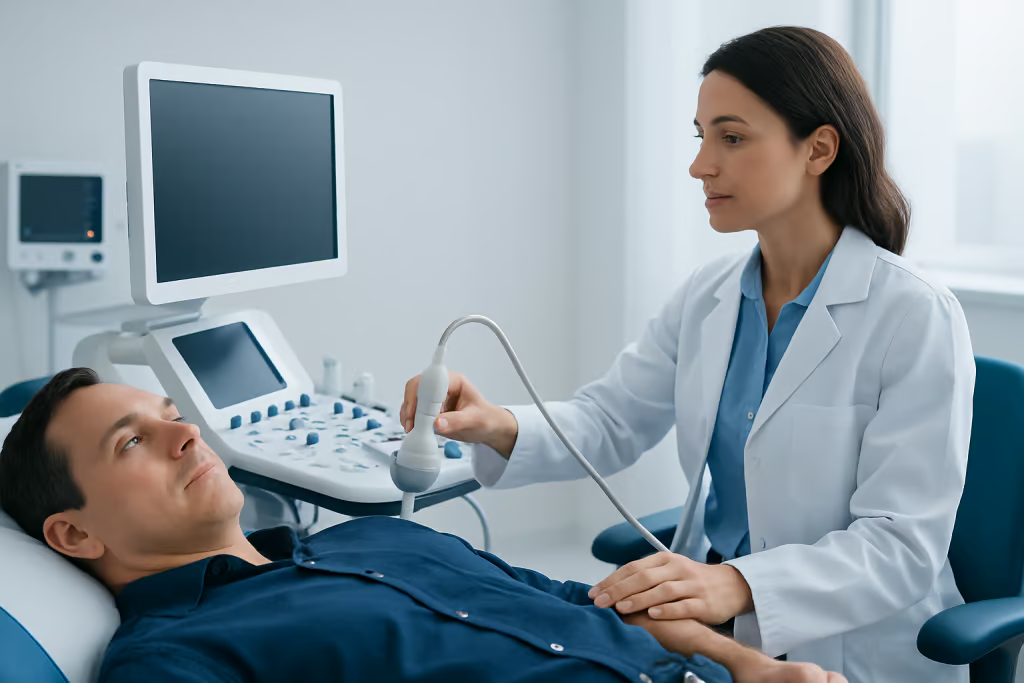
An executive health checkup is a coordinated preventive assessment that brings together a medical consultation, physical examination, and selected laboratory or imaging tests. Its purpose is to identify modifiable risks, detect some health concerns at an earlier stage, and create a practical plan for follow-up and prevention.
Common components may include measurements of blood pressure, weight and waist circumference; blood and urine tests; cardiovascular risk assessment; and screening that is relevant to a person’s age and sex. Depending on the pre-assessment, clinicians may recommend tests related to heart health, metabolic health, cancer screening, vision, hearing, or other areas.
It is important to understand that a checkup is not a guarantee that every disease will be found, and more testing is not always better. Screening can sometimes lead to incidental findings, false-positive results, or further tests that ultimately show no disease. A personalized plan balances potential benefits with these limitations.
Who May Benefit Most and Who Needs a Different Approach

People may particularly benefit from a tailored assessment if they are entering midlife or older age, have high blood pressure, raised cholesterol, diabetes or prediabetes, excess weight, smoke, drink alcohol above recommended limits, are physically inactive, or experience sustained work-related stress. A family history of early heart disease, stroke, diabetes, certain cancers, or inherited conditions can also influence screening choices.
Individuals with established conditions such as diabetes, heart disease, kidney disease, lung disease, or thyroid disorders can still have a preventive review. However, it should complement—not replace—the monitoring schedule arranged by their regular doctor or specialist. The team may adjust tests to account for ongoing treatment, previous results, and potential medication effects.
Some people require targeted medical evaluation rather than a routine executive checkup. This includes those with new chest pain, significant shortness of breath, fainting, unexpected weight loss, bleeding, a new lump, severe pain, or neurological symptoms. In these situations, assessment should focus first on the symptom and its possible cause.
- Eligibility is usually considered after reviewing health history and current concerns.
- Pregnancy, recent surgery, acute illness, or unstable chronic disease may require timing or test adjustments.
- Screening recommendations should be individualized for each person.
How the Checkup Works: From Pre-Assessment to Results
The process generally begins with a confidential pre-assessment form. It asks about previous diagnoses, operations, medications and supplements, allergies, family health history, smoking and alcohol use, exercise, diet, sleep, mental wellbeing, and any current symptoms. Accurate answers are important because they guide safe and relevant test selection.
On the day of the assessment, a clinician reviews the information, discusses priorities, and performs a medical examination. Depending on the agreed plan, blood samples, urine testing, heart tracing, imaging, or other screening assessments may follow. Certain tests may require preparation, such as fasting, avoiding vigorous exercise, or temporarily following instructions about specific medicines.
Results are reviewed by the appropriate clinician, often with clear explanations of what is normal, what may need monitoring, and what requires further investigation. If a result suggests a possible concern, the next step may be repeat testing, referral to a specialist, or a focused diagnostic assessment. Results should always be interpreted in the context of the person rather than in isolation.
Benefits, Limits, and Possible Risks
The main potential benefit is an organized opportunity to review health risks before they cause noticeable problems. A checkup may help a person address raised blood pressure, blood sugar, cholesterol, weight, smoking, sleep, or other factors linked with long-term health. It can also help ensure that recommended routine screening is up to date.
There are limits to screening. A normal result cannot rule out every condition, and an abnormal result does not necessarily mean a person has a disease. Some findings are harmless but may lead to additional appointments, scans, blood tests, or anxiety while they are clarified. Imaging tests may also involve radiation or contrast materials, so they should be selected only when clinically appropriate.
Simple procedures such as blood sampling can cause brief discomfort, bruising, or light-headedness. More specific risks depend on the tests selected and should be discussed before they are performed. Informed consent, clear communication, and individualized decision-making are central to safe preventive care.
Preparation and Recovery Timeline
Preparation depends on the assessment plan. The care team may ask a person to fast overnight for certain blood tests, drink water before a urine sample or imaging study, bring a medication list and previous results, and wear comfortable clothing. People should not stop prescribed medicines unless their clinician specifically advises it.
For most people, there is no recovery period after an executive health checkup. They can usually return to usual work, travel, meals, and activity the same day. If blood was taken, applying pressure to the site and avoiding heavy lifting with that arm for a short time may reduce bruising.
If sedation, contrast imaging, or a procedure requiring special preparation is included, recovery advice may be different. The team should explain any restrictions in advance, including whether the person needs an escort home, should avoid driving, or requires follow-up testing. Results may be available on the same day for some tests and later for others.
When to Seek Medical Care
A planned health checkup is not the right setting for urgent symptoms. Medical care should be sought promptly for chest pressure or pain, sudden weakness or numbness, facial drooping, difficulty speaking, severe shortness of breath, fainting, coughing or vomiting blood, heavy bleeding, or a sudden severe headache. Emergency services should be used when symptoms are severe, sudden, or life-threatening.
A doctor should also assess persistent or unexplained symptoms, such as ongoing fatigue, changes in bowel or bladder habits, unexplained weight loss, a new lump, recurrent palpitations, prolonged fever, or worsening pain. These concerns may need diagnostic evaluation rather than general screening.
For international patients, Acibadem International’s multidisciplinary specialists and JCI-accredited hospitals can assess symptoms, arrange preventive evaluations, and coordinate appropriate follow-up care. A pre-assessment form can help determine whether an executive health checkup is suitable or whether a more focused consultation is needed.
Frequently asked questions
Is there an age requirement for an executive health checkup?
There is no single age that applies to everyone. Preventive needs change over time, so the best screening plan is based on age alongside personal history, family history, lifestyle, and existing conditions. A clinician can recommend which assessments are appropriate.
Can someone with no symptoms have an executive health checkup?
Yes. Preventive checkups are often intended for people who feel well and want to review health risks or stay up to date with recommended screening. However, the tests should be tailored rather than chosen simply because they are available.
Can an executive health checkup diagnose a medical problem?
It may identify findings that need further evaluation, but it is primarily a screening and risk-assessment service. A diagnosis may require additional targeted tests, repeat measurements, or specialist review. A normal checkup also cannot exclude every possible condition.
Should a person attend a checkup if they have chest pain or other new symptoms?
New or concerning symptoms should be assessed promptly by a doctor rather than waiting for a routine checkup. Chest pain, sudden breathing difficulty, fainting, stroke-like symptoms, or severe pain may require urgent or emergency assessment.
Do people need to fast before an executive health checkup?
Some blood tests may require fasting, while others do not. The required preparation depends on the planned assessments, medicines, and medical history. The clinic should provide individualized instructions before the appointment.
What happens if a result is abnormal?
An abnormal result is reviewed in context and may be repeated or investigated further. Many results have non-serious explanations, but some require lifestyle support, monitoring, or referral to a relevant specialist. The next steps should be explained clearly by the clinical team.
References
- World Health Organization
- U.S. Preventive Services Task Force
- Centers for Disease Control and Prevention
- National Health Service
- American Heart Association
This article is for general information only and is not a substitute for professional medical advice. Please consult a qualified doctor about your individual situation.
Explore treatments in Turkey — costs, top hospitals & a free quote
JCI-accredited · board-certified surgeons · reply within 24h
Add us as a Preferred Source to see more of our trusted health content across Google Search, AI Overviews and Discover.
Check your numbers in seconds
BMI, calories, due date, blood pressure and 30+ more clinical calculators — free, instant, doctor-reviewed ranges.