Amoebic Brain Infection: Symptoms, Diagnosis, and Why Speed Matters

Amoebic brain infection is rare, but it is a medical emergency when symptoms such as severe headache, fever, confusion, seizures, or neck stiffness appear. Different amoebae can cause different patterns of illness, including meningitis-like disease or more gradual brain inflammation.
Key Takeaways
- Amoebic brain infection is rare, but it is a medical emergency when symptoms such as severe headache, fever, confusion, seizures, or neck stiffness appear.
- Different amoebae can cause different patterns of illness, including meningitis-like disease or more gradual brain inflammation.
- Diagnosis usually combines brain imaging, spinal fluid testing, blood tests, and careful review of recent water, soil, and immune health exposures.
- Treatment should begin as early as possible and often involves multiple antimicrobial medicines plus intensive supportive care.
- Not every headache after swimming is dangerous, but new neurological symptoms after freshwater or soil exposure need urgent evaluation.
Amoebic brain infection is a rare but serious infection caused by certain microscopic amoebae that affect the brain or its surrounding tissues. Early recognition and rapid medical care matter because symptoms can worsen quickly and may resemble other urgent neurological illnesses.
Overview
An amoebic brain infection is an uncommon infection of the brain or the tissues around it caused by free-living amoebae found in the environment. These organisms are microscopic and may live in warm freshwater, soil, dust, or contaminated water sources. Although exposure to these amoebae is far more common than disease, infection can occur in rare circumstances and can become life-threatening.
The term can describe more than one condition. The best-known forms include primary amoebic meningoencephalitis, often linked to Naegleria fowleri, and granulomatous amoebic encephalitis, which may be caused by Acanthamoeba or Balamuthia mandrillaris. These illnesses affect the nervous system in different ways, but all require urgent medical attention.
What makes amoebic brain infection especially challenging is that the early symptoms may look similar to other conditions such as <a href="https://acibademinternational.com/diseases/bacterial-meningitis/”>bacterial meningitis, viral encephalitis, migraine, or other causes of brain infection. Because treatment is more effective when started early, doctors aim to recognize warning signs quickly and begin a fast evaluation.
Symptoms
Symptoms depend partly on which amoeba is involved and how the infection develops. In some cases, illness begins suddenly over a day or two. In others, symptoms come on more gradually over days to weeks. Common early symptoms include severe headache, fever, nausea, vomiting, and general fatigue or a feeling of being very unwell.
As the infection affects the brain and its coverings, more specific neurological symptoms may appear. These can include neck stiffness, sensitivity to light, confusion, personality or behavior changes, poor balance, drowsiness, seizures, weakness, and trouble speaking. Some people may develop symptoms that resemble encephalitis or meningitis, making specialist evaluation important.
In rapidly progressing illness, symptoms may worsen within hours to days. In slower forms, there may be persistent headache, focal neurological problems, or changes in thinking that gradually become more noticeable. Because the pattern is not always obvious at home, any severe headache with fever, confusion, or new neurological symptoms should be treated as urgent.
- Severe or unusual headache
- Fever and vomiting
- Neck stiffness
- Confusion or altered mental state
- Seizures
- Weakness, balance problems, or speech difficulty
Causes and Risk Factors

Amoebic brain infection happens when certain environmental amoebae enter the body and reach the central nervous system. Naegleria fowleri is typically associated with warm freshwater exposure, especially when water forcefully enters the nose during activities such as diving, jumping, or water sports. It is not caused by drinking contaminated water. The organism can travel from the nose along the olfactory nerve toward the brain.
Acanthamoeba and Balamuthia may enter through the respiratory tract or through breaks in the skin, then spread through the bloodstream to the brain. These infections may occur in people with weakened immune systems, but not always. Some patients are otherwise healthy, which is one reason diagnosis can be difficult.
Risk factors vary by organism but may include exposure to warm untreated freshwater, poorly maintained recreational water, contaminated tap water used for nasal rinsing, contact with soil or dust, skin wounds exposed to contaminated material, or conditions that weaken immune defenses. Still, it is important to remember that these infections remain very rare, even among people with similar exposures.
Doctors often ask about recent travel, freshwater swimming, use of neti pots or nasal irrigation devices, outdoor activities, skin lesions, and any history of transplantation, cancer treatment, steroid use, or other causes of immune suppression. This exposure history can be an important clue when symptoms and routine tests do not fit a more common diagnosis.
How Diagnosis Is Made
Diagnosis starts with urgent clinical assessment. Doctors first look at symptoms, neurological examination findings, and any recent water or soil exposures. Because many patients appear similar to people with meningitis, stroke, or other serious brain conditions, rapid testing is essential. Initial evaluation often takes place in an emergency department or intensive care setting.
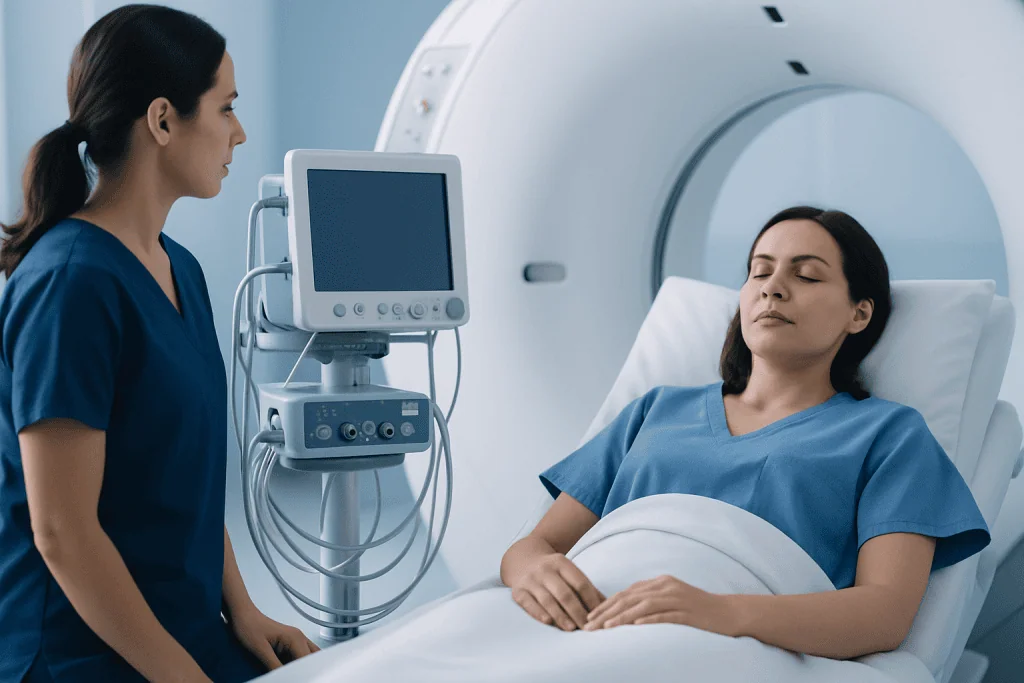
Brain imaging is commonly performed early, often with CT to look quickly for swelling or bleeding and with MRI scanning to show more detailed changes in brain tissue. Imaging may reveal inflammation, swelling, or focal lesions, but it cannot always identify the exact organism by itself. This is why imaging is usually combined with laboratory testing.
A lumbar puncture may be needed to examine cerebrospinal fluid, depending on the person’s condition and imaging findings. This testing can help identify inflammation and may allow direct microscopic examination, molecular tests such as PCR, culture in selected situations, or specialized testing at expert laboratories. Blood tests and other samples, including skin or brain tissue in some cases, may also be required to confirm the diagnosis.
Because these infections are rare, diagnosis may involve infectious disease specialists, neurologists, neuroradiologists, and sometimes neurosurgeons. In difficult cases, a brain biopsy may be considered when safer tests have not provided an answer and the imaging pattern suggests a focal lesion. Fast coordination between specialties can make a meaningful difference in how quickly treatment begins.
Treatment Options and Why Speed Matters
Amoebic brain infection requires immediate treatment in hospital. Doctors usually start therapy as soon as the infection is strongly suspected, even before every test result is back. This is because the disease may progress rapidly, and waiting for complete confirmation can lose valuable time.
Treatment often includes a combination of antimicrobial medicines chosen according to the suspected amoeba, the patient’s age and overall health, and specialist guidance. Care is individualized and may involve medicines that target amoebae directly, control brain swelling, treat seizures, and support breathing or circulation when needed. In severe cases, patients may need care in an intensive care unit.
Supportive neurological care is a major part of treatment. Doctors monitor pressure inside the skull, fluid balance, blood chemistry, and organ function. Some patients may also need procedures guided by neurosurgery if there is significant swelling or a lesion requiring tissue diagnosis. When complications such as seizures occur, treatment may overlap with care used for meningitis or encephalitis while specialists refine the diagnosis.
Speed matters because inflammation in the brain can worsen quickly and lead to permanent neurological injury. Early recognition, early transfer to a specialist center when needed, and early combination therapy offer the best chance of controlling the infection and reducing complications. Near the end of the care pathway, rehabilitation and follow-up may help recovery from any lingering neurological effects.
Prevention and Self-care
Prevention focuses on lowering exposure risk, especially in settings where specific amoebae are known to live. During swimming or water sports in warm freshwater, reducing the chance of water entering the nose may help. Some people choose to use nose clips or avoid forceful jumping or diving in warm untreated water, particularly during hot weather when water levels are low.
Nasal rinsing devices should be used carefully. Water for nasal irrigation should be sterile, distilled, or previously boiled and cooled, following device instructions and local public health guidance. Taps, containers, and irrigation equipment should be cleaned and dried as directed. This is a practical step that can reduce risk from contaminated water entering the nose.
Good wound care may also help reduce risk from soil or contaminated water exposure. Skin breaks should be cleaned and covered, especially during gardening or outdoor work. People with weakened immune systems should speak with their doctor about extra precautions related to water, soil, and chronic skin lesions.
Self-care at home is not a substitute for medical treatment once symptoms begin. Over-the-counter pain medicine, rest, or hydration may temporarily mask a headache or fever, but they cannot treat an amoebic brain infection. If neurological symptoms develop, urgent medical assessment is the safest step.
When to See a Doctor
Immediate medical attention is needed for severe headache with fever, vomiting, neck stiffness, confusion, seizures, fainting, weakness, trouble speaking, or major changes in behavior. These symptoms can have several causes, but all of them need urgent assessment. It is especially important to mention any recent freshwater exposure, nasal water exposure, soil contact, or immune system problems.
People should also seek care if a headache becomes rapidly worse after swimming or water exposure, or if a person seems unusually sleepy, disoriented, or difficult to wake. Families and caregivers often notice these changes before the patient does. Prompt action can speed diagnosis and treatment.
For people with a slower course of illness, persistent headaches, unexplained neurological symptoms, new seizures, or gradually worsening confusion should also be evaluated without delay. A specialist team may be needed for advanced testing such as neurological evaluation and expert interpretation of imaging and laboratory results.
At Acibadem International, multidisciplinary specialists in JCI-accredited hospitals evaluate and treat complex neurological infections for international patients, coordinating imaging, laboratory testing, intensive care, and follow-up when needed. The most important first step, however, is to seek urgent medical care as soon as concerning symptoms appear.
Frequently asked questions
What is an amoebic brain infection?
It is a rare infection in which certain environmental amoebae reach the brain or the tissues around it. Different amoebae can cause different forms of disease, but all require urgent medical care because they can affect the nervous system quickly or severely.
How does a brain amoeba infection happen?
Some amoebae can enter through the nose when contaminated water is forced upward during swimming or diving in warm freshwater. Others may enter through the lungs or through broken skin and then spread through the bloodstream to the brain.
What are the first symptoms to watch for?
Early symptoms often include severe headache, fever, nausea, and vomiting. As the illness progresses, neck stiffness, confusion, seizures, sleepiness, weakness, and behavior changes may appear.
Can amoebic brain infection be treated?
Yes, treatment is possible, but it needs to begin as early as possible in hospital. Doctors usually use a combination of medicines along with intensive supportive care, and the exact plan depends on the suspected amoeba and the person's condition.
Is it safe to swim in lakes or warm freshwater?
Most people who swim in freshwater do not develop this infection, and the illness is very rare. Risk may be lowered by avoiding forceful water entry into the nose, especially in warm untreated freshwater, and by following local public health advice.
Can drinking contaminated water cause an amoebic brain infection?
For infections such as those linked to Naegleria, drinking contaminated water is not the usual route. The main concern is water entering the nose, which is why safe practices for swimming and nasal rinsing are important.
When should someone go to the emergency department?
Emergency care is needed for severe headache with fever, neck stiffness, confusion, seizures, fainting, weakness, or trouble speaking. It is especially important to seek urgent help if these symptoms happen after freshwater exposure or if they are worsening quickly.
References
- World Health Organization
- Centers for Disease Control and Prevention
- National Institute of Neurological Disorders and Stroke
- European Centre for Disease Prevention and Control
- Infectious Diseases Society of America
This article is for general information only and is not a substitute for professional medical advice. Please consult a qualified doctor about your individual situation.
Explore treatments in Turkey — costs, top hospitals & a free quote
JCI-accredited · board-certified surgeons · reply within 24h
Add us as a Preferred Source to see more of our trusted health content across Google Search, AI Overviews and Discover.

More from the Health Library



Related Specialists

Dr. Mithat Ulay
Aesthetic Plastic & Reconstructive Surgery
Dr. Alihan Özcan
Gynecology & Obstetrics
Prof. Dr. Belgin Selam
Gynecology & Obstetrics
Prof. Dr. Çetin Vural
Ear Nose & Throat