Anatomy: A Complete Medical Overview

Anatomy explains how the body is structured, from microscopic cells to major organs and systems. It is closely linked with physiology, which explains how those structures function.
Key Takeaways
- Anatomy explains how the body is structured, from microscopic cells to major organs and systems.
- It is closely linked with physiology, which explains how those structures function.
- Doctors use anatomy every day in physical exams, imaging, surgery, and diagnosis.
- The body can be studied by regions, systems, surfaces, and microscopic structures.
- Knowing basic anatomy can help patients better understand symptoms and treatment decisions.
Anatomy is the branch of medicine and biology that describes the structure of the human body, from cells and tissues to organs and body systems. Understanding anatomy helps people make sense of symptoms, medical tests, injuries, and the way different parts of the body work together.
Overview: what anatomy means in medicine
Anatomy is the study of the structure of the human body. In medicine, it describes how the body is organized, where each organ and tissue is located, and how different parts connect to one another. This includes everything from bones and muscles to nerves, blood vessels, internal organs, and even the microscopic arrangement of cells.
A simple way to understand anatomy is to think of it as the body’s map. It shows what parts are present, how they are shaped, and how they relate to nearby structures. This is different from physiology, which focuses on how those body parts work. Together, anatomy and physiology form the foundation of medical knowledge.
Anatomy is important far beyond the classroom. Doctors rely on it to examine patients, interpret imaging scans, explain symptoms, plan surgery, and understand how diseases spread or affect nearby tissues. For patients, a basic understanding of anatomy can make health information easier to follow and less overwhelming.
How the human body is organized
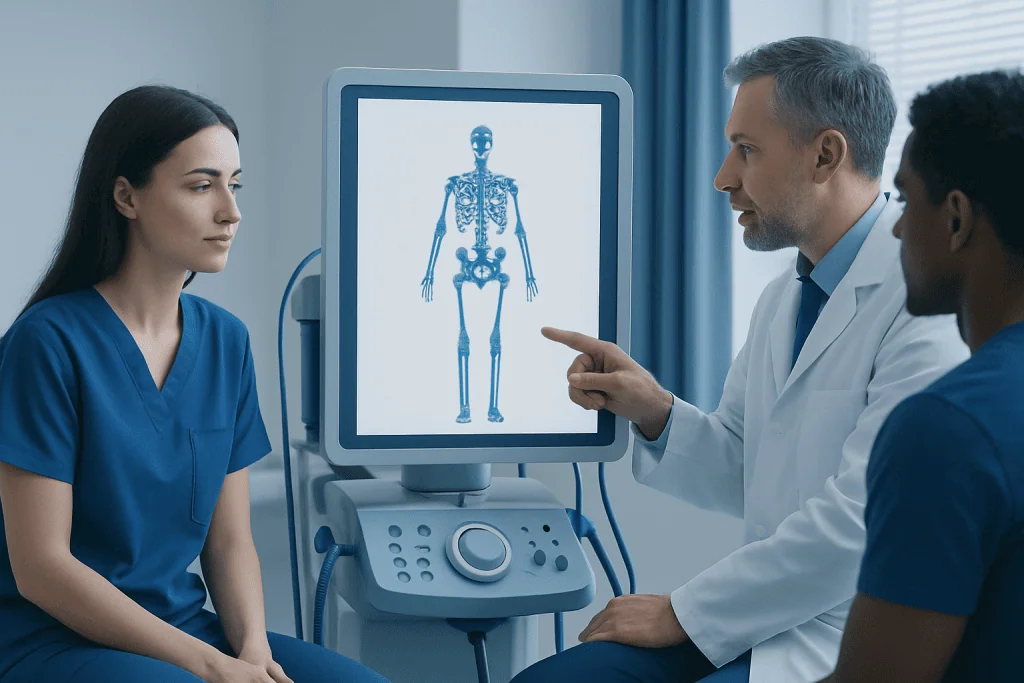
The body is arranged in levels of organization. The smallest living units are cells. Groups of similar cells form tissues, such as muscle tissue, nerve tissue, connective tissue, and epithelial tissue. Tissues then combine to form organs, and organs work together in body systems.
Major organ systems include the nervous system, cardiovascular system, respiratory system, digestive system, musculoskeletal system, urinary system, endocrine system, immune system, reproductive system, and integumentary system, which includes the skin. Each system has its own role, but none works in complete isolation.
For example, the heart and blood vessels deliver oxygen, but oxygen first enters through the lungs. Muscles create movement, but they depend on nerves for signals and bones for support. The digestive system absorbs nutrients, which the blood then carries throughout the body. This interconnected design is one reason anatomy is studied as a whole rather than as separate parts.
- Cells: basic living units
- Tissues: groups of similar cells with a shared role
- Organs: structures made of multiple tissues
- Systems: groups of organs working together
Main ways anatomy is studied
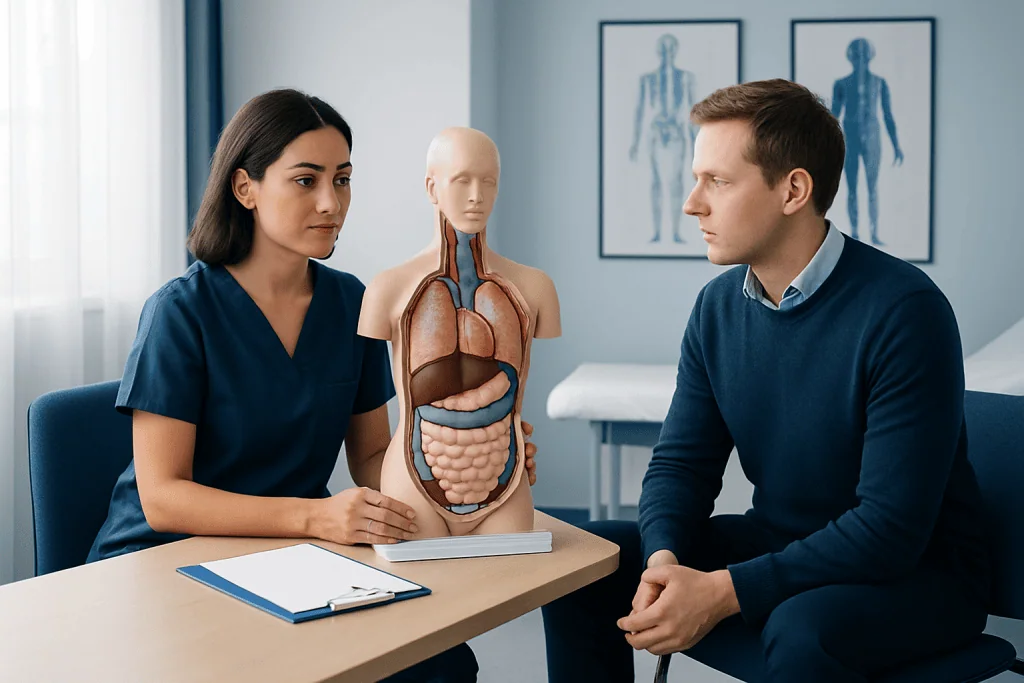
Medical professionals study anatomy in several practical ways. Gross anatomy looks at structures visible to the naked eye, such as the liver, brain, heart, or femur. Microscopic anatomy focuses on cells and tissues seen under a microscope. Developmental anatomy examines how the body changes before birth and across the lifespan.
Another common approach is regional anatomy, which studies body areas such as the head and neck, chest, abdomen, pelvis, back, or limbs. This is often useful in surgery and physical examination because many structures in the same area affect one another. Systemic anatomy, by contrast, studies one body system at a time, such as all parts of the nervous or digestive system.
Surface anatomy is also clinically important. It refers to structures that can be seen or felt from outside the body, such as landmarks on the chest, the position of major joints, or the pulse points of arteries. Surface anatomy helps doctors perform physical exams, injections, and some bedside procedures safely and accurately.
In modern medicine, anatomy is also studied with imaging. Ultrasound, X-rays, CT scans, and MRI allow doctors to see structures inside the body without surgery. This helps confirm injuries, identify abnormalities, and guide treatment planning. For some conditions, MRI imaging and CT scanning are central tools for understanding anatomy in detail.
The major body systems and what they include
The musculoskeletal system includes bones, joints, cartilage, ligaments, tendons, and muscles. It gives the body support, protects internal organs, and enables movement. The skull protects the brain, the rib cage helps protect the heart and lungs, and the spine supports posture while housing the spinal cord.
The nervous system includes the brain, spinal cord, and peripheral nerves. It controls sensation, movement, memory, and many automatic body functions. The cardiovascular system includes the heart and blood vessels, which move blood, oxygen, nutrients, hormones, and waste products throughout the body. The respiratory system includes the nose, throat, windpipe, and lungs, where oxygen enters and carbon dioxide leaves.
The digestive system includes the mouth, esophagus, stomach, intestines, liver, gallbladder, and pancreas. It breaks down food, absorbs nutrients, and removes waste. The urinary system includes the kidneys, ureters, bladder, and urethra, which filter blood and maintain fluid and electrolyte balance. The endocrine system consists of glands that produce hormones, and the immune system helps defend the body against infection.
Each of these systems can be affected by disease or injury. Understanding the normal structure of an organ often helps explain why symptoms occur when that structure changes. For example, anatomy helps doctors recognize how a brain tumor may affect surrounding tissue or how lung cancer can alter nearby airways and blood vessels.
Why anatomy matters in diagnosis and treatment
Anatomy is central to nearly every step of medical care. During a physical exam, doctors use anatomical landmarks to check the heart, lungs, abdomen, joints, skin, and nervous system. Pain location, swelling, weakness, numbness, or reduced movement often point to a particular structure or region of the body.
Imaging tests are interpreted through anatomy. A radiologist reading a chest X-ray or MRI compares the shape, size, and position of structures with what is expected in normal anatomy. Even laboratory tests are often interpreted alongside anatomy because the source of a symptom may be linked to a specific organ or tissue.
Anatomy is especially important in surgery, where accurate knowledge of blood vessels, nerves, muscles, and organs helps reduce risks and guide safe treatment. It also shapes rehabilitation and pain management. For example, understanding spinal anatomy can clarify the source of nerve compression, while knowledge of joint anatomy supports treatment planning for injuries and arthritis.
Some treatments depend directly on precise anatomical information. A specialist may use PET-CT to assess how a structural problem relates to disease activity, or recommend neurosurgery when a condition involves the brain, spine, or nerves. The exact choice depends on the patient’s symptoms, exam findings, and test results.
Common anatomical terms patients may hear
Medical appointments often include anatomical terms that may sound technical at first. These words are used to describe where something is located in the body. For instance, anterior means toward the front, while posterior means toward the back. Superior means higher or above, and inferior means lower or below.
Other common terms include medial, meaning closer to the body’s midline, and lateral, meaning farther from the midline. Proximal and distal are often used for the limbs: proximal means closer to where the limb attaches to the body, while distal means farther away. Doctors may also describe structures as superficial if they are near the surface or deep if they are farther inside.
Another useful concept is the anatomical position. In this standard reference position, the person stands upright, faces forward, keeps the arms at the sides, and turns the palms forward. This creates a shared frame of reference, so terms like left, right, upper, and lower are used consistently in examination reports and imaging findings.
Patients do not need to memorize every term, but knowing a few basics can make consultations easier to follow. It may also help when reading test reports or learning about a new diagnosis. Asking a clinician to explain a term in plain language is always appropriate and often very helpful.
How patients can use anatomy knowledge in everyday health
A basic understanding of anatomy can support better communication with healthcare professionals. When patients can describe where a symptom is felt, whether it seems deep or surface-level, and which movements make it better or worse, clinicians can often narrow down possible causes more efficiently.
Anatomy also helps people make sense of prevention and self-care advice. For example, posture recommendations relate to spinal alignment, exercise guidance often focuses on muscles and joints, and skin care advice reflects the protective role of the body’s outer layer. Learning how the body is built can make healthy habits feel more logical and easier to maintain.
However, anatomy knowledge should not replace medical evaluation. Many body structures lie close together, and symptoms in one area can come from another. Chest pain may involve muscles, ribs, lungs, the heart, or even digestion. Abdominal pain can arise from multiple organs. For this reason, self-diagnosis based only on body location is not reliable.
For people who need specialist assessment, multidisciplinary evaluation can be helpful, especially when symptoms involve several organ systems or when advanced imaging is needed. Acibadem International’s multidisciplinary specialists and JCI-accredited hospitals diagnose and treat a wide range of conditions for international patients.
When to seek medical care
Medical attention is appropriate when symptoms are persistent, unexplained, worsening, or affecting daily life. Examples include ongoing pain, a new lump or swelling, weakness, numbness, changes in balance, shortness of breath, severe headaches, or digestive problems that do not improve. These symptoms do not always mean a serious condition, but they should be assessed when they continue or recur.
Urgent care is important for symptoms such as sudden chest pain, trouble breathing, signs of stroke, significant head injury, severe abdominal pain, sudden loss of vision, or new weakness on one side of the body. In these situations, prompt medical evaluation can help identify the cause quickly and support timely treatment.
If a doctor recommends imaging or specialist referral, it is usually because anatomy needs to be examined more closely. This may be to rule out structural injury, inflammation, obstruction, bleeding, infection, or a growth. Clear answers often come from combining symptom history, physical examination, and imaging findings rather than relying on a single test alone.
Frequently asked questions
What is anatomy in simple terms?
Anatomy is the study of the body’s structure. It explains what body parts are present, where they are located, and how they connect to one another.
What is the difference between anatomy and physiology?
Anatomy focuses on structure, while physiology focuses on function. In other words, anatomy asks what the body is made of, and physiology asks how those parts work.
Why is anatomy important for patients?
Anatomy helps patients understand symptoms, tests, and treatment plans more clearly. It can also make medical conversations easier to follow, especially when a doctor is describing a body part or organ system.
What are the major systems of human anatomy?
The major systems include the nervous, cardiovascular, respiratory, digestive, musculoskeletal, urinary, endocrine, immune, reproductive, and integumentary systems. These systems work together to support movement, circulation, breathing, digestion, protection, and many other functions.
How do doctors study anatomy in living patients?
Doctors use physical examination and medical imaging such as ultrasound, X-rays, CT scans, and MRI. These tools allow them to assess the body’s internal structures without surgery in many cases.
Can learning anatomy help with self-diagnosis?
Learning anatomy can help a person describe symptoms more clearly, but it should not be used alone to make a diagnosis. Many conditions cause similar symptoms, and several organs or tissues can be involved in the same area of the body.
This article is for general information only and is not a substitute for professional medical advice. Please consult a qualified doctor about your individual situation.
Explore treatments in Turkey — costs, top hospitals & a free quote
JCI-accredited · board-certified surgeons · reply within 24h
Add us as a Preferred Source to see more of our trusted health content across Google Search, AI Overviews and Discover.

More from the Health Library

Rattlesnake Bite — Explained by Medical Evidence, Not Myths

Withdraw From Coffee: What Patients Need to Know

Oxcarbazepine — Explained by Medical Evidence, Not Myths

Water Kefir: An Evidence-Based Guide for Patients

Juice Boxes — Explained by Medical Evidence, Not Myths