Aniridia: A Complete Medical Overview

Aniridia is usually a genetic condition present from birth and often affects more than the iris alone. Common problems include light sensitivity, reduced vision, involuntary eye movements, cataracts, glaucoma, and corneal changes.
Key Takeaways
- Aniridia is usually a genetic condition present from birth and often affects more than the iris alone.
- Common problems include light sensitivity, reduced vision, involuntary eye movements, cataracts, glaucoma, and corneal changes.
- Diagnosis involves a full eye examination and may also include genetic testing and, in children, evaluation for related health conditions.
- There is no single cure, but treatment can improve comfort, support visual development, and manage complications.
- Lifelong follow-up with eye specialists is important because complications may appear or progress over time.
Aniridia is a rare eye condition in which the iris, the colored part of the eye, is partly or almost completely absent. It usually begins at birth and can affect several parts of the eye, so diagnosis, regular follow-up, and supportive treatment are important for protecting vision over time.
Overview: what aniridia is and why it matters
Aniridia is a rare disorder of eye development in which the iris is underdeveloped or appears largely absent. Although the name suggests that only the iris is involved, aniridia often affects multiple structures of the eye, including the cornea, lens, retina, optic nerve, and the drainage system that helps control eye pressure. For this reason, it is best understood as a panocular condition rather than a cosmetic difference in eye color or shape alone.
Most cases are congenital, meaning they are present at birth. Aniridia may occur on its own or as part of a broader genetic syndrome. In many people, it is linked to changes in the PAX6 gene, which plays an important role in normal eye formation before birth. The degree of eye involvement can vary widely, even within the same family.
Because aniridia can influence visual development from infancy through adulthood, early recognition and ongoing monitoring are important. Care often includes pediatric ophthalmology, genetics, low vision support, and later management of complications such as glaucoma or cataracts. With regular care, many people can improve comfort, support useful vision, and address problems as they arise.
Signs and symptoms across childhood and adulthood
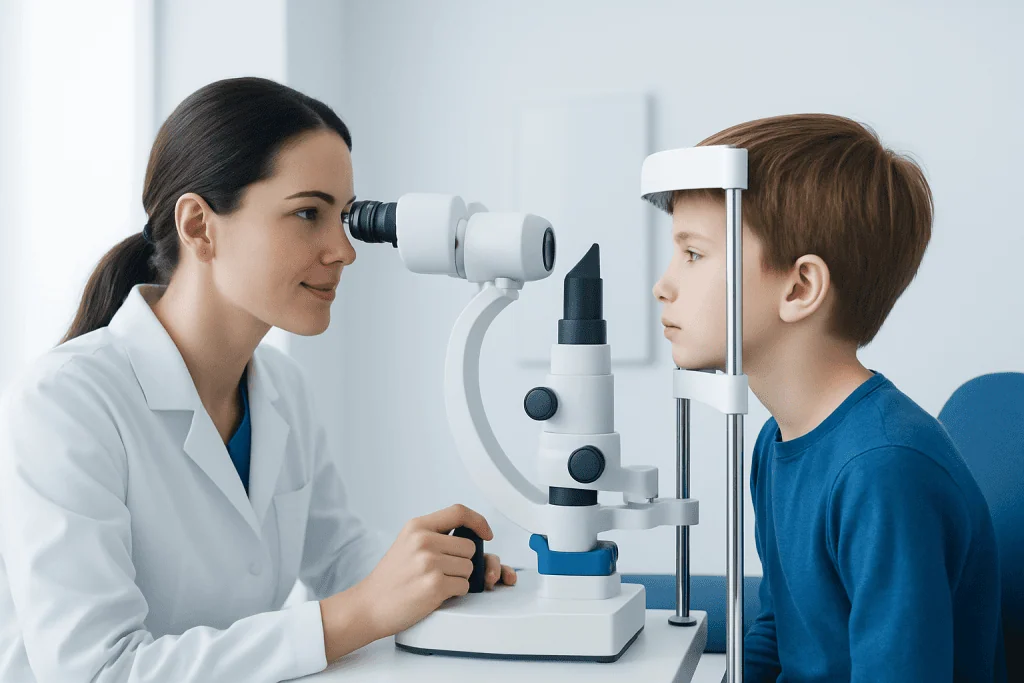
The appearance of aniridia can differ from person to person. Some people have only a thin ring of visible iris tissue, while others have a larger but incomplete iris. The pupil may look unusually large or irregular. Parents may notice that a baby is very sensitive to light, does not fix and follow objects well, or has unusual eye movements.
Visual symptoms are common because aniridia often involves more than the iris. Reduced visual acuity, blurry vision, glare, and photophobia can occur early in life. Nystagmus, which is an involuntary back-and-forth eye movement, is also frequent and may develop in infancy as a sign of impaired visual development. Some children may also develop strabismus, in which the eyes do not align properly.
Over time, additional symptoms can appear if complications develop. These may include gradual worsening of vision, eye discomfort, tearing, redness, or changes related to increasing eye pressure. Common features and complications include:
- Light sensitivity and glare
- Reduced vision from infancy or childhood
- Nystagmus or strabismus
- Cataracts
- Glaucoma
- Corneal surface problems, sometimes called aniridia-associated keratopathy
- Foveal or optic nerve underdevelopment in some patients
The combination of findings is different in each patient. Some people mainly struggle with light sensitivity, while others have more significant visual impairment or progressive complications that need medical or surgical treatment.
Causes, genetics, and related conditions
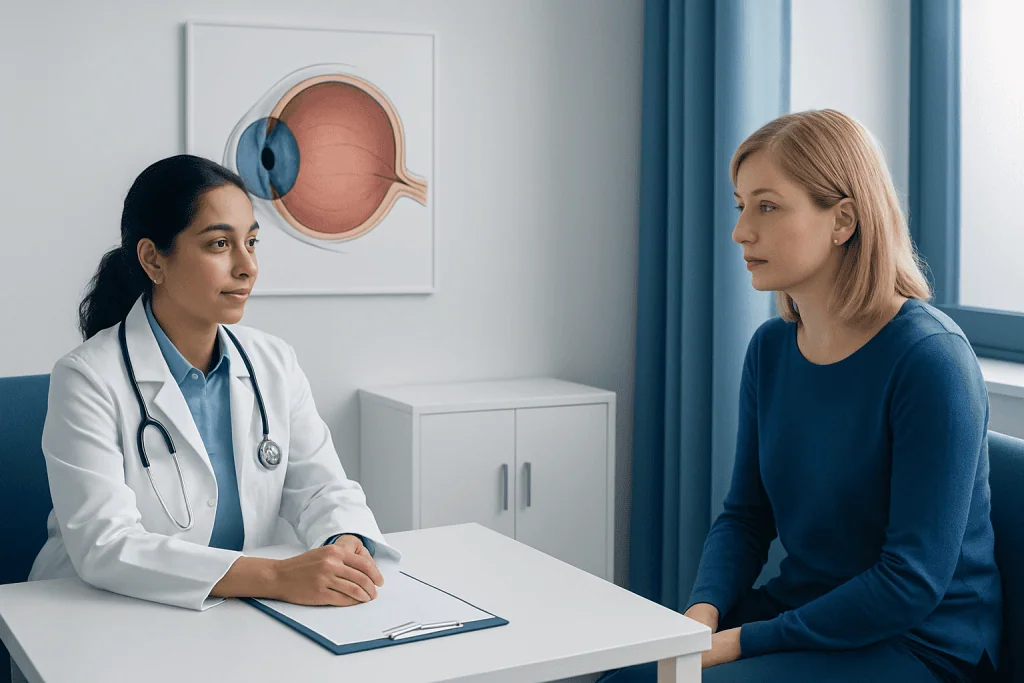
Aniridia is most often caused by a change in the PAX6 gene. This gene helps guide eye development in the embryo, so changes in it can affect several eye structures at once. In many families, aniridia follows an autosomal dominant inheritance pattern. This means a parent with the condition may pass it to a child, though the severity can vary considerably.
Not every case is inherited. Some occur for the first time in a child because of a new genetic change. In certain infants, aniridia can be part of a syndrome associated with other health concerns, especially when a larger chromosome change is present. One important example is WAGR syndrome, which can include Wilms tumor risk, genitourinary differences, and developmental concerns in addition to aniridia.
This genetic background is one reason why evaluation may extend beyond the eyes, especially in babies and young children. Genetic counseling can help families understand inheritance, possible associated conditions, and screening needs. If clinicians suspect a syndromic form, they may coordinate care with pediatrics, nephrology, or other specialists to make sure the child receives appropriate monitoring.
How aniridia is diagnosed
Aniridia is diagnosed through a comprehensive eye examination. The ophthalmologist looks at the iris and evaluates the rest of the eye, including the cornea, lens, retina, optic nerve, and eye pressure. In infants and young children, diagnosis may begin when caregivers report light sensitivity, unusual eye movements, or poor visual attention.
Testing is tailored to age and symptoms. Vision assessment, refraction, slit-lamp examination, and pressure measurement are commonly used. The doctor may also examine the back of the eye to look for foveal hypoplasia or optic nerve changes. Imaging and special tests can be useful in selected cases, particularly when a detailed view of the eye structures is needed.
Genetic testing is often recommended because it can confirm the diagnosis, clarify inheritance, and identify children who may need screening for associated conditions. In a newborn or infant with sporadic aniridia, doctors may consider additional assessment to rule out syndromic causes. This broader approach helps separate isolated aniridia from conditions that require extra follow-up outside eye care.
Diagnosis is not only about naming the condition. It also establishes a baseline for future care, since complications such as corneal disease or elevated eye pressure may develop later. Regular follow-up is therefore a core part of diagnosis and management, not a separate step.
Treatment options and long-term management
There is no single cure that restores a fully normal iris or reverses every feature of aniridia. Treatment focuses on protecting vision, supporting visual development, reducing light sensitivity, and managing complications. The care plan depends on age, symptoms, and which eye structures are affected. Many patients benefit from a long-term, multidisciplinary approach.
In childhood, management may include refractive correction with glasses or contact lenses, treatment for amblyopia if present, and support for nystagmus or strabismus when appropriate. Tinted lenses, sunglasses, and environmental adjustments can help reduce glare and photophobia. Lubricating eye drops may be recommended if the ocular surface is dry or uncomfortable.
Complications often need targeted treatment. Cataracts may eventually require cataract surgery if they significantly reduce vision. If eye pressure rises, doctors may treat glaucoma with medication, laser procedures, or surgery depending on the situation. Corneal surface disease can require intensive lubrication, protection of the ocular surface, and specialist corneal care.
Some patients are considered for surgical approaches to improve comfort, appearance, or function, but these decisions are individualized and depend on the overall health of the eye. Low vision rehabilitation can also be valuable, especially for school, work, and daily activities. Near the end of the care pathway, some international patients may seek assessment at centers such as Acibadem International, where multidisciplinary specialists in JCI-accredited hospitals evaluate and treat complex eye conditions, including those requiring corneal treatment or coordinated pediatric and adult follow-up.
Living with aniridia: prevention, self-care, and protecting vision
Aniridia itself is usually not preventable because it is commonly genetic, but many day-to-day steps can help protect comfort and support remaining vision. Consistent follow-up is one of the most important parts of self-care. This allows the eye care team to detect changes early, especially glaucoma, cataracts, and progressive corneal problems.
Practical light management often makes daily life easier. Wide-brimmed hats, UV-protective sunglasses, tinted prescription lenses, and thoughtful indoor lighting can reduce glare and photophobia. For children, school accommodations may help with reading, contrast, seating position, and screen use. Adults may also benefit from low vision aids for work, driving discussions, and household tasks.
Ocular surface care matters because the front of the eye can become dry, irritated, or fragile over time. Doctors may advise preservative-free lubricating drops or other supportive treatments. It is also sensible to avoid eye rubbing and to seek prompt attention for persistent redness, pain, or sudden visual changes.
Families with a known history of aniridia may wish to consider genetic counseling before or after pregnancy. Counseling does not change the diagnosis, but it can help clarify inheritance patterns, discuss testing options, and prepare for early pediatric eye care if a child is affected.
When to seek medical care
Medical review is important whenever an infant or child has marked light sensitivity, unusual eye movements, eyes that do not align well, or signs of reduced visual responsiveness. Early assessment supports visual development and helps identify whether aniridia or another developmental eye disorder is present. It also creates a plan for monitoring over time.
People already diagnosed with aniridia should seek medical care promptly if they notice worsening vision, increasing glare, eye pain, persistent redness, tearing, or a sudden change in comfort. These symptoms do not always mean a serious problem, but they can be signs of complications such as elevated eye pressure, corneal disease, or lens changes that need evaluation.
Regular scheduled care is just as important as urgent visits. Even when symptoms are stable, routine examinations help doctors check visual function, measure eye pressure, and look for subtle changes before they cause more noticeable vision loss. Anyone with questions about inherited risk or associated conditions should also discuss whether genetic evaluation is appropriate.
Frequently asked questions
Is aniridia the complete absence of the iris?
Not always. In many patients, some iris tissue is present but underdeveloped, so the iris appears incomplete rather than entirely absent. The condition can vary widely in how it looks and how much it affects vision.
Is aniridia inherited?
It often is, especially when related to a change in the PAX6 gene. In many families it follows an autosomal dominant pattern, but some cases happen for the first time in a child without a prior family history. Genetic testing and counseling can help clarify the pattern in a specific family.
Can aniridia cause blindness?
Aniridia can significantly reduce vision, but the degree of impairment varies from person to person. Vision may be affected by foveal underdevelopment, nystagmus, cataracts, glaucoma, or corneal disease. Early care and regular follow-up help manage complications and support the best possible visual function.
How is aniridia treated?
Treatment is based on symptoms and complications rather than a single standard cure. Patients may need glasses, tinted lenses, lubrication, amblyopia therapy, or treatment for cataracts, glaucoma, or corneal disease. Many people benefit from long-term care with ophthalmologists and low vision specialists.
Do children with aniridia need extra medical tests?
Sometimes, yes. When aniridia appears sporadically in a child, doctors may recommend genetic testing and evaluation for associated syndromes. This is especially important because a small number of children may need monitoring for health issues beyond the eyes.
Can adults with aniridia develop new problems later in life?
Yes. Even if symptoms seem stable, complications such as glaucoma, cataracts, and corneal surface disease can appear or progress over time. That is why regular lifelong eye examinations are recommended.
This article is for general information only and is not a substitute for professional medical advice. Please consult a qualified doctor about your individual situation.
Explore treatments in Turkey — costs, top hospitals & a free quote
JCI-accredited · board-certified surgeons · reply within 24h
Add us as a Preferred Source to see more of our trusted health content across Google Search, AI Overviews and Discover.

More from the Health Library
Broken Neck — Explained by Medical Evidence, Not Myths

Bicep Stretch: An Evidence-Based Guide for Patients
Eszopiclone: An Evidence-Based Guide for Patients

Best Exercises for Bone Health — Explained by Medical Evidence, Not Myths
Tourettes Illness: An Evidence-Based Guide for Patients