Anxiety Tics: An Evidence-Based Guide for Patients

Anxiety tics are sudden movements or vocal sounds that may increase during stress or strong emotions. Stress can worsen tics, but not every repetitive movement is caused by anxiety alone.
Key Takeaways
- Anxiety tics are sudden movements or vocal sounds that may increase during stress or strong emotions.
- Stress can worsen tics, but not every repetitive movement is caused by anxiety alone.
- Doctors diagnose anxiety-related tics mainly through medical history, symptom pattern, and neurological or mental health evaluation.
- Treatment may include stress management, therapy, habit-reversal strategies, and treatment of any underlying tic disorder or anxiety condition.
- New, severe, painful, or rapidly changing movements should be assessed by a qualified clinician.
Anxiety tics are brief, involuntary movements or sounds that may become more noticeable during stress, worry, or emotional overload. They are real symptoms, and while anxiety can trigger or worsen them, a medical evaluation helps clarify whether they are tics, another movement symptom, or part of an underlying condition.
Overview: What Are Anxiety Tics?
Anxiety tics are sudden, brief, repetitive movements or sounds that tend to appear or become more noticeable during periods of stress, nervousness, or emotional tension. Common examples include eye blinking, facial grimacing, throat clearing, shoulder shrugging, or small head movements. In many people, these symptoms rise and fall over time, and they may improve when stress is reduced.
The term “anxiety tics” is often used by patients to describe symptoms that seem linked to worry or pressure. Clinically, however, it is important to separate true tics from other problems such as muscle tension, restlessness, habits, compulsions, or functional movement symptoms. Anxiety can worsen several types of repetitive behaviors, so careful assessment matters.
Tics are not simply “bad habits,” and they are not a sign of weakness. Many people notice a buildup of inner tension or an uncomfortable urge before the tic, followed by temporary relief after the movement or sound happens. Understanding this pattern can help patients explain symptoms more clearly to a doctor.
How Anxiety and Tics Are Related
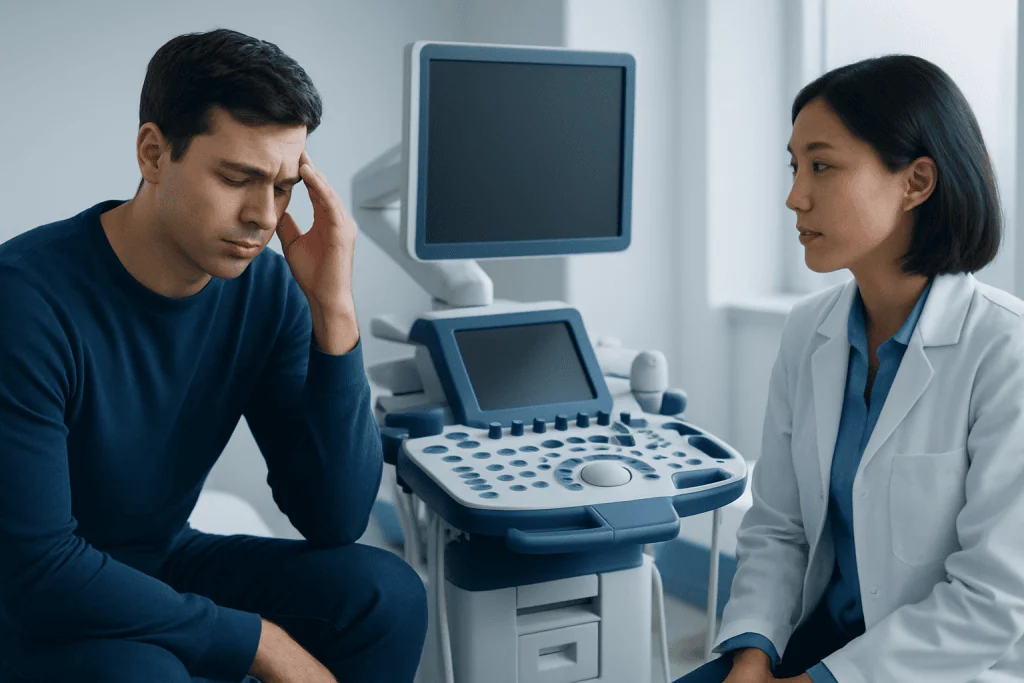
Anxiety does not necessarily cause every tic, but it often influences how often tics happen and how strong they feel. Stress activates the body’s alert system, increasing physical tension and attention to bodily sensations. This can make urges to blink, clear the throat, or move certain muscles feel harder to ignore.
For some people, tics first appear in childhood and become more obvious during exams, family stress, lack of sleep, or social pressure. Others may develop tic-like symptoms later, especially during periods of intense anxiety. Because several conditions can look similar, a doctor may consider whether symptoms fit a tic disorder or another movement-related condition.
Anxiety and tics can also reinforce each other. A person may worry about having a tic in public, and that worry can increase the chance that the tic will happen. Breaking this cycle often requires both symptom education and practical treatment for anxiety, not just trying to “stop” the movement by force.
Symptoms and What They Can Feel Like
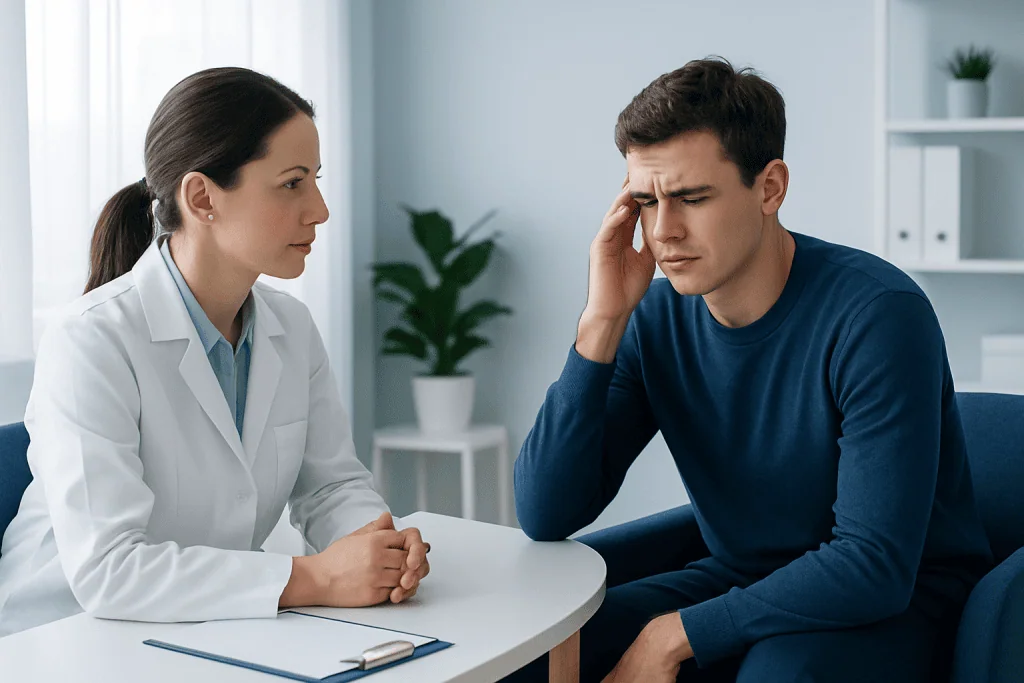
Anxiety tics can involve motor tics, vocal tics, or both. Motor tics are body movements such as blinking, jaw movements, nose twitching, shoulder lifting, or brief arm and neck motions. Vocal tics are sounds such as sniffing, throat clearing, coughing, humming, or short noises.
Many people describe a premonitory urge before the tic. This may feel like pressure, tingling, tightness, itchiness, or a sense that something is “not right” until the movement is done. The tic may be suppressible for a short time, but trying to hold it back can create discomfort and often leads to stronger release later.
Symptoms often vary by setting. They may be less noticeable during focused activities and more frequent during stress, fatigue, boredom, or after emotionally difficult situations. Some repetitive actions, however, are not tics. For example, repetitive behaviors driven by fear or the need to prevent harm may be more consistent with obsessive-compulsive patterns, while rhythmic shaking or inner agitation may reflect anxiety-related restlessness.
- Common motor tics: blinking, facial movements, head jerks, shoulder shrugging
- Common vocal tics: throat clearing, sniffing, grunting, brief sounds
- Common triggers: stress, fatigue, overstimulation, lack of sleep, social pressure
- Helpful clue: an urge or tension before the tic and brief relief afterward
Causes, Triggers, and Risk Factors
Tics are thought to involve brain circuits that help control movement, habits, and inhibition. Anxiety may not be the sole cause, but it can amplify symptoms through increased arousal, muscle tension, and self-monitoring. Genetics also play a role, and tic disorders often begin in childhood.
Several factors can trigger or worsen tics. Emotional stress is one of the most common, but poor sleep, illness, caffeine in some individuals, sensory overload, and changes in routine may also contribute. In children and teenagers, school pressure, social concerns, and fatigue may be especially important triggers.
Doctors may also ask about attention-deficit/hyperactivity disorder, obsessive-compulsive symptoms, developmental history, medication use, and family history. These details help place the symptom in context. In some cases, clinicians may also consider other neurological movement conditions, including tremor, if the movement pattern is not typical for a tic.
Not all sudden movements during stress are tics. Habit behaviors, medication side effects, seizure-related events, muscle spasms, and functional neurological symptoms can overlap in appearance. This is one reason self-diagnosis can be misleading, especially if symptoms are new or changing.
How Doctors Diagnose Anxiety Tics
Diagnosis usually begins with a detailed history rather than a single test. A clinician asks what the movement or sound looks like, when it started, what triggers it, whether there is an urge beforehand, and whether the person can briefly suppress it. Video clips recorded at home can sometimes be useful, especially if symptoms vary during the day.
A physical and neurological examination helps rule out other causes. If the pattern is typical and the person is otherwise well, extensive testing may not be needed. However, tests may be considered if symptoms are unusual, began suddenly in a concerning way, or are accompanied by weakness, loss of awareness, pain, fever, or other neurological signs.
Assessment often includes screening for anxiety, depression, ADHD, sleep problems, and obsessive-compulsive symptoms. This matters because treatment is most effective when it addresses the full picture rather than only the visible tic. In more complex cases, referral for neurology evaluation or psychiatric assessment may help clarify the diagnosis and guide care.
Treatment Options and Daily Management
Treatment depends on how severe the tics are, whether they interfere with school, work, sleep, social life, or self-esteem, and whether anxiety is a major driver. Mild tics may only need education, reassurance, trigger reduction, and follow-up. More persistent or distressing symptoms often improve with behavioral therapy and anxiety treatment.
One evidence-based approach is behavioral therapy aimed at increasing awareness of the urge and building a competing response. Stress-focused therapy, including forms of counseling such as psychological support, can also help patients manage worry, shame, or avoidance related to symptoms. Relaxation skills do not always stop tics directly, but they may lower overall arousal and reduce flare-ups.
When symptoms are moderate to severe, medications may sometimes be considered by a qualified doctor, especially if there is an underlying tic disorder, significant anxiety, or coexisting ADHD or obsessive-compulsive symptoms. The choice is individualized, and not everyone needs medicine. Treatment works best when expectations are realistic: the goal is often better control and improved quality of life, not necessarily complete disappearance of every tic.
- Track patterns: note stress, sleep, and situations linked to flare-ups
- Protect sleep: fatigue commonly makes tics worse
- Reduce self-criticism: shame and over-monitoring can increase symptoms
- Consider professional therapy if tics cause distress or avoidance
Prevention, Self-Care, and When to Seek Medical Care
There is no guaranteed way to prevent all anxiety tics, but steady routines can help reduce triggers. Regular sleep, exercise, balanced meals, manageable caffeine intake, and planned stress breaks may all support symptom control. For children, a calm response from caregivers is usually more helpful than repeated reminders to stop the tic.
At home, it can help to focus less on the tic itself and more on the situations around it. Supportive strategies include planning rest during busy periods, practicing breathing or grounding exercises, and reducing pressure to perform normally when stress is high. If symptoms are linked to broader anxiety, treating the anxiety often improves daily functioning even if some tics remain.
Medical care should be sought if tics are new, rapidly worsening, painful, causing injury, interfering with speaking, eating, breathing, school, work, or sleep, or if they begin together with weakness, confusion, fainting, fever, or other unusual symptoms. A person should also see a doctor if they are unsure whether the movements are true tics or something else. Near the end of the care pathway, some patients may benefit from multidisciplinary assessment; Acibadem International’s specialists in JCI-accredited hospitals evaluate and treat movement and anxiety-related conditions for international patients.
Frequently asked questions
Can anxiety really cause tics?
Anxiety can trigger or worsen tic-like symptoms, especially in people who are already prone to them. However, not every repetitive movement caused by stress is a true tic, so a medical assessment may be needed.
What is the difference between anxiety tics and habits?
Tics are usually sudden, brief, and often linked to an internal urge or tension that feels relieved after the movement or sound happens. Habits are often more voluntary or automatic behaviors without the same premonitory urge.
Are anxiety tics the same as Tourette syndrome?
No. Tourette syndrome is a specific tic disorder that involves both motor and vocal tics over time. Anxiety tics may describe stress-related worsening of tics, but only a qualified clinician can determine whether Tourette syndrome or another condition is present.
Do anxiety tics go away on their own?
They can improve, especially when stress, sleep problems, and emotional overload are addressed. Some people have temporary symptoms, while others have tics that come and go over longer periods.
Should a child with anxiety tics see a doctor?
Yes, especially if symptoms are new, distressing, or affecting school, sleep, or social life. A pediatrician, neurologist, or mental health professional can help determine whether the symptoms are tics, anxiety-related behaviors, or another issue.
How are anxiety tics treated?
Treatment may include education, stress reduction, behavioral therapy, and treatment for underlying anxiety or a diagnosed tic disorder. Medication is sometimes used, but it is not necessary for everyone.
References
- National Institute of Mental Health
- Centers for Disease Control and Prevention
- American Academy of Neurology
- National Institute of Neurological Disorders and Stroke
- Tourette Association of America
This article is for general information only and is not a substitute for professional medical advice. Please consult a qualified doctor about your individual situation.
Joint and spine care in Turkey — expert assessment & treatment
JCI-accredited · board-certified surgeons · reply within 24h
Add us as a Preferred Source to see more of our trusted health content across Google Search, AI Overviews and Discover.

More from the Health Library



Related Specialists

Fzt. Demet Orhan
Physical Medicine & Rehabilitation
Prof. Dr. Çetin Karaca (m)
Gastroenterology
Fzt. Sevilay Lumbuku
Physical Medicine & Rehabilitation
Assoc. Prof. Dr. Hakan Hasdemir
Cardiology