

Apneic: A Complete Medical Overview

Apneic means there is a temporary stop or pause in breathing. The term is commonly used in relation to sleep apnea, but it can apply in other medical settings too.
Key Takeaways
- Apneic means there is a temporary stop or pause in breathing.
- The term is commonly used in relation to sleep apnea, but it can apply in other medical settings too.
- Symptoms may include snoring, choking during sleep, daytime sleepiness, or witnessed pauses in breathing.
- Diagnosis depends on the cause and may include a medical exam, sleep testing, and heart or lung assessment.
- Treatment ranges from lifestyle changes to devices, medicines, or urgent emergency care depending on the situation.
- Breathing that stops, turns blue, or causes unresponsiveness needs immediate medical attention.
Apneic means a person is having a pause in breathing, either briefly or for longer than normal. In everyday medical use, the term often relates to sleep-disordered breathing, but it can also describe breathing pauses in newborns, during illness, or in emergencies.
Overview: What does apneic mean?
Apneic meaning is simple: it describes a state in which breathing has stopped temporarily or there is an abnormal pause in breathing. The word comes from “apnea,” which means “without breath.” In medical notes, a clinician may say a person is apneic if they are not breathing at that moment, or if they have repeated breathing pauses, especially during sleep.
Most people encounter the term when reading about sleep apnea. In that context, apneic episodes are repeated pauses in airflow during sleep. However, the word is broader than sleep medicine. A baby can have apneic spells, a person under anesthesia may need monitoring for apneic periods, and emergency teams use the term when someone stops breathing and needs urgent support.
The meaning depends on the situation. A very brief pause in breathing can sometimes happen normally, especially during sleep, but repeated or prolonged pauses are not normal and should be evaluated. The main question is not just what the word means, but why the breathing pauses are happening and whether they are affecting oxygen levels, sleep quality, or overall health.
How apneic breathing can look and feel
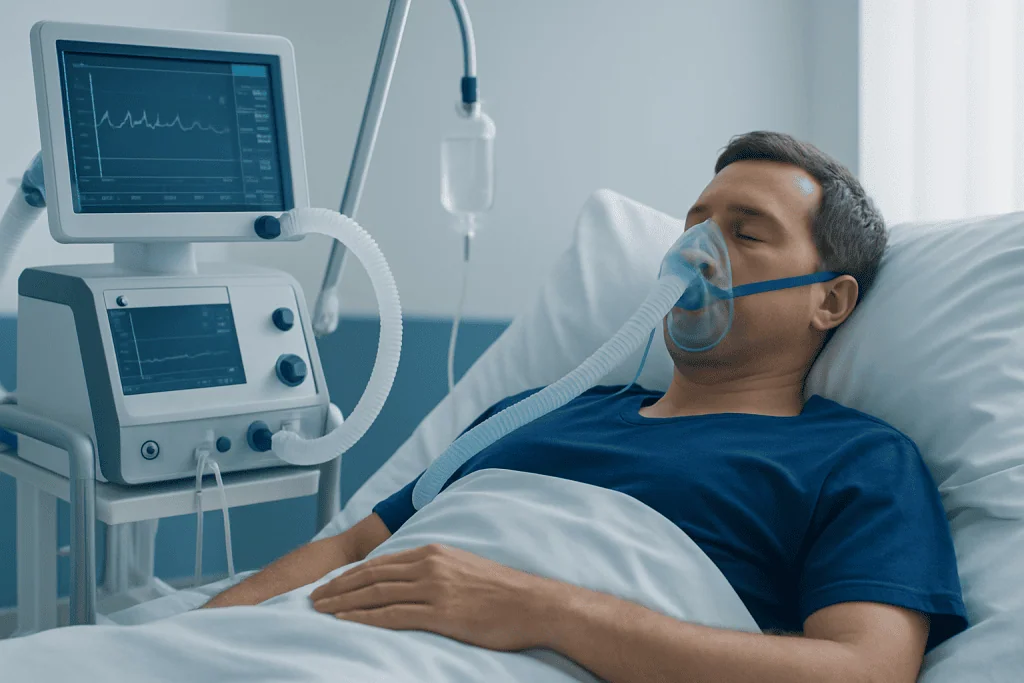
Apneic breathing may be noticed by the person themselves, but often it is first observed by a partner, parent, or caregiver. During sleep, someone may snore loudly, become quiet for several seconds, then gasp, choke, or snort before breathing resumes. The person may not remember these events, yet still wake feeling unrefreshed.
Common symptoms linked with apneic episodes during sleep include morning headaches, dry mouth, restless sleep, poor concentration, irritability, and daytime tiredness. Some people fall asleep easily while reading, watching television, or sitting quietly. Others notice reduced exercise tolerance or feel mentally “foggy.”
Outside sleep, apneic breathing may appear as visibly paused chest movement, reduced alertness, bluish lips, or unusual effort to breathe. In infants, there may be brief pauses with color change or limpness. In any age group, breathing pauses accompanied by fainting, severe shortness of breath, chest pain, or confusion need urgent attention.
- Loud snoring with witnessed pauses
- Gasping or choking during sleep
- Excessive daytime sleepiness
- Poor focus or memory
- Morning headache or dry mouth
- Blue lips, collapse, or unresponsiveness in emergencies
Common causes and risk factors

The most common cause of repeated apneic episodes in adults is obstructive sleep apnea. In this condition, the upper airway narrows or collapses during sleep, reducing or stopping airflow even though the chest is still trying to breathe. This is why many people searching for apneic meaning are actually trying to understand sleep apnea.
Risk factors for obstructive breathing pauses include excess body weight, older age, enlarged tonsils, nasal obstruction, certain jaw or airway shapes, alcohol use before bedtime, and sedating medications. Sleeping on the back can also worsen airway collapse in some people. Men are affected more often, but women can also have sleep apnea, especially after menopause.
Not all apneic events are obstructive. In central sleep apnea, the brain temporarily does not send normal signals to the breathing muscles. This may be linked with heart failure, neurologic conditions, stroke, high altitude, or certain medications such as opioids. Babies, especially premature infants, can have apnea due to immature breathing control. Serious infection, trauma, seizures, and severe lung disease can also cause breathing to stop or become dangerously irregular.
Why the cause matters
Understanding the cause of apneic breathing is important because the health impact can vary widely. Repeated sleep-related apneic episodes can fragment sleep, lower oxygen levels, and place stress on the heart and blood vessels over time. In some people, untreated sleep apnea is associated with high blood pressure, mood changes, increased accident risk, and poorer quality of life.
Central causes may point to an underlying neurologic or cardiac problem that also needs attention. For example, a person with nighttime breathing pauses and certain heart symptoms may need assessment for heart failure, while others may need evaluation of brain, medication, or oxygen-related factors. In children, enlarged tonsils and adenoids are common contributors, while in newborns the context is different and may require pediatric monitoring.
The word apneic itself is descriptive, not a final diagnosis. It tells clinicians that breathing has paused, but the next step is to identify whether the event is obstructive, central, mixed, temporary, sleep-related, medication-related, or part of an emergency. That distinction guides the safest treatment plan.
How doctors diagnose apneic episodes
Diagnosis begins with a careful history. A doctor asks when the breathing pauses occur, how long they last, whether there is snoring or gasping, and whether symptoms happen mainly during sleep or also during the day. Information from a bed partner or caregiver is often very helpful because many sleep-related pauses are not remembered by the patient.
The physical examination may focus on the nose, throat, jaw, neck, lungs, heart, and nervous system. Depending on the situation, blood oxygen measurement, blood tests, chest imaging, or heart evaluation may be considered. If sleep apnea is suspected, the main test is a sleep study, also called polysomnography, or in some cases a home sleep apnea test.
A sleep study tracks breathing, oxygen levels, airflow, heart rhythm, and sleep stages. It helps determine how often apneic events occur and whether they are obstructive or central. Some people may also need assessment by ENT, pulmonary, cardiology, or neurology specialists to understand contributing factors and choose the most appropriate treatment.
Treatment options for apneic breathing
Treatment depends entirely on the cause. If apneic episodes occur during sleep because of airway collapse, the most effective treatment for many adults is positive airway pressure therapy, commonly called sleep apnea treatment. This uses a mask and gentle air pressure to keep the airway open during sleep. Other options may include oral appliances, weight management, avoiding alcohol near bedtime, and positional therapy.
When enlarged tonsils, nasal blockage, or structural airway problems play an important role, procedures may be considered. In carefully selected patients, doctors may discuss septoplasty for significant nasal obstruction or other airway-related interventions. If obesity is a major driver and other health issues are present, broader weight-management planning can also help reduce sleep-related breathing problems over time.
Central apneic episodes are treated by addressing the underlying problem, such as heart disease, medication effects, or neurologic conditions. Supplemental oxygen, adjustment of medicines, or specialized breathing support may be needed in some cases. Emergency apneic states require immediate medical care, airway support, and treatment of the cause. Near the end of the care pathway, some international patients seek assessment at centers such as Acibadem International, where multidisciplinary specialists in JCI-accredited hospitals evaluate and treat breathing and sleep-related disorders.
Prevention and self-care
Not every cause of apneic breathing can be prevented, but some practical steps can reduce risk, especially for sleep-related breathing pauses. Maintaining a healthy weight, limiting alcohol before sleep, and discussing sedating medications with a doctor can be helpful. Sleeping on the side instead of the back may reduce symptoms in some people with positional sleep apnea.
Good sleep habits also matter. Regular sleep hours, treatment of nasal congestion, and avoiding sleep deprivation may improve overall sleep quality and make symptoms easier to recognize. People who have been prescribed positive airway pressure should use it consistently and speak up if the mask is uncomfortable, because fit and comfort often can be improved.
Self-care should not replace medical evaluation when breathing pauses are suspected. It is especially important not to ignore loud snoring with daytime sleepiness, witnessed pauses, or waking up choking. Children, infants, and older adults should be assessed promptly if apneic episodes are noticed, because causes and risks differ by age.
When to seek medical care
Medical advice should be sought if a person has repeated snoring with witnessed pauses in breathing, frequent gasping during sleep, unexplained daytime sleepiness, morning headaches, or difficulty concentrating. These symptoms do not always mean sleep apnea, but they do warrant professional evaluation.
Urgent care is needed if someone becomes apneic and does not quickly resume breathing, turns blue, faints, is hard to wake, has chest pain, or appears confused. Babies who have breathing pauses with color change, poor feeding, or limpness should be assessed right away. If a person is unresponsive or not breathing, emergency services should be contacted immediately and basic life support started if trained.
People who already have diagnosed sleep apnea should also review new or worsening symptoms with their doctor. Persistent sleepiness despite treatment, intolerance of therapy, or concern for another condition may mean that the diagnosis or treatment plan needs updating. In selected cases, a broader respiratory evaluation, including lung transplant assessment for advanced end-stage lung disease, may be relevant, though this is not a routine treatment for sleep-related apneic episodes.
Frequently asked questions
What is the simple meaning of apneic?
Apneic means that breathing has stopped for a period of time or is temporarily paused. Doctors may use the word to describe a brief event during sleep, a medical emergency, or a monitored event in a hospital setting.
Is apneic the same as sleep apnea?
Not exactly. Apneic describes the breathing pause itself, while sleep apnea is a condition in which repeated pauses happen during sleep. In many everyday situations, people use the terms closely because sleep apnea is a common reason for apneic episodes.
Can someone be apneic and not know it?
Yes. Many sleep-related breathing pauses happen when a person is asleep and are first noticed by a partner or family member. A person may only notice indirect signs, such as loud snoring, tiredness, headaches, or poor concentration.
Are all apneic episodes dangerous?
Not all are immediately dangerous, but repeated or prolonged breathing pauses should always be taken seriously. The level of risk depends on the cause, the duration, oxygen levels, and whether symptoms such as blue lips, collapse, or unresponsiveness occur.
How is apneic breathing tested?
Doctors usually begin with a history and physical examination. If sleep apnea is suspected, a sleep study or home sleep apnea test may be used to measure breathing, oxygen levels, and sleep patterns.
Can apneic breathing be treated?
Yes, in many cases it can be treated effectively once the cause is identified. Treatments may include lifestyle changes, airway pressure devices, oral appliances, procedures for airway obstruction, or treatment of heart, lung, neurologic, or medication-related causes.
References
- American Academy of Sleep Medicine
- National Heart, Lung, and Blood Institute
- Centers for Disease Control and Prevention
- MedlinePlus
- American Thoracic Society
This article is for general information only and is not a substitute for professional medical advice. Please consult a qualified doctor about your individual situation.
Explore treatments in Turkey — costs, top hospitals & a free quote
JCI-accredited · board-certified surgeons · reply within 24h
Add us as a Preferred Source to see more of our trusted health content across Google Search, AI Overviews and Discover.
Check your numbers in seconds
BMI, calories, due date, blood pressure and 30+ more clinical calculators — free, instant, doctor-reviewed ranges.

More from the Health Library


Related Specialists

Prof. Dr. Mehmet Zafer Berkman
Neurosurgery
Assoc. Prof. Dr. Cüneyt Göçmez
Neurosurgery
Fzt. Perihan Yıldız
Physical Medicine & Rehabilitation
Prof. Dr. Ahmet Keskinoğlu
Pediatric Nephrology