Are Bones and Joints the Same? A Simple Guide to Joint Anatomy

Bones support the body, protect organs, and store minerals; joints connect bones and help the body move. Not all joint pain starts in the joint itself—muscles, tendons, ligaments, and cartilage can also be involved.
Key Takeaways
- Bones support the body, protect organs, and store minerals; joints connect bones and help the body move.
- Not all joint pain starts in the joint itself—muscles, tendons, ligaments, and cartilage can also be involved.
- Common joint problems include arthritis, sprains, strains, bursitis, and overuse injuries.
- Healthy movement, posture, and maintaining a healthy weight can help protect joints over time.
- Persistent swelling, redness, severe pain, deformity, or loss of function should be assessed by a doctor.
Bones and joints are related but not the same. Bones form the body’s framework, while joints are the places where bones meet and movement happens. Understanding the difference can make symptoms like pain, stiffness, or swelling easier to interpret.
Overview: Are Bones and Joints the Same?
Bones and joints are closely connected, but they are not the same. Bones are the rigid structures that give the body shape, support, and protection. Joints are the meeting points between two or more bones, and they make movement possible.
A simple way to think about it is this: bones act like the frame of a building, while joints are the hinges, sliders, or pivot points that let the structure move. Without joints, the body would be stiff and unable to bend, twist, or walk in the usual way.
Joint anatomy also includes cartilage, ligaments, synovial fluid, and surrounding muscles and tendons. These structures work together to reduce friction, absorb force, and keep movement smooth. When one part is irritated or damaged, the whole joint can feel painful or stiff.
How Bone and Joint Anatomy Works
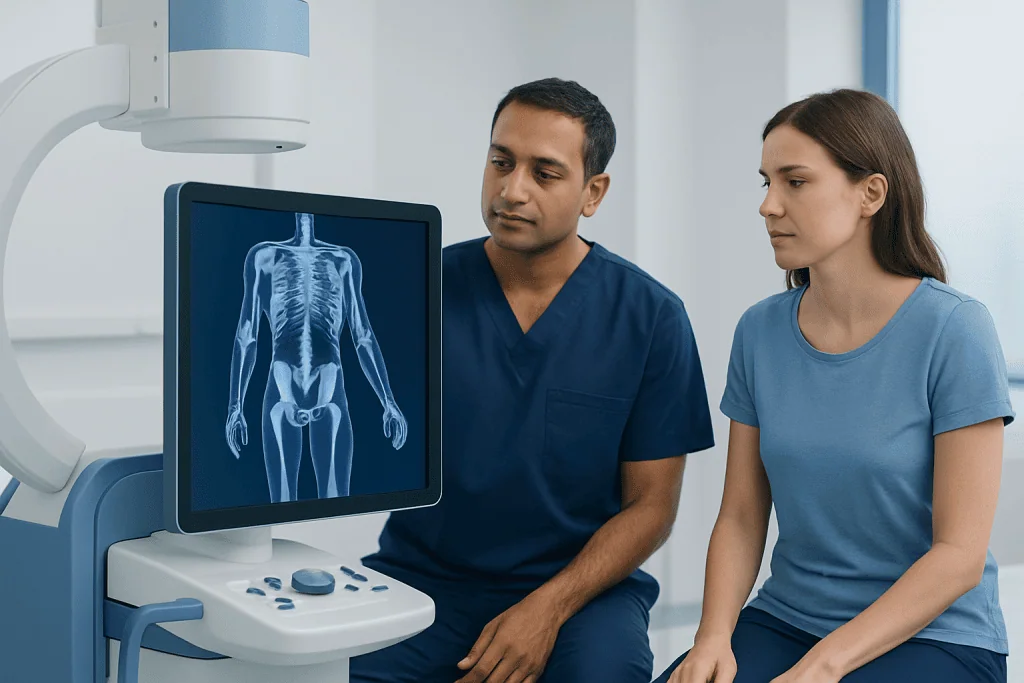
Bones are living tissue. They constantly rebuild themselves, store minerals such as calcium and phosphorus, and help produce blood cells in the bone marrow. They are strong, but they are not meant to move on their own.
Joints are formed where bones meet. Some joints, such as those in the skull, are mostly fixed. Others, like the shoulder, hip, knee, and fingers, are designed for frequent movement. The type of joint determines how much motion is possible.
Several structures keep joints working properly:
- Cartilage cushions the ends of bones and helps them glide smoothly.
- Ligaments connect bone to bone and provide stability.
- Tendons connect muscle to bone and help produce movement.
- Synovial fluid lubricates many joints and reduces friction.
When people ask whether bones and joints are the same, the answer is no—but they are part of one coordinated system. Pain felt “in a joint” may come from cartilage wear, ligament injury, inflammation, or nearby soft tissues rather than from the bone itself.
Common Symptoms That Involve Bones or Joints

Bone and joint problems can cause similar symptoms, which is why the source of discomfort is not always obvious. A person may notice pain with movement, stiffness after rest, swelling, tenderness, or reduced range of motion.
Joint symptoms often include clicking, warmth, puffiness, or a feeling that the joint is unstable. Bone-related problems may cause deep, localized pain, tenderness after injury, or pain that worsens with weight-bearing. Some conditions affect both bones and joints at the same time.
Symptoms can range from mild and temporary to persistent and limiting. For example, a sprained ankle may improve with rest, while arthritis can lead to ongoing stiffness and swelling. The pattern of symptoms, the location, and whether there was an injury can help guide evaluation.
Causes and Risk Factors
Many different conditions can affect bones and joints. The cause may be sudden, such as a fall or sports injury, or gradual, such as wear and tear over time. Inflammation, infection, autoimmune disease, and metabolic conditions can also play a role.
Common joint-related causes include osteoarthritis, rheumatoid arthritis, gout, bursitis, tendon irritation, sprains, and strains. Bone-related causes may include fractures, osteoporosis, bone infections, and less commonly bone tumors. Pain can also be referred from nearby areas, such as the spine, muscles, or nerves.
Risk factors vary by condition but may include aging, previous injury, repetitive movement, family history, obesity, smoking, poor muscle support, and certain chronic illnesses. Some joint problems are more common in people who perform heavy physical labor or repetitive sports movements. Inflammatory joint disease may also appear without an obvious injury.
How Doctors Diagnose Bone and Joint Problems
Diagnosis begins with a medical history and physical examination. A doctor will usually ask about the start of symptoms, injury history, swelling, stiffness, activity level, and whether pain is constant or comes and goes. The physical exam may assess tenderness, range of motion, alignment, strength, and stability.
Depending on the suspected cause, a doctor may recommend imaging tests such as X-rays, ultrasound, CT, or MRI. X-rays are often helpful for fractures and arthritis, while MRI can show soft tissues such as cartilage, ligaments, and tendons. Blood tests may be used when inflammation, infection, gout, or autoimmune disease is suspected.
In some cases, joint fluid analysis is needed to look for infection or crystal-related disease. The goal is to identify not only where the pain is coming from, but also whether the problem is structural, inflammatory, traumatic, or degenerative. Accurate diagnosis helps guide the right treatment.
Treatment Options
Treatment depends on the underlying cause, the joint or bone involved, and how severe the symptoms are. Many mild problems improve with rest, activity modification, ice or heat, and guided rehabilitation. More advanced conditions may need medication, injections, bracing, or surgery.
For inflammatory or autoimmune conditions, treatment may focus on reducing inflammation and protecting joint function. For example, doctors may use anti-inflammatory medicines or disease-targeted therapies when appropriate. If a fracture is present, immobilization or surgical repair may be needed. If cartilage or ligament damage is significant, a specialist may discuss options such as arthroscopy to evaluate and treat the joint through small incisions.
People with persistent pain from knee, shoulder, hip, or spine-related problems may benefit from a specialist assessment. In some situations, procedures such as joint replacement are considered when severe joint damage limits daily life and other treatments are no longer enough. Rehabilitation is often an important part of recovery because it helps restore strength, flexibility, and safe movement.
Prevention and Self-Care
Not every bone or joint problem can be prevented, but healthy habits can reduce strain and support long-term function. Regular low-impact exercise helps maintain muscle support around the joints, while strength and balance work can lower the risk of falls and injuries. Good posture and proper technique during activity also matter.
Maintaining a healthy body weight can reduce stress on weight-bearing joints such as the hips, knees, and ankles. Wearing suitable footwear, using protective gear in sports, and warming up before exercise may also help. For people who sit for long periods, taking breaks to move and stretch can reduce stiffness.
Self-care for mild discomfort may include relative rest, gentle movement as tolerated, and using support devices if advised by a clinician. A balanced diet with enough calcium, vitamin D, and protein supports bone health, but supplements should be discussed with a doctor when needed. Avoiding smoking and limiting heavy alcohol use can also support musculoskeletal health.
When to See a Doctor
Medical evaluation is recommended if joint or bone pain lasts more than a short period, keeps returning, or begins to limit normal activities. Swelling, redness, warmth, or significant morning stiffness may suggest inflammation that deserves assessment. Pain after an injury should also be checked if it is severe or does not improve as expected.
People should seek prompt care for an obvious deformity, inability to bear weight, a joint that looks dislocated, numbness, weakness, fever with joint pain, or sudden severe pain. These symptoms can indicate a condition that needs timely treatment. Even when symptoms are not urgent, ongoing discomfort should not be ignored.
If a person is unsure whether the problem is in the bone, joint, muscle, or spine, a clinician can help sort out the cause. Acibadem International’s multidisciplinary specialists and JCI-accredited hospitals diagnose and treat bone and joint conditions for international patients with coordinated, patient-centered care.
Living Well With Healthy Bones and Joints
Understanding the difference between bones and joints helps people describe symptoms more clearly and ask better questions at appointments. It also makes it easier to understand why treatments may focus on inflammation, stability, cartilage protection, or movement restoration rather than on the bone alone.
Most bone and joint problems are manageable, especially when they are identified early. With the right diagnosis, many people can reduce pain, improve mobility, and return to normal routines with confidence. Ongoing care often works best when medication, exercise, posture, and lifestyle changes are combined in a practical plan.
If symptoms are persistent or affecting daily life, professional evaluation is the safest next step. A doctor can explain what is happening and recommend treatment based on the specific structure involved, whether that is bone, joint, or the surrounding soft tissues.
Frequently asked questions
Are bones and joints the same thing?
No. Bones are the hard structures that support the body, while joints are the places where bones meet and move. They work together, but they have different roles.
What parts make up a joint?
A joint usually includes the ends of bones, cartilage, ligaments, synovial fluid, and nearby muscles and tendons. These parts help the joint move smoothly and stay stable.
Can joint pain come from something other than the joint itself?
Yes. Pain can come from nearby muscles, tendons, ligaments, nerves, or even the spine. That is why a careful exam is important when symptoms persist.
What is the difference between arthritis and general joint pain?
Arthritis is a condition that causes inflammation or degeneration within a joint, while joint pain is a symptom that can have many causes. Not every painful joint has arthritis.
When should a person worry about bone or joint pain?
Pain that is severe, persistent, linked to swelling or redness, or followed by injury should be assessed. A doctor should also evaluate pain that limits walking, lifting, or daily activities.
How can someone protect joint health over time?
Regular exercise, strength training, healthy weight management, and avoiding repetitive overuse can help protect joints. Good footwear and safe movement techniques are also useful.
References
- National Institute of Arthritis and Musculoskeletal and Skin Diseases
- Mayo Clinic
- Cleveland Clinic
- World Health Organization
- Arthritis Foundation
This article is for general information only and is not a substitute for professional medical advice. Please consult a qualified doctor about your individual situation.
Joint and spine care in Turkey — expert assessment & treatment
JCI-accredited · board-certified surgeons · reply within 24h
Add us as a Preferred Source to see more of our trusted health content across Google Search, AI Overviews and Discover.