

Are Migraines Neurological or Vascular? What Symptoms Can Overlap With Stroke

Migraine is mainly a disorder of the brain and nervous system, not simply a blood vessel problem. Aura can cause temporary visual, sensory, or speech symptoms that may overlap with stroke.
Key Takeaways
- Migraine is mainly a disorder of the brain and nervous system, not simply a blood vessel problem.
- Aura can cause temporary visual, sensory, or speech symptoms that may overlap with stroke.
- Sudden weakness, facial drooping, confusion, or trouble speaking should be treated as a medical emergency.
- Doctors use the pattern of symptoms, examination, and sometimes brain imaging to distinguish migraine from stroke.
- Regular triggers, preventive strategies, and appropriate treatment can help reduce migraine attacks.
Migraine is now understood primarily as a neurological condition, although changes involving blood vessels can contribute to symptoms. Some migraine features, especially aura, can resemble stroke, so sudden or unusual symptoms should be assessed promptly.
Overview: Are Migraines Neurological or Vascular?
Migraine is considered primarily a neurological disorder. In the past, it was often described mainly as a vascular problem because headaches can involve changes in blood vessel function. Today, specialists understand that migraine begins in the brain, with altered nerve signaling, pain pathways, and sensory processing playing central roles.
That said, blood vessels are not completely irrelevant. During a migraine attack, changes in brain chemicals and nerve activity can affect blood vessel tone and inflammation around pain-sensitive structures in the head. In other words, vascular changes may be part of the process, but they are not usually the main cause.
This distinction matters because migraine can produce symptoms beyond head pain. Some people develop aura, which may include flashing lights, numbness, tingling, or speech difficulty. These symptoms can overlap with stroke warning signs, which is why sudden or unfamiliar neurological symptoms should never be ignored.
How Migraine Symptoms Can Resemble Stroke
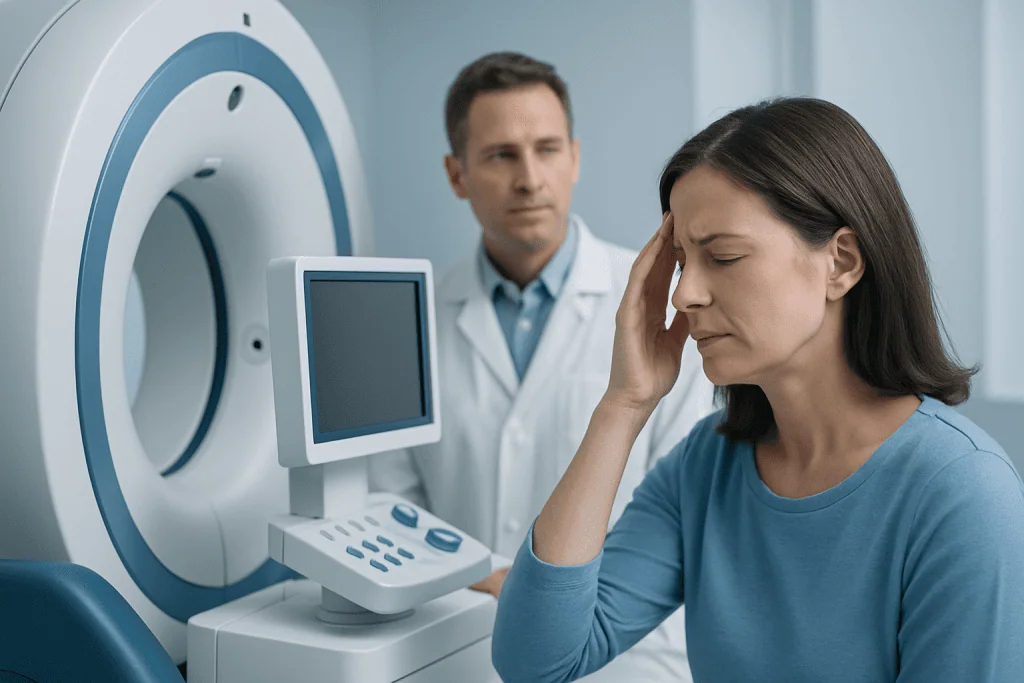
Migraine and stroke can both affect the nervous system, so some symptoms may look similar at first. Migraine aura may cause visual changes such as zigzag lines, blind spots, shimmering lights, or blurred vision. It can also lead to tingling in the face or hand, temporary numbness, trouble finding words, or a feeling of mental fog.
Stroke can also cause visual loss, numbness, speech problems, and weakness. The difference is often in how symptoms begin and how they evolve. Migraine aura usually builds gradually over several minutes and may move from one symptom to another, such as vision changes followed by tingling and then headache. Stroke symptoms often begin suddenly and reach maximum intensity quickly.
However, these patterns are not always easy to tell apart without medical evaluation. A person who has never had aura before, or who notices a very different pattern than usual, should seek urgent care. It is safer to assume stroke until a clinician determines otherwise.
- Symptoms that may overlap: visual disturbance, numbness, speech difficulty, dizziness, confusion
- Symptoms more suggestive of stroke: sudden one-sided weakness, facial droop, severe trouble speaking, loss of coordination, sudden vision loss
- Symptoms often associated with migraine: throbbing headache, light sensitivity, sound sensitivity, nausea, gradual spread of aura
Common Migraine Symptoms and Types
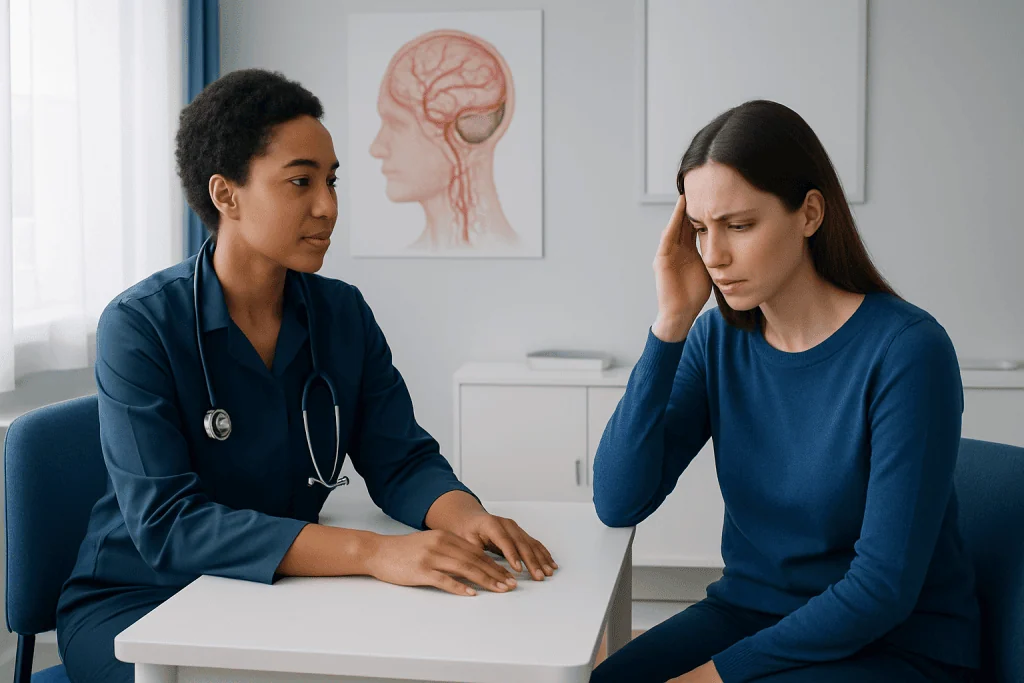
Migraine is more than a bad headache. Many people experience moderate to severe head pain, often throbbing and sometimes worse with movement. Nausea, vomiting, sensitivity to light, and sensitivity to sound are common. Some people prefer to rest in a dark, quiet room until the attack passes.
Not everyone has the same type of migraine. Migraine without aura is the most common form. Migraine with aura includes temporary neurological symptoms before or during the headache. There are also less common types, such as hemiplegic migraine, which can cause temporary weakness on one side of the body, and vestibular migraine, which may cause dizziness or balance problems.
Because migraine symptoms vary widely, recurrent attacks can sometimes be mistaken for other conditions. A careful assessment may be needed to distinguish migraine from other neurological causes of headache or from transient ischemic attacks and stroke. An accurate diagnosis helps guide safe treatment and reduces unnecessary worry.
Causes and Risk Factors
The exact cause of migraine is not fully understood, but genetics and brain sensitivity appear to play major roles. People with migraine often have a nervous system that responds differently to certain internal or environmental triggers. Changes in serotonin and other brain chemicals, altered pain signaling, and a phenomenon called cortical spreading depression are thought to contribute, especially in aura.
Many factors can trigger an attack in susceptible people. Common triggers include lack of sleep, stress, skipped meals, dehydration, hormonal changes, bright light, strong smells, and certain foods or drinks. Triggers differ from person to person, and not every exposure causes a migraine every time.
Some people also have vascular risk factors, such as high blood pressure, smoking, high cholesterol, or diabetes. These do not necessarily cause migraine, but they are important because they increase stroke risk. In a person with migraine, especially migraine with aura, controlling cardiovascular risk factors is a sensible part of overall care.
How Doctors Tell Migraine and Stroke Apart
Doctors begin with the story of the symptoms: when they started, how fast they developed, how long they lasted, whether they spread gradually, and whether similar attacks happened before. A neurological examination checks speech, strength, sensation, coordination, vision, and reflexes. This first assessment is essential in deciding whether urgent stroke evaluation is needed.
When symptoms are sudden, severe, new, or concerning, brain imaging may be recommended. This may include brain MRI or a CT scan to look for stroke, bleeding, or another structural cause. Some patients may also need blood tests, heart rhythm evaluation, or vascular imaging if the doctor suspects a blood vessel problem.
If a person has repeated attacks that fit a clear migraine pattern, diagnosis may rely mainly on clinical criteria. Still, any major change in symptoms deserves reassessment. In many centers, patients with possible acute stroke are evaluated rapidly through specialized services such as stroke treatment pathways to avoid delays when urgent care is needed.
Treatment Options for Migraine
Migraine treatment usually includes two approaches: relieving attacks when they happen and preventing future attacks. Acute treatment may involve rest, hydration, anti-nausea treatment, and migraine-specific or pain-relieving medicines chosen by a doctor. Early treatment often works better than waiting until symptoms become severe.
Preventive treatment may be considered when attacks are frequent, prolonged, disabling, or hard to control. Prevention can involve daily or periodic medications, trigger management, sleep improvement, stress reduction, and treatment of related conditions such as anxiety or poor sleep. The best plan depends on the person’s symptoms, medical history, and overall health.
Not every severe headache is migraine, and not every neurological symptom with headache is harmless. For patients with unusual, complicated, or difficult-to-control attacks, evaluation by neurology specialists can help clarify the diagnosis and discuss options, which may include neurology care and coordinated follow-up. Near the end of the care pathway, some international patients choose centers such as Acibadem International, where multidisciplinary specialists in JCI-accredited hospitals diagnose and treat migraine and stroke-related conditions.
Prevention, Self-care, and When to Seek Urgent Help
Self-care can make a meaningful difference for many people with migraine. Keeping regular sleep hours, eating meals on time, drinking enough fluids, limiting excess caffeine, and managing stress can reduce attacks. Some people also benefit from a headache diary to track triggers, timing, medications, and symptoms.
Preventive care should also include attention to stroke risk. Avoiding smoking, staying physically active, and managing blood pressure, cholesterol, and diabetes support overall brain and vascular health. People with migraine with aura should discuss contraceptive choices, hormone therapy, and personal vascular risk with their clinician, as these decisions may affect stroke risk in some individuals.
Urgent medical care is needed for sudden weakness, facial drooping, severe speech difficulty, sudden loss of vision, fainting, seizure, or the worst headache of a person’s life. Emergency assessment is also appropriate for a first-ever aura, an aura lasting much longer than usual, or a headache pattern that is clearly different from past migraines. When in doubt, it is safest to seek immediate evaluation.
Frequently asked questions
Is migraine a brain disorder or a blood vessel disorder?
Migraine is mainly considered a brain and nervous system disorder. Blood vessel changes can occur during attacks, but current understanding places abnormal nerve signaling and sensory processing at the center of the condition.
Can migraine aura look like a stroke?
Yes. Aura can cause visual symptoms, numbness, tingling, or speech difficulty that may resemble stroke. Because stroke is an emergency, sudden or unusual neurological symptoms should be assessed right away rather than assumed to be migraine.
How can someone tell the difference between migraine and stroke?
Migraine aura often develops gradually over minutes and may spread from one symptom to another. Stroke symptoms usually start suddenly and are often immediately severe, but the difference is not always obvious, so medical evaluation is important.
Does having migraine increase stroke risk?
Some people, especially those with migraine with aura, may have a slightly higher risk of stroke than people without migraine. The risk is influenced by other factors too, such as smoking, high blood pressure, and certain hormone-containing medications.
When should a person with migraine go to the emergency department?
Emergency care is important for sudden weakness, facial droop, trouble speaking, sudden vision loss, collapse, seizure, or a very sudden severe headache. It is also wise to seek urgent help if the symptoms are new, much stronger than usual, or different from previous migraine attacks.
Can migraine happen without a headache?
Yes. Some people experience aura without a significant headache, especially as they get older. Even so, a first episode of aura-like symptoms should be evaluated to rule out stroke or other neurological conditions.
References
- World Health Organization
- American Migraine Foundation
- National Institute of Neurological Disorders and Stroke
- American Heart Association
- International Headache Society
This article is for general information only and is not a substitute for professional medical advice. Please consult a qualified doctor about your individual situation.
Migraine in Turkey — costs, top hospitals & a free quote
JCI-accredited · board-certified surgeons · reply within 24h
Add us as a Preferred Source to see more of our trusted health content across Google Search, AI Overviews and Discover.

More from the Health Library



Related Specialists

Dt. Ayça Aydın Kilavuz
Oral & Dental Health
Assoc. Prof. Dr. Suna Yapalı
Gastroenterology
Dr. Kamuran Mutluay
Pediatrics
Prof. Dr. Alper Kaya
Orthopedic Surgery & Traumatology