Are Neurodegenerative Diseases Genetic or Hereditary?

A disease can be genetic without being inherited from a parent. Hereditary diseases are passed through families via genes.
Key Takeaways
- A disease can be genetic without being inherited from a parent.
- Hereditary diseases are passed through families via genes.
- Many neurodegenerative diseases have both genetic and non-genetic risk factors.
- A family history may increase risk, but it does not guarantee disease.
- Genetic counseling and testing may help some families understand risk and next steps.
Neurodegenerative diseases may be linked to genes, inherited within families, or arise without a clear hereditary pattern. Understanding the difference between genetic and hereditary causes can help patients and families make informed decisions about evaluation, risk, and care.
Overview: Genetic vs. Hereditary
Neurodegenerative diseases are conditions in which nerve cells in the brain, spinal cord, or peripheral nervous system gradually lose function over time. Examples include Alzheimer’s disease, Parkinson’s disease, Huntington’s disease, amyotrophic lateral sclerosis (ALS), and some forms of frontotemporal dementia. These conditions can affect movement, memory, thinking, behavior, speech, or daily functioning.
When people ask whether neurodegenerative diseases are genetic or hereditary, the answer is often: sometimes both, sometimes neither. A genetic condition involves changes in genes. A hereditary condition is specifically passed from parent to child through those genes. This means all hereditary conditions are genetic, but not all genetic conditions are hereditary.
For example, a person may develop a disease because of a new genetic change that was not present in either parent. In other cases, several genes may slightly raise risk without directly causing the disease. Many neurodegenerative diseases are considered complex, meaning they can develop through a combination of age, genetic susceptibility, lifestyle, and environmental influences.
Which Neurodegenerative Diseases Can Run in Families?
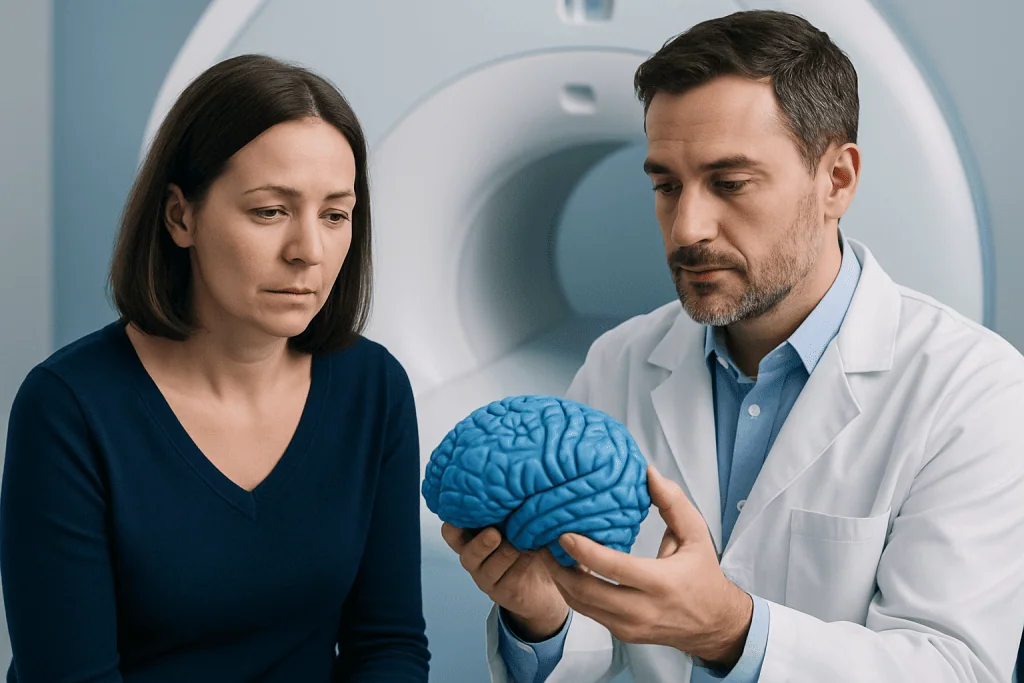
Some neurodegenerative diseases are well known for having inherited forms. Huntington’s disease is one of the clearest examples, because it is caused by a specific gene change that can be passed from one generation to the next. Certain forms of Alzheimer’s disease, Parkinson’s disease, frontotemporal dementia, and ALS may also occur in families, although inherited cases are less common than sporadic ones.
In many families, the inherited pattern is not simple or predictable without proper medical evaluation. A person may have a family history of memory loss or movement problems, but the exact diagnosis may not be clear. Different relatives may also show symptoms at different ages or with different severity, even when the underlying genetic factor is shared.
It is important to understand that having a relative with a neurodegenerative disease does not automatically mean another family member will develop the same condition. Risk may be increased, but inheritance depends on the specific disease, the type of gene variant involved, and whether the condition follows a dominant, recessive, or more complex pattern.
Clinicians may also distinguish between familial disease and sporadic disease. Familial means the condition appears in more than one family member and may suggest inherited risk. Sporadic means it occurs without a known family pattern. Both forms can be seen in disorders such as Alzheimer’s disease and Parkinson’s disease.
How Genes Influence Risk
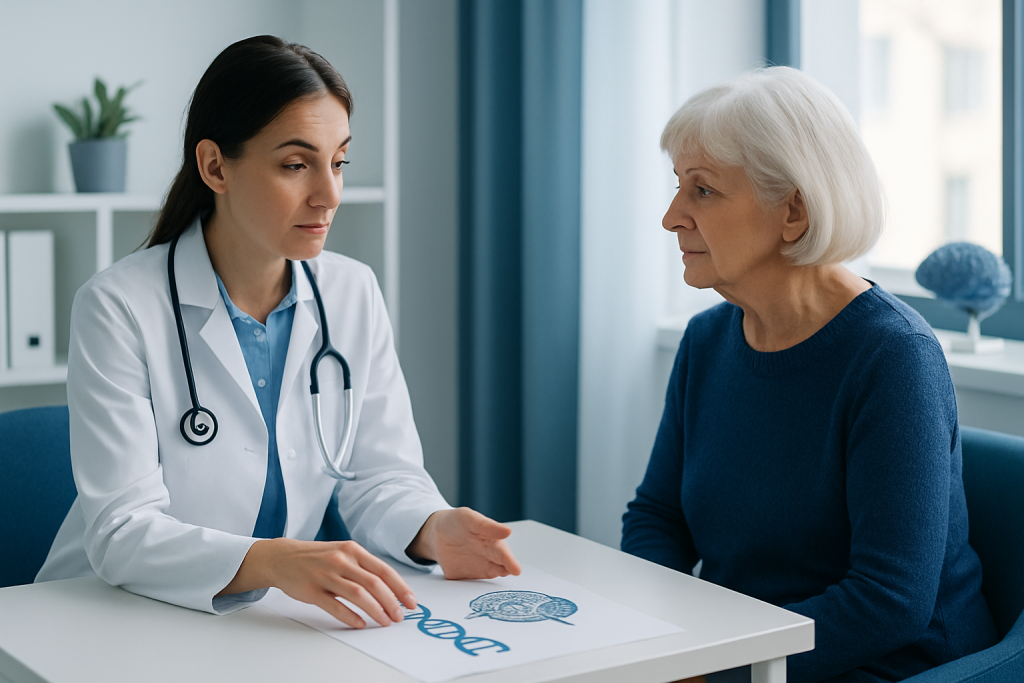
Genes can affect neurodegenerative disease in different ways. In some people, a single gene mutation strongly causes disease. These are often called monogenic or Mendelian forms. They are more likely to appear across generations and may begin at a younger age than more common forms of the same condition.
In many others, genes do not directly determine disease but instead influence susceptibility. A person may carry certain genetic variants that slightly increase the chance of developing a condition, especially when combined with aging or other factors. This is common in late-onset forms of Alzheimer’s disease and Parkinson’s disease.
Researchers also study how genes affect the body’s ability to handle abnormal proteins, inflammation, oxidative stress, and cell repair. Neurodegenerative diseases often involve a gradual buildup of damaged proteins or changes in how brain cells communicate. Genetic differences can make these processes more or less likely, but they do not always act alone.
Because of this complexity, the presence of a gene variant does not always predict what will happen. Some people with higher-risk genes never develop symptoms, while others without a known family history do. This is why genetic information should be interpreted with clinical findings, family history, and specialist advice.
Other Causes and Risk Factors
Not all neurodegenerative diseases are inherited. Age remains one of the strongest risk factors for many of these conditions, especially Alzheimer’s disease and Parkinson’s disease. As people grow older, natural changes in cells, blood vessels, and immune responses may increase vulnerability to nerve cell damage.
Environmental and lifestyle factors may also play a role, although they are not the sole cause in most cases. These may include head injury, vascular disease, poor sleep, long-term exposure to certain toxins, smoking, lack of physical activity, and other health conditions that affect the brain. Researchers continue to investigate how these factors interact with genetics over time.
Some neurodegenerative diseases are linked to a mix of inherited predisposition and non-genetic triggers. This means two people with similar genetic backgrounds may still have different outcomes. One may never develop disease, while the other may do so because of age, chance, or other medical factors.
For patients and families, this can feel uncertain, but it also means genes are only part of the story. A healthy lifestyle, regular medical follow-up, and attention to symptoms may still matter, even when there is a family history.
When Genetic Testing May Be Considered
Genetic testing is not necessary for every person with memory loss, tremor, or other neurological symptoms. It is usually considered when there is a strong family history, early onset disease, unusual clinical features, or a known mutation in the family. Testing can sometimes help confirm a diagnosis, clarify recurrence risk, or guide family planning decisions.
Before testing, many patients benefit from genetic counseling. A genetic counselor or neurologist can explain what the test may or may not show, how results could affect relatives, and what emotional or practical issues may arise. Some tests identify clearly disease-causing mutations, while others reveal variants of uncertain significance that are harder to interpret.
There are also important limits to testing. A negative result does not always rule out inherited risk, especially if the exact genetic cause in the family is unknown. Likewise, a positive result may not predict exactly when symptoms will begin or how severe they will be. For this reason, testing is most helpful when it is carefully targeted and discussed in context.
In specialist settings, evaluation may include a neurological examination, cognitive testing, imaging, and sometimes advanced laboratory or genetic analysis. Depending on symptoms, doctors may recommend neurology evaluation or brain MRI as part of a broader diagnostic approach.
Diagnosis and Treatment Planning
Diagnosing a neurodegenerative disease involves much more than asking whether it is hereditary. Doctors usually begin with a detailed medical history, family history, symptom timeline, medication review, and neurological examination. Additional tests may help distinguish neurodegenerative disease from other conditions that can mimic it, such as vitamin deficiencies, thyroid disorders, infections, sleep disorders, or structural brain problems.
Depending on the suspected condition, assessment may include blood tests, neuropsychological testing, brain imaging, and in some cases specialized biomarker or genetic studies. Early and accurate diagnosis can help patients access treatment, rehabilitation, safety planning, and support services sooner.
Treatment depends on the specific diagnosis. Some therapies aim to relieve symptoms such as tremor, stiffness, mood changes, sleep disturbance, or memory difficulties. Others focus on preserving function through physical therapy, speech therapy, occupational therapy, cognitive support, and management of overall health. In selected patients, deep brain stimulation may be considered for movement-related symptoms, while structured physical therapy and rehabilitation can support mobility and independence.
Near the end of the diagnostic journey, some international patients seek care at centers with multidisciplinary neurological expertise. Acibadem International’s JCI-accredited hospitals bring together specialists who diagnose and treat neurodegenerative conditions for patients traveling from abroad.
Living With Family Risk and Protecting Brain Health
People with a family history of neurodegenerative disease often worry about what they can control. While no lifestyle measure can fully prevent every condition, general brain-health habits are still worthwhile. Regular exercise, good sleep, social engagement, management of blood pressure and diabetes, a balanced diet, avoidance of smoking, and staying mentally active may support overall neurological health.
Keeping records of family diagnoses can also be helpful. If several relatives had dementia, Parkinsonism, ALS, or unexplained movement or behavior changes, sharing this information with a doctor may improve the evaluation. When possible, knowing the exact diagnosis in affected relatives is more useful than broad terms like “memory problems” or “old age decline.”
Emotional support matters too. Concerns about inherited disease can affect planning, relationships, and mental well-being. Some people prefer to know their genetic status, while others do not. There is no single right choice, and decisions should be made carefully with qualified guidance.
Anyone with new memory loss, persistent tremor, changes in walking, unusual behavior, weakness, speech changes, or decline in daily function should not assume it is simply hereditary or untreatable. Early medical assessment can identify the cause and may uncover treatable conditions or provide earlier support.
Frequently asked questions
Are all neurodegenerative diseases hereditary?
No. Some neurodegenerative diseases have inherited forms, but many cases happen without a clear family pattern. Age, environmental influences, and complex genetic factors can all contribute.
What is the difference between genetic and hereditary?
Genetic means a condition involves genes or changes in genes. Hereditary means those genetic changes are passed from parent to child. So a disease can be genetic without being inherited.
If a parent has a neurodegenerative disease, will their child get it too?
Not necessarily. The answer depends on the exact diagnosis and whether a known inherited mutation is involved. In many conditions, family history increases risk but does not make disease certain.
Should everyone with memory or movement symptoms have genetic testing?
No, not everyone needs genetic testing. It is usually most useful when symptoms begin early, multiple relatives are affected, or a specific inherited disorder is suspected. A neurologist or genetic counselor can help decide whether testing is appropriate.
Can genetic testing predict when symptoms will start?
Usually not with precision. For some inherited disorders, testing can confirm a mutation, but it often cannot predict the exact age of onset or severity. Results should be discussed with a specialist who can explain their meaning.
Can neurodegenerative diseases be prevented if they run in the family?
There is no guaranteed way to prevent every neurodegenerative disease, even when family risk is known. Still, healthy lifestyle habits and regular medical follow-up may support brain health and help identify symptoms early.
References
- World Health Organization
- National Institute on Aging
- National Institute of Neurological Disorders and Stroke
- Alzheimer's Association
- MedlinePlus
This article is for general information only and is not a substitute for professional medical advice. Please consult a qualified doctor about your individual situation.
Neurodegenerative Diseases in Turkey — costs, top hospitals & a free quote
JCI-accredited · board-certified surgeons · reply within 24h
Add us as a Preferred Source to see more of our trusted health content across Google Search, AI Overviews and Discover.

Physical Medicine & Rehabilitation
Restoring movement and function after injury, surgery or neurological conditions.
150 specialists in this unit