Are Painful Periods a Sign of Good Fertility? A Doctor-Reviewed Answer

Common menstrual cramps do not predict whether a person is fertile or infertile. Primary dysmenorrhea, or menstrual cramps without an underlying pelvic condition, is common and usually does not affect fertility.
Key Takeaways
- Common menstrual cramps do not predict whether a person is fertile or infertile.
- Primary dysmenorrhea, or menstrual cramps without an underlying pelvic condition, is common and usually does not affect fertility.
- Severe or newly changing period pain can be linked with conditions such as endometriosis, adenomyosis, fibroids, or pelvic infection.
- A clinician can assess symptoms, medical history, examination findings, and imaging to identify possible causes.
- Prompt evaluation is especially important when pain interferes with daily life, occurs between periods, or is accompanied by difficulty conceiving.
Painful periods are not a sign of good fertility, nor do they automatically mean that someone will have trouble becoming pregnant. Mild to moderate cramps are very common, but severe, worsening, or disruptive pain can sometimes be associated with conditions that may affect fertility and deserve medical assessment.
The short answer: period pain does not measure fertility
Are painful periods a sign of good fertility? No. Menstrual pain is not a reliable indicator of whether a person can become pregnant, and having cramps does not mean the reproductive system is working better than usual.
For many people, cramps are a normal part of the menstrual cycle. The uterus naturally contracts to shed its lining, and chemicals called prostaglandins can make those contractions stronger and more uncomfortable. This common type of pain is usually harmless and does not itself reduce fertility.
However, very painful, worsening, or unusual periods should not simply be accepted as something a person must endure. In some cases, pelvic pain is related to an underlying gynecological condition. Several of these conditions can affect fertility for some people, although many individuals with them can still conceive with appropriate support and care.
Why menstrual cramps happen
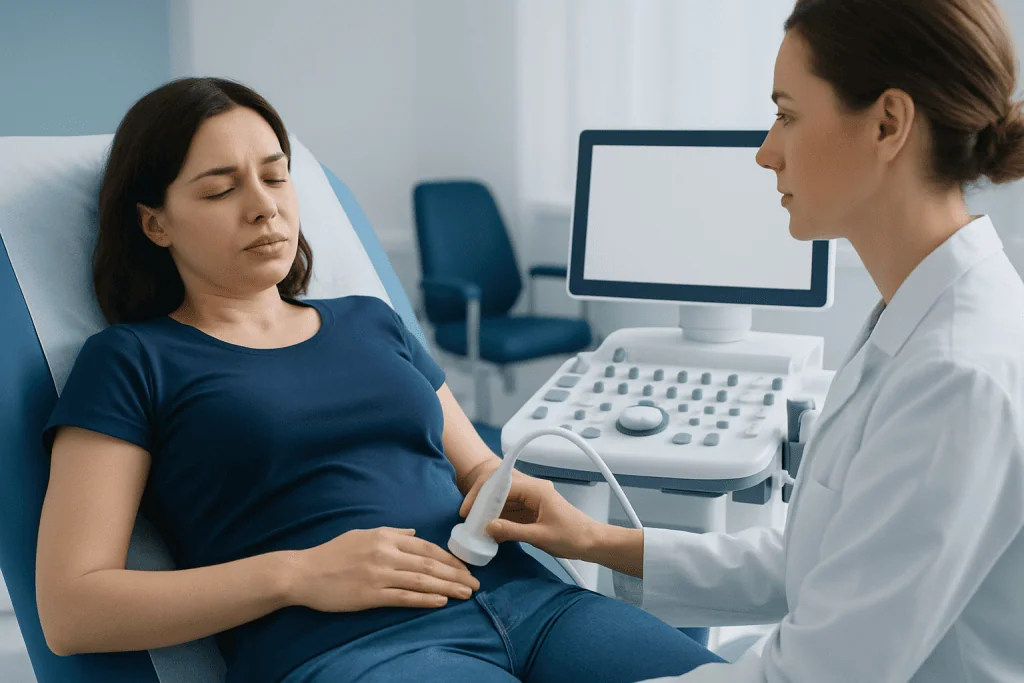
Menstrual cramps are medically called dysmenorrhea. They often feel like aching, pressure, or cramping low in the abdomen and may spread to the lower back or thighs. Some people also experience nausea, loose stools, headache, fatigue, or dizziness around the start of a period.
Primary dysmenorrhea refers to period pain that occurs without another pelvic disease causing it. It often begins in the first few years after periods start and commonly improves after the first day or two of bleeding. Higher prostaglandin activity is considered an important reason for this pain.
Secondary dysmenorrhea means that a health condition is contributing to the pain. It may begin later in life, become progressively more intense, last beyond the menstrual period, or occur with other symptoms. The distinction matters because secondary dysmenorrhea may need targeted treatment, rather than only relief of cramps.
When pain can be related to fertility concerns
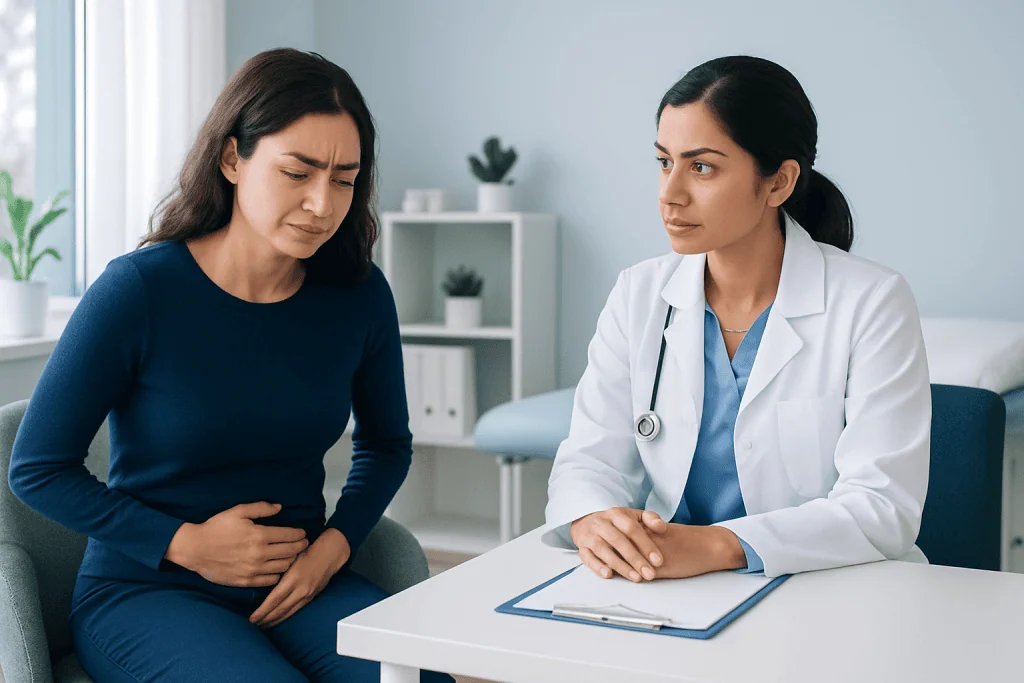
Most people with period cramps do not have infertility. Still, certain conditions that cause painful periods can sometimes make it more difficult to conceive. Pain alone cannot diagnose these conditions or predict a person’s chance of pregnancy.
Endometriosis occurs when tissue similar to the uterine lining grows outside the uterus. It may cause severe cramps, pain during or after sex, bowel or bladder symptoms around menstruation, and pelvic pain outside periods. Endometriosis is associated with reduced fertility in some people, but the degree of impact varies widely and pregnancy remains possible for many.
Adenomyosis, uterine fibroids, and pelvic inflammatory disease may also contribute to painful or heavy periods. Fibroids are noncancerous growths in or around the uterus; depending on their size and location, some may affect pregnancy or fertility. Pelvic inflammatory disease can lead to scarring of the fallopian tubes, particularly if untreated. Other causes of pelvic pain, including ovarian cysts or gastrointestinal conditions, may also need consideration.
It is equally important to remember that infertility can occur without painful periods, and many people with severe cramps have no fertility problem. Fertility depends on multiple factors, including age, ovulation, fallopian tube function, sperm factors, the uterus, and timing of intercourse.
Symptoms that deserve closer medical review
It is sensible to arrange a gynecological review when menstrual pain regularly prevents work, school, sleep, exercise, or normal activities, especially if nonprescription measures no longer help. Pain is personal, and someone does not need to wait until symptoms feel unbearable before asking for support.
Other signs that can suggest secondary dysmenorrhea include pain that is getting worse over time, cramps that start well before bleeding and continue after it ends, unusually heavy or irregular bleeding, bleeding between periods, or pain during sex. Ongoing pelvic, bowel, or urinary pain that seems to follow the menstrual cycle can also be relevant.
For people trying to conceive, an assessment is appropriate after 12 months of regular unprotected sex without pregnancy if they are under 35, or after 6 months if they are 35 or older. Earlier advice may be appropriate for people with very irregular or absent periods, known pelvic disease, prior pelvic infection or surgery, or a partner with possible fertility concerns.
- Seek urgent medical care for sudden severe pelvic pain, fainting, fever, vomiting that does not settle, or very heavy bleeding.
- Urgent assessment is also needed for pain or bleeding during pregnancy, as ectopic pregnancy and other pregnancy-related concerns must be excluded.
How a doctor investigates painful periods
A clinician usually begins by asking about the pattern of pain, menstrual bleeding, sexual health, pregnancy plans, medicines, and any family history of endometriosis or fibroids. Keeping a symptom diary for two or three cycles can be useful. It may record when pain starts, how long it lasts, bleeding changes, associated symptoms, and what improves or worsens discomfort.
A pelvic examination may be recommended when appropriate and with the patient’s consent. This can help assess tenderness, enlargement of the uterus, pelvic masses, or other findings. For adolescents or people who do not need an internal examination, the approach can be adapted to the individual’s symptoms and circumstances.
Pelvic ultrasound is often used to look for fibroids, ovarian cysts, or signs of adenomyosis. Ultrasound cannot reliably rule out endometriosis, especially small or superficial areas of disease. Depending on symptoms, a doctor may recommend blood tests, testing for sexually transmitted infections, magnetic resonance imaging, or referral to a gynecologist.
If fertility is a concern, assessment should usually involve both partners when applicable. Testing may include confirmation of ovulation, semen analysis, and evaluation of the uterus and fallopian tubes. A laparoscopy, a minimally invasive surgical procedure, is considered only in selected situations, such as when symptoms and other findings strongly suggest endometriosis or another pelvic condition.
Managing period pain while protecting reproductive health
Management depends on the likely cause, symptom severity, personal preferences, and whether pregnancy is desired now. For primary dysmenorrhea, anti-inflammatory pain medicines may reduce prostaglandin-related cramping when they are safe for the individual. A pharmacist or clinician can advise on suitable options, particularly for people with stomach ulcers, kidney disease, bleeding disorders, asthma affected by these medicines, or other health conditions.
Heat therapy, such as a warm bath or heating pad used safely, may ease cramping. Gentle movement, adequate rest, regular meals, and stress-management practices can also support comfort for some people. These measures are not a substitute for evaluation when pain is severe or changing, but they can be helpful alongside medical care.
Hormonal contraception is sometimes used to reduce cramps, heavy bleeding, and symptoms linked to endometriosis. It prevents pregnancy while being used but does not usually cause permanent infertility. For people hoping to conceive soon, a clinician can discuss non-contraceptive pain strategies and investigate potential causes without unnecessary delay.
Treatment for secondary dysmenorrhea may involve hormonal medicines, treatment of infection, procedures for certain fibroids or cysts, or surgery in selected cases. The aim is to relieve symptoms, address the underlying condition where possible, and consider the person’s reproductive goals in every decision.
When to seek medical care
A routine appointment is recommended for recurring menstrual pain that is difficult to manage, has changed from a person’s usual pattern, or causes missed responsibilities. It is also appropriate to seek advice for heavy bleeding, pain during sex, pain between periods, or concerns about becoming pregnant.
Medical review can be reassuring even when no underlying condition is found. It gives a person the opportunity to discuss symptom relief and to make a plan that fits their medical history and future pregnancy plans. Early assessment may help identify treatable causes before symptoms have a major effect on quality of life.
Acibadem International’s multidisciplinary specialists and JCI-accredited hospitals evaluate painful periods and related reproductive health concerns for international patients. A gynecologist can help determine whether cramps are consistent with primary dysmenorrhea or whether further assessment is appropriate.
Frequently asked questions
Can painful periods mean that ovulation is happening?
Period cramps do not reliably confirm that ovulation has occurred. Cramps are mainly related to uterine contractions and prostaglandins during menstruation. A clinician can suggest appropriate methods to assess ovulation when this is a concern.
Do painful periods make pregnancy more difficult?
Common menstrual cramps alone do not make pregnancy more difficult. However, an underlying cause such as endometriosis, pelvic inflammatory disease, or some fibroids may affect fertility in some people. Evaluation is useful when pain is severe, progressive, or accompanied by difficulty conceiving.
Is it normal for period pain to get worse with age?
A change in menstrual pain is worth discussing with a healthcare professional. While symptoms can fluctuate at different life stages, pain that becomes more severe or develops after years of mild periods can sometimes indicate secondary dysmenorrhea. Assessment can help identify whether a treatable cause is present.
Can endometriosis be present if an ultrasound is normal?
Yes. Ultrasound can detect some related findings, such as ovarian endometriomas, but it may not show all forms of endometriosis. A doctor considers the full symptom pattern, examination, imaging, and reproductive goals when deciding on next steps.
Should someone stop taking pain relief while trying to conceive?
Not necessarily, but medication choices should be discussed with a clinician or pharmacist when pregnancy is possible or planned. Some pain medicines may be suitable at certain times, while others may not be recommended around ovulation or in early pregnancy. Individual advice is important.
When should someone seek urgent help for period pain?
Urgent care is needed for sudden severe pelvic pain, fainting, fever, persistent vomiting, or exceptionally heavy bleeding. Pain or bleeding in a person who may be pregnant also needs prompt assessment. These symptoms may have causes other than ordinary menstrual cramps.
This article is for general information only and is not a substitute for professional medical advice. Please consult a qualified doctor about your individual situation.
IVF & fertility treatment in Turkey — success rates and costs
JCI-accredited · board-certified surgeons · reply within 24h
Add us as a Preferred Source to see more of our trusted health content across Google Search, AI Overviews and Discover.
Check your numbers in seconds
BMI, calories, due date, blood pressure and 30+ more clinical calculators — free, instant, doctor-reviewed ranges.

More from the Health Library
Ear Ache and Pain: Common Causes, Related Conditions, and When to See a Doctor

What Is Deja Vu? Causes, Explanations, and Next Steps

What Does an Ingrown Hair Look Like? A Doctor-Reviewed Answer

Does Green Tea Have Caffeine? A Doctor-Reviewed Answer
Why Is My Period Lasting So Long? A Doctor-Reviewed Answer