

Why Is My Period Lasting So Long? A Doctor-Reviewed Answer

Periods can vary, and a one-time longer bleed is often not an emergency. Common causes include hormone fluctuations, fibroids, polyps, birth control changes, and early pregnancy-related issues.
Key Takeaways
- Periods can vary, and a one-time longer bleed is often not an emergency.
- Common causes include hormone fluctuations, fibroids, polyps, birth control changes, and early pregnancy-related issues.
- Heavy bleeding, clots, severe pain, dizziness, or bleeding lasting more than about a week deserve prompt medical attention.
- Doctors usually assess symptoms, medical history, pregnancy status, blood tests, and sometimes pelvic ultrasound.
- Treatment depends on the cause and may include watchful waiting, medication, hormonal therapy, or procedures.
A period that lasts longer than usual is often caused by temporary hormone changes and may settle on its own. However, bleeding that is very heavy, keeps happening, or comes with pain, dizziness, or bleeding between periods should be medically reviewed.
Overview: Why a Period May Last Longer Than Expected
If someone is asking, why is my period lasting so long, the answer is often reassuring: many longer periods are linked to temporary hormone shifts and are not dangerous. Stress, recent changes in contraception, illness, weight changes, or the natural transition around the first few years after periods begin or before menopause can all affect bleeding patterns.
At the same time, a long period should not be ignored if it is unusually heavy, keeps recurring, or is very different from that person’s usual cycle. Doctors think about the pattern of bleeding, not just the number of days. A light period that lingers may have a different explanation from a period that soaks pads every hour or causes weakness and shortness of breath.
In general, menstrual bleeding that lasts more than about 7 days, happens very often, or occurs between periods may be considered abnormal uterine bleeding. This is a symptom rather than a diagnosis. The next step is to identify whether the cause is hormonal, structural, pregnancy-related, medication-related, or part of another medical condition.
What Counts as a Long or Abnormal Period?
A typical menstrual period often lasts around 2 to 7 days, but normal cycles vary from person to person. What matters most is a change from the usual pattern. Someone who usually bleeds for 4 days and suddenly bleeds for 9 days may need evaluation, even if the flow is not extremely heavy.
Doctors often look for signs that the bleeding is outside the usual range. These include soaking through pads or tampons much faster than normal, passing large clots, bleeding again soon after a period ends, or spotting between periods. Bleeding after sex or after menopause also needs prompt medical assessment.
Helpful signs to track include:
- How many days the bleeding lasts
- Whether the flow is light, moderate, or heavy
- How often pads or tampons need changing
- Any clots, pelvic pain, fever, or unusual discharge
- Whether there is fatigue, dizziness, or shortness of breath
- Any chance of pregnancy or recent birth control changes
Common Causes of Prolonged Menstrual Bleeding

Hormone fluctuations are among the most common reasons for prolonged bleeding. When ovulation does not happen regularly, the lining of the uterus can build up unevenly and shed in a prolonged or unpredictable way. This may happen during adolescence, around perimenopause, after major stress, or with conditions that affect hormones and metabolism.
Structural changes in the uterus can also lead to longer periods. These include uterine fibroids, endometrial polyps, and adenomyosis. Fibroids and polyps can increase the surface area of the uterine lining or interfere with normal contraction of the uterus, which can make bleeding last longer or feel heavier. Some people with longer periods are later found to have uterine fibroids.
Contraception may play a role too. Hormonal methods such as pills, implants, injections, or hormonal intrauterine devices can cause irregular bleeding, especially in the first months of use. Copper intrauterine devices may make periods heavier or longer in some people. Stopping hormonal contraception can also temporarily change cycle length and flow.
Other causes include early pregnancy-related bleeding, miscarriage, thyroid disease, bleeding disorders, pelvic infection, medicines that affect clotting, and less commonly precancerous or cancerous changes of the uterine lining or cervix. For this reason, ongoing abnormal bleeding should be checked rather than assumed to be normal.
Clues That Help Narrow Down the Cause
The details of the bleeding often give doctors important clues. A long but light period may suggest hormonal imbalance or a birth control effect. A very heavy period with pressure symptoms or pelvic fullness can point toward fibroids. Bleeding with cramping and back pain may occur with miscarriage, adenomyosis, or other gynecologic conditions.
Age also matters. In teenagers, irregular ovulation is a frequent reason for prolonged bleeding, though a bleeding disorder may also be considered if periods have been heavy from the beginning. In adults of reproductive age, pregnancy-related causes, fibroids, polyps, and endocrine problems become more likely. In perimenopause, cycle changes are common, but persistent abnormal bleeding still needs evaluation.
Associated symptoms help guide urgency. Severe pain, fever, foul-smelling discharge, pain during sex, or bleeding after sex may suggest infection or a cervical problem. Fatigue, pale skin, headaches, dizziness, or rapid heartbeat can signal iron deficiency or anemia from blood loss.
A symptom diary can make a consultation more productive. Recording start and stop dates, flow level, pain, medications, contraception, and pregnancy risk helps a doctor decide which tests are most useful and whether urgent treatment is needed.
How Doctors Diagnose a Long-Lasting Period
Medical evaluation usually starts with a detailed history. A doctor will ask how long the bleeding has lasted, how heavy it is, whether there is pain or bleeding between periods, and whether there has been any change in contraception, sexual activity, stress, weight, or medications. A pregnancy test is commonly done when relevant, because pregnancy-related bleeding can sometimes look like an unusually long period.
A physical and pelvic examination may be recommended, depending on age, symptoms, and sexual history. Blood tests often include a complete blood count to check for anemia, and may include thyroid testing or other hormone-related tests when appropriate. If heavy bleeding has been lifelong or there is easy bruising, clotting disorders may also be considered.
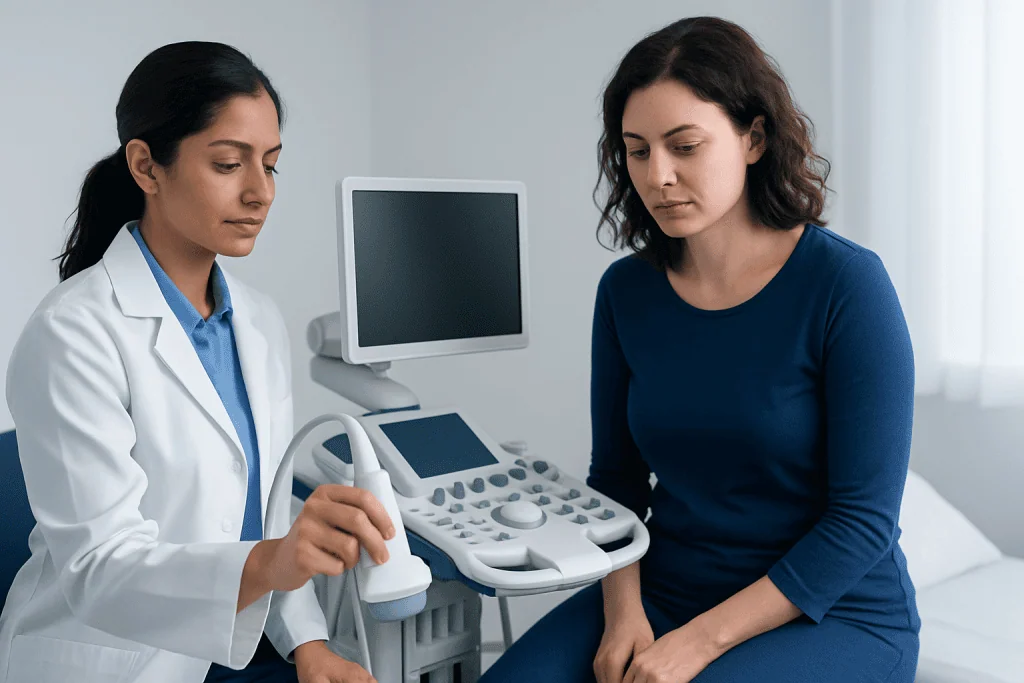
Imaging is often helpful when a structural cause is suspected. A pelvic ultrasound is commonly used to look for fibroids, polyps, ovarian cysts, or signs of adenomyosis. In some situations, doctors may recommend further assessment of the uterine lining, especially if the person is over a certain age, has risk factors for endometrial problems, or has persistent abnormal bleeding.
If symptoms suggest a condition such as endometriosis or fibroids, diagnosis may involve a gynecologist and a more individualized plan. In specialized centers, evaluation may include advanced imaging and targeted gynecologic assessment. Acibadem International’s multidisciplinary specialists and JCI-accredited hospitals also diagnose and treat these conditions for international patients.
Treatment Options for a Period That Lasts Too Long
Treatment depends entirely on the cause, the person’s age, whether pregnancy is possible, the severity of bleeding, and future fertility plans. If a one-time longer period is mild and there are no warning signs, a doctor may recommend monitoring while tracking symptoms. However, treatment is more likely when bleeding is heavy, recurrent, or causing anemia.
Medications may include non-hormonal options to reduce blood loss, iron supplementation when iron deficiency is present, or hormonal treatments to regulate the cycle and stabilize the uterine lining. Depending on the situation, a doctor may discuss combined hormonal contraception, progesterone-based treatments, or other prescription therapies. Any medication choice should be individualized and guided by a clinician.
When a structural problem such as fibroids or polyps is found, procedural treatment may be considered. This could include office-based or surgical removal of polyps, fibroid-focused treatment, or procedures to address the uterine lining in selected patients. For some people, evaluation and management may involve myomectomy or hysteroscopy if a specialist confirms that those options are appropriate.
If prolonged bleeding is linked to another condition, treating that underlying issue is important. For example, thyroid disease, pelvic infection, or a bleeding disorder may each require a different approach. In selected complex cases, specialists may also discuss uterine fibroid embolization or other tailored options after imaging and gynecologic review.
Self-Care and Practical Steps at Home
While waiting for medical advice, it can help to track bleeding carefully. A phone app or simple calendar can record the number of days, amount of flow, clots, pain, and any related symptoms. This information often helps a doctor identify patterns more quickly than memory alone.
It is also sensible to pay attention to hydration, rest, and signs of anemia. If bleeding has been heavier than usual, a person may feel unusually tired or lightheaded. Eating iron-rich foods may support recovery, but diet alone may not correct significant iron loss, so professional advice is important if symptoms are developing.
Avoiding assumptions is important. Starting over-the-counter medicines or supplements without guidance may not help and could complicate symptoms, especially if there is a possibility of pregnancy or an undiagnosed bleeding disorder. A qualified doctor can advise whether supportive treatment is enough or whether testing is needed.
People using hormonal birth control should not stop or switch it solely because of prolonged bleeding without asking their clinician, unless they have been specifically instructed to do so. Bleeding changes are common after starting or changing contraception, but the pattern still needs review if it is heavy, prolonged, or troubling.
When to Seek Medical Care
A longer-than-usual period should be assessed promptly if it lasts more than about 7 days, keeps returning, or is accompanied by symptoms such as severe cramps, pelvic pain, faintness, shortness of breath, fever, or bleeding between periods. Medical review is also important if there is any chance of pregnancy, especially if bleeding comes with pain or tissue passage.
Urgent care is needed if bleeding is very heavy, such as soaking through pads or tampons rapidly for several hours, causing marked weakness, or leading to dizziness or near-fainting. These signs can indicate significant blood loss and should not be managed at home alone.
People should also arrange a doctor visit if they notice bleeding after sex, after menopause, or if prolonged periods are becoming a pattern rather than a one-time change. Although many causes are treatable and not serious, persistent abnormal bleeding is best evaluated early so that anemia, hormone disorders, fibroids, polyps, and more serious conditions are not missed.
Frequently asked questions
Is it normal for a period to last more than 7 days?
A one-time longer period can happen and is not always a sign of a serious problem. But bleeding that lasts more than about 7 days, especially if it is heavy or keeps recurring, should be discussed with a doctor.
Can stress make a period last longer?
Yes, stress can affect hormone signals that regulate ovulation and the menstrual cycle. This may lead to delayed, irregular, or prolonged bleeding in some people.
Should a pregnancy test be done if a period seems unusually long?
If pregnancy is possible, a pregnancy test is often an important early step. Some pregnancy-related bleeding can be mistaken for a long or unusual period, so it is best not to guess.
Can birth control cause a long period?
Yes, starting, stopping, or changing hormonal contraception can cause irregular or prolonged bleeding, especially in the first few months. Copper intrauterine devices may also make bleeding heavier or longer for some people.
What tests might a doctor order for prolonged menstrual bleeding?
Doctors often start with a symptom history, pregnancy testing when relevant, and blood tests to check for anemia or hormone-related problems. A pelvic ultrasound is commonly used if fibroids, polyps, or other uterine causes are suspected.
When is a long period considered an emergency?
It may be urgent if the bleeding is very heavy, causes dizziness, fainting, chest symptoms, severe weakness, or severe pain. Bleeding during possible pregnancy, especially with one-sided pain or tissue passage, also needs prompt medical care.
This article is for general information only and is not a substitute for professional medical advice. Please consult a qualified doctor about your individual situation.
Explore treatments in Turkey — costs, top hospitals & a free quote
JCI-accredited · board-certified surgeons · reply within 24h
Add us as a Preferred Source to see more of our trusted health content across Google Search, AI Overviews and Discover.
Check your numbers in seconds
BMI, calories, due date, blood pressure and 30+ more clinical calculators — free, instant, doctor-reviewed ranges.

More from the Health Library

Is Quinoa Gluten Free? Here Is What the Evidence Says

Signs of Tubes Growing Back Together: Common Causes, Related Conditions, and When to See a Doctor

Does Bipolar Disorder Get Worse With Age?

Sore Throat and Headache: Possible Causes and When to Seek Care

Back Ache Menstruation Explained: Common Triggers and Red Flags

Upper Arm Pain: Common Causes, Related Conditions, and When to See a Doctor
Gynecology & Obstetrics Specialists at Acibadem

Dr. Aylin Tatlıadım
Gynecology & Obstetrics
Dr. Ayşe Dişli Gürler
Gynecology & Obstetrics
Dr. Aysel Özkaynak
Gynecology & Obstetrics
Dr. Baha Celal Doğan
Gynecology & Obstetrics