Arm lift Risks & Side Effects Explained by Surgeons

An arm lift, also called brachioplasty, removes excess skin and sometimes fat from the upper arms. Scarring is expected because skin removal requires an incision, although scars often fade over time.
Key Takeaways
- An arm lift, also called brachioplasty, removes excess skin and sometimes fat from the upper arms.
- Scarring is expected because skin removal requires an incision, although scars often fade over time.
- Most early side effects, such as bruising, swelling, tightness and numbness, improve during recovery.
- Smoking, unstable weight, certain health conditions and poor wound healing can increase complication risks.
- Prompt medical assessment is important for symptoms such as worsening pain, fever, spreading redness, shortness of breath or one-sided leg swelling.
Arm lift risks are usually manageable but can include visible scars, swelling, bruising, wound-healing problems, infection, fluid collections and changes in skin sensation. A consultation with a qualified plastic surgeon helps a person understand their individual risks, expected recovery and whether brachioplasty is appropriate for their goals.
Overview: What Are Arm Lift Risks?
An arm lift, medically called brachioplasty, is a surgical procedure that reshapes the upper arm by removing loose skin and, in some cases, excess fatty tissue. Arm lift risks include expected temporary effects such as swelling, bruising, tightness and altered sensation, as well as less common complications including bleeding, infection, fluid buildup, delayed healing, noticeable scarring and blood clots.
For many people, the most lasting trade-off is a scar along the inner or back portion of the upper arm. A skilled surgical plan, realistic expectations, good health preparation and careful aftercare can help reduce risks, but no surgery is entirely risk-free. The dedicated arm lift treatment page provides an overview of the procedure itself and may help patients prepare for a consultation.
This article explains safety considerations in practical terms. It cannot determine an individual’s suitability; that requires an in-person assessment by a qualified plastic surgeon who can review medical history, medications, skin quality and personal goals.
How an Arm Lift Works and Who May Be a Candidate
Arm lift surgery is designed for people with significant upper-arm skin laxity, often following major weight loss or age-related changes in skin elasticity. Liposuction may be used alongside skin removal when there is excess fat and the skin is able to retract appropriately. When loose skin is the main concern, liposuction alone generally cannot provide the same tightening effect.
The surgeon places incisions in locations chosen to balance access for contouring with scar placement. Depending on the degree of looseness, an incision may be limited to the armpit area or extend from the armpit toward the elbow. The surgeon removes excess skin, may reshape underlying tissue, and closes the incision with sutures.
Suitable candidates are generally in stable overall health, near a sustainable body weight and able to stop smoking or nicotine use before and after surgery as advised. They should understand that an arm lift improves contour but does not guarantee perfect symmetry or eliminate all skin irregularity. Pregnancy plans, substantial expected weight changes, uncontrolled diabetes, clotting disorders and some medications may affect timing or suitability.
- Stable weight supports a more predictable contour and longer-lasting result.
- Good nutritional status supports healing, particularly after significant weight loss.
- People who smoke or use nicotine products have a higher risk of wound-healing problems.
- Open discussion of prior surgery, allergies, prescriptions and supplements is essential for safety.
What Happens During the Procedure

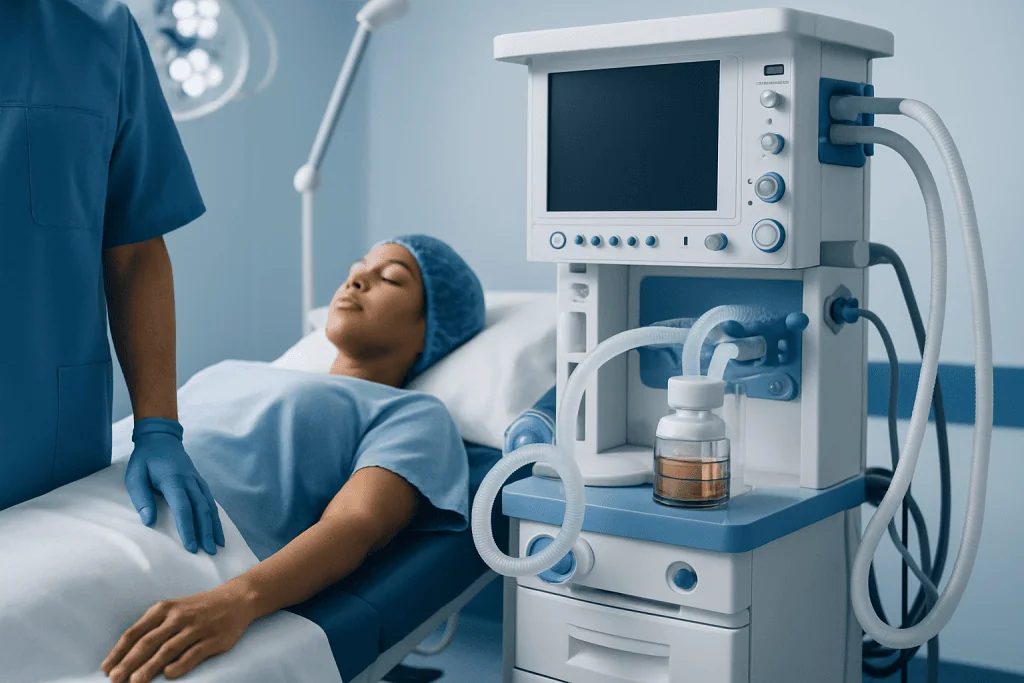
Before surgery, the plastic surgeon marks the planned incisions while the patient is standing, reviews the surgical approach and confirms consent. Arm lift surgery is usually performed under general anesthesia, although the anesthesia plan depends on the extent of surgery, associated procedures and the patient’s health needs.
During the operation, the surgeon makes the planned incision, removes excess skin and may remove or redistribute fat when appropriate. The remaining skin is carefully redraped and sutured. Some patients have temporary drains placed to reduce fluid accumulation, while others do not require them. Dressings and compression garments may be used to support the tissues and limit swelling.
After the procedure, patients are monitored as anesthesia wears off and receive instructions about pain control, wound care, compression, bathing, sleeping positions, arm movement and follow-up visits. A responsible adult may be needed to assist during the first day or days at home, depending on the individual’s recovery plan.
Common Side Effects and Recovery Timeline
Early arm lift side effects are common and usually temporary. These can include swelling, bruising, soreness, a pulling or tight feeling in the arms, fatigue, numbness or tingling near the incision, and temporary limits in arm movement. Swelling may make the arms appear uneven in the first weeks and can take several months to settle fully.
Many patients can perform light daily activities within a short period, but recovery varies with the extent of surgery and whether other procedures were performed at the same time. Lifting, pushing, pulling and vigorous arm exercise are usually restricted initially because these actions can strain healing incisions. The surgeon will give individualized guidance on returning to work, driving, exercise and other activities.
Scars are a normal result of an arm lift. They may initially look red, raised, firm or itchy, then usually soften and fade gradually over many months. Scar care may include sun protection and, when recommended by the surgeon, silicone-based products or other approaches. Genetics, skin tone, incision healing and tension on the scar all influence its final appearance.
Follow-up appointments are an important part of recovery. They allow the surgical team to monitor healing, remove drains or sutures if needed, identify complications early and adjust activity recommendations. Patients should follow their own surgeon’s instructions rather than comparing their progress with another person’s recovery.
Potential Complications and Factors That Raise Risk
Although serious complications are uncommon, patients should understand them before choosing surgery. Potential complications include bleeding or a hematoma (a collection of blood), infection, seroma (a pocket of fluid), poor wound healing, separation of the incision, unfavorable scarring, skin contour irregularities, persistent numbness, nerve injury, asymmetry and the possible need for revision surgery.
All operations involving anesthesia and reduced mobility carry a small risk of venous thromboembolism, which includes deep vein thrombosis and pulmonary embolism. Surgical teams assess this risk before surgery and may use measures such as early walking, compression devices or medication when appropriate. Anesthesia reactions are also possible, though preoperative assessment helps the team plan safely.
Risk may be higher in people who smoke or use nicotine, have diabetes that is not well controlled, have vascular disease, have a history of clotting problems, take medicines that affect bleeding, have poor nutrition, or undergo a combined or longer operation. Significant weight fluctuations after surgery can affect the result and may contribute to renewed skin laxity.
Clear communication improves safety. Patients should disclose all medicines, vitamins, herbal products, alcohol or recreational drug use, allergies and previous surgical complications. They should not stop prescribed medicines without advice from the clinician who manages them and the surgical team.
Benefits, Limitations and Safer Preparation
The potential benefit of brachioplasty is a smoother, firmer upper-arm contour with less hanging skin. Some people find that clothing fits more comfortably or that skin rubbing and irritation are reduced. The procedure may also improve confidence for individuals whose loose skin has remained despite stable weight and exercise.
However, an arm lift is not a weight-loss procedure and cannot prevent natural aging or future changes from weight gain, weight loss or pregnancy. It also cannot promise complete symmetry. Patients generally make more informed decisions when they consider the likely benefit alongside the expected scar, recovery period and possibility of complications.
Preparation may reduce avoidable risks. This commonly includes attending preoperative assessment, maintaining a stable weight, arranging help during early recovery, following nutrition advice, avoiding nicotine, and discussing any need to adjust medicines with the relevant clinicians. After surgery, attending follow-up visits, protecting the incision from strain and avoiding sun exposure on scars are important parts of care.
Acibadem International’s multidisciplinary specialists and JCI-accredited hospitals assess and treat international patients seeking arm lift surgery, with treatment planning based on individual health needs and informed consent.
When to Seek Medical Care
Patients should contact their surgeon promptly if they develop increasing rather than improving pain, rapidly expanding swelling, persistent bleeding, drainage with a bad odor, new warmth or spreading redness around an incision, or a fever. These signs do not always mean a serious complication, but they need timely assessment.
Urgent medical care is needed for chest pain, shortness of breath, coughing blood, fainting, sudden confusion, or painful swelling and redness in one leg. These symptoms can have several causes, including rare but serious clot-related complications, and should not be managed at home.
It is also sensible to seek medical advice if an incision opens, a drain stops working unexpectedly, a dressing becomes soaked, or there is concern about an allergic reaction to medication. Following the post-operative contact plan and asking questions early can support a safer, more reassuring recovery.
Frequently asked questions
Is an arm lift a high-risk operation?
For a healthy, appropriately selected patient, arm lift surgery is generally considered an elective procedure with risks that can be assessed and managed. However, it is still major surgery involving anesthesia, incisions and a recovery period. Individual risk depends on health conditions, smoking or nicotine use, medications, the extent of surgery and whether procedures are combined.
What is the most common side effect after an arm lift?
Swelling, bruising, discomfort, tightness and temporary numbness around the incision are common early effects. A permanent scar is also expected because excess skin must be removed through an incision. Most short-term effects improve gradually, while scar maturation often takes many months.
Can arm lift scars be hidden?
Surgeons aim to place scars as discreetly as possible based on the amount and location of excess skin. In a full arm lift, the scar often runs along the inner or back aspect of the upper arm and may be visible when the arm is raised. Scar care and sun protection can help scars mature, but they cannot be completely erased.
How long does recovery from an arm lift take?
Recovery timing varies by person and surgical technique. Light activities may resume relatively early, but strenuous activity, heavy lifting and forceful arm movements are usually restricted until healing is established. Swelling and scar changes continue to improve over several months, and the surgeon should guide each stage of return to activity.
What can reduce arm lift complication risks?
Choosing a qualified plastic surgeon, completing preoperative screening and following all before-and-after instructions are important. Avoiding smoking and nicotine, maintaining stable weight, sharing a complete medical history and attending follow-up appointments can also reduce avoidable risks. No preparation can eliminate all complications, so patients should know the warning signs that require medical advice.
Can loose skin return after an arm lift?
The removed skin does not grow back, but the remaining skin can stretch with aging or substantial weight changes. Maintaining a stable weight and healthy lifestyle may help preserve the contour. Natural changes in skin elasticity over time are still expected.
References
- American Society of Plastic Surgeons
- American Society for Aesthetic Plastic Surgery
- National Health Service
- Mayo Clinic
- U.S. Food and Drug Administration
This article is for general information only and is not a substitute for professional medical advice. Please consult a qualified doctor about your individual situation.
Arm Lift in Turkey — costs, top hospitals & a free quote
JCI-accredited · board-certified surgeons · reply within 24h
Add us as a Preferred Source to see more of our trusted health content across Google Search, AI Overviews and Discover.

Plastic, Reconstructive & Aesthetic Surgery
Reconstructive and aesthetic procedures for the face and body, performed by experienced surgeons.
35 specialists in this unit