Arthroscopy: How Minimally Invasive Orthopedic Surgery Works

Arthroscopy uses a small camera and fine instruments inserted through tiny incisions to diagnose and treat joint problems. It is commonly performed on the knee, shoulder, ankle, hip, wrist, and elbow.
Key Takeaways
- Arthroscopy uses a small camera and fine instruments inserted through tiny incisions to diagnose and treat joint problems.
- It is commonly performed on the knee, shoulder, ankle, hip, wrist, and elbow.
- Many people go home the same day, but recovery time depends on the joint involved and the exact procedure performed.
- Arthroscopy can help with issues such as torn cartilage, ligament injuries, inflammation, loose fragments, and some joint damage.
- Physical therapy and following post-operative instructions are important parts of recovery.
Arthroscopy is a minimally invasive orthopedic procedure used to look inside a joint and, when needed, treat certain joint problems through small incisions. It often allows less tissue disruption, less pain after surgery, and a faster recovery than traditional open surgery for selected conditions.
Overview of Arthroscopy
Arthroscopy is a surgical technique that allows an orthopedic surgeon to examine and treat the inside of a joint without making a large incision. A thin instrument called an arthroscope, which contains a small camera and light, is inserted through a small cut in the skin. The camera sends images to a monitor, helping the surgeon see structures such as cartilage, ligaments, tendons, and the joint lining in detail.
This approach is considered minimally invasive because it usually uses a few small incisions rather than one larger opening. Through additional small incisions, the surgeon can place delicate instruments to repair, trim, remove, or clean damaged tissue. Arthroscopy can be used both to confirm a diagnosis and to provide treatment during the same procedure.
Arthroscopy is most often used for joints that are painful, swollen, unstable, stiff, or not improving with rest, medication, injections, or physical therapy. Commonly treated areas include the knee and shoulder, but the technique is also used for the ankle, hip, wrist, and elbow. Not every joint problem is suitable for arthroscopy, so the choice depends on the person’s symptoms, imaging results, and overall health.
How Arthroscopy Works
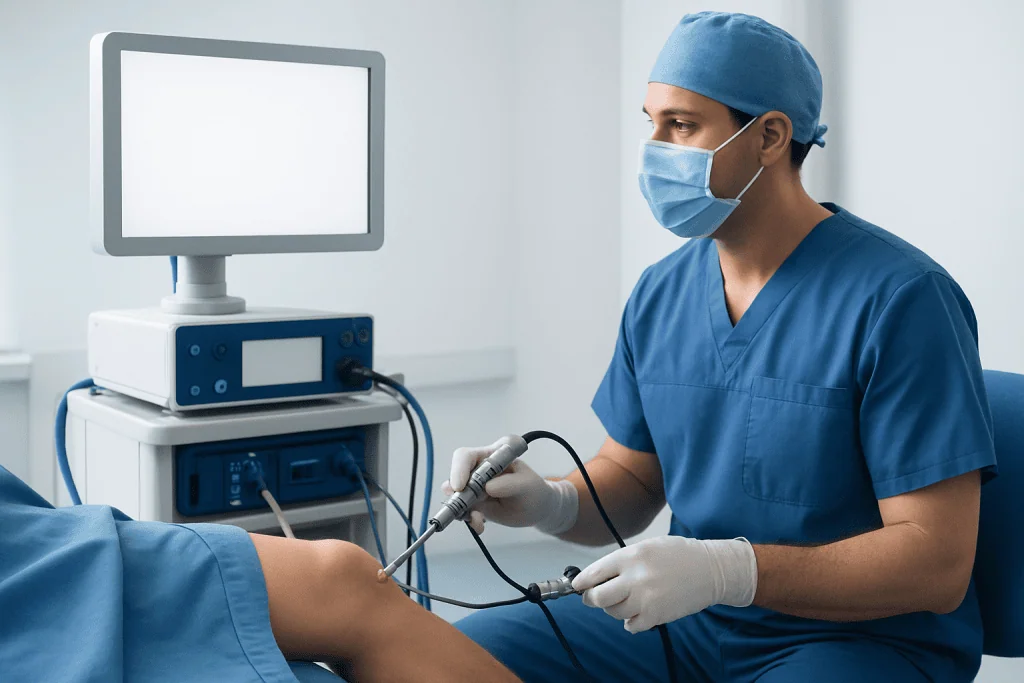
Before surgery, the affected joint is cleaned and prepared in a sterile operating room. The patient may receive local, regional, or general anesthesia, depending on the joint being treated, the planned procedure, and medical factors. Once the area is numb or the patient is asleep, the surgeon makes one or more very small incisions, often called portals.
The arthroscope is inserted through one portal, and sterile fluid may be used to gently expand the joint space. This helps improve visibility and allows the surgeon to inspect the inside of the joint more clearly. Images from the camera are displayed on a screen in real time, guiding the procedure with precision.
If treatment is needed, specialized instruments are passed through other portals. The surgeon may smooth rough cartilage, remove inflamed tissue, repair tears, remove loose fragments, or address certain ligament or tendon problems. After the procedure, the instruments are removed, the small cuts are closed, and a dressing or bandage is applied.
Because the incisions are small, arthroscopy often causes less soft tissue trauma than open surgery. This can mean less bleeding, smaller scars, and an easier early recovery for many patients. However, the exact experience varies depending on whether the surgery is simple and diagnostic or involves more complex repair.
When Arthroscopy Is Used
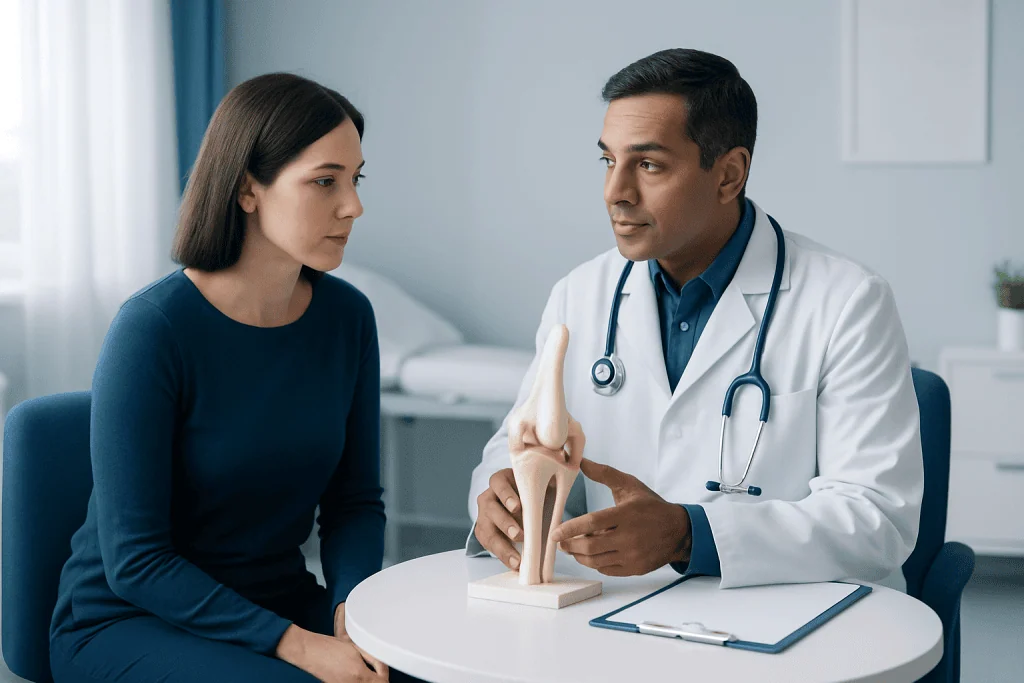
Arthroscopy is used to evaluate and treat a wide range of orthopedic problems. In the knee, it may help with meniscus tears, cartilage injuries, inflammation of the joint lining, or loose pieces of bone or cartilage. In the shoulder, it is commonly used for rotator cuff problems, labral tears, impingement, instability, or persistent inflammation. In selected cases, it may also support treatment planning for knee pain or shoulder pain that has not improved with conservative care.
Doctors usually consider arthroscopy after taking a medical history, examining the joint, and reviewing imaging tests such as X-rays or MRI scans. In many cases, non-surgical treatment is tried first. This may include rest, activity modification, ice, anti-inflammatory medicines, bracing, injections, or supervised physical therapy.
Arthroscopy is often most helpful when there is a specific structural problem that can be addressed directly. It may be less useful for widespread advanced arthritis, where symptoms come from extensive joint degeneration rather than an isolated repairable issue. The decision is individualized and should be made after a careful discussion with an orthopedic specialist.
- Knee meniscus tears and cartilage injuries
- Shoulder instability, impingement, and some rotator cuff tears
- Ankle ligament or cartilage problems
- Hip labral tears in selected patients
- Inflamed joint lining or loose bodies inside a joint
Benefits, Limits, and Possible Risks
One of the main benefits of arthroscopy is that it allows treatment through very small incisions. This often leads to less postoperative discomfort, less disruption of nearby tissues, and a shorter hospital stay compared with some open procedures. Many people are able to return home the same day and begin gentle movement soon afterward, depending on the joint and the type of repair performed.
Another advantage is accuracy. Because the surgeon sees the inside of the joint directly on a monitor, arthroscopy can help identify injuries that may not always be fully clear on imaging alone. In some situations, diagnosis and treatment can happen in one session, which may reduce delays in care.
At the same time, arthroscopy is not the best option for every problem. Some injuries require open surgery, and some conditions are managed better without surgery at all. The effectiveness of arthroscopy depends on choosing the right patient and the right indication. Expectations should be realistic, especially when pain has multiple causes or when there is significant joint wear.
Like all surgeries, arthroscopy has possible risks. These can include infection, bleeding, blood clots, swelling, stiffness, damage to surrounding nerves or blood vessels, anesthesia-related complications, or persistent symptoms. Serious complications are uncommon, but patients should understand both benefits and risks before deciding on treatment.
Diagnosis and Preparation Before Surgery
Planning for arthroscopy begins with a full orthopedic assessment. The doctor asks about pain, swelling, locking, giving way, injury history, sports or work demands, and previous treatments. A physical examination helps assess range of motion, joint stability, strength, and tenderness. Imaging tests such as X-rays may show bone alignment or arthritis, while MRI can help evaluate soft tissues such as cartilage, ligaments, labrum, or tendons.
If arthroscopy is recommended, the surgeon explains the goal of the procedure, whether it is mainly diagnostic, reparative, or both. Patients are also told about the expected recovery, the role of rehabilitation, and any alternatives. Preoperative testing may be needed depending on age, medical history, and the type of anesthesia planned.
Preparation also includes practical steps at home. Patients may be advised to stop certain medicines before surgery, arrange a ride home, and prepare support for the first days after the procedure. They may need crutches, a sling, or another brace depending on the joint involved. Clear communication with the care team can help reduce anxiety and make the process smoother.
Treatment, Recovery, and Rehabilitation
Recovery after arthroscopy varies widely. A simple procedure, such as removing loose tissue or washing out an inflamed joint, may allow a quicker return to daily activities. More involved repairs, such as ligament reconstruction or tendon repair, usually require a longer rehabilitation period. Some people benefit from broader treatment planning that may include orthopedic rehabilitation or, in knee cases, procedures related to knee surgery when appropriate.
After surgery, temporary pain, swelling, and stiffness are common. Patients are usually advised to rest the joint, use ice, keep the limb elevated when possible, and take prescribed or recommended medications as directed by their doctor. Dressings must be kept clean and dry, and weight-bearing instructions should be followed carefully. For shoulder procedures, support with a sling may be needed; for lower-limb procedures, crutches may be recommended.
Physical therapy is often one of the most important parts of recovery. Exercises are tailored to restore range of motion, rebuild strength, and gradually return the joint to normal function. Starting activity too quickly can strain healing tissues, while too little movement may increase stiffness. A structured rehabilitation plan helps balance protection and progress.
Follow-up appointments allow the surgeon to monitor healing and address concerns such as persistent swelling, pain, fever, wound problems, or limited motion. In selected shoulder cases, treatment planning may also be connected to shoulder surgery options when arthroscopic repair is indicated. Near the end of the care journey, some international patients choose evaluation and treatment at Acibadem International, where multidisciplinary specialists in JCI-accredited hospitals manage orthopedic conditions including arthroscopic procedures.
Self-care and When to See a Doctor
Good self-care can support both prevention of joint injury and recovery after arthroscopy. Maintaining a healthy body weight may reduce stress on weight-bearing joints such as the knees and hips. Regular strength and flexibility exercises can support joint stability, while proper technique in sports and work activities may lower the risk of overuse or traumatic injury. Supportive footwear and gradual return to exercise are also helpful for many people.
After arthroscopy, patients should follow all instructions about wound care, bathing, exercise, driving, return to work, and sports participation. It is important not to compare recovery with someone else’s experience, since outcomes depend on the exact joint problem and treatment performed. Some soreness and swelling are expected, but they should gradually improve.
Medical advice should be sought promptly if there is worsening pain that does not improve with recommended measures, significant calf swelling, chest pain, shortness of breath, fever, increasing redness around the incisions, drainage from the wound, numbness, or sudden inability to move the joint as instructed. These symptoms do not always mean a serious problem, but they should be assessed by a qualified doctor.
If a joint remains painful, unstable, or swollen despite rest and conservative treatment, an orthopedic consultation can help determine whether arthroscopy or another option may be appropriate. Early evaluation can clarify the cause and guide safe treatment.
Frequently asked questions
Is arthroscopy considered major surgery?
Arthroscopy is still surgery, but it is generally considered minimally invasive because it uses small incisions and a camera-guided approach. The overall impact on the body is often less than with open surgery, although the seriousness depends on the specific repair being done.
How long does it take to recover from arthroscopy?
Recovery time depends on the joint involved and whether the procedure was simple or included a repair. Some people return to light activities within days to weeks, while full recovery after more complex repairs may take several months.
Will arthroscopy cure arthritis?
Arthroscopy does not cure arthritis. In some carefully selected situations it may help address specific mechanical problems inside a joint, but advanced arthritis often requires other treatment approaches.
Is arthroscopy painful?
Patients do not feel pain during the procedure because anesthesia is used. After surgery, mild to moderate pain, swelling, and stiffness are common for a short time, but these symptoms are usually managed with medication, ice, rest, and rehabilitation.
Which joints can be treated with arthroscopy?
Arthroscopy is most commonly performed on the knee and shoulder, but it can also be used for the ankle, hip, wrist, and elbow. The choice depends on the problem being treated and whether the condition is suitable for a minimally invasive approach.
Can someone go home the same day after arthroscopy?
Yes, many arthroscopic procedures are done as day surgery, so patients often return home the same day. However, the final plan depends on the type of procedure, the patient’s medical condition, and how they recover from anesthesia.
References
- American Academy of Orthopaedic Surgeons
- National Institute of Arthritis and Musculoskeletal and Skin Diseases
- National Health Service
- Mayo Clinic
- American Orthopaedic Society for Sports Medicine
This article is for general information only and is not a substitute for professional medical advice. Please consult a qualified doctor about your individual situation.
Minimally Invasive in Turkey — costs, top hospitals & a free quote
JCI-accredited · board-certified surgeons · reply within 24h
Add us as a Preferred Source to see more of our trusted health content across Google Search, AI Overviews and Discover.

Robotic Surgery
Robot-assisted procedures across urology, gynecology and general surgery for greater precision and faster recovery.