Ataxia: An Evidence-Based Guide for Patients

Ataxia means impaired coordination, not a diagnosis by itself. Symptoms can include unsteady walking, clumsiness, slurred speech, and abnormal eye movements.
Key Takeaways
- Ataxia means impaired coordination, not a diagnosis by itself.
- Symptoms can include unsteady walking, clumsiness, slurred speech, and abnormal eye movements.
- Causes range from vitamin deficiencies and medication effects to stroke, multiple sclerosis, inherited disorders, and alcohol-related nerve damage.
- Diagnosis usually involves a neurological exam, blood tests, and sometimes MRI, genetic testing, or nerve studies.
- Treatment depends on the cause and may include rehabilitation, medication review, nutritional treatment, and management of neurological disease.
- New, sudden ataxia needs urgent medical attention, especially with weakness, severe headache, or trouble speaking.
Ataxia is a medical term for poor coordination that can affect walking, balance, hand movements, speech, and eye movements. It is not a single disease but a sign of an underlying problem involving the cerebellum, nerves, spinal cord, or sometimes the inner ear, so evaluation focuses on finding the cause and guiding treatment.
Overview: What Ataxia Means
Ataxia refers to a loss of normal coordination. A person with ataxia may look unsteady when walking, have difficulty with precise hand movements, slur words, or struggle to keep the eyes steady. The term describes a symptom pattern rather than one specific illness.
Most often, ataxia happens when the cerebellum is affected. The cerebellum is the part of the brain that helps coordinate movement, posture, and balance. However, similar coordination problems can also happen when sensory nerves, the spinal cord, or pathways connecting the brain and body do not work properly.
Because ataxia has many possible causes, evaluation is important. Some causes are temporary or treatable, such as medication side effects, alcohol effects, vitamin deficiency, infection, or inflammation. Others are long-term neurological conditions that may need ongoing care, rehabilitation, and monitoring.
Common Symptoms and How They May Appear
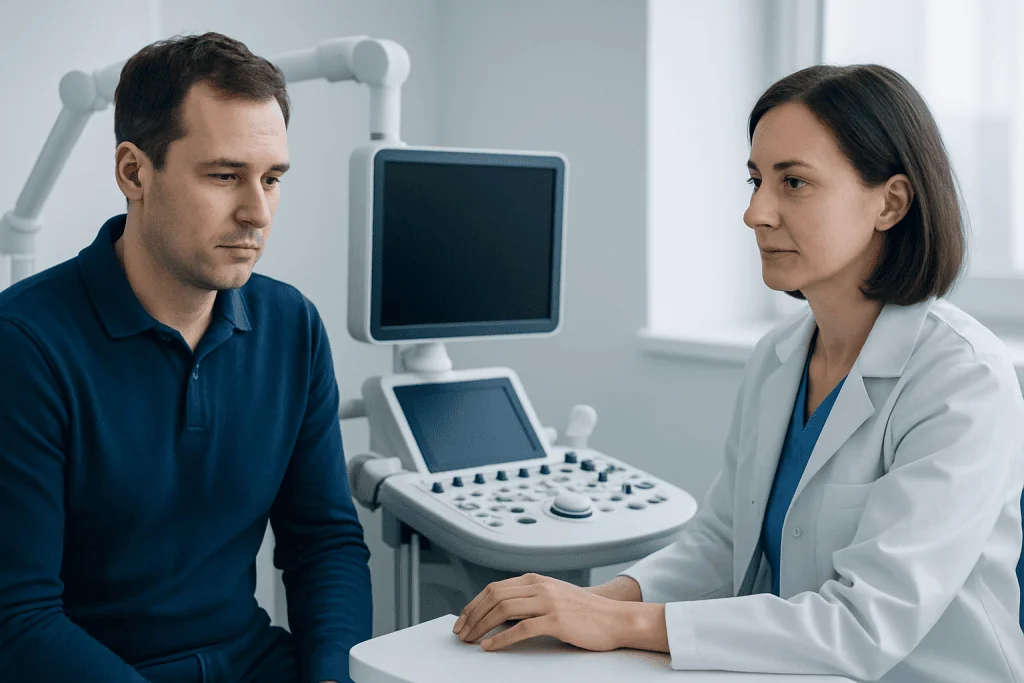
Ataxia can affect several body functions at once or begin in a limited way. Many people first notice balance problems, a wide-based gait, veering to one side, or frequent stumbling. Others notice difficulty using the hands for tasks such as buttoning clothes, writing, typing, or picking up small objects.
Speech may become slow or slurred, and swallowing can become difficult in some cases. Eye movement problems are also possible, including jerky eye movements, double vision, or trouble focusing on moving objects. These symptoms can make everyday activities more tiring and may increase the risk of falls.
The pattern of symptoms may offer clues about the cause. Sensory forms of ataxia may worsen in the dark or when a person closes the eyes, because vision can no longer help compensate for poor body-position sense. Cerebellar ataxia may produce more obvious limb incoordination, unsteady standing, and speech changes.
- Unsteady walking or frequent falls
- Poor balance when standing or turning
- Clumsiness in the hands or arms
- Slurred or scanning speech
- Abnormal eye movements or dizziness-like imbalance
- Difficulty swallowing in more advanced cases
Causes and Risk Factors

Ataxia can develop suddenly, gradually, or in episodes. Sudden ataxia raises concern for urgent causes such as stroke, bleeding in the brain, severe infection, toxin exposure, or head injury. Gradually progressive ataxia may be linked to neurodegenerative disease, long-term alcohol use, inherited conditions, or structural problems affecting the cerebellum and nearby pathways.
Doctors often group causes by where the problem begins. Cerebellar ataxia comes from disorders affecting the cerebellum itself. Sensory ataxia develops when peripheral nerves or the spinal cord do not reliably carry information about joint position and movement. Vestibular problems from the inner ear may also cause imbalance, though they are usually accompanied by vertigo or nausea.
Common medical causes include vitamin B12 or vitamin E deficiency, thyroid disease, autoimmune conditions, infections, multiple sclerosis, medication toxicity, and alcohol-related nerve or cerebellar injury. In some people, ataxia is inherited, with symptoms starting in childhood or adulthood depending on the gene involved. Related neurological disorders may also be part of the evaluation, including Parkinson’s disease or multiple sclerosis when the symptom pattern suggests them.
Risk factors depend on the underlying cause but may include a family history of neurological disease, long-term heavy alcohol use, exposure to certain medications or toxins, prior stroke, autoimmune disease, diabetes-related nerve damage, and poor nutrition. Even when a clear cause is not obvious at first, careful testing can often narrow the possibilities.
How Ataxia Is Diagnosed
Diagnosis begins with a detailed history and neurological examination. A clinician will ask when symptoms began, whether they are worsening, whether there are triggers such as alcohol or medications, and whether there is a family history. The examination looks at gait, balance, speech, eye movements, reflexes, strength, sensation, and coordination of the arms and legs.
Blood tests are commonly used to look for reversible causes. These may assess vitamin levels, thyroid function, markers of inflammation, autoimmune clues, infection, and metabolic problems. Depending on the situation, urine testing or toxicology testing may also help identify exposure-related causes.
Brain imaging, especially MRI, is often important because it can show stroke, tumors, inflammation, multiple sclerosis lesions, structural changes, or cerebellar shrinkage. In selected cases, doctors may recommend nerve conduction studies, spinal fluid testing, or genetic testing. When imaging is needed to assess the brain and related structures, advanced MRI evaluation may be part of the workup.
Diagnosis is not only about naming the condition. It also helps determine what is treatable now, what complications to watch for, and what rehabilitation may improve daily function. If a tumor or another space-occupying lesion is identified, further evaluation for brain tumor may be appropriate.
Treatment Options and Supportive Care
There is no single treatment for all ataxia because care depends on the cause. If the problem is linked to a vitamin deficiency, alcohol use, thyroid disease, infection, medication side effects, or an autoimmune process, treatment focuses on correcting that trigger. When a structural brain problem is found, management may involve medical therapy, rehabilitation, or procedures tailored to the diagnosis.
Even when the underlying condition cannot be fully reversed, symptoms can often be managed. Physical therapy can improve balance, gait safety, posture, and strength. Occupational therapy can make hand tasks and self-care easier, and speech therapy may help with communication or swallowing. In some cases, assistive devices such as a cane, walker, handrails, or adaptive utensils reduce fall risk and preserve independence.
Medication may be used in selected situations to address associated symptoms such as tremor, spasticity, dizziness, or sleep problems, but medication choices vary widely by cause. Some people may need nutritional support, swallowing assessment, or treatment for related neurological conditions. If surgery is needed for a structural cause affecting the nervous system, options may include specialized neurosurgical care after full evaluation.
For patients with complex neurological symptoms, multidisciplinary care can be valuable. Near the end of the diagnostic and treatment pathway, some international patients seek coordinated assessment at centers such as Acibadem International, where multidisciplinary specialists in JCI-accredited hospitals evaluate and treat neurological conditions.
Prevention, Daily Safety, and Self-Care
Not all ataxia can be prevented, especially inherited or degenerative forms. However, some causes are avoidable or modifiable. Limiting alcohol, taking medications only as directed, managing chronic conditions such as diabetes and thyroid disease, and maintaining adequate nutrition may reduce risk in some people.
Self-care mainly focuses on safety and function. A home may need simple fall-prevention changes such as better lighting, removing loose rugs, using supportive footwear, and installing grab bars. Planning extra time for walking, turning, and stairs can reduce accidents and anxiety.
Regular follow-up matters because needs can change over time. Rehabilitation exercises, swallowing guidance, and vision or hearing assessment may be useful depending on symptoms. If dizziness or balance issues are part of the problem, specialists may also evaluate whether vestibular rehabilitation or targeted physical therapy and rehabilitation could help.
Family support can make a meaningful difference. Loved ones can help monitor changes, encourage safe habits, and assist with appointments. Because coordination symptoms can affect confidence and social life, emotional support and practical problem-solving are important parts of care.
When to Seek Medical Care
Anyone with persistent or progressive coordination problems should arrange medical evaluation, especially if symptoms interfere with walking, speech, swallowing, work, or daily activities. Ataxia is a symptom with many possible causes, and some are most treatable when identified early.
Urgent medical care is needed if ataxia appears suddenly or is accompanied by weakness, numbness, a severe headache, facial drooping, confusion, double vision, chest symptoms, or trouble speaking. These features can point to stroke or another emergency. If the cause is suspected to involve a recent brain event, emergency assessment and stroke treatment pathways may be critical.
Medical review is also important for recurrent falls, choking, unexplained weight loss, new tremor, or symptoms after starting a new medicine. A qualified doctor can help determine whether the problem is neurological, vestibular, metabolic, medication-related, or due to another condition entirely.
Frequently asked questions
Is ataxia a disease or a symptom?
Ataxia is usually a symptom or clinical sign rather than a single disease. It describes impaired coordination that can result from many different problems affecting the brain, nerves, spinal cord, or sometimes the inner ear.
Can ataxia go away?
Sometimes it can improve or resolve if the cause is treatable, such as medication effects, alcohol intoxication, vitamin deficiency, or certain infections. In other cases, especially inherited or degenerative conditions, treatment may focus more on slowing progression, managing symptoms, and improving daily function.
What doctor treats ataxia?
Ataxia is usually evaluated by a neurologist, often with input from rehabilitation specialists, speech therapists, and sometimes ear, nose, and throat or genetics specialists. The exact team depends on whether the cause appears neurological, vestibular, inherited, metabolic, or structural.
What tests are usually done for ataxia?
Common tests include a neurological examination, blood tests, and brain imaging such as MRI. Some patients may also need nerve studies, spinal fluid analysis, genetic testing, or swallowing assessment depending on their symptoms and medical history.
Is ataxia the same as vertigo?
No. Ataxia refers to poor coordination, while vertigo is the false sensation that the person or the environment is spinning. Some vestibular disorders can cause imbalance that resembles ataxia, but the two terms are not interchangeable.
Can children have ataxia?
Yes. Children can develop ataxia from infections, inflammation, migraine-related conditions, inherited disorders, toxins, or structural neurological problems. Because the causes in children can differ from those in adults, pediatric evaluation is important.
This article is for general information only and is not a substitute for professional medical advice. Please consult a qualified doctor about your individual situation.
Joint and spine care in Turkey — expert assessment & treatment
JCI-accredited · board-certified surgeons · reply within 24h
Add us as a Preferred Source to see more of our trusted health content across Google Search, AI Overviews and Discover.

More from the Health Library

Proliferative Endometrium — Explained by Medical Evidence, Not Myths

Butchugging: What Patients Need to Know

Sarms: What Patients Need to Know

Threatened Miscarriage: What Patients Need to Know

Goiter: What Patients Need to Know