Back Doctor vs Orthopedic Spine Surgeon: Which Specialist Should You See?

A “back doctor” can mean several different professionals, including a primary care doctor, physiatrist, pain specialist, neurologist, or orthopedic doctor. An orthopedic spine surgeon specializes in diagnosing and surgically treating conditions affecting the bones, discs, joints, and nerves of the spine.
Key Takeaways
- A “back doctor” can mean several different professionals, including a primary care doctor, physiatrist, pain specialist, neurologist, or orthopedic doctor.
- An orthopedic spine surgeon specializes in diagnosing and surgically treating conditions affecting the bones, discs, joints, and nerves of the spine.
- Most back pain improves with non-surgical care such as activity changes, physical therapy, and medicines recommended by a doctor.
- Urgent symptoms such as bowel or bladder changes, major weakness, fever, or back pain after a serious injury need prompt medical evaluation.
- The best specialist depends on the likely cause of pain, imaging results, nerve symptoms, and response to early treatment.
Choosing the right specialist for back pain depends on the symptoms, how long they have lasted, and whether there are warning signs such as weakness or numbness. In many cases, care begins with a primary doctor or non-surgical specialist, while an orthopedic spine surgeon is usually involved when symptoms are complex, persistent, or may need surgery.
Overview: Who Treats Back Pain?
The phrase “back doctor” is broad and can refer to several different medical professionals. Depending on the problem, it may include a primary care physician, family doctor, sports medicine doctor, physiatrist (physical medicine and rehabilitation specialist), pain management specialist, neurologist, orthopedic surgeon, or neurosurgeon. Each brings a different perspective, and many people are treated successfully without ever needing surgery.
An orthopedic spine surgeon is a doctor who focuses on conditions affecting the spine’s bones, discs, joints, ligaments, and related nerves. This specialist is trained to evaluate both non-surgical and surgical options, but surgery is usually considered only when symptoms are severe, progressive, or do not improve with conservative treatment. In other words, seeing a spine surgeon does not automatically mean surgery will be needed.
For new back pain, the first step is often a general doctor or a non-surgical spine specialist. They can assess common causes such as muscle strain, poor posture, disc irritation, arthritis, or referred pain from another area. If symptoms suggest a more structural spine problem, they may refer the patient to an orthopedic spine surgeon for a more focused evaluation.
What Does a Back Doctor Do?
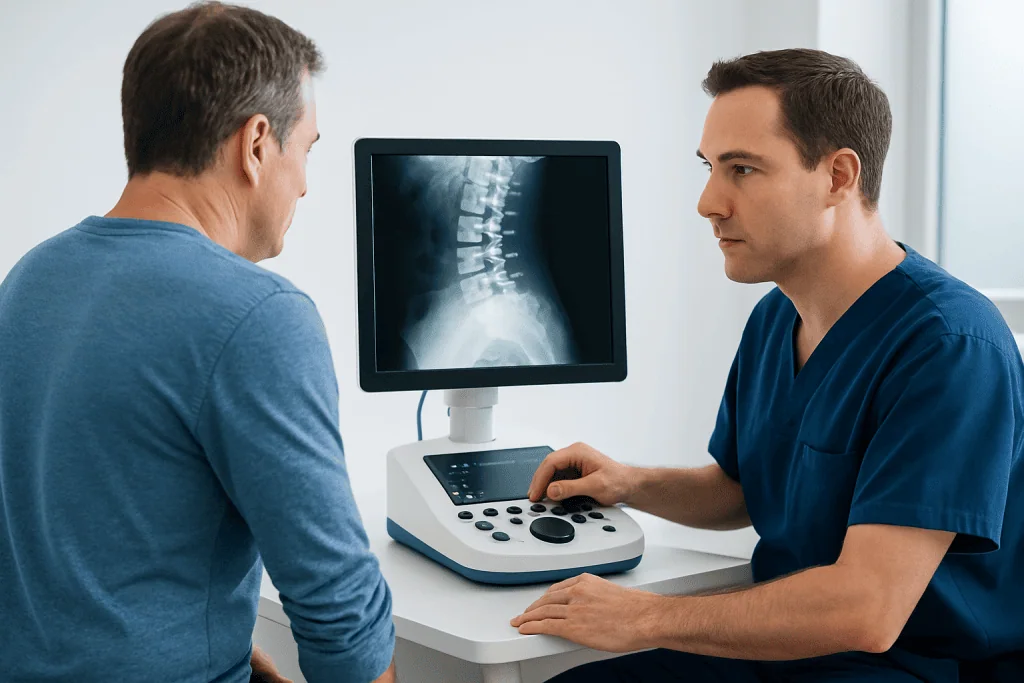
A non-surgical back doctor usually starts by reviewing symptoms, medical history, daily activities, and any previous injuries. The aim is to understand whether the pain is mechanical, inflammatory, nerve-related, or linked to another health issue. Many cases of back pain come from muscles, ligaments, discs, or joints and improve with time and guided care.
These doctors often recommend early treatments such as activity modification, heat or ice, posture advice, physical therapy, and medicines when appropriate. Some may also arrange diagnostic tests such as X-rays or MRI if symptoms are not improving or if there are signs of nerve involvement. In selected cases, treatment may include physical therapy and rehabilitation to improve strength, flexibility, and movement patterns.
Depending on training, some back specialists also provide injections, coordinate rehabilitation programs, or evaluate nerve symptoms. Their main role is to manage back pain conservatively, identify red flags, and decide when referral to a surgeon is the safest and most helpful next step.
What Does an Orthopedic Spine Surgeon Do?

An orthopedic spine surgeon specializes in disorders that affect the structure and stability of the spine. This includes problems such as herniated discs, spinal stenosis, scoliosis, vertebral fractures, degenerative disc disease, and some forms of spinal deformity. These specialists are trained to interpret imaging in the context of symptoms and physical examination, which is important because scans can show age-related changes that are not always the true cause of pain.
Although surgery is part of their expertise, orthopedic spine surgeons also assess whether non-surgical treatment should continue. They may recommend further rehabilitation, medication review, bracing in some situations, or image-guided procedures before discussing an operation. When surgery is appropriate, they explain the goal, expected benefits, possible risks, and the recovery process in a clear and individualized way.
Common procedures may include spine surgery for nerve compression, instability, deformity, or severe disc-related problems that do not respond to conservative care. The decision is usually based on a combination of symptoms, neurological findings, imaging, and how much the condition is affecting walking, sleep, work, and everyday function.
When Should Someone See a Back Doctor First?
For most people with recent back pain, especially after lifting, twisting, prolonged sitting, or overuse, it is reasonable to start with a primary care doctor or non-surgical back specialist. Pain that stays mainly in the lower back, improves with rest or gentle movement, and is not accompanied by major weakness often responds well to conservative care. Early assessment can still be helpful, particularly if pain is interfering with sleep, work, or normal movement.
A back doctor is often the right first choice when symptoms are mild to moderate and have been present for a short time. This is also true when the cause is unclear and there is a need to rule out issues such as muscle strain, arthritis, posture-related pain, or referred discomfort from the hip or sacroiliac area. In some cases, the doctor may identify conditions such as a herniated disc or age-related degeneration and start a treatment plan without surgery.
Seeing a non-surgical specialist first can also help avoid unnecessary imaging or invasive treatment. Many back problems improve over several weeks with the right combination of movement, pain relief, and rehabilitation. If progress is limited, referral can then be made to an orthopedic spine surgeon or another targeted specialist.
When Is an Orthopedic Spine Surgeon the Better Choice?
An orthopedic spine surgeon may be the better choice when symptoms suggest a more complex structural problem. Examples include pain that radiates down the leg or arm, numbness, tingling, progressive weakness, difficulty walking, spinal deformity, or pain that continues despite several weeks of guided non-surgical treatment. A prior spine injury, known fracture, or suspected instability may also justify early surgical consultation.
People who already have imaging showing conditions such as severe spinal stenosis, nerve compression, deformity, or advanced disc damage may benefit from direct evaluation by a spine surgeon. This does not necessarily mean an operation is needed. Instead, it helps clarify whether surgery could offer better relief or protect nerve function if other measures are unlikely to succeed.
An early surgical opinion is also important when a patient has recurring episodes that are becoming more disabling or has neurological symptoms linked to conditions like spinal stenosis. In these situations, a specialist can explain both short-term symptom control and longer-term treatment options, including whether minimally invasive spine surgery may be suitable in selected cases.
Warning Signs That Need Prompt Medical Attention
Some back pain symptoms should not wait for a routine appointment. Sudden bowel or bladder problems, loss of sensation around the groin or inner thighs, rapidly worsening weakness, or severe numbness may signal significant nerve compression and need urgent medical assessment. These symptoms can indicate a spinal emergency that requires prompt treatment.
Back pain with fever, unexplained weight loss, a history of cancer, or pain that is constant and not relieved by rest should also be evaluated quickly. Serious infection, fracture, or other underlying disease is uncommon, but it is important to rule out these possibilities when warning signs are present. Severe pain after a fall, car accident, or other major injury is another reason to seek immediate care.
Older adults, people with osteoporosis, those using long-term steroids, and anyone with significant weakness or balance problems should be especially cautious. Prompt evaluation can help protect nerve function, identify fractures, and guide the right treatment without unnecessary delay.
How Diagnosis and Treatment Decisions Are Made
Choosing between a back doctor and an orthopedic spine surgeon is based less on the job title and more on the pattern of symptoms. Doctors consider where the pain is located, whether it travels into the arm or leg, what makes it better or worse, how long it has lasted, and whether there are neurological changes. The physical examination often includes testing strength, reflexes, sensation, posture, flexibility, and walking.
Imaging is used carefully. X-rays can help show alignment, arthritis, or fractures, while MRI is more helpful for discs, nerves, and soft tissues. However, imaging findings need to match the person’s symptoms because many people have disc bulges or degenerative changes that do not cause pain. This is why specialist interpretation matters.
Treatment plans may include exercise therapy, weight management, posture changes, medicines, injections, or surgery when necessary. If pain is linked to a condition such as scoliosis or a progressive structural issue, the role of a spine surgeon may become more central. Near the end of the care pathway, patients seeking international evaluation may also choose centers such as Acibadem International, where multidisciplinary specialists in JCI-accredited hospitals assess and treat spine conditions for international patients.
Practical Tips for Choosing the Right Specialist
A helpful first question is whether the symptoms seem mainly muscular and recent, or whether they suggest nerve irritation or a structural spine problem. If the pain began recently, stays in the back, and there are no red flags, starting with a primary care doctor, physiatrist, or another non-surgical back specialist is often appropriate. If there is radiating pain, weakness, numbness, or known spinal disease, an orthopedic spine surgeon may be a more direct route.
It also helps to bring previous imaging reports, a list of medicines, and a timeline of symptoms to the appointment. Patients may want to ask what the likely diagnosis is, whether surgery is being considered, what non-surgical options remain, and what signs would mean the plan should change. A clear conversation can make the next step feel more manageable.
Second opinions can be useful, especially if surgery has been recommended or if the diagnosis remains uncertain. In many cases, the best care comes from a team approach that combines medical assessment, rehabilitation, pain management, and surgical expertise when needed.
Frequently asked questions
Should a person see a back doctor or an orthopedic spine surgeon first?
For most new cases of back pain, it is reasonable to start with a primary care doctor or non-surgical back specialist. An orthopedic spine surgeon is often the better first choice when there is leg or arm pain, numbness, weakness, spinal deformity, or symptoms that are not improving with conservative treatment.
Does seeing an orthopedic spine surgeon mean surgery will be needed?
No. Orthopedic spine surgeons evaluate both surgical and non-surgical options and often recommend continued conservative care when appropriate. A consultation simply helps clarify the diagnosis and whether surgery might offer meaningful benefit.
What kind of doctor is best for sciatica or pain going down the leg?
Sciatica can often be assessed first by a primary care doctor, physiatrist, neurologist, or orthopedic specialist. If there is persistent radiating pain, numbness, or weakness, a spine specialist may be needed to check for nerve compression and discuss targeted treatment.
When is back pain considered urgent?
Back pain is urgent when it comes with bowel or bladder changes, severe or worsening weakness, numbness in the groin area, fever, or major trauma. These symptoms can signal a serious problem and should be assessed promptly by a qualified doctor.
Can back pain improve without surgery?
Yes. Many episodes of back pain improve with time, guided activity, physical therapy, and other conservative treatments. Surgery is usually reserved for specific structural problems, persistent disabling symptoms, or progressive neurological deficits.
How long should someone wait before seeing a specialist for back pain?
A person should seek medical advice sooner if pain is severe, interrupts daily life, or includes nerve symptoms such as numbness or weakness. If back pain is mild and improving, observation may be reasonable, but symptoms that last more than a few weeks often deserve professional evaluation.
References
- World Health Organization
- National Institute of Arthritis and Musculoskeletal and Skin Diseases
- American Academy of Orthopaedic Surgeons
- National Institute of Neurological Disorders and Stroke
- North American Spine Society
This article is for general information only and is not a substitute for professional medical advice. Please consult a qualified doctor about your individual situation.
Joint and spine care in Turkey — expert assessment & treatment
JCI-accredited · board-certified surgeons · reply within 24h
Add us as a Preferred Source to see more of our trusted health content across Google Search, AI Overviews and Discover.