Back Pain During Early Pregnancy: Common Causes, Related Conditions, and When to See a Doctor
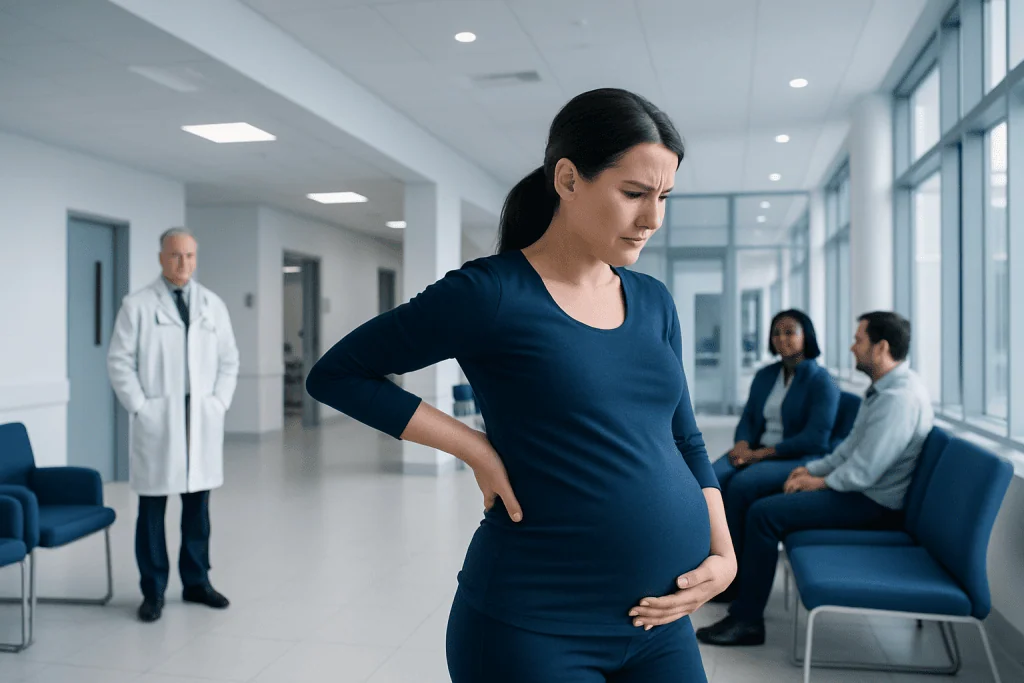
Mild back pain in early pregnancy is common and often related to normal body changes. Hormonal effects, ligament loosening, posture changes, and muscle strain are frequent causes.
Key Takeaways
- Mild back pain in early pregnancy is common and often related to normal body changes.
- Hormonal effects, ligament loosening, posture changes, and muscle strain are frequent causes.
- Back pain can also happen with urinary tract infection, miscarriage, or ectopic pregnancy, depending on other symptoms.
- Supportive measures such as rest, gentle movement, heat used carefully, and posture awareness may help.
- Urgent medical care is important if back pain is severe or occurs with bleeding, fever, fainting, or pain on one side.
Back pain during early pregnancy is common and is often linked to hormonal changes, shifting posture, muscle strain, or pre-existing spine problems. Mild discomfort usually improves with rest, posture support, and gentle activity, but severe pain or symptoms such as bleeding, fever, or one-sided pelvic pain should be assessed by a doctor.
Overview: Is back pain during early pregnancy normal?
Back pain during early pregnancy is common, and in many cases it is related to normal physical changes rather than a serious problem. Hormones begin to relax ligaments, posture can subtly shift, and tired muscles may react to everyday activities differently than before pregnancy. This can lead to aching in the lower back, buttocks, or around the pelvis, even in the first trimester.
That said, back pain should always be considered in context. Mild soreness after standing, walking, or lifting is often manageable, but sharp, severe, or persistent pain deserves more attention. Symptoms such as vaginal bleeding, fever, burning during urination, dizziness, or one-sided lower abdominal pain can point to another condition rather than routine pregnancy discomfort.
Early pregnancy back pain can also overlap with issues a person may have already had before pregnancy, such as poor posture, desk-related strain, or underlying spine problems. For that reason, a doctor may ask about the timing of the pain, where it is felt, what makes it worse, and whether there are any other symptoms. Understanding the pattern is often the key to deciding whether the pain is expected or needs prompt evaluation.
What back pain in early pregnancy can feel like
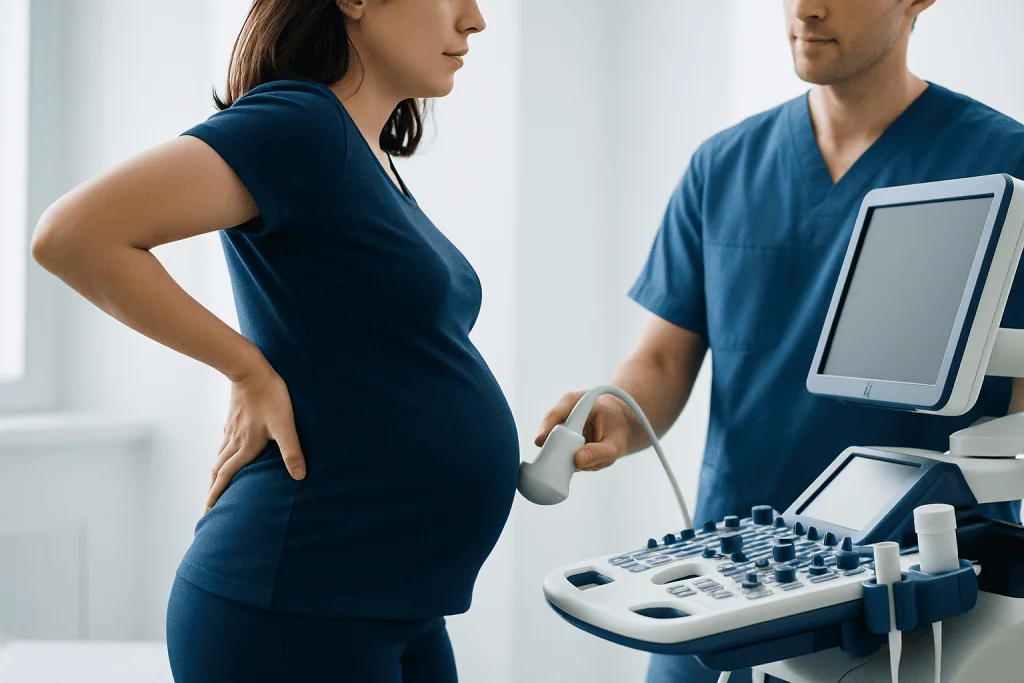
The feeling can vary from person to person. Some describe a dull ache in the lower back, while others notice stiffness after waking up or soreness after a long day. Pain may stay in one area or spread into the hips, buttocks, or upper thighs. It may come and go, especially with activity, or feel more noticeable at the end of the day.
In early pregnancy, discomfort is usually musculoskeletal, meaning it comes from muscles, ligaments, joints, or posture changes. This often feels like a pulling, tight, or aching sensation rather than intense cramping. Some people also notice pelvic pressure or tenderness around the sacroiliac joints, where the spine meets the pelvis.
Certain features can suggest a need for evaluation. These include severe pain, pain that does not improve with rest, pain with numbness or weakness in the legs, or pain linked to abdominal cramping. A doctor may also consider whether the pain resembles sciatica or another spine-related issue such as a herniated disc, especially if it travels down the leg.
- Dull, aching lower back discomfort is common.
- Pain may worsen with prolonged standing, bending, or lifting.
- One-sided pain, cramping, or pain with bleeding is not typical and should be checked.
- Numbness, tingling, or leg weakness may suggest a nerve-related cause.
Common causes and related conditions
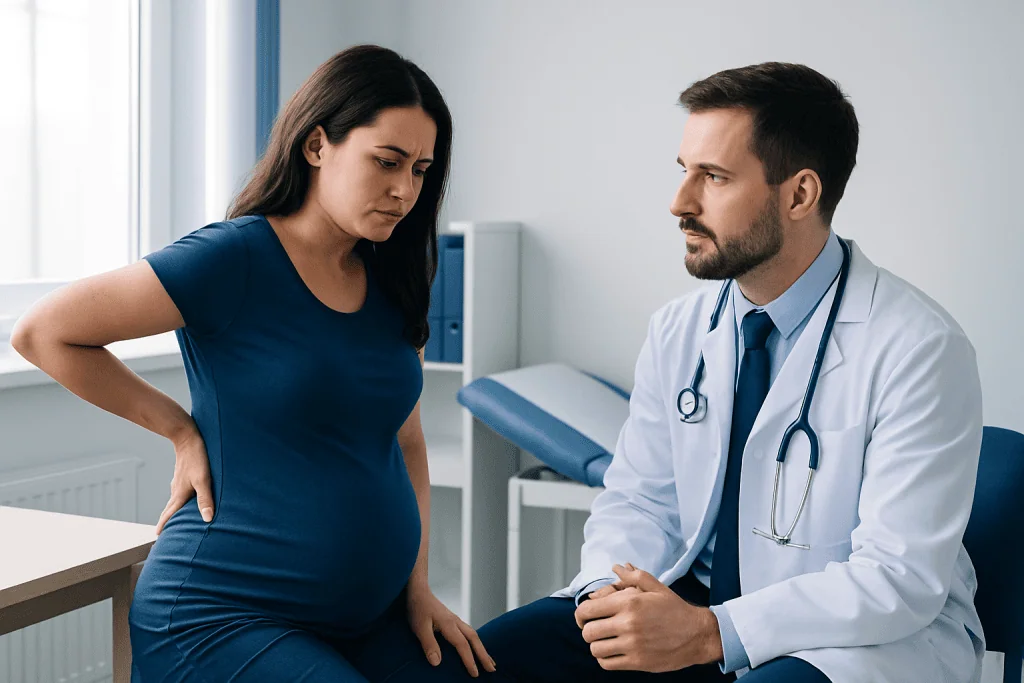
Several normal pregnancy-related changes can cause back pain in the first trimester. Rising progesterone and other hormones help the body prepare for pregnancy by loosening ligaments and soft tissues. While this is a natural process, it can reduce joint stability and place more stress on the back and pelvis. Fatigue can also change the way a person moves and holds their body, increasing strain on muscles.
Another common cause is muscle tension from posture and daily habits. Even before the abdomen noticeably grows, a person may stand differently, sit for long periods, or avoid certain movements because of nausea and tiredness. Sleeping positions may also change. If there was back discomfort before pregnancy, symptoms may become more noticeable during this time.
Not all back pain in early pregnancy is musculoskeletal. Urinary tract infections can cause pain in the lower back or side, especially if the infection reaches the kidneys. Cramping with back pain may happen in threatened miscarriage, while shoulder pain, pelvic pain, dizziness, or one-sided abdominal pain may raise concern for ectopic pregnancy. In some people, back pain may relate to an existing spine condition such as scoliosis or disc disease that becomes more symptomatic during pregnancy.
Less commonly, severe or persistent pain may reflect kidney stones, inflammatory joint conditions, or nerve compression. Because several conditions can overlap, back pain should not be dismissed if it feels unusual, intense, or is associated with other symptoms.
Risk factors that can make early pregnancy back pain more likely
Back pain can affect anyone in early pregnancy, but some factors make it more likely. A history of lower back pain, physically demanding work, weak core muscles, or poor posture can all increase strain on the spine and pelvis. Long hours of sitting or standing may also contribute, especially without good back support.
Stress and poor sleep can play a role too. When sleep is disrupted, muscles may stay tense and recovery may be limited. Nausea and fatigue can also reduce normal physical activity, making the back feel stiffer and less supported. In some cases, sudden increases in activity, lifting young children, or carrying heavy bags can trigger a flare-up.
Pregnancy does not protect against the usual causes of back pain, so ordinary muscle strain can still happen. A clinician may also ask about prior injuries, spinal conditions, kidney problems, or urinary symptoms. Identifying these risks helps guide treatment and determine whether the discomfort is part of a routine pregnancy experience or something that needs a broader evaluation.
How doctors evaluate back pain during early pregnancy
Diagnosis begins with symptoms and a physical examination. A doctor will usually ask when the pain started, whether it is constant or intermittent, and where it is located. They may ask about cramping, bleeding, urinary symptoms, fever, leg symptoms, or recent physical strain. These details help separate common pregnancy-related discomfort from problems involving the urinary tract, reproductive system, or nerves.
The physical examination may include checking posture, tenderness, range of movement, and neurologic function in the legs. If there is concern about pregnancy-related complications, pelvic symptoms, or the location of the pregnancy, ultrasound may be needed. If urinary symptoms are present, a urine test may be ordered to look for infection.
Imaging of the spine is not always necessary for mild pain, but it can be considered if symptoms are severe, persistent, or suggest nerve compression. When a more detailed spine assessment is needed, specialists may recommend advanced imaging such as MRI because it can evaluate soft tissues without ionizing radiation. In selected cases, expert assessment by physical therapy and rehabilitation specialists can also help identify posture, muscle imbalance, and movement-related triggers.
Treatment options and safe symptom relief
Treatment depends on the cause and severity of the pain. For mild musculoskeletal discomfort, first-line care usually includes practical supportive steps rather than intensive treatment. Resting briefly after symptoms flare, changing position often, and avoiding heavy lifting may be enough to ease discomfort. Gentle activity is usually better than prolonged bed rest, which can worsen stiffness.
Many people benefit from posture support, sleeping with a pillow between the knees or under the abdomen for comfort, and using supportive shoes. Gentle stretching and clinician-approved exercise may help reduce muscle tension and improve stability. If pain is ongoing or affects daily function, referral for guided rehabilitation may be helpful to teach safe movement strategies during pregnancy.
Medication decisions during pregnancy should always be discussed with a qualified doctor. Not every pain reliever is appropriate in every trimester, and self-medicating is not recommended. If the pain is caused by another condition, such as a urinary tract infection or a spine disorder, treatment will focus on that underlying problem. In rare cases of significant nerve compression or severe structural issues, evaluation by specialists in spine care may be considered, although surgery is not a routine treatment for common pregnancy-related back pain.
Self-care, prevention, and daily habits that may help
Simple daily habits can often reduce back discomfort in early pregnancy. Standing tall, keeping the shoulders relaxed, and avoiding slouched sitting can decrease strain. When sitting for work or travel, using lower-back support and taking regular movement breaks may help. Lifting should be done carefully, bending at the knees rather than the waist.
Regular gentle movement can be useful for prevention as well as relief. Walking, prenatal stretching, and doctor-approved exercise may help maintain flexibility and muscle support. Supportive sleep positions can also make a difference, especially if morning stiffness is a problem. Staying hydrated and addressing constipation may help some people who are also experiencing pelvic pressure or abdominal strain.
Warmth may soothe muscle soreness, but heat should be used carefully and not excessively during pregnancy. A warm shower or a warm, not hot, compress on the sore area is often preferred. If symptoms continue, a doctor or physiotherapist can tailor advice to the individual’s pregnancy stage, symptoms, and overall health.
Near the end of the care pathway, some people may seek coordinated support across obstetrics, imaging, rehabilitation, and spine care. Acibadem International’s multidisciplinary specialists and JCI-accredited hospitals diagnose and treat pregnancy-related musculoskeletal conditions for international patients when expert evaluation is needed.
When to seek medical care
Back pain in early pregnancy should be medically assessed if it is severe, sudden, or clearly different from routine muscle soreness. Pain that prevents walking, sleeping, or normal daily activity also deserves attention. In general, it is better to seek advice sooner if the cause is unclear or the symptoms are getting worse.
Urgent evaluation is important when back pain occurs with vaginal bleeding, significant cramping, fainting, shoulder pain, fever, chills, burning with urination, or pain on one side of the abdomen or pelvis. These symptoms can suggest miscarriage, ectopic pregnancy, kidney infection, or another condition that should not be managed at home.
A doctor should also be consulted if the pain is associated with numbness, tingling, weakness, loss of bladder or bowel control, or persistent pain radiating down the leg. These features may point to nerve involvement or another spine-related problem. Prompt medical advice helps protect both maternal health and pregnancy well-being.
Frequently asked questions
Is back pain during early pregnancy normal?
Yes, mild back pain during early pregnancy is common and is often related to hormonal changes, ligament relaxation, and muscle strain. However, severe pain or pain with bleeding, fever, or one-sided abdominal symptoms should be evaluated by a doctor.
Can back pain be an early sign of pregnancy?
It can happen early, but back pain alone is not a reliable sign of pregnancy. It is more meaningful when it occurs alongside a missed period, nausea, breast tenderness, or a positive pregnancy test.
What does concerning back pain in early pregnancy feel like?
Concerning pain may be severe, sharp, one-sided, persistent, or linked to cramping, bleeding, fever, dizziness, or urinary symptoms. Pain with numbness, weakness, or trouble walking also needs medical assessment.
How can someone relieve back pain safely in early pregnancy?
Supportive steps often include changing positions regularly, avoiding heavy lifting, using good posture, and doing gentle doctor-approved movement. A warm shower or warm compress may help muscle soreness, but medication should only be taken after medical advice.
Does back pain in early pregnancy mean miscarriage?
Not usually. Most early pregnancy back pain is not a sign of miscarriage, especially if it is mild and not accompanied by bleeding or cramping. Still, back pain with vaginal bleeding or strong cramps should be assessed promptly.
When should a pregnant person go to the doctor for back pain?
A doctor should be contacted if the pain is severe, worsening, or not improving with rest and simple measures. Urgent care is needed if there is bleeding, fever, fainting, painful urination, one-sided pelvic pain, or neurologic symptoms such as weakness or numbness.
References
- American College of Obstetricians and Gynecologists
- National Institute for Health and Care Excellence
- Mayo Clinic
- Merck Manual
- Cleveland Clinic
This article is for general information only and is not a substitute for professional medical advice. Please consult a qualified doctor about your individual situation.
Joint and spine care in Turkey — expert assessment & treatment
JCI-accredited · board-certified surgeons · reply within 24h
Add us as a Preferred Source to see more of our trusted health content across Google Search, AI Overviews and Discover.

More from the Health Library


Related Specialists

Prof. Dr. Dilaver Erşanlı
Ophthalmology
Prof. Dr. Levent Eralp
Orthopedic Surgery & Traumatology
Prof. Dr. Umut Akgün
Orthopedic Surgery & Traumatology
Assoc. Prof. Dr. Mustafa Aytek Şimşek
Cardiology