

Bariatric Surgery and High Blood Pressure: Weight Loss Benefits and Medication Review

Weight loss after bariatric surgery can reduce blood pressure and may lower the need for hypertension medication in some patients. Blood pressure medicines should never be stopped or changed without medical guidance, especially soon after surgery.
Key Takeaways
- Weight loss after bariatric surgery can reduce blood pressure and may lower the need for hypertension medication in some patients.
- Blood pressure medicines should never be stopped or changed without medical guidance, especially soon after surgery.
- Home blood pressure monitoring helps doctors adjust treatment safely as weight, fluid intake, and diet change.
- Different bariatric procedures can affect medication absorption, hydration, and nutritional needs in different ways.
- Long-term lifestyle habits, follow-up visits, and management of sleep apnea, diabetes, and kidney health remain important.
Bariatric surgery can help many people with obesity-related high blood pressure by supporting substantial, sustained weight loss and improving metabolic health. Because blood pressure may change quickly after surgery, medication review and regular monitoring are essential for safety.
Overview
Bariatric surgery is a treatment option for people with obesity when lifestyle measures and medical therapy have not provided enough health benefit, or when obesity-related conditions are present. High blood pressure, also called hypertension, is one of the most common conditions linked with excess body weight. For many patients, losing a significant amount of weight can reduce the workload on the heart and blood vessels.
The relationship between bariatric surgery and high blood pressure is not simply about the number on the scale. Weight loss can improve insulin resistance, inflammation, sleep apnea, kidney stress, and hormone signals that influence blood pressure. These changes may begin in the early weeks after surgery and may continue as weight loss progresses.
However, improvement is individual. Some people reduce or stop blood pressure medicines under medical supervision, while others still need treatment. The safest approach is planned follow-up with the bariatric team, primary care doctor, and cardiologist or hypertension specialist when needed.
How Weight Loss Can Improve Blood Pressure
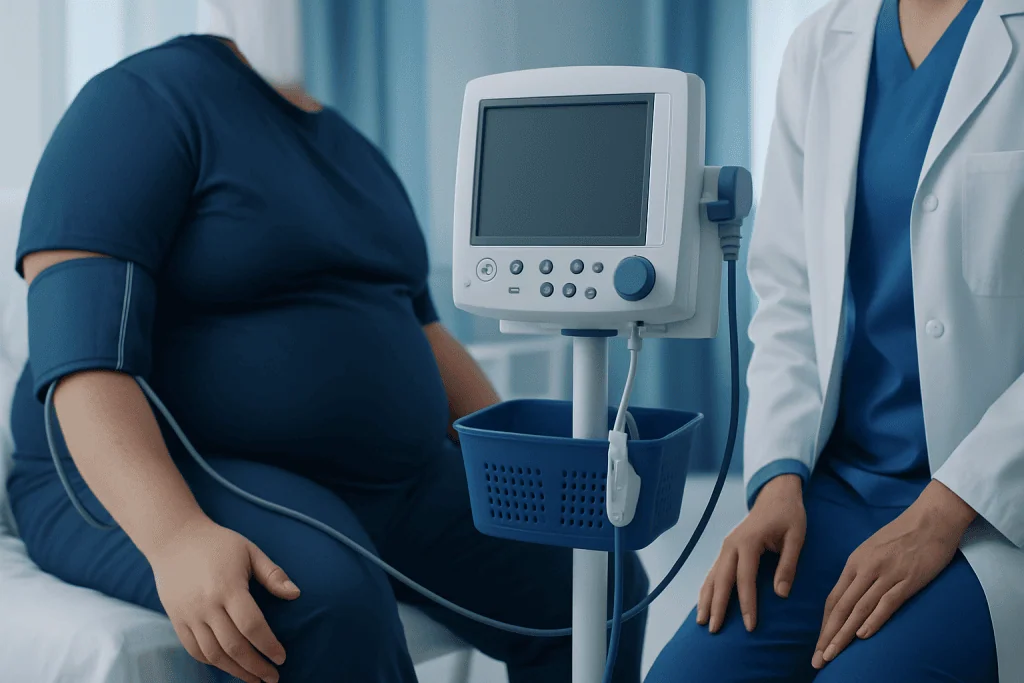
Excess body weight can raise blood pressure through several pathways. The heart may need to pump more blood to supply body tissues, blood vessels may become less flexible, and the kidneys may retain more salt and fluid. Obesity is also associated with increased activity of the sympathetic nervous system, which can narrow blood vessels and increase heart rate.
After bariatric surgery, reduced calorie intake and metabolic changes support weight loss. As weight decreases, many patients experience lower blood pressure readings, improved cholesterol levels, better blood sugar control, and reduced strain on joints and breathing. Improvement in obstructive sleep apnea can also help, because untreated sleep apnea is a strong contributor to resistant hypertension.
Blood pressure changes can happen faster than expected, especially when fluid intake, sodium intake, appetite, and weight are changing after surgery. This is why patients are often asked to check blood pressure at home and bring a record to follow-up appointments. A single reading is less useful than a pattern measured correctly over several days.
Bariatric Procedures and Their Blood Pressure Effects

The most suitable bariatric procedure depends on body mass index, medical history, eating pattern, reflux symptoms, diabetes status, previous abdominal surgery, and patient preference. Procedures differ in how they restrict food intake, affect gut hormones, and influence medication absorption. A bariatric specialist explains expected benefits and risks for each option.
Common operations include gastric sleeve surgery, which removes a large portion of the stomach, and gastric bypass, which creates a small stomach pouch and reroutes part of the small intestine. Both can lead to meaningful weight loss and may improve hypertension, but the pattern of medication tolerance and absorption may differ between patients.
Some people may be considered for less invasive approaches, such as an intragastric balloon, or for other surgical techniques depending on local availability and clinical suitability. These options can support weight reduction, but blood pressure improvement still depends on total weight loss, long-term habits, and careful management of other cardiovascular risk factors.
Medication Review After Surgery
Medication review is a central part of care for patients with high blood pressure who undergo bariatric surgery. As blood pressure falls, continuing the same doses of medicines may sometimes cause dizziness, weakness, fainting, or very low blood pressure. At the same time, stopping medicines too early can allow blood pressure to rise again, especially during stress, pain, dehydration, or weight regain.
Doctors may review several types of medicines, including diuretics, ACE inhibitors, angiotensin receptor blockers, calcium channel blockers, beta blockers, and medicines used for diabetes, cholesterol, or blood thinning. Diuretics need particular attention because they increase fluid loss, and early recovery after bariatric surgery already requires careful hydration.
Patients should bring a complete medication list to every appointment, including over-the-counter products, herbal supplements, vitamins, and pain relievers. Tablets may need to be crushed, changed to liquid form, or switched to alternatives for a short period, but this should be done only with professional advice. Extended-release medicines may not be suitable for every bariatric patient, especially after bypass procedures.
Useful medication safety steps include:
- Checking blood pressure at the same time each day when advised.
- Recording symptoms such as dizziness, palpitations, swelling, or headaches.
- Asking before taking anti-inflammatory pain medicines, which may affect the stomach, kidneys, and blood pressure.
- Keeping follow-up visits even when blood pressure readings improve.
Diagnosis, Monitoring, and Follow-up
Before surgery, patients usually have a full medical assessment. This may include repeated blood pressure measurements, blood tests, heart evaluation when indicated, sleep apnea screening, diabetes assessment, kidney function tests, and review of previous cardiovascular events. Accurate diagnosis matters because some people have white-coat hypertension in clinics, while others have masked hypertension at home.
Home monitoring is often recommended for people taking blood pressure medication. A validated upper-arm cuff is generally preferred, and readings are most helpful when taken after resting, with the feet on the floor and the arm supported. Patients should ask their doctor what range is expected and when to call for advice.
Follow-up after bariatric surgery is long term. Early visits focus on hydration, wound healing, nutrition progression, medication adjustment, and symptom control. Later visits focus on weight trend, blood pressure stability, vitamin and mineral levels, eating behavior, physical activity, and prevention of weight regain.
Lifestyle Habits That Support Long-Term Blood Pressure Control
Surgery is a powerful tool, but it works best as part of a long-term treatment plan for obesity and related health conditions. Eating patterns after surgery typically progress from liquids to soft foods and then to small, protein-focused meals. A dietitian helps patients meet protein, fluid, vitamin, and mineral needs while avoiding excessive sugar, alcohol, and high-salt foods.
Reducing sodium intake can help blood pressure, but patients should not follow extreme diets unless advised by their doctor. After bariatric surgery, dehydration can occur if fluid intake is too low, particularly during vomiting, diarrhea, hot weather, or illness. Good hydration supports kidney function and helps avoid dizziness when blood pressure medicines are being adjusted.
Regular physical activity also supports blood pressure control, weight maintenance, and heart health. Most patients begin with gentle walking and gradually increase activity as the surgical team advises. Strength training, when appropriate, can help preserve muscle during weight loss and improve metabolic health.
Sleep and stress management are also important. Treating sleep apnea, limiting alcohol, avoiding tobacco, and maintaining regular medical care can all improve cardiovascular risk. Patients with diabetes, kidney disease, or a history of heart disease may need closer monitoring because blood pressure targets and medication choices can differ.
When to See a Doctor
Patients should seek medical advice if blood pressure readings are repeatedly higher or lower than the range recommended by their doctor, or if they develop dizziness, fainting, chest discomfort, shortness of breath, severe headache, confusion, new swelling, or reduced urination. These symptoms do not always mean a serious problem, but they should be assessed promptly and appropriately.
After surgery, patients should also contact their care team for persistent vomiting, inability to drink enough fluids, signs of dehydration, or difficulty taking prescribed medicines. Medication plans may need adjustment during illness, rapid weight loss, or changes in kidney function. Clear communication helps prevent both undertreatment and overtreatment of hypertension.
International patients can receive evaluation and treatment for obesity-related hypertension through multidisciplinary teams at Acibadem International, where JCI-accredited hospitals provide bariatric, cardiology, nutrition, and follow-up care. Treatment decisions should always be individualized after a qualified medical assessment.
Frequently asked questions
Can bariatric surgery cure high blood pressure?
Bariatric surgery can lead to major improvement in high blood pressure for many patients, and some may reduce or stop medication under medical supervision. It is not considered a guaranteed cure because age, genetics, kidney health, sleep apnea, and long-term weight maintenance also affect blood pressure.
How soon can blood pressure improve after bariatric surgery?
Some patients notice lower readings within weeks, while others improve gradually as weight loss continues over months. Because blood pressure can change quickly, regular monitoring is important during the early recovery period.
Should blood pressure medicines be stopped after surgery?
No. Blood pressure medicines should not be stopped or changed without a doctor’s instructions. The care team may reduce, pause, or switch medicines based on blood pressure readings, symptoms, hydration, kidney function, and the type of bariatric procedure.
Why can dizziness happen after bariatric surgery?
Dizziness may occur because of lower blood pressure, dehydration, reduced food intake, changes in medication needs, or standing up too quickly. Patients should report persistent dizziness, fainting, or weakness so the medical team can check hydration status and medication dosing.
Does gastric sleeve or gastric bypass work better for hypertension?
Both procedures can improve hypertension by supporting weight loss and metabolic changes. The best choice depends on the patient’s overall health, reflux symptoms, diabetes status, anatomy, preferences, and surgeon’s assessment rather than blood pressure alone.
Is home blood pressure monitoring necessary after bariatric surgery?
Home monitoring is often very helpful for patients who had hypertension before surgery or who continue to take blood pressure medication. A written record helps doctors identify trends and make safer medication adjustments.
References
- World Health Organization
- American Heart Association
- American Society for Metabolic and Bariatric Surgery
- National Institute for Health and Care Excellence
- European Society of Cardiology
This article is for general information only and is not a substitute for professional medical advice. Please consult a qualified doctor about your individual situation.
Bariatric Surgery in Turkey — costs, top hospitals & a free quote
JCI-accredited · board-certified surgeons · reply within 24h
Add us as a Preferred Source to see more of our trusted health content across Google Search, AI Overviews and Discover.
Check your numbers in seconds
BMI, calories, due date, blood pressure and 30+ more clinical calculators — free, instant, doctor-reviewed ranges.

Bariatric & Metabolic Surgery
Surgical and endoscopic treatments for obesity and metabolic conditions.
Related Treatments
Related Conditions
More from the Health Library



Related Specialists

Prof. Dr. Tayfun Karahasanoğlu
General Surgery
Prof. Dr. Güralp Onur Ceyhan
General Surgery
Prof. Dr. Volkan Özben
General Surgery
Assoc. Prof. Dr. Halil Kara
General Surgery