

Bariatric Surgery for PCOS: Weight Loss, Fertility, and Metabolic Benefits

PCOS and obesity can reinforce each other through insulin resistance, hormone imbalance, and inflammation. Bariatric surgery may improve metabolic health, menstrual regularity, ovulation, and fertility potential in appropriately selected patients.
Key Takeaways
- PCOS and obesity can reinforce each other through insulin resistance, hormone imbalance, and inflammation.
- Bariatric surgery may improve metabolic health, menstrual regularity, ovulation, and fertility potential in appropriately selected patients.
- Pregnancy is usually delayed for 12 to 18 months after bariatric surgery to allow weight and nutrition to stabilize.
- Long-term follow-up is essential to monitor vitamins, minerals, weight changes, and PCOS symptoms.
- Surgery is considered when lifestyle and medical treatment are not enough and the patient meets established obesity-related criteria.
Bariatric surgery may help selected people with polycystic ovary syndrome and severe obesity improve weight, insulin resistance, menstrual regularity, and fertility-related health. It is not a cure for PCOS, but it can be an effective part of a long-term plan that includes nutrition, movement, medical follow-up, and pregnancy planning.
Overview
Polycystic ovary syndrome, often called PCOS, is a common hormone and metabolic condition that can affect menstrual cycles, ovulation, skin, hair growth, body weight, and long-term health. Many people with PCOS also have insulin resistance, which means the body needs more insulin to keep blood sugar in a healthy range. This can make weight management more difficult and may increase the risk of type 2 diabetes, fatty liver disease, high blood pressure, and abnormal cholesterol levels.
Bariatric surgery is a group of operations designed to support significant and sustained weight loss in people with obesity. For patients with PCOS and severe obesity, weight loss after surgery can reduce insulin resistance and androgen levels, which may lead to more regular periods and improved ovulation. The goal is not only a lower number on the scale, but better metabolic, reproductive, and overall health.
Bariatric Surgery for PCOS is not suitable for everyone, and it is not considered a direct fertility treatment. It is best understood as a metabolic treatment that may improve the body environment in which ovulation and pregnancy can occur. A careful evaluation by bariatric, endocrine, gynecology, nutrition, and sometimes fertility specialists helps determine whether surgery is appropriate and how to time it safely.
How PCOS and Excess Weight Affect Each Other
PCOS is associated with higher-than-usual levels of androgens, which are hormones that can contribute to acne, excess facial or body hair, scalp hair thinning, and irregular ovulation. Insulin resistance can stimulate the ovaries to produce more androgens, creating a cycle in which hormone imbalance and metabolic changes influence each other. This cycle can be present in people of different body sizes, but obesity often makes insulin resistance more pronounced.
Excess body fat, especially around the abdomen, can also affect inflammation, appetite hormones, cholesterol, blood pressure, and glucose metabolism. In PCOS, these changes may make periods more irregular and may reduce the likelihood of spontaneous ovulation. Even modest weight loss can improve symptoms in some people, but for those with severe obesity, maintaining weight loss with lifestyle treatment alone can be especially challenging.
Because PCOS affects both reproductive and metabolic health, treatment is usually individualized. Some patients benefit from nutrition therapy, physical activity, sleep improvement, stress management, and medications such as insulin-sensitizing treatments or hormonal contraceptives. Bariatric surgery may be considered when these approaches have not produced enough improvement and the patient meets recognized criteria for obesity treatment.
Who May Be a Candidate for Bariatric Surgery
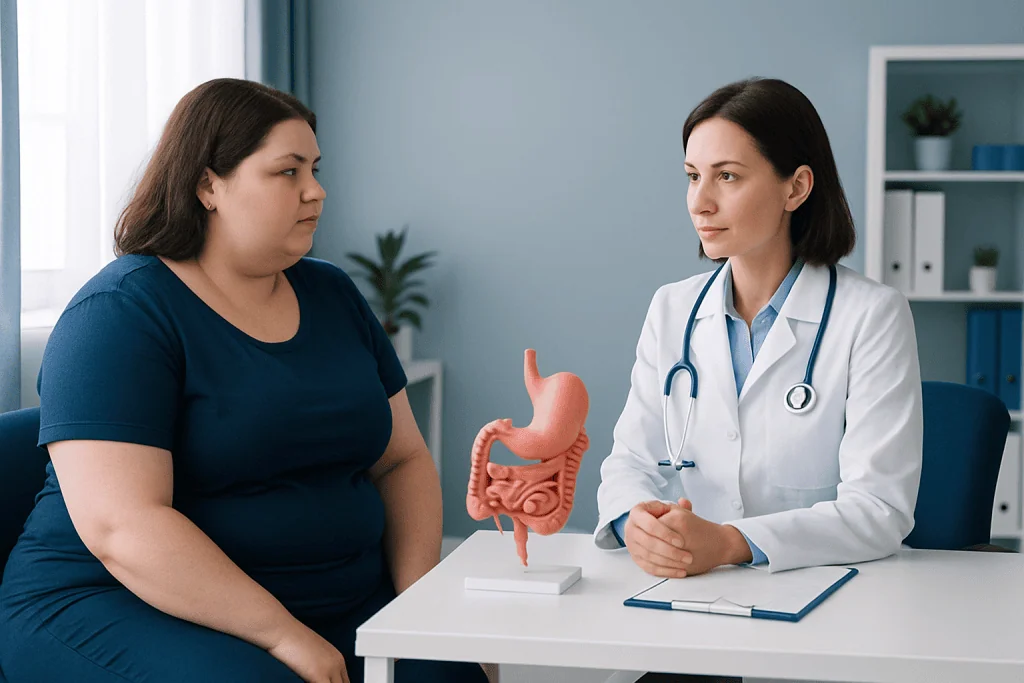
Eligibility for bariatric surgery is based mainly on body mass index, obesity-related health conditions, previous attempts at weight management, and readiness for long-term follow-up. In many guidelines, surgery may be considered for adults with a BMI of 40 or higher, or a BMI of 35 or higher with obesity-related conditions such as type 2 diabetes, hypertension, sleep apnea, or fatty liver disease. Some patients with lower BMI and significant metabolic disease may also be evaluated depending on local guidance and specialist assessment.
For someone with PCOS, the decision also considers menstrual history, fertility goals, diabetes risk, medication use, mental health, eating patterns, and nutritional status. The healthcare team will review whether symptoms may have other causes, such as thyroid disease, high prolactin, adrenal disorders, or certain medications. Surgery is usually not recommended during pregnancy or when a person is unable to participate in the required lifestyle and follow-up program.
A preoperative assessment often includes blood tests, nutritional evaluation, imaging or endoscopy when indicated, psychological assessment, and counseling about procedure choices. Patients should understand that bariatric surgery is a tool, not a stand-alone solution. The best outcomes are seen when surgery is combined with sustainable eating habits, regular movement, vitamin and mineral supplementation, and ongoing medical care.
Treatment Options and Expected Benefits
The two most commonly discussed operations for PCOS with severe obesity are sleeve gastrectomy and gastric bypass. In a sleeve procedure, a large portion of the stomach is removed, creating a smaller stomach shape and changing hunger-related hormones. In a bypass procedure, the digestive pathway is changed so food passes through a smaller stomach pouch and part of the small intestine is bypassed, which can affect both food intake and metabolism.
Both approaches can lead to substantial weight loss and improvements in insulin resistance, blood sugar, blood pressure, cholesterol, and fatty liver disease. In people with PCOS, these metabolic improvements may be accompanied by more regular menstrual cycles, lower androgen-related symptoms, and improved ovulation. The degree of improvement varies, and some patients still need PCOS medications or fertility care after weight loss.
The choice between gastric sleeve surgery and gastric bypass depends on BMI, reflux symptoms, diabetes severity, eating patterns, medication needs, previous abdominal surgery, and personal preferences. A sleeve may be preferred for some patients because it is technically simpler and does not bypass the intestine. A bypass may be considered when there is significant reflux or metabolic disease, but it requires particular attention to nutrient absorption.
Non-surgical options may also be discussed for patients who are not candidates for an operation or prefer a less invasive approach. These may include structured medical weight management, approved weight-loss medications, and endoscopic treatments in selected cases. The aim is to match the treatment to the patient’s health profile rather than using one approach for everyone.
Fertility and Pregnancy Considerations
Improved ovulation after weight loss can increase the chance of natural conception, sometimes sooner than expected. For this reason, reliable contraception is important after bariatric surgery, even for patients who previously had irregular periods or difficulty becoming pregnant. The return of more regular cycles is generally a positive sign, but pregnancy should be planned carefully.
Most specialists advise delaying pregnancy for about 12 to 18 months after bariatric surgery. During this early period, weight loss is rapid and the risk of nutritional deficiencies may be higher. Waiting allows body weight, eating patterns, and vitamin and mineral levels to stabilize, which supports a safer pregnancy environment.
Before trying to conceive, patients should meet with their bariatric team, obstetrician-gynecologist, and, when needed, a reproductive endocrinologist. Blood tests may check iron, vitamin B12, folate, vitamin D, calcium, protein status, and other nutrients. People who have had procedures that affect absorption, especially bypass operations, may need closer monitoring throughout pregnancy.
Bariatric surgery does not guarantee pregnancy, and it does not treat all causes of infertility. Some patients may still need ovulation induction, treatment for a partner’s fertility factors, or assisted reproduction. However, for selected patients with PCOS and severe obesity, improved metabolic health can make fertility treatment safer and potentially more effective.
Risks, Recovery, and Long-Term Follow-Up
Like any operation, bariatric surgery has potential risks. These may include bleeding, infection, blood clots, leaks from surgical connections or staple lines, reflux, nausea, gallstones, dumping symptoms after some procedures, and the need for additional procedures. Serious complications are uncommon in experienced centers, but patients should be informed and monitored carefully.
Nutritional deficiencies are a key long-term concern, especially for iron, vitamin B12, folate, vitamin D, calcium, and sometimes protein. This matters for all patients and is particularly important for those planning pregnancy. Lifelong supplements, routine blood testing, and dietitian support are essential parts of care.
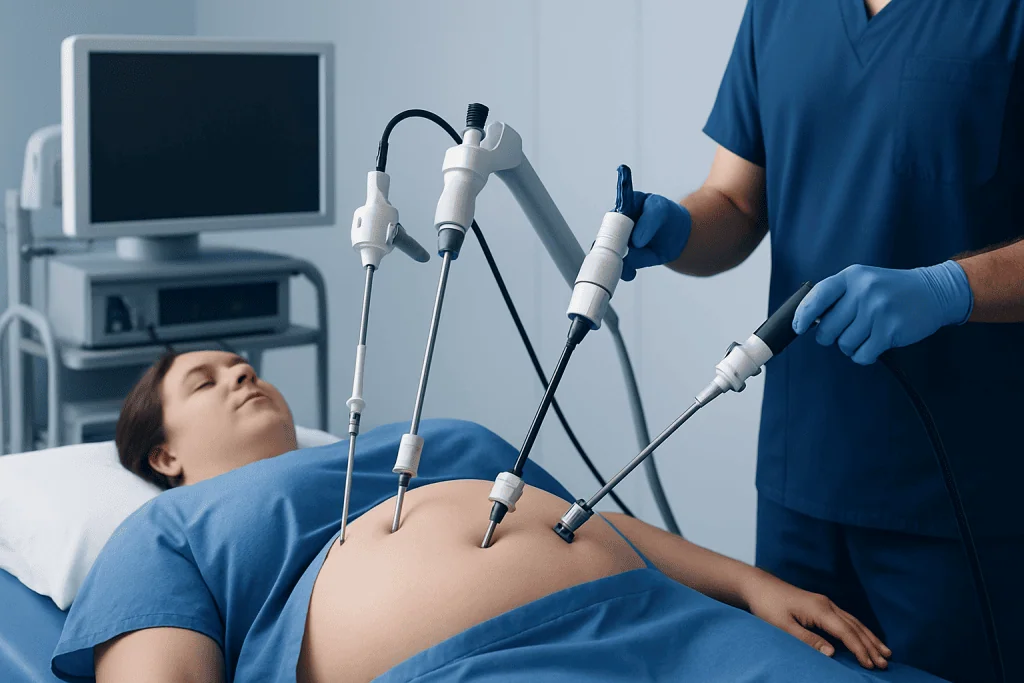
Recovery varies by procedure and individual health status. Many bariatric operations are performed using minimally invasive techniques, sometimes described as laparoscopic bariatric surgery, which may support smaller incisions and a structured recovery plan. Patients gradually progress from liquids to soft foods and then to a balanced long-term eating pattern under clinical guidance.
Emotional adjustment is also important. Rapid weight loss can change appetite, body image, relationships, and coping habits. Psychological support, peer support, and honest communication with the care team can help patients manage these changes in a healthy way.
Prevention, Self-Care, and Healthy Habits After Surgery
PCOS symptoms often improve when insulin resistance improves, but ongoing self-care remains important after surgery. Patients are usually encouraged to focus on protein-rich meals, vegetables, high-fiber carbohydrates in appropriate portions, healthy fats, and adequate fluid intake. Eating slowly, avoiding frequent grazing, and limiting sugary drinks can help protect long-term results.
Physical activity supports weight maintenance, insulin sensitivity, mood, sleep, and cardiovascular health. A gradual plan may include walking during early recovery, followed by strength training and aerobic exercise as approved by the healthcare team. Building muscle is especially helpful because muscle tissue uses glucose efficiently and supports metabolic health.
Sleep quality and stress management also matter in PCOS. Poor sleep can affect appetite hormones and insulin sensitivity, while chronic stress may make healthy routines harder to sustain. Patients may benefit from regular sleep schedules, treatment for sleep apnea when present, mindfulness strategies, and support for anxiety or depression if needed.
Follow-up visits should not stop once weight loss goals are reached. PCOS can change over time, and weight regain can occur if support is lost. Regular reviews with the bariatric team, primary doctor, gynecologist, endocrinologist, and dietitian help monitor menstrual patterns, metabolic markers, nutritional status, and long-term wellbeing.
When to See a Doctor
A person with PCOS should seek medical advice if periods are very irregular, fertility is a concern, symptoms such as acne or excess hair growth are distressing, or there are signs of metabolic risk such as rising blood sugar, high blood pressure, abnormal cholesterol, or fatty liver disease. Early assessment can help clarify the diagnosis and guide treatment before complications develop.
Patients considering weight-loss surgery should consult a qualified bariatric specialist if they have severe obesity, repeated difficulty maintaining weight loss, or obesity-related conditions. A comprehensive evaluation can explain the benefits, risks, alternatives, and realistic expectations of surgery. It can also identify whether medical weight management or another option may be more appropriate.
Urgent medical attention is needed after surgery for severe abdominal pain, persistent vomiting, inability to drink fluids, fever, chest pain, shortness of breath, fainting, black stools, or signs of dehydration. These symptoms do not always mean a serious problem is present, but they should be assessed promptly.
Acibadem International’s multidisciplinary specialists and JCI-accredited hospitals evaluate and treat obesity, PCOS-related metabolic concerns, and fertility-related health needs for international patients. Care planning typically involves coordination between bariatric surgery, endocrinology, gynecology, nutrition, and other relevant specialties.
Frequently asked questions
Can bariatric surgery cure PCOS?
Bariatric surgery does not cure PCOS, because PCOS is a long-term hormone and metabolic condition. However, significant weight loss can improve insulin resistance, androgen levels, menstrual regularity, and ovulation in many patients. Some people still need medication or fertility treatment after surgery.
How much weight loss is needed to improve PCOS symptoms?
Even modest weight loss can improve insulin sensitivity and menstrual patterns in some people with PCOS. Bariatric surgery may lead to greater and more sustained weight loss in patients with severe obesity. The amount of symptom improvement varies from person to person.
Is gastric sleeve or gastric bypass better for PCOS?
There is no single best procedure for every patient with PCOS. Gastric sleeve and gastric bypass can both improve weight and metabolic health, but they differ in how they affect reflux, nutrient absorption, diabetes control, and long-term follow-up needs. The decision should be made with a bariatric team after a full evaluation.
How long after bariatric surgery should pregnancy be delayed?
Many specialists recommend waiting about 12 to 18 months before trying to conceive after bariatric surgery. This allows rapid weight loss to slow and gives time to correct or prevent nutritional deficiencies. Patients should plan pregnancy with their bariatric team and obstetrician.
Will fertility improve immediately after surgery?
Ovulation may improve as weight and insulin resistance improve, and some people become fertile sooner than expected. Because of this, contraception is important after surgery until pregnancy is planned and medically advised. Fertility improvement is possible but not guaranteed.
What vitamins are important after bariatric surgery for PCOS?
Commonly monitored nutrients include iron, vitamin B12, folate, vitamin D, calcium, and protein status. Needs vary by procedure, diet, laboratory results, and pregnancy plans. Patients should use supplements recommended by their healthcare team rather than self-prescribing.
Can PCOS symptoms return after bariatric surgery?
PCOS symptoms can change over time, and some may return or persist, especially if insulin resistance worsens or weight is regained. Long-term nutrition, exercise, sleep care, and medical follow-up help maintain benefits. Ongoing gynecology and endocrine care remain important.
References
- World Health Organization
- American Society for Metabolic and Bariatric Surgery
- Endocrine Society
- American College of Obstetricians and Gynecologists
- European Society of Human Reproduction and Embryology
This article is for general information only and is not a substitute for professional medical advice. Please consult a qualified doctor about your individual situation.
Bariatric Surgery in Turkey — costs, top hospitals & a free quote
JCI-accredited · board-certified surgeons · reply within 24h
Add us as a Preferred Source to see more of our trusted health content across Google Search, AI Overviews and Discover.
Check your numbers in seconds
BMI, calories, due date, blood pressure and 30+ more clinical calculators — free, instant, doctor-reviewed ranges.

Bariatric & Metabolic Surgery
Surgical and endoscopic treatments for obesity and metabolic conditions.
Related Treatments
Related Conditions
More from the Health Library



Related Specialists
Prof. Dr. Tayfun Karahasanoğlu
General Surgery
Prof. Dr. Güralp Onur Ceyhan
General Surgery
Prof. Dr. Volkan Özben
General Surgery
Assoc. Prof. Dr. Halil Kara
General Surgery