Bcg Therapy: How It Works, Results and What to Expect

BCG is a live, weakened bacterium used as intravesical immunotherapy, not chemotherapy. It is commonly used after tumor removal for intermediate- or high-risk non-muscle-invasive bladder cancer.
Key Takeaways
- BCG is a live, weakened bacterium used as intravesical immunotherapy, not chemotherapy.
- It is commonly used after tumor removal for intermediate- or high-risk non-muscle-invasive bladder cancer.
- Response is assessed with cystoscopy, urine testing when appropriate, and sometimes bladder biopsies—not symptoms alone.
- Short-term urinary irritation is common; high fever or feeling severely unwell needs urgent medical advice.
- The number of BCG doses and maintenance treatments depends on cancer risk, tolerance, and follow-up findings.
BCG therapy is an immunotherapy placed directly into the bladder to treat certain non-muscle-invasive bladder cancers and reduce the chance that they return or progress. Treatment involves a planned series of bladder instillations, regular follow-up cystoscopies, and attention to possible urinary and flu-like side effects.
BCG Therapy Overview: How It Works
BCG therapy is a treatment placed directly into the bladder for certain early-stage bladder cancers. It uses Bacillus Calmette-Guérin (BCG), a live but weakened bacterium that activates local immune responses. This immune activity helps the body find and destroy remaining abnormal cancer cells after a bladder tumor has been removed.
It is mainly used for non-muscle-invasive bladder cancer, meaning cancer confined to the bladder lining or the tissue just beneath it. BCG is not usually used as the main treatment when cancer has invaded the bladder muscle or spread beyond the bladder. In those situations, the care team discusses other approaches based on the cancer stage and the person’s overall health.
BCG is delivered into the bladder through a thin catheter rather than given through a vein. This approach is called intravesical therapy. It allows the medicine to work primarily in the bladder and limits whole-body exposure, although side effects can still occur.
For people considering broader care options for bladder cancer, a urologist and oncology team can explain how tumor grade, stage, and recurrence risk guide treatment decisions.
Who May Be a Candidate for BCG Therapy?
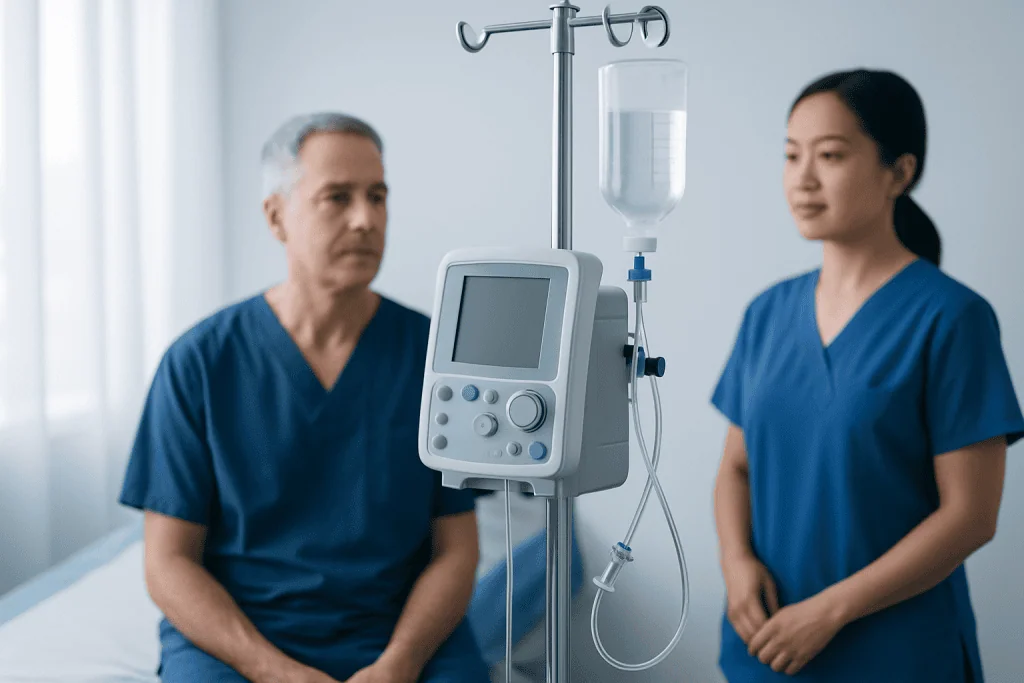
BCG is most often recommended after transurethral resection of a bladder tumor (TURBT), a procedure used to remove visible tumors and obtain tissue for diagnosis. It may be advised for carcinoma in situ, high-grade tumors, and selected intermediate-risk tumors because these cancers have a higher chance of returning or progressing than low-risk disease.
Before treatment, clinicians review the pathology report, cystoscopy findings, medical history, medicines, immune status, and urinary symptoms. The bladder should have had time to heal after surgery. BCG is commonly postponed if there is significant blood in the urine, a urinary tract infection, traumatic catheterization, or an active illness.
BCG may not be suitable for everyone. People with substantially weakened immune systems, certain infections, or a history of serious reaction to BCG need individualized assessment. Pregnancy and other health conditions should also be discussed with the treating clinician.
Care planning may involve urology, pathology, medical oncology, infectious disease specialists when needed, and nursing teams. The goal is to balance the expected benefit of lowering bladder cancer recurrence or progression with safety and treatment tolerance.
BCG Treatment: Step by Step

Before each appointment, the clinical team may ask about fever, urinary symptoms, recent antibiotics, visible blood in the urine, and any previous side effects. A urine sample may be checked if infection is suspected. Patients are given specific instructions about fluids and bladder emptying before arrival, which can vary by treatment center.
During the procedure, a clinician gently passes a catheter through the urethra into the bladder. The bladder is drained, and the BCG solution is placed through the catheter. The catheter is then removed in most cases. The instillation itself is usually brief, though the appointment may take longer for preparation and observation.
Patients are generally asked to keep the BCG in the bladder for a limited period, often up to about two hours, unless their care team gives different instructions. They may be asked to change position periodically so the solution contacts different areas of the bladder lining. Afterwards, they urinate as instructed and follow the center’s hygiene guidance because BCG is a live organism.
Intravesical treatment is delivered and monitored by a specialist team. BCG treatment for bladder cancer should always follow the exact schedule, preparation steps, and safety guidance provided by the treating urologist.
How Many Rounds of BCG Do You Need for Bladder Cancer?
The number of BCG treatments depends on the type and risk level of bladder cancer, how well treatment is tolerated, and results from follow-up examinations. A common starting plan is an induction course of once-weekly instillations for six weeks. This is often described as one induction course rather than six separate rounds.
For many people with high-risk non-muscle-invasive bladder cancer, clinicians may recommend maintenance BCG after induction. Maintenance consists of additional short courses given at planned intervals over time. The exact schedule differs between treatment protocols and may be adjusted if side effects, supply availability, or clinical findings make changes necessary.
Regular cystoscopy is essential because it allows the clinician to inspect the bladder directly. If cancer is found again, the team may recommend another resection, further intravesical treatment, a different medicine, clinical trial options where available, or other treatment depending on the findings.
There is no single number of treatments that is right for every person. Completing a recommended course can be valuable, but treatment should never be continued through significant complications without prompt clinical review.
How Do You Know if BCG Treatment Is Working?
BCG treatment is considered effective when follow-up testing shows no visible bladder tumor and no evidence of persistent high-grade disease. The most important assessment is cystoscopy, in which a urologist uses a small camera to examine the inside of the bladder. This is usually performed at scheduled intervals after treatment.
Urine cytology, which looks for abnormal cells in urine, may also be used, particularly for high-grade disease or carcinoma in situ. If an area looks suspicious or urine results are concerning, a biopsy or repeat tumor resection may be needed. Imaging may be added when the clinician needs to assess the kidneys, ureters, or other areas.
Symptoms alone cannot reliably show whether BCG is working. Burning with urination, urgency, or fatigue can occur as treatment effects and do not necessarily indicate that cancer remains. Conversely, a person may feel well even if a recurrence is developing, which is why ongoing surveillance is so important.
Follow-up plans are personalized, but they commonly continue for years because non-muscle-invasive bladder cancer can recur after a period without evidence of disease.
What Can You Not Do After BCG Treatment?
After BCG treatment, patients should follow the specific safety directions from their clinic. For a limited time after urinating, the team may advise hygiene precautions such as sitting to urinate, avoiding splashing, washing hands carefully, and using a disinfectant in the toilet as instructed. These measures help reduce exposure to the live, weakened bacteria.
Patients should not ignore fever, chills, worsening urinary pain, or feeling generally unwell after an instillation. They should contact the treating team before taking antibiotics or starting new medicines unless another clinician has advised urgent treatment, because medication choices can affect evaluation and management.
Strenuous activity may be best avoided on the day of treatment if it worsens fatigue or urinary discomfort. Alcohol, fluid intake, sexual activity, and work restrictions vary according to individual health and the center’s instructions, so the care team should give personalized advice rather than relying on a universal rule.
It is also important to avoid missing planned surveillance appointments. The procedure may be brief, but its success depends on the full care pathway: tumor removal, appropriate instillations, symptom reporting, and repeat bladder examinations.
Do BCG Side Effects Get Worse With Each Treatment?
BCG side effects do not always get worse with each treatment. Some people have mild symptoms after only one instillation, while others notice increasing bladder irritation later in a course. Many experience symptoms that are temporary and manageable, such as frequent urination, urgency, burning during urination, mild fatigue, or low-grade fever.
Side effects commonly begin within hours of treatment and often improve within one to two days. The clinical team may adjust the schedule, delay a dose, or recommend supportive measures when symptoms are persistent or difficult to tolerate. Patients should report symptoms honestly, as continuing treatment when a serious reaction is developing is not appropriate.
Rarely, BCG can cause a significant infection or inflammatory reaction beyond the bladder. Warning signs include high or persistent fever, shaking chills, shortness of breath, confusion, severe weakness, joint pain with fever, or symptoms that continue or worsen rather than improve. These require urgent medical assessment, and the patient should tell clinicians that they have recently received intravesical BCG.
Most patients can work with their team to manage common treatment effects safely. A written symptom plan, including whom to contact outside regular office hours, can provide reassurance during a treatment course.
When to Seek Medical Care
Patients should contact their urology team promptly for fever, worsening burning or urgency, visible blood in the urine that is heavy or persistent, inability to pass urine, or symptoms lasting longer than expected after BCG. The treatment team can determine whether testing, a delayed treatment session, or another intervention is needed.
Urgent medical care is important for a high fever, shaking chills, severe weakness, breathing difficulty, confusion, chest pain, fainting, or a rapidly worsening illness. When seeking urgent care, patients should clearly state that they have had BCG placed in the bladder, including the date of the most recent treatment.
Between treatments, staying hydrated as advised, following toilet hygiene instructions, and attending all planned reviews can support safe care. Acibadem International’s multidisciplinary specialists and JCI-accredited hospitals diagnose and treat bladder cancer for international patients, with treatment plans tailored to pathology and follow-up needs.
People who have new urinary bleeding, persistent urinary symptoms, or unexplained urinary changes should seek medical evaluation rather than assuming they are related to a prior treatment.
Frequently asked questions
What is BCG therapy used for?
BCG therapy is mainly used for certain non-muscle-invasive bladder cancers after visible tumors have been removed. It helps stimulate an immune response in the bladder to reduce the likelihood of cancer returning or progressing in selected patients.
Is BCG therapy chemotherapy?
No. BCG is an immunotherapy that uses a live, weakened bacterium to activate immune activity in the bladder. It is placed directly into the bladder through a catheter, whereas chemotherapy works differently and may be given into the bladder or throughout the body depending on the treatment plan.
How long does BCG stay in the bladder?
The solution is commonly kept in the bladder for up to about two hours. The exact timing may differ based on the treatment center’s protocol and a patient’s ability to tolerate the instillation, so the treating team’s instructions should be followed.
Can BCG therapy cure bladder cancer?
BCG can be highly effective at treating and reducing recurrence or progression of certain non-muscle-invasive bladder cancers. However, bladder cancer can return, so it cannot replace regular cystoscopy and long-term surveillance.
How long do BCG side effects last?
Common urinary symptoms and mild flu-like feelings often improve within one to two days after an instillation. Symptoms that are severe, persist, or worsen should be reported promptly because they may need evaluation or treatment.
Can you have BCG if you have a urinary tract infection?
BCG is generally delayed when a urinary tract infection is present because infection and bladder inflammation can increase risks and make symptoms harder to interpret. Patients should tell their team about burning, fever, cloudy urine, or other possible infection symptoms before treatment.
References
- American Urological Association
- European Association of Urology
- National Cancer Institute
- Cancer Research UK
This article is for general information only and is not a substitute for professional medical advice. Please consult a qualified doctor about your individual situation.
Oncology care in Turkey — second opinion and treatment plan
JCI-accredited · board-certified surgeons · reply within 24h
Add us as a Preferred Source to see more of our trusted health content across Google Search, AI Overviews and Discover.

More from the Health Library



Related Specialists

Assoc. Prof. Dr. Selen Kanar
Ophthalmology
Dt. Aydın Akçakoca
Oral & Dental Health
Prof. Dr. Ferhan Öz
Otorhinolaryngology
Fzt. Yusuf Mücahit Turan
Physical Medicine & Rehabilitation