Beard Transplant: Procedure, Cost Factors, and Results Timeline

A beard transplant typically uses the patient’s own hair follicles, most often taken from the back or sides of the scalp. The procedure can improve beard density, fill patchy areas, reshape the beard line, or help restore hair after scars or injury.
Key Takeaways
- A beard transplant typically uses the patient’s own hair follicles, most often taken from the back or sides of the scalp.
- The procedure can improve beard density, fill patchy areas, reshape the beard line, or help restore hair after scars or injury.
- Cost factors usually include graft number, surgical technique, donor area characteristics, clinic setting, and aftercare needs rather than a single fixed price.
- Initial shedding after surgery is common, while visible new growth usually develops gradually over several months.
- Careful patient selection, realistic expectations, and skilled planning are important for natural-looking results.
- A dermatologist or hair restoration specialist can help identify whether an underlying medical condition is contributing to patchy facial hair.
A beard transplant is a procedure that moves hair follicles, usually from the scalp, to areas of the beard or mustache with little or no growth. Most people want to know how it works, what affects the overall cost, and when results appear; the answer depends mainly on donor hair quality, the number of grafts needed, the technique used, and the body’s normal healing cycle.
Overview
A beard transplant is a facial hair restoration procedure that transfers healthy hair follicles from one part of the body, usually the scalp, to the beard, mustache, sideburn, or goatee area. It is commonly chosen by people who have naturally sparse facial hair, patchy growth, uneven beard density, or hair loss caused by scarring, injury, or previous skin inflammation. The goal is not simply to add hair, but to create a pattern, direction, and density that looks natural for the face.
In most cases, transplanted follicles are taken from the back or sides of the scalp because these hairs are genetically more resistant to shedding. Once placed in the beard area, they continue to grow like hair in their original donor site, which means regular trimming or grooming may still be needed. Modern methods focus on placing individual follicular units at carefully chosen angles so the transplanted beard blends with existing facial hair.
Beard restoration is part of the broader field of hair transplantation. People comparing options may also want to learn about hair transplant procedures in general, since the same surgical principles guide donor harvesting, graft preparation, and implantation. Related hair loss patterns and planning topics are discussed in articles such as Norwood scale, how many grafts may be needed for a hair transplant, and hair transplant recovery timeline.
Who May Consider a Beard Transplant
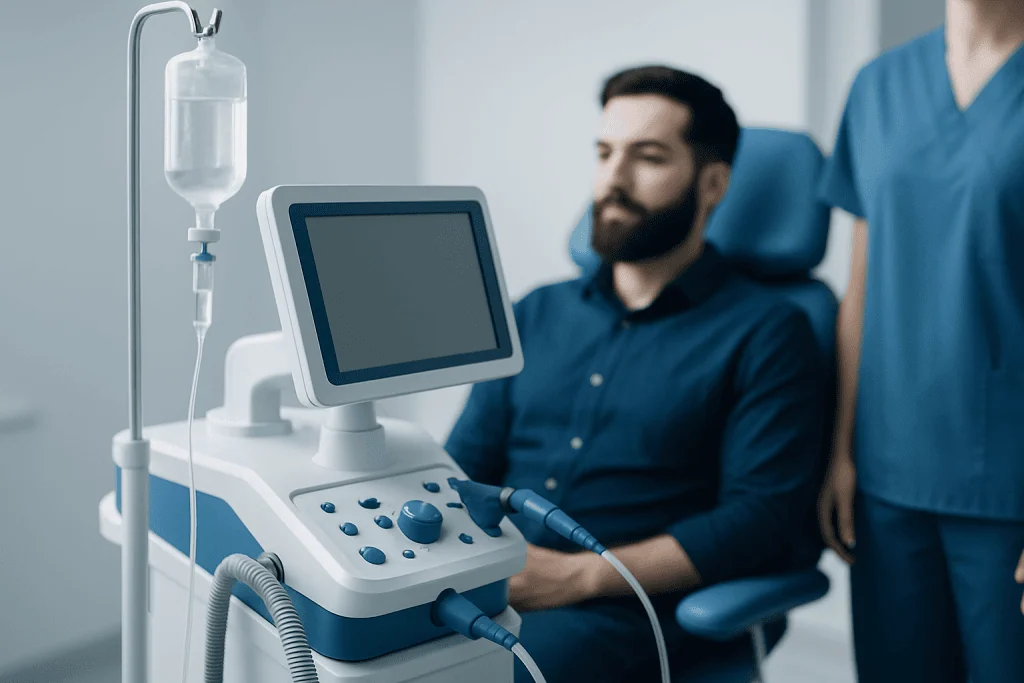
People seek a beard transplant for different reasons. Some have had limited beard growth since adolescence and want a fuller appearance. Others have patchy areas due to genetics, prior inflammation, acne scars, burns, surgery, or trauma. Some want small design changes, such as improving a mustache line, filling sideburns, connecting a goatee, or balancing uneven growth between the two sides of the face.
A good candidate generally has enough healthy donor hair and realistic expectations about density and styling. Skin health also matters. The facial skin should be free of active infection, severe irritation, or uncontrolled inflammatory disease at the time of surgery. Patients who form thick or raised scars, or who have certain chronic skin disorders, may need more careful evaluation before a procedure is advised.
Not every case of patchy facial hair is best treated with transplantation. Some people have a temporary or treatable cause, such as a fungal infection, inflammation, nutritional deficiency, hormonal issue, or an autoimmune condition such as alopecia areata. In these situations, a doctor may recommend medical treatment first, both to protect the skin and to avoid transplanting into unstable areas.
Procedure: How a Beard Transplant Is Done
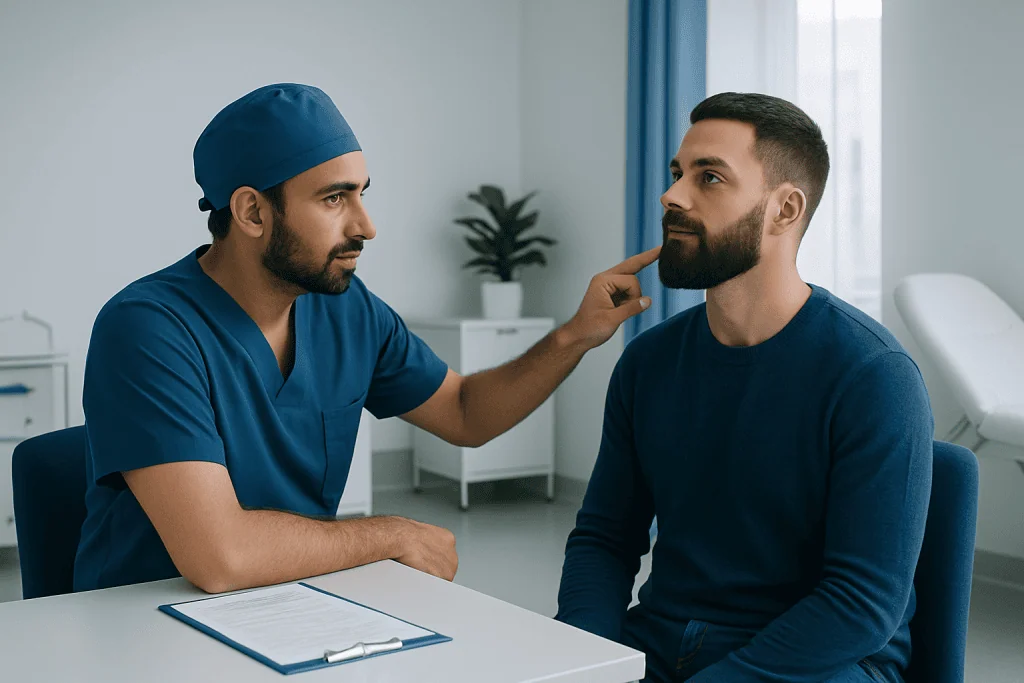
Before surgery, the specialist examines the donor area, reviews the pattern of beard loss, and discusses the desired shape and density. Planning is especially important because facial hair grows at different angles in different regions of the face. For example, sideburns, cheeks, jawline, chin, and mustache all require slightly different direction and spacing for a natural appearance. The surgeon designs the beard with attention to facial proportions, ethnic variation, and the patient’s grooming habits.
Most beard transplants are done with follicular unit extraction, often called FUE. With this technique, individual follicular units are removed one by one from the donor area and then implanted into tiny recipient sites in the beard. In selected cases, other hair restoration approaches may be discussed, but FUE is commonly preferred for facial hair because it allows precise placement and avoids a linear donor scar. Patients exploring methods may also read about FUE hair transplant techniques for a broader understanding of graft harvesting.
The procedure is usually performed under local anesthesia. The donor hair is trimmed, follicles are harvested, and recipient sites are created in the beard area. Each graft is then placed carefully to match the intended direction and density. Depending on the number of grafts, the session may be relatively limited or more extensive. Since facial hair is highly visible, surgeons typically focus on conservative, detail-oriented placement rather than simply maximizing density in one session.
After the procedure, the transplanted area may show tiny crusts, redness, and mild swelling for several days. Detailed aftercare instructions are important to protect grafts during the early healing phase. This often includes guidance on washing, shaving, exercise, sun exposure, and how to avoid rubbing or picking at the treated skin.
Cost Factors and What Influences Planning
There is no single standard price for a beard transplant because the total cost depends on several medical and practical factors. One of the biggest is the number of grafts required. A small correction to a mustache gap or scarred patch may need far fewer grafts than a full beard build-out. The complexity of the design also matters, since creating soft edges and natural transitions across the cheeks and jawline can take time and precision.
The harvesting and implantation technique can also influence cost. Procedures that require more detailed graft selection, single-hair placement, or longer operating times may involve higher overall resource use. Donor hair characteristics play a role as well. Curl, thickness, color contrast with the skin, and the quality of the donor zone can all affect how many grafts are needed to achieve a balanced result.
Other planning factors may include preoperative testing, the experience and makeup of the surgical team, the setting where the procedure is performed, anesthesia approach, and follow-up care. If there is scarring or prior surgery in the beard area, additional planning may be needed because scar tissue can have different blood supply and may not accept grafts as predictably as normal skin. Some patients also combine beard restoration with broader hair planning, such as DHI hair transplant or scalp-focused procedures, which may change the overall treatment strategy.
Because needs vary, it is helpful for patients to ask for an individualized assessment rather than comparing only generic cost figures. A proper consultation should explain how many grafts may be recommended, whether one or more sessions might be needed, what the likely donor limitations are, and how the expected results align with the patient’s goals.
Results Timeline and Recovery
Recovery after a beard transplant follows a predictable pattern, but the exact timeline varies from person to person. In the first few days, mild swelling, small crusts, and tenderness are common. The treated area usually looks more noticeable during this early phase, which is expected. Most crusting gradually loosens and falls away over about one to two weeks, depending on the aftercare routine and the extent of the procedure.
It is also common for many transplanted hairs to shed in the weeks after surgery. This can feel surprising, but it usually reflects the normal hair cycle rather than failure of the transplant. The follicles remain in the skin and enter a resting phase before producing new hair. Early shedding should be discussed at the consultation so patients know what to expect and do not judge the outcome too soon.
Visible regrowth often begins over the next few months, with gradual thickening and improved coverage over time. New beard hairs may initially appear fine or uneven and then mature in texture and density. Final cosmetic improvement often takes many months because transplanted follicles need time to cycle into fuller growth. Patients who want a detailed comparison with scalp procedures may find hair transplant recovery timeline useful, although beard healing has its own practical differences because facial skin moves often and is exposed during daily grooming.
Once growth is established, transplanted beard hair can usually be shaved, trimmed, and styled like other facial hair. Since donor hairs commonly come from the scalp, their texture and growth behavior may differ somewhat from native beard hair, especially early on. With time, many patients find the overall appearance blends well when the procedure has been carefully planned.
Risks, Limitations, and How Doctors Evaluate Safety
Like any surgical procedure, a beard transplant has potential risks. These may include bleeding, infection, prolonged redness, swelling, ingrown hairs, temporary numbness, poor graft growth, or visible irregularity in hair direction or density. Small donor-site marks can occur, especially if healing is not ideal. Most side effects are mild and temporary when the procedure is performed by an experienced team and aftercare instructions are followed closely.
One important limitation is that a transplant cannot create unlimited density if the donor area is limited. Natural results depend on balancing beard goals with available donor supply. The doctor must also assess whether the skin condition is stable. Transplanting into areas affected by active inflammation, infection, or unstable autoimmune hair loss may reduce graft survival or worsen the appearance.
A medical review before surgery helps lower risk. This usually includes a health history, medication review, smoking history, prior scarring tendency, and examination of both donor and recipient areas. If the beard loss pattern appears unusual, the doctor may consider whether other causes such as dermatitis, fungal infection, hormonal imbalance, or inflammatory skin disease should be treated first. In some cases, consultation with dermatology may be part of safe planning.
Self-care and When to Seek Medical Care
Good self-care after a beard transplant supports healing and protects the newly implanted follicles. Patients are usually advised to follow washing instructions carefully, avoid rubbing or scratching the face, delay shaving until cleared by the surgeon, and limit heavy sweating or activities that may traumatize the grafts during the early period. Sun protection and gentle skin care are also important while redness settles.
Long-term self-care includes keeping expectations realistic and understanding that facial hair density builds gradually. It may help to wait until the recommended follow-up period before deciding whether any touch-up is needed. If beard patchiness existed before surgery because of an underlying skin or hair disorder, ongoing medical treatment may still be necessary to maintain surrounding hair health.
Medical care should be sought promptly if there is increasing pain, spreading redness, fever, pus, bad odor, significant bleeding, or swelling that worsens instead of improving. A doctor should also review patchy facial hair that appears suddenly, expands quickly, or is accompanied by scalp hair loss, skin scaling, or itching, because these signs may suggest a treatable condition rather than a cosmetic concern alone.
For people seeking specialist assessment, Acibadem International’s multidisciplinary teams in JCI-accredited hospitals diagnose and treat hair and skin conditions for international patients, including medical evaluation and hair restoration planning when appropriate.
Frequently asked questions
Is a beard transplant permanent?
A beard transplant is generally considered long lasting because the transplanted follicles are taken from areas that are more resistant to shedding. Even so, long-term appearance depends on donor hair quality, proper placement, healing, and whether any underlying skin disease is present.
How long does it take to see beard transplant results?
Early healing usually happens within days to a couple of weeks, but cosmetic results take longer. Many transplanted hairs shed first, and new visible growth often develops gradually over several months before maturing further.
Does a beard transplant hurt?
The procedure is usually done with local anesthesia, so discomfort during surgery is typically limited. Mild soreness, tightness, swelling, or tenderness can occur afterward, but this is often temporary and manageable with the care plan provided by the doctor.
Can a beard transplant fix patchy beard growth?
Yes, it can often improve patchy growth by placing follicles into thin or empty areas. However, the doctor should first rule out treatable causes such as alopecia areata, infection, or inflammation before surgery is planned.
What affects beard transplant cost the most?
The main cost drivers are usually the number of grafts, the complexity of the beard design, the harvesting and implantation method, and the condition of the donor area. Follow-up care, scarred skin, and the need for detailed single-hair placement can also influence overall planning.
Will transplanted beard hair look natural?
Results can look natural when grafts are placed at the right angle, direction, and density for each part of the face. Natural appearance depends heavily on careful design and surgical technique, since facial hair patterns are more visible than scalp hair patterns.
References
- American Academy of Dermatology
- British Association of Dermatologists
- International Society of Hair Restoration Surgery
- American Society of Plastic Surgeons
- National Institute for Health and Care Excellence
This article is for general information only and is not a substitute for professional medical advice. Please consult a qualified doctor about your individual situation.
Beard Transplant in Turkey — costs, top hospitals & a free quote
JCI-accredited · board-certified surgeons · reply within 24h
Add us as a Preferred Source to see more of our trusted health content across Google Search, AI Overviews and Discover.

Hair Transplant
Modern FUE and DHI hair restoration with natural, lasting results.
More from the Health Library

Related Specialists
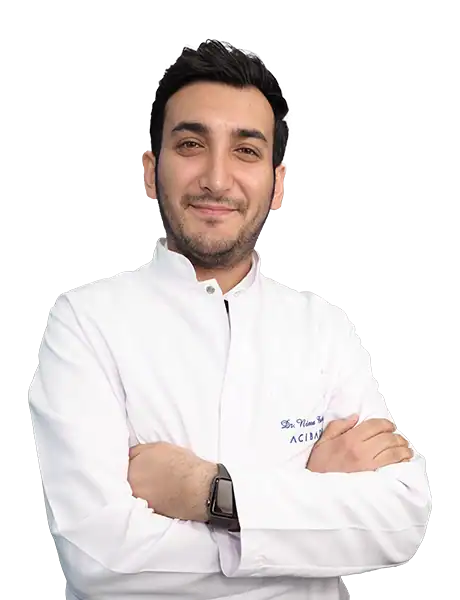
Dr. Nima Babavand Arablou
Emergency Service
Dt. Selen Burçak Şimşek
Oral & Dental Health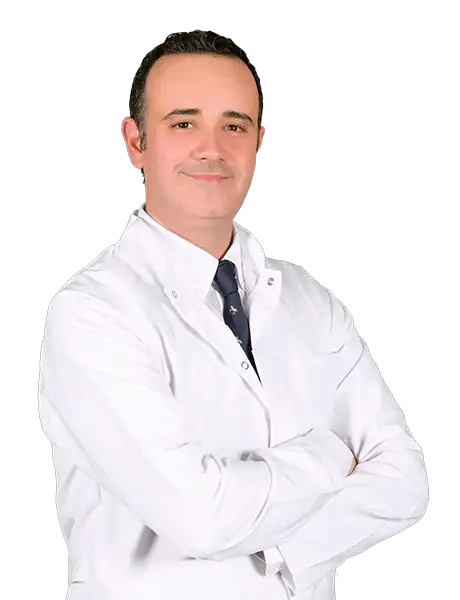
Prof. Dr. Arel Gereli
Orthopedic Surgery & Traumatology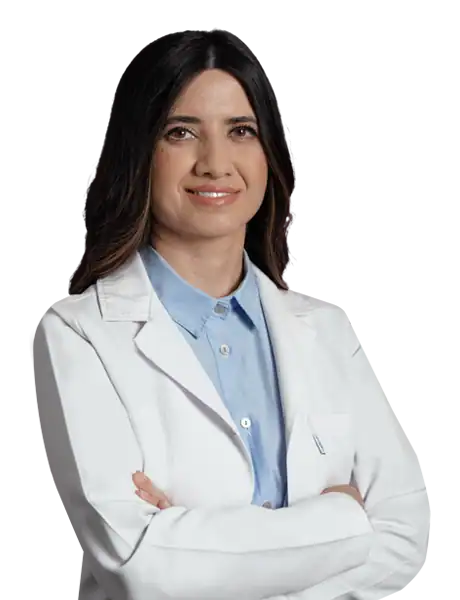
Dr. Lala Sheykhova
Pediatrics